
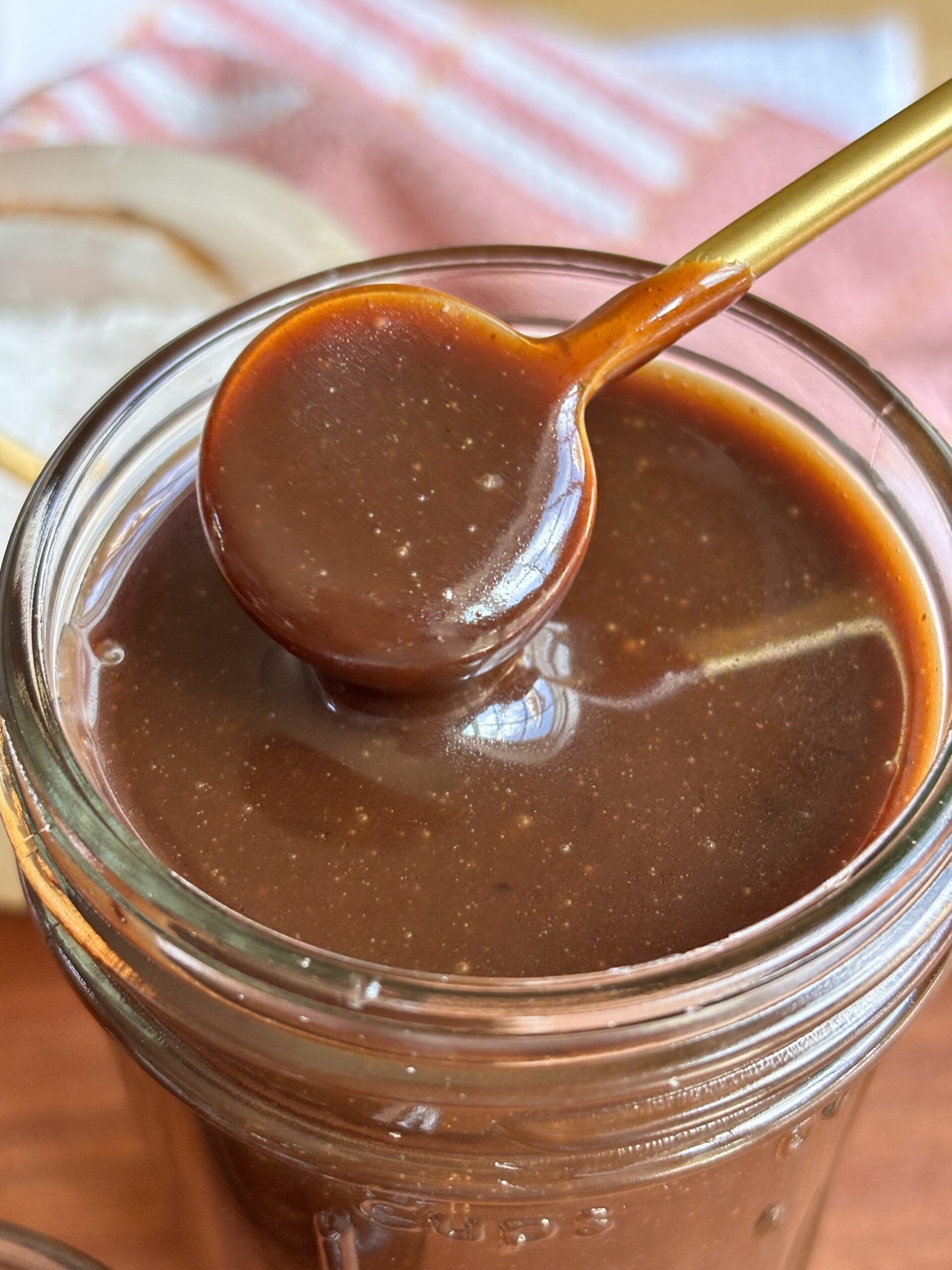
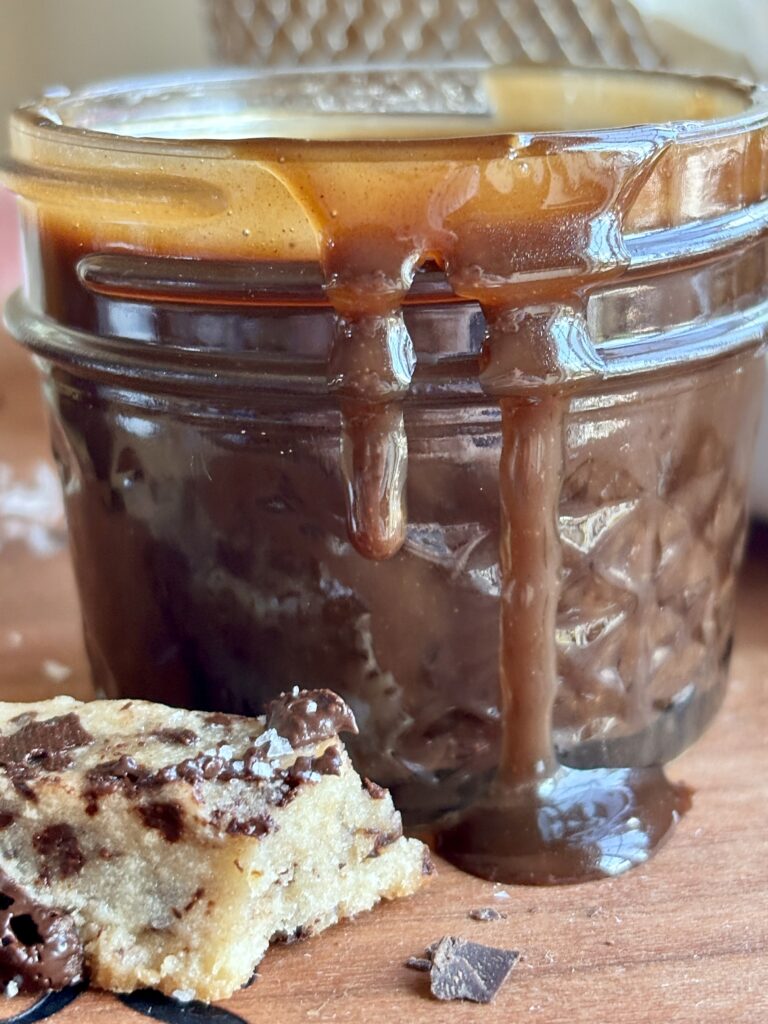
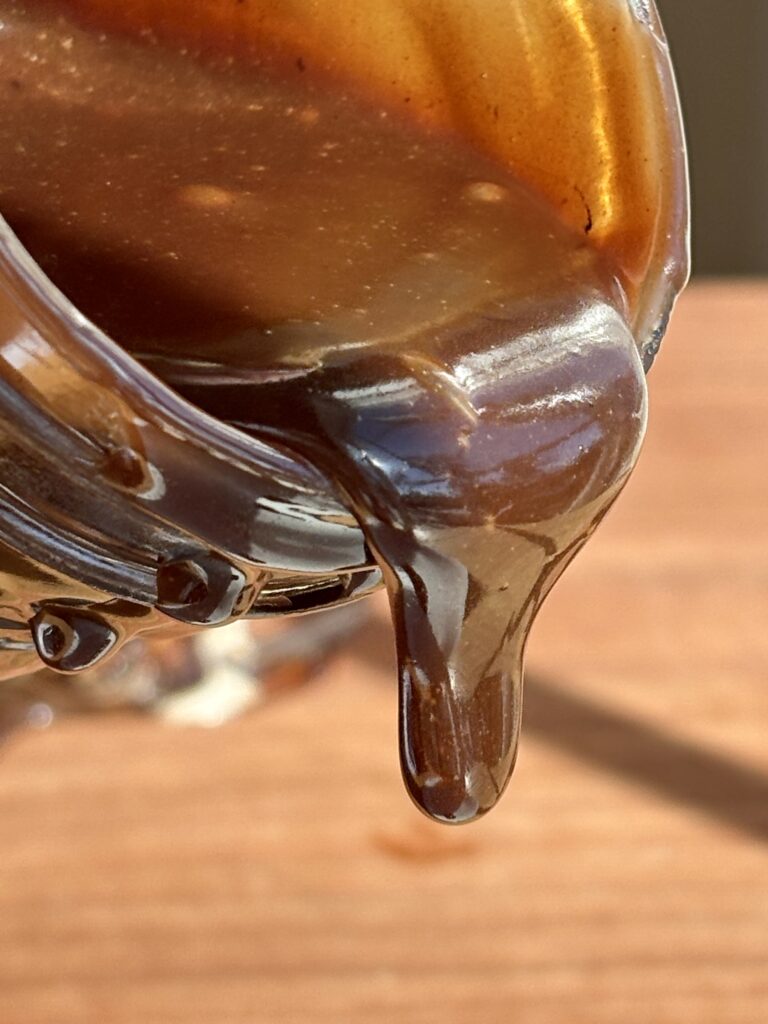
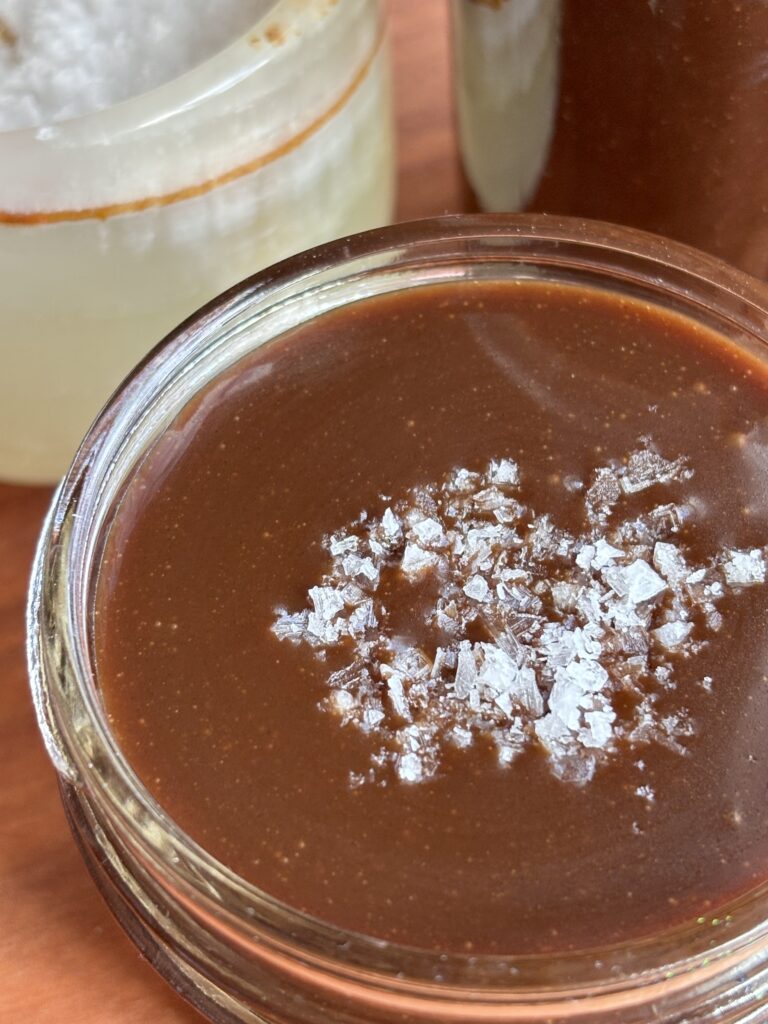
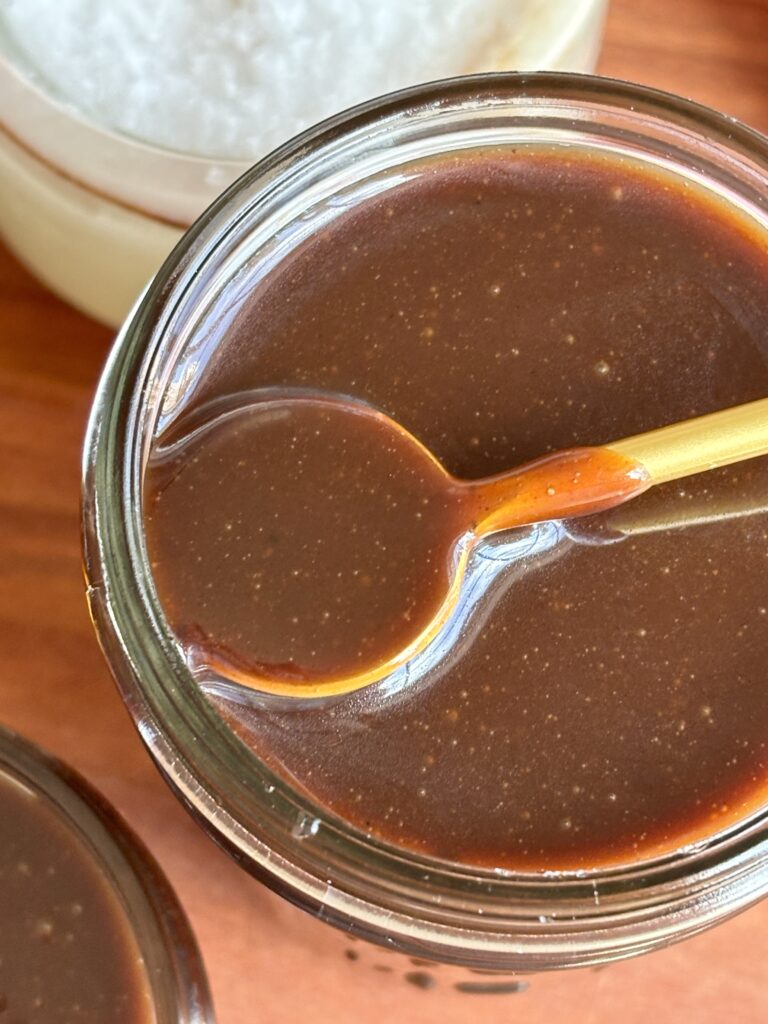
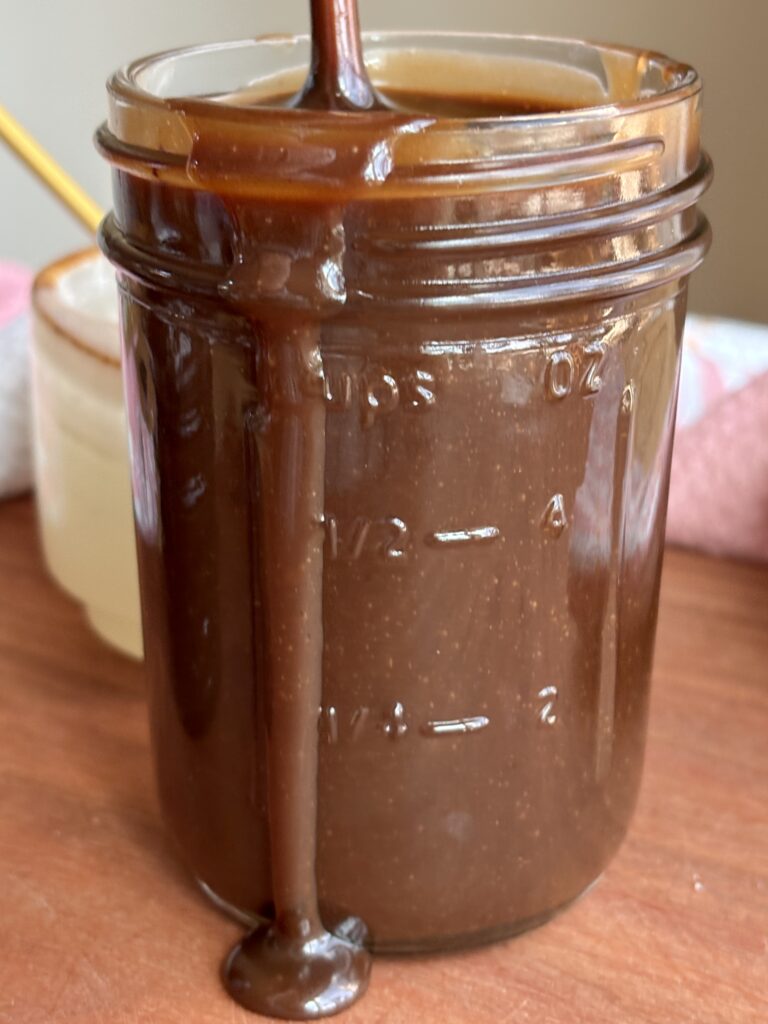
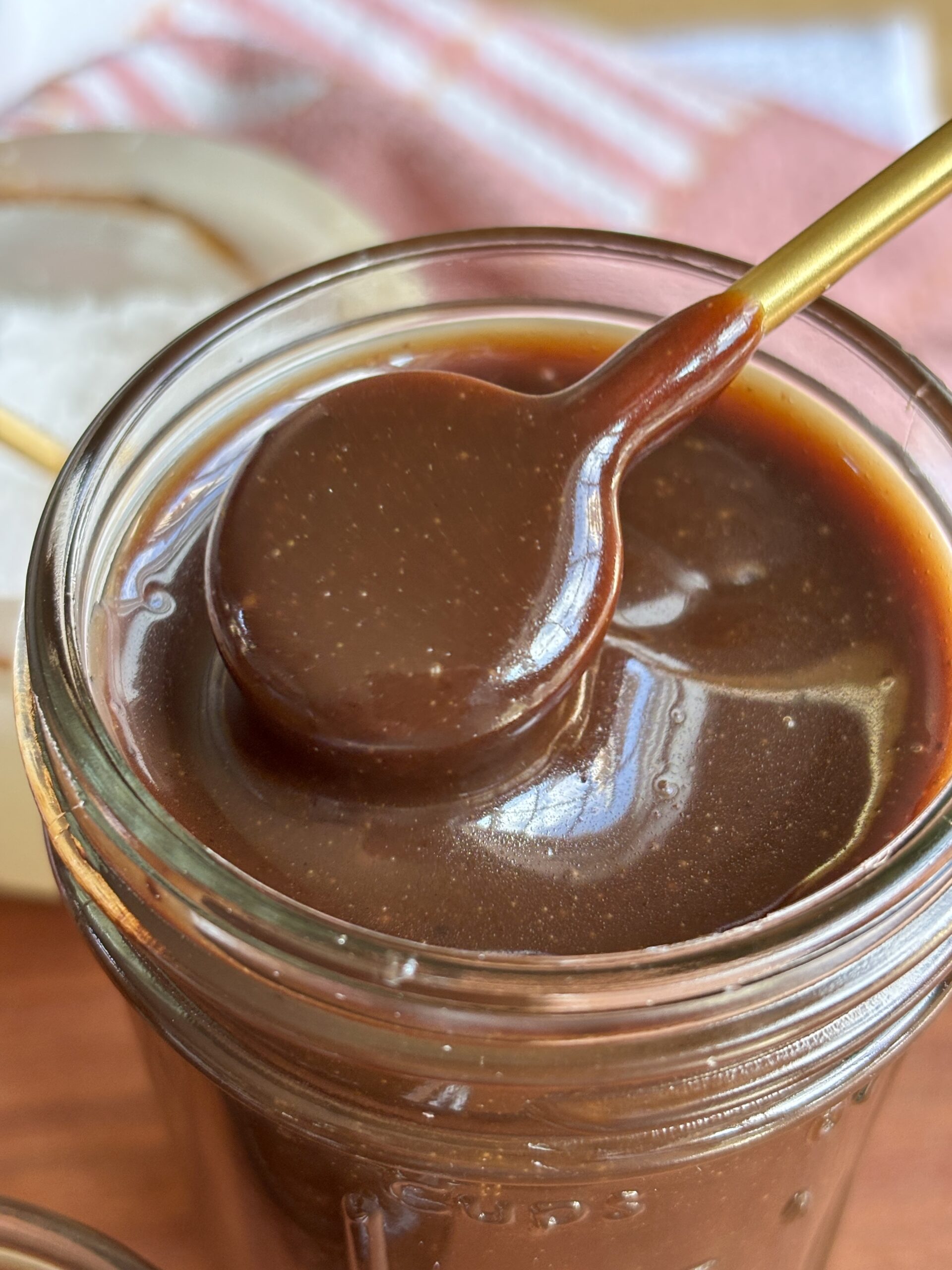
If you thought homemade salted caramel sauce couldn’t get any better, wait until you try this Homemade Salted Chocolate Caramel Sauce. It’s rich, buttery, silky smooth, packed with deep chocolate flavor and just the right amount of flaky sea salt to balance out the sweetness. Think homemade salted caramel meets a decadent chocolate sauce. It’s truly every bit as delicious as it sounds.
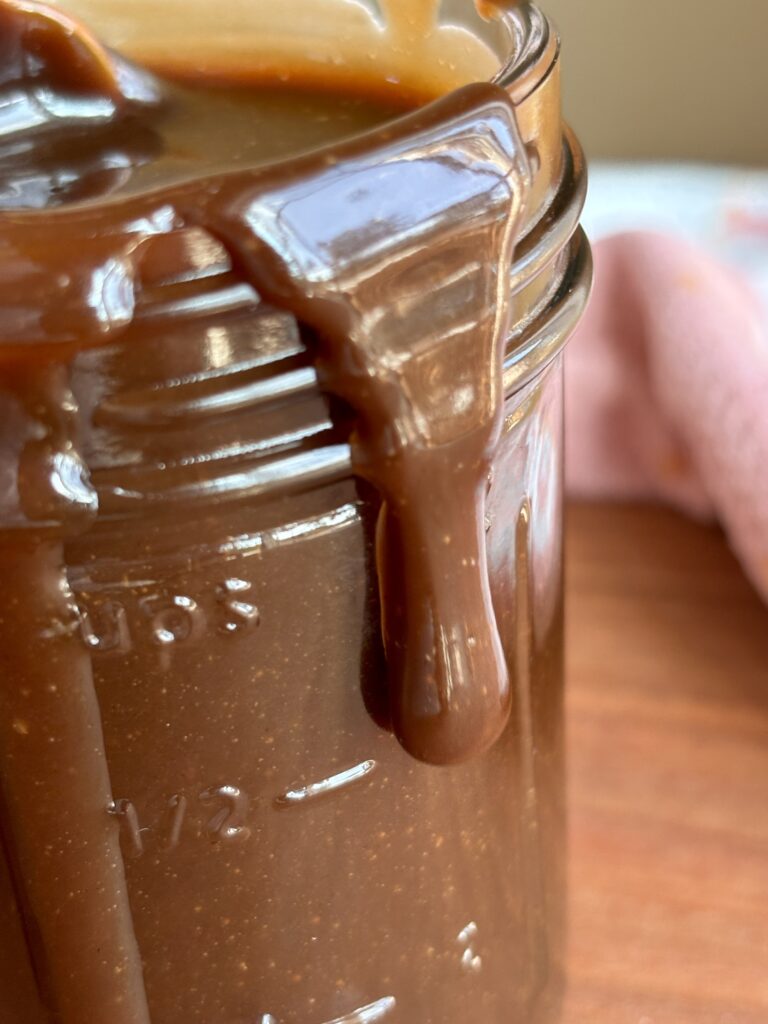
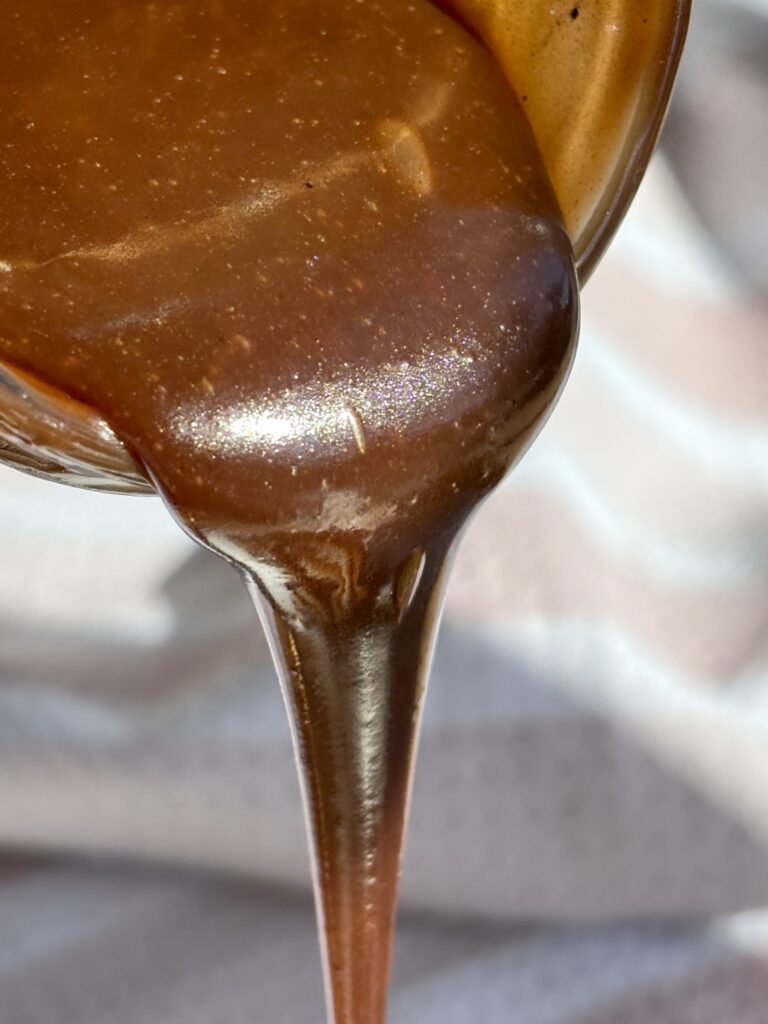
Made with just six simple ingredients, this sauce combines beautifully caramelized sugar, butter, heavy cream, and Dutch-process cocoa powder for a rich, chocolatey caramel that’s thick enough to coat a spoon but smooth enough to drizzle over just about anything.
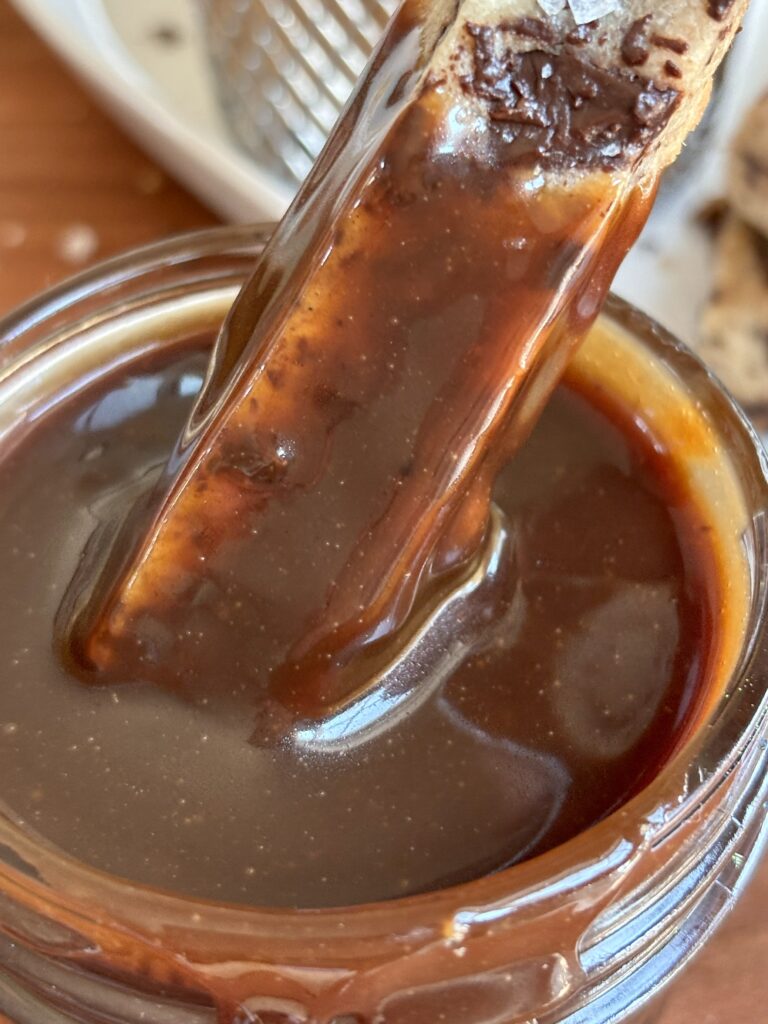
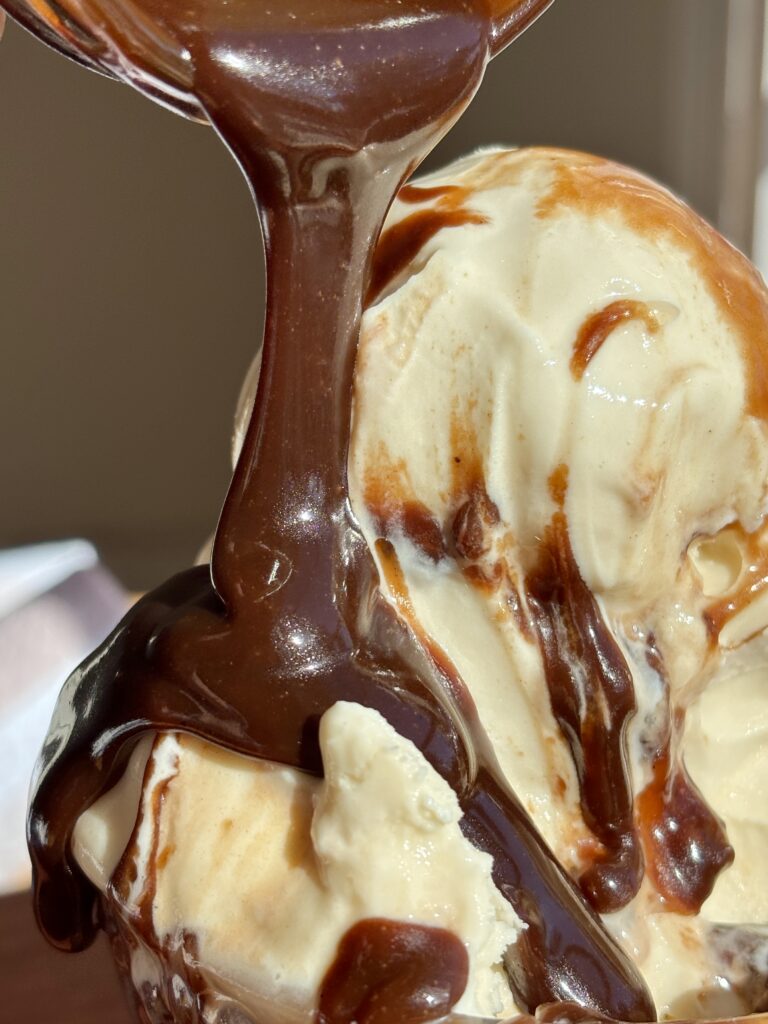
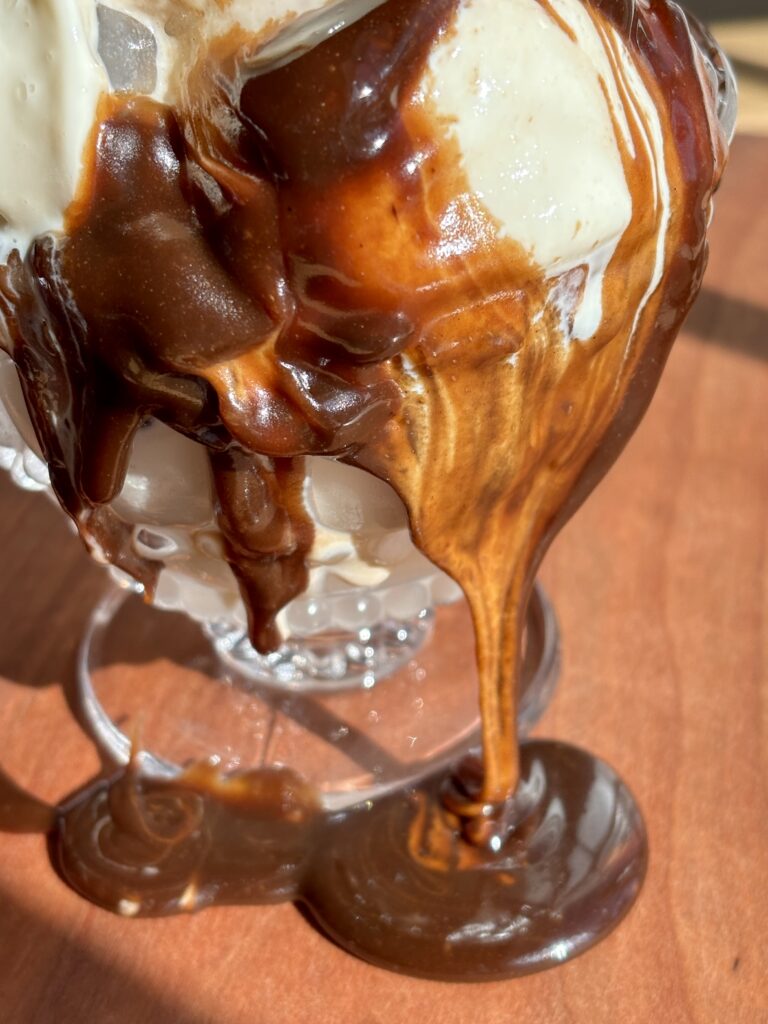
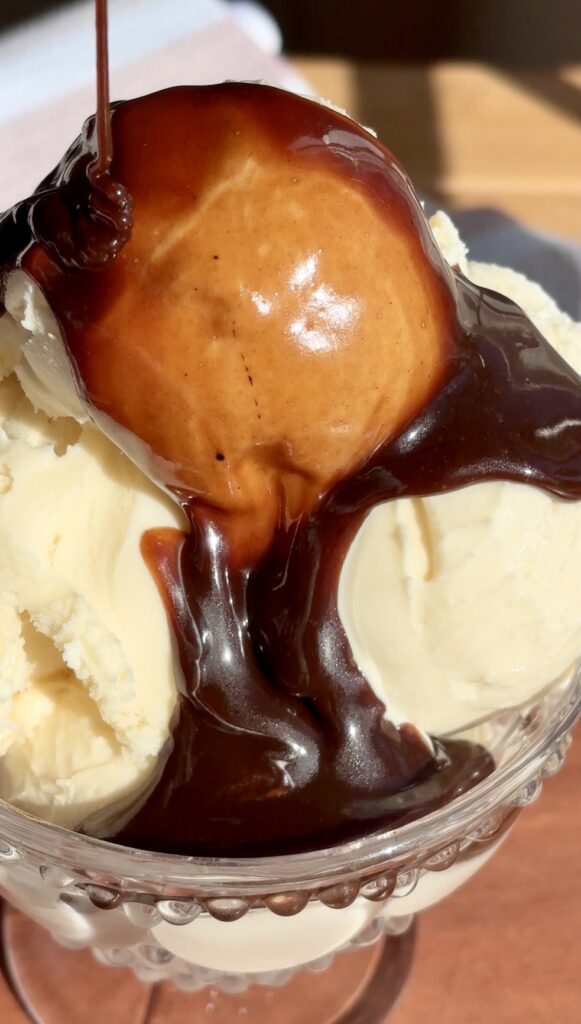
And trust me, there are approximately a million ways to use it. Pour it over ice cream, brownies, cheesecake, pancakes, waffles, or stir a little into your morning coffee. Honestly, you might find yourself eating it straight from the spoon, too.
The best part of this recipe is how easy it is! No candy thermometer or fancy equipment required. Just a few simple ingredients, a good saucepan, and a little patience for a homemade chocolate caramel sauce you’ll want to keep in your fridge at all times.
Love a good dessert sauce? Try my Homemade Salted Caramel Sauce, Homemade Toffee Sauce, or Homemade Dark Chocolate Hot Fudge
Why you’ll love this recipe!
What ingredients do I need?
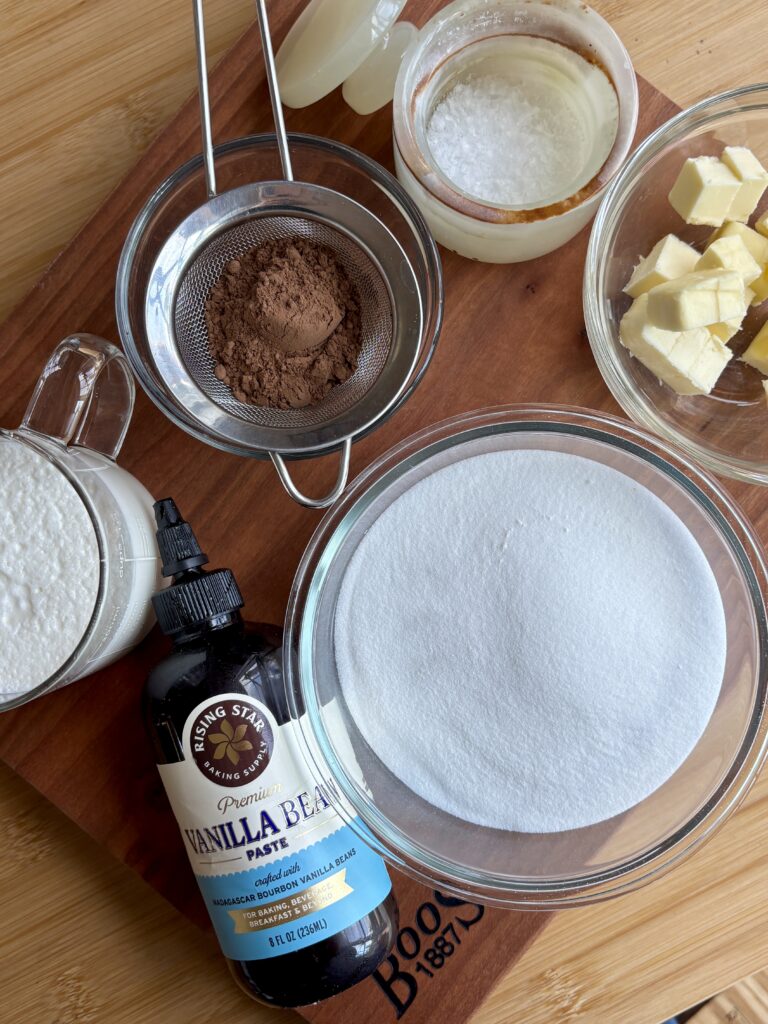
- Granulated Sugar: The foundation of homemade caramel. As the sugar melts and caramelizes, it develops those deep, buttery, slightly toasted flavors that make caramel so irresistible. You’ll want to cook it until it reaches a rich amber color without letting it burn.
- Heavy Cream: Warm heavy cream transforms the caramelized sugar into a rich, creamy sauce. Warming it beforehand helps reduce the temperature difference when it’s added to the hot caramel, although the mixture will still bubble vigorously.
- Dutch-Process Cocoa Powder: This is what gives the sauce its beautiful chocolate flavor. Dutch-process cocoa is less acidic than natural cocoa powder and has a smooth, mellow chocolate taste that works especially well with caramel. Sifting it helps prevent lumps.
- Unsalted Butter: Adds richness, a buttery flavor, and a silky finish. Use room-temperature butter cut into cubes so it incorporates more easily into the caramel.
- Vanilla Bean Paste: Adds warmth and rounds out the chocolate and caramel flavors. I love the depth of vanilla bean paste here, but pure vanilla extract works beautifully, too.
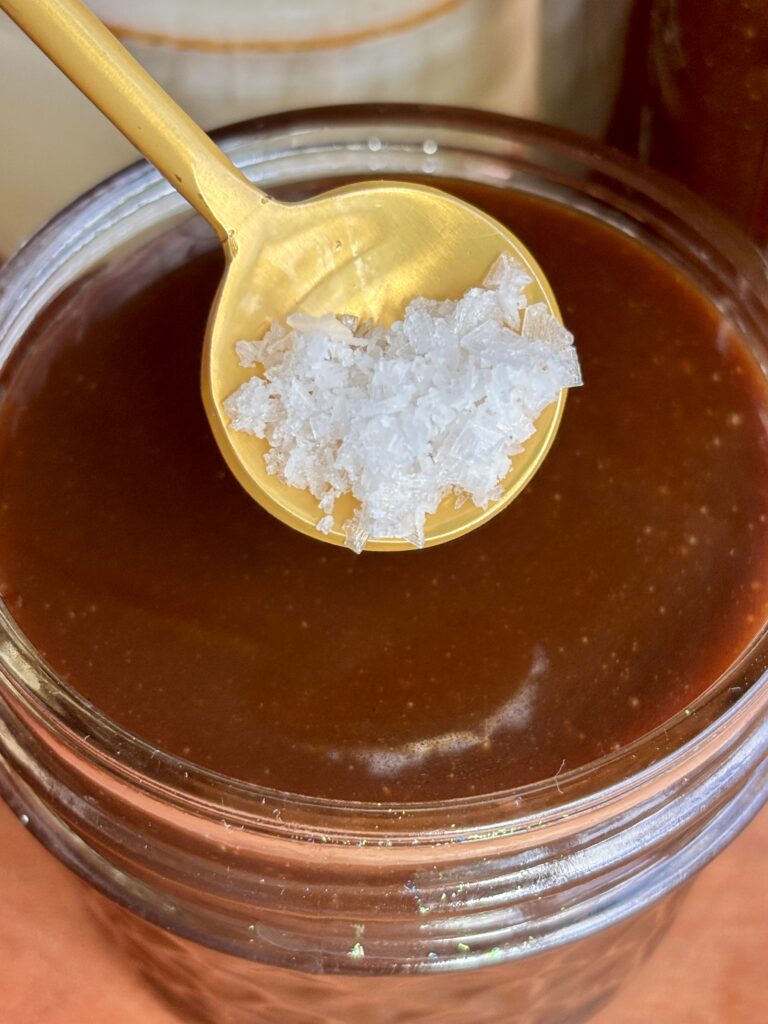
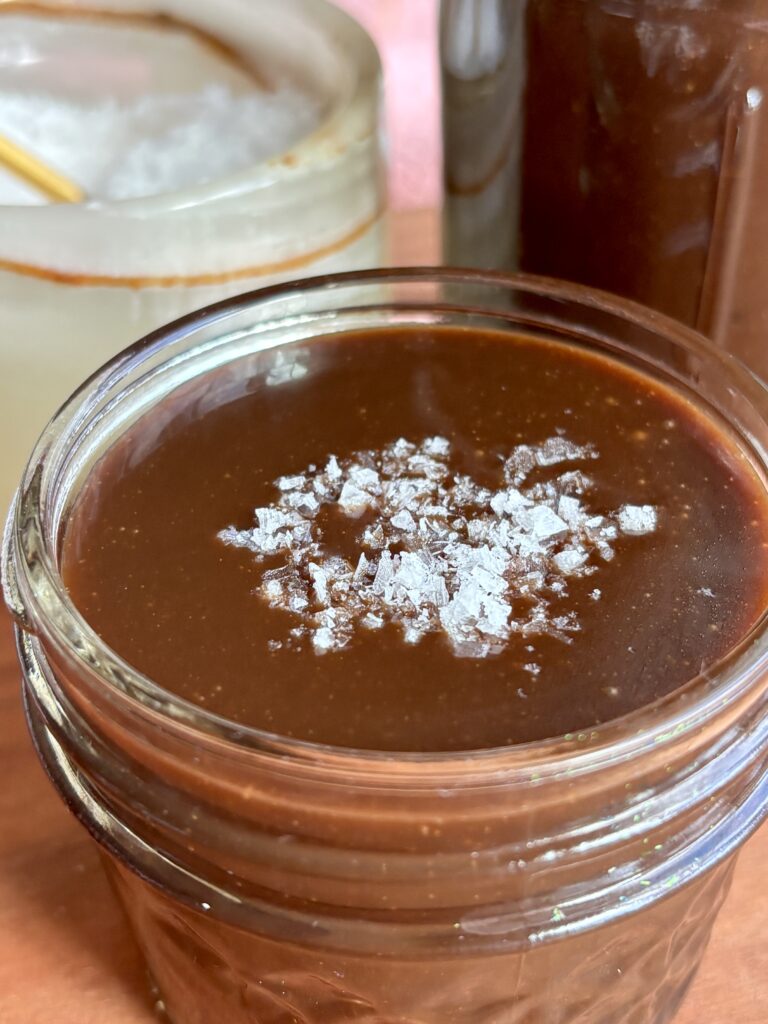
- Flaky Sea Salt: The finishing touch that makes the chocolate and caramel flavors pop. Salt helps balance the sweetness, and you can add a tiny extra sprinkle when serving if you love that sweet-and-salty combination.
Homemade Caramel Step by Step
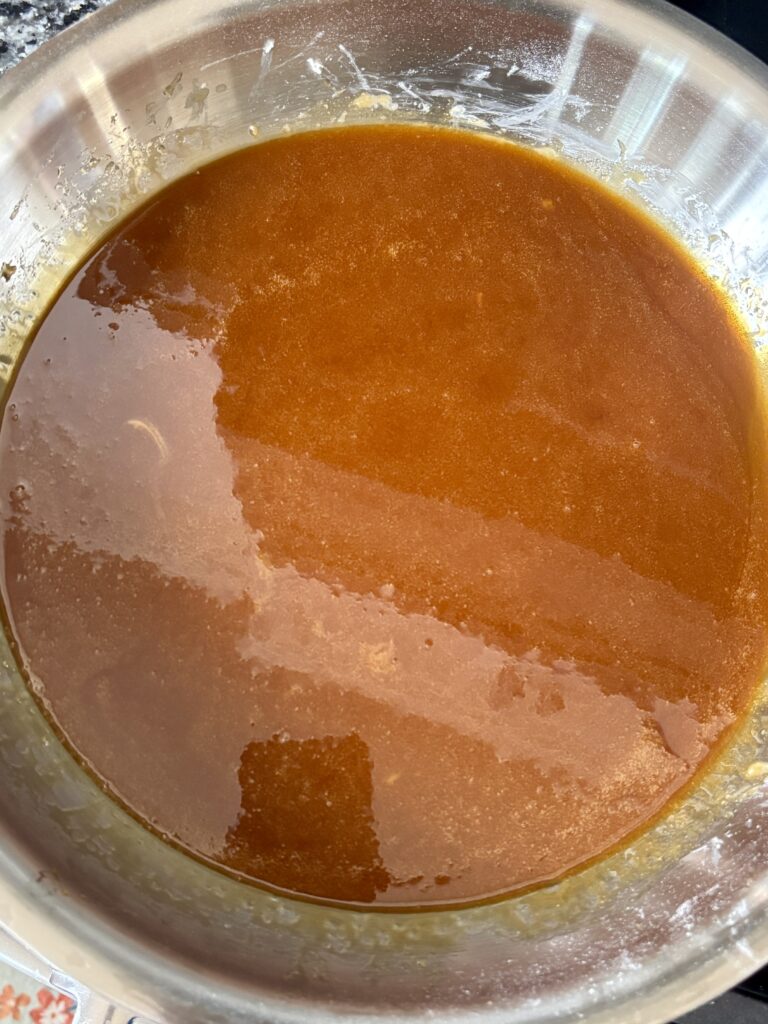
Step 1: Caramelize the Sugar
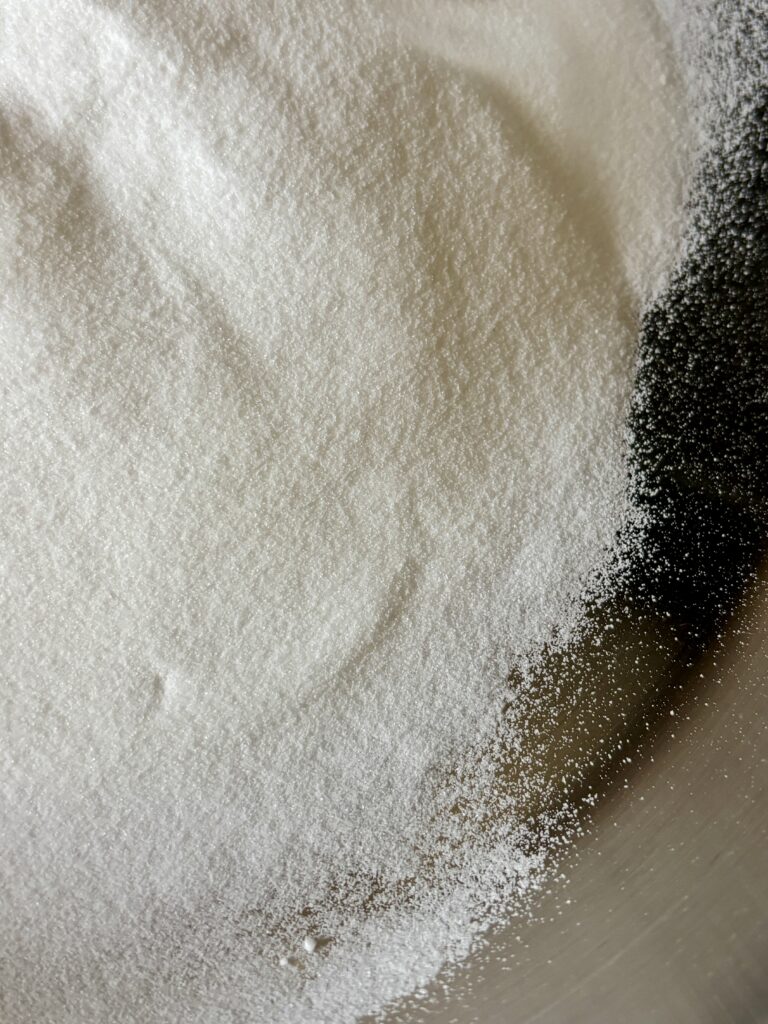
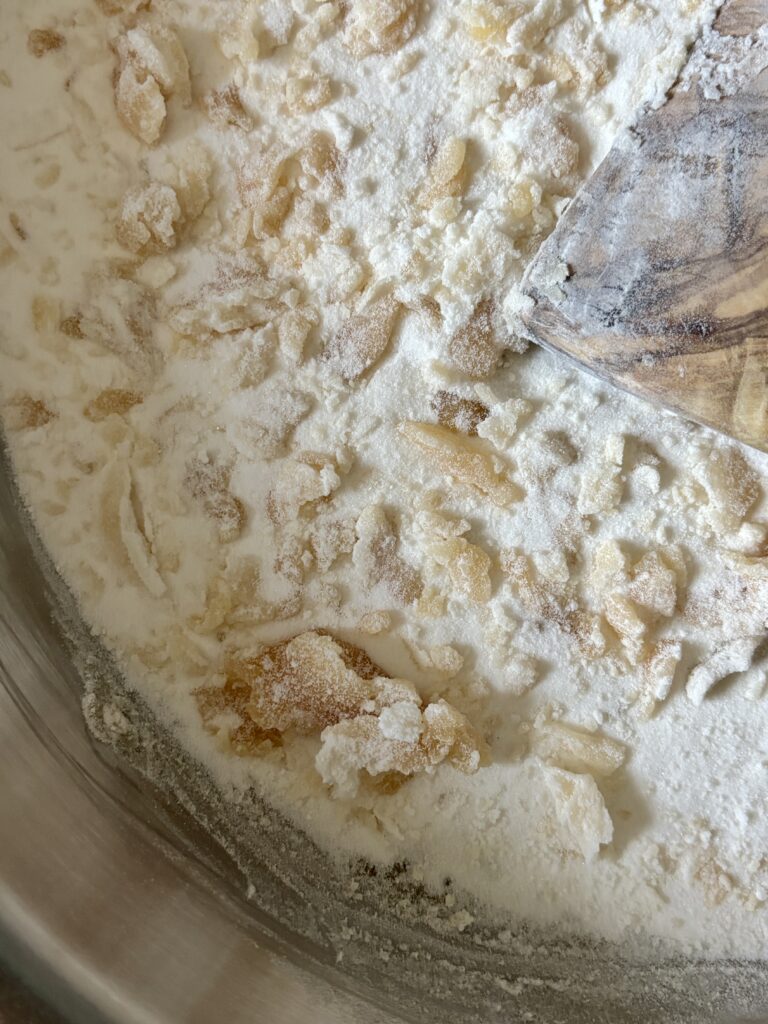
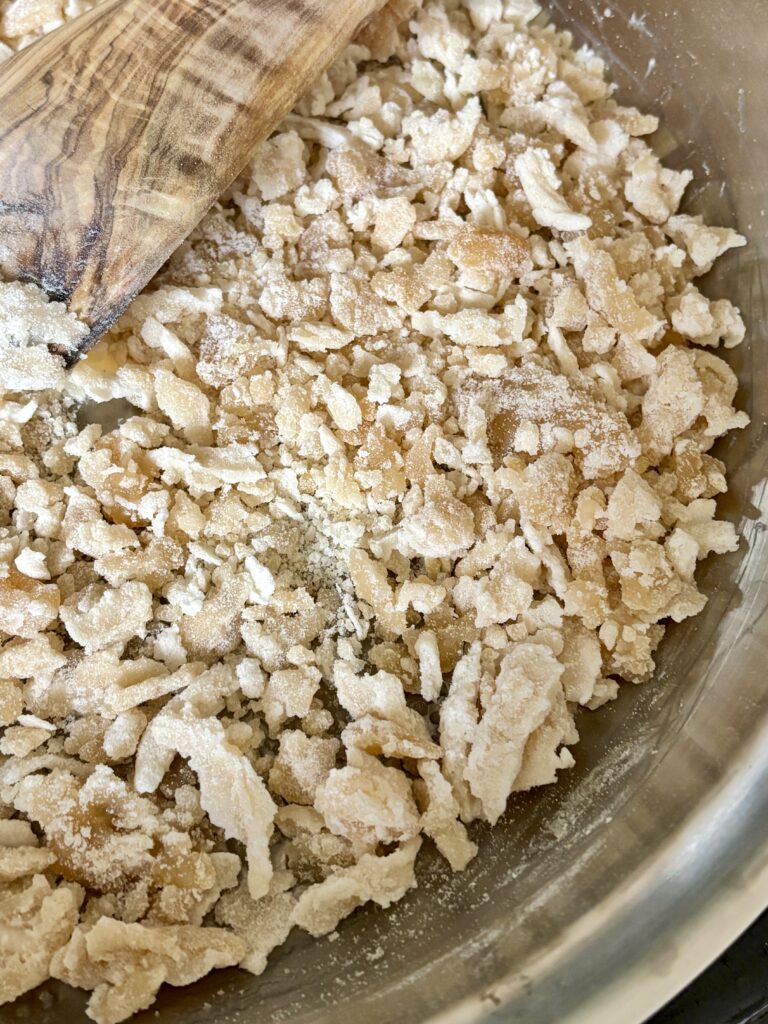
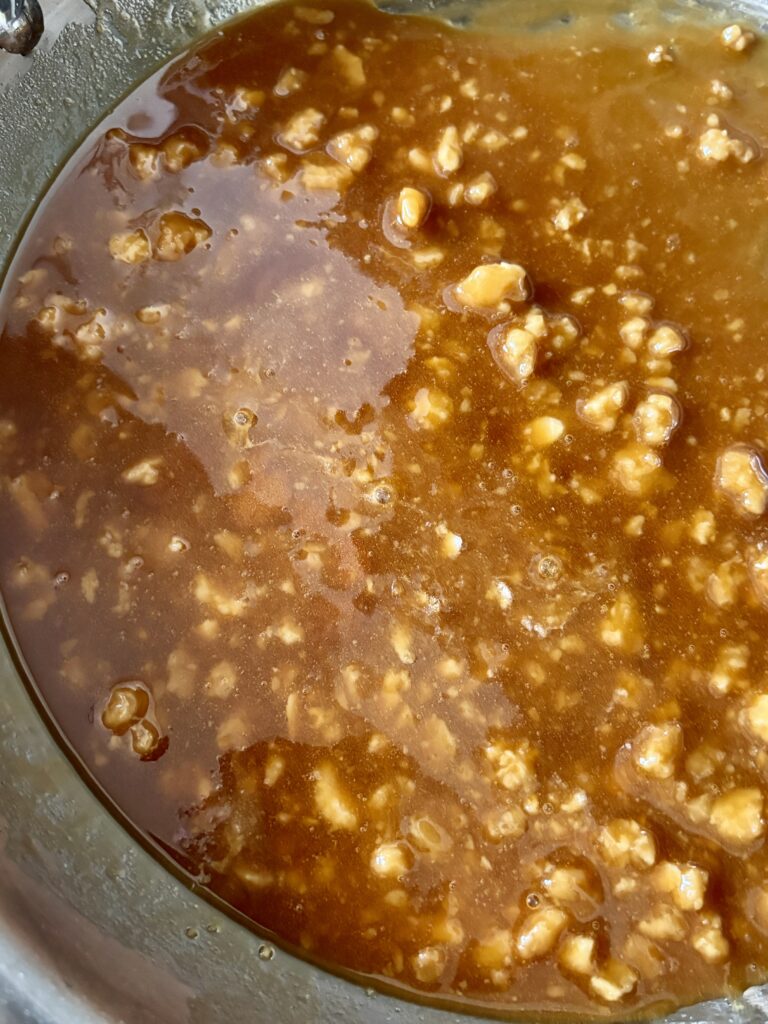
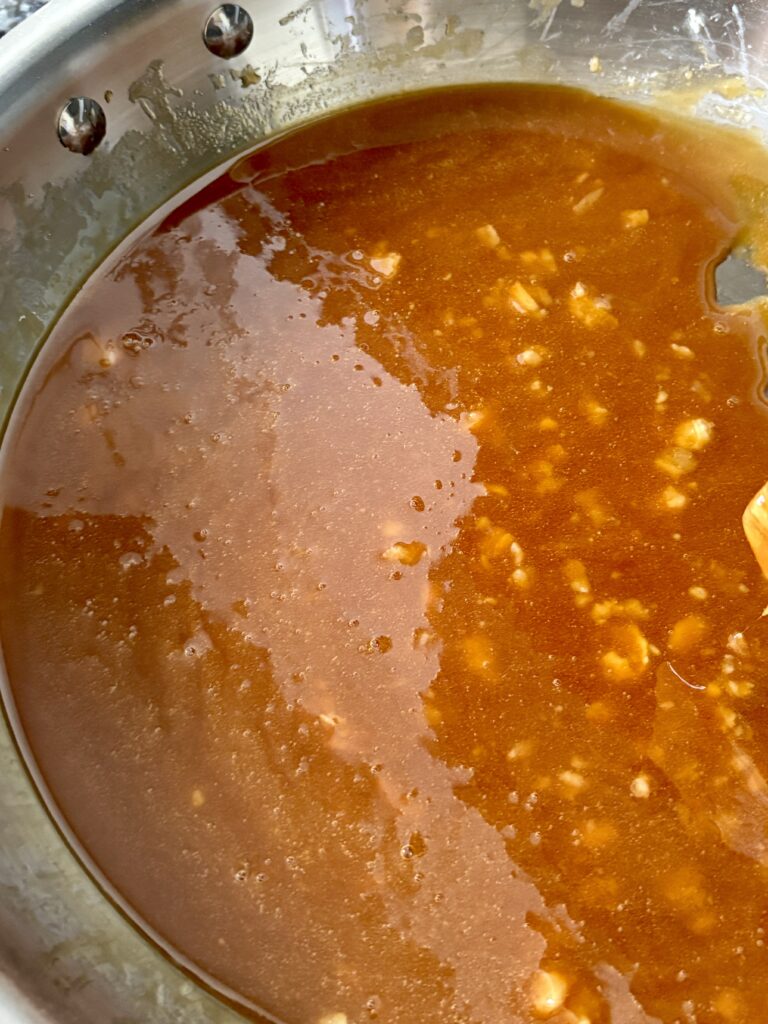
Add the granulated sugar to a medium, heavy-bottomed stainless steel saucepan or sauté pan over low-medium heat. Stir gently as the sugar begins to melt. It will clump before gradually becoming liquid. Continue until the sugar is completely melted and turns a rich amber color.
See above for more photos of the caramelization process.
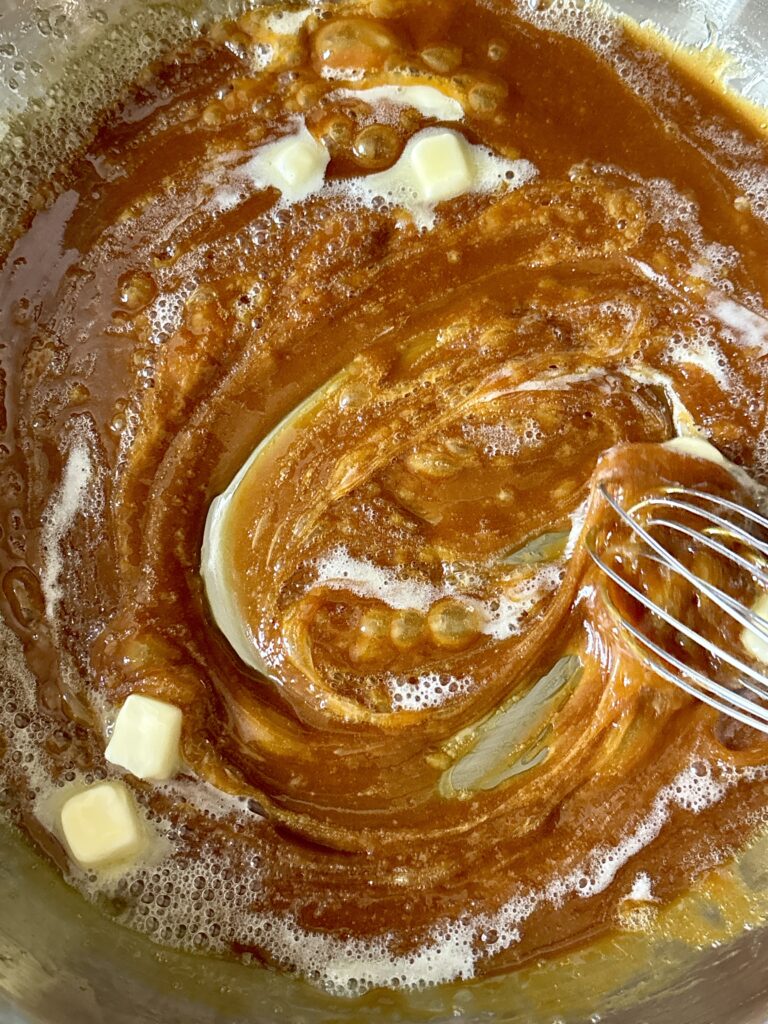
Step 2: Add the Butter
Remove the pan from the heat and carefully stir in the room-temperature cubed butter, a few pieces at a time. The caramel will bubble. Continue stirring until the butter is incorporated, returning the pan to low heat briefly if needed.
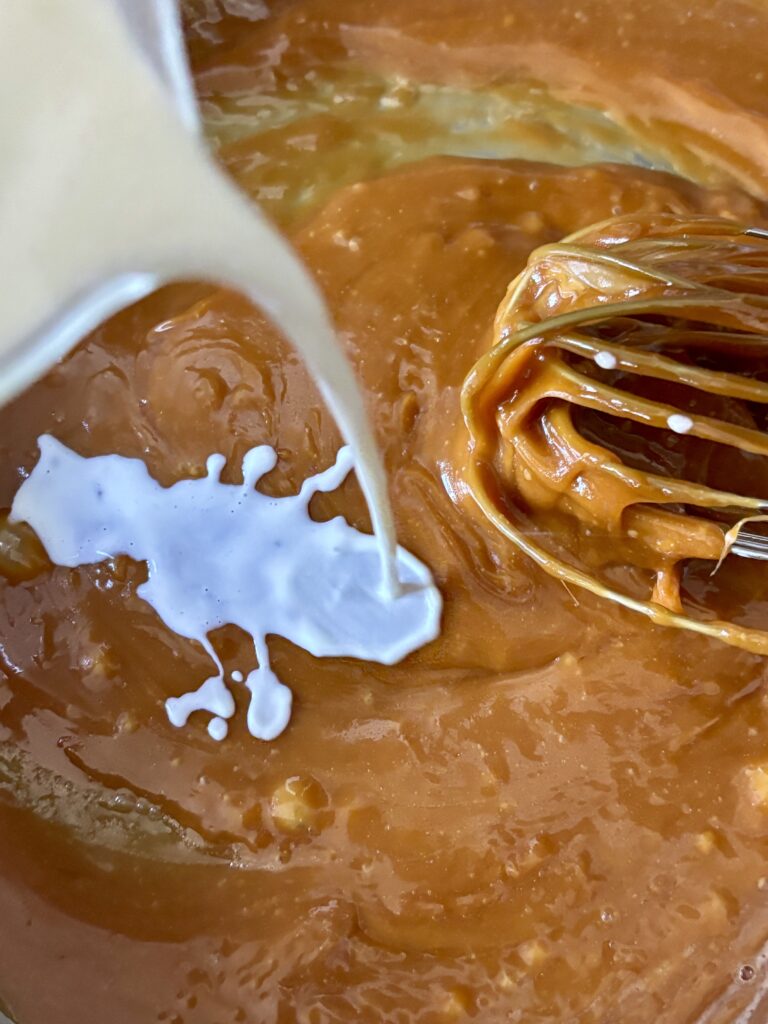
Step 3: Add the Warm Heavy Cream
Very slowly pour in the warmed cream while stirring continuously. The mixture will bubble vigorously and may temporarily seize. If it starts to seize, you can return the pan to low heat and stir until smooth.
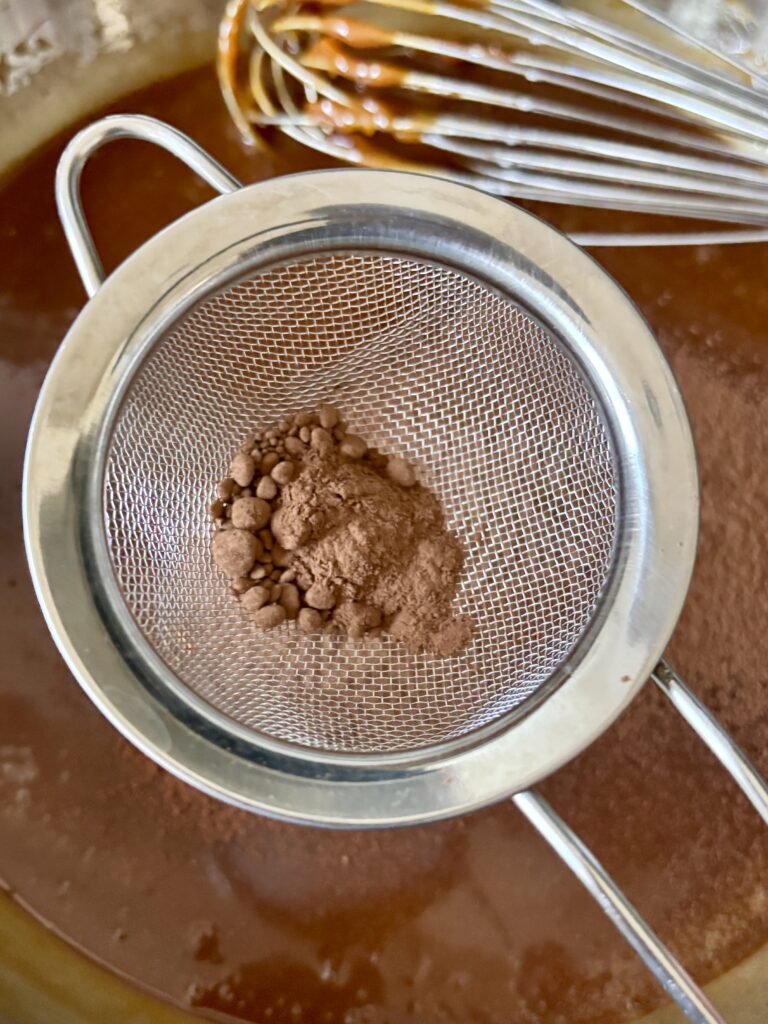
Step 4: Add the Chocolate
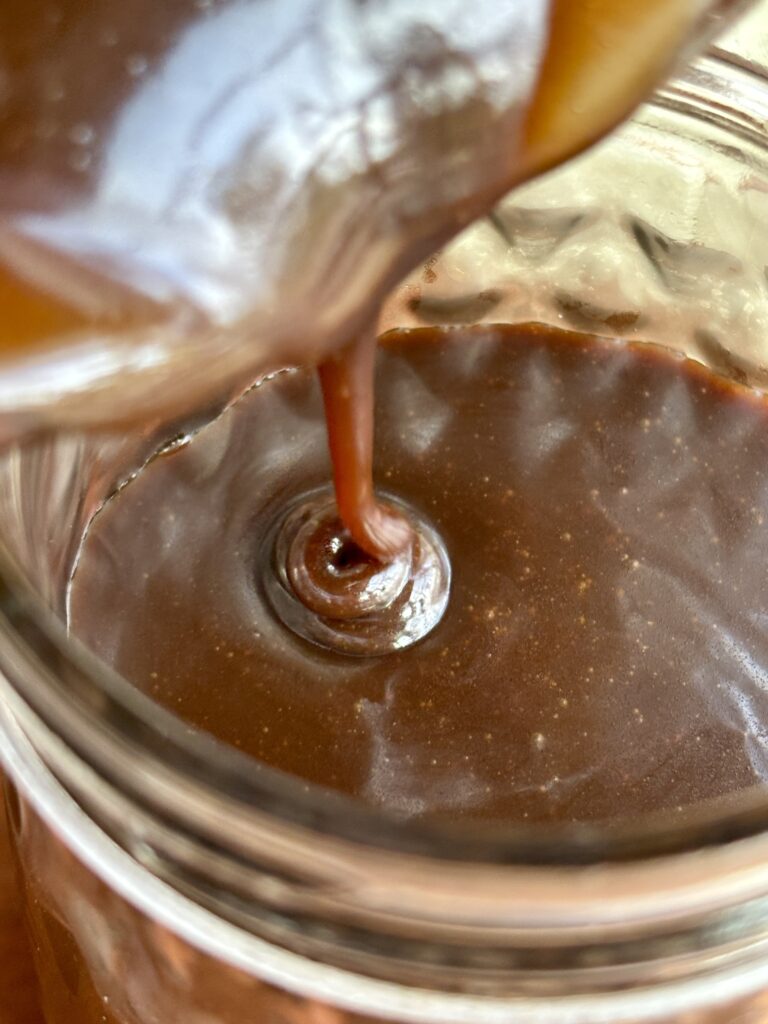
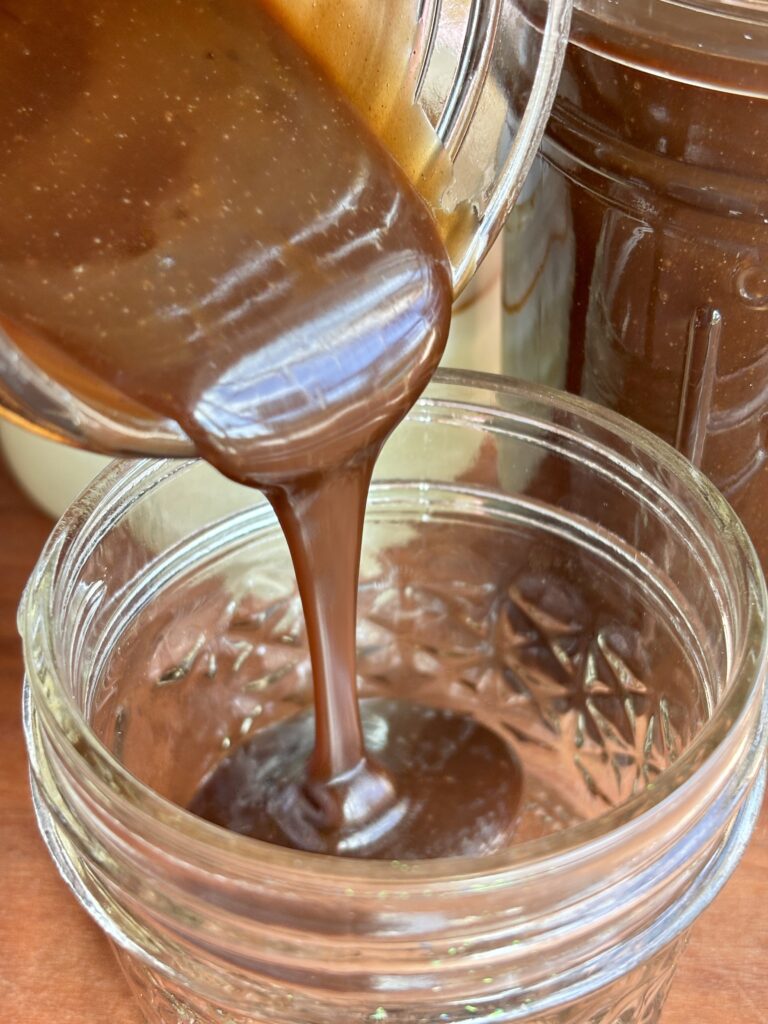
Gradually whisk in the sifted cocoa powder. Continue stirring over low heat until the sauce is completely smooth, with no visible cocoa lumps.
See below for more photos of the addition of the cocoa powder.
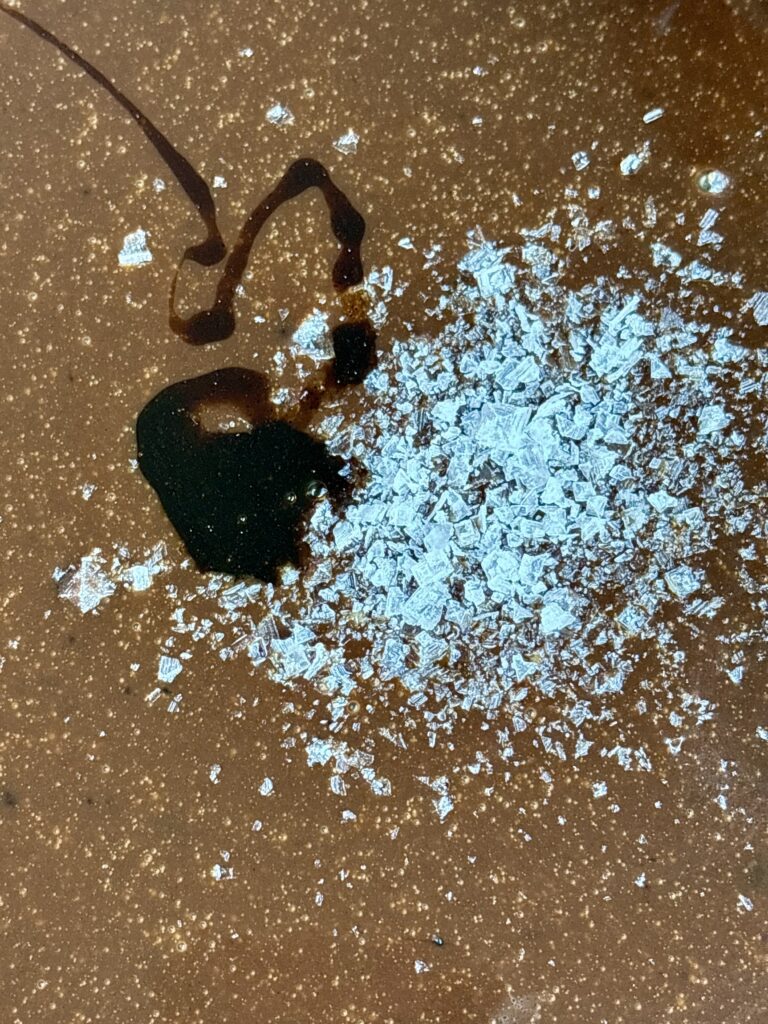
Step 5: Finish and Cool
Remove from the heat and stir in the vanilla and flaky sea salt. Allow the sauce to cool until no longer hot, then transfer to a clean, heat-safe airtight container and refrigerate.
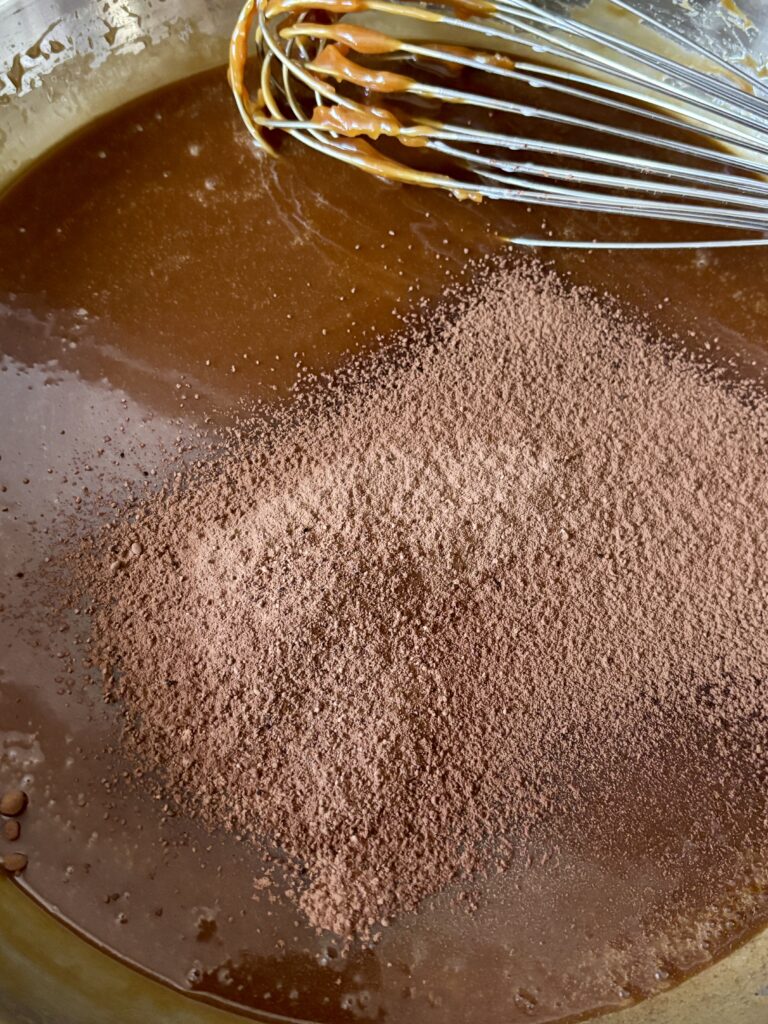
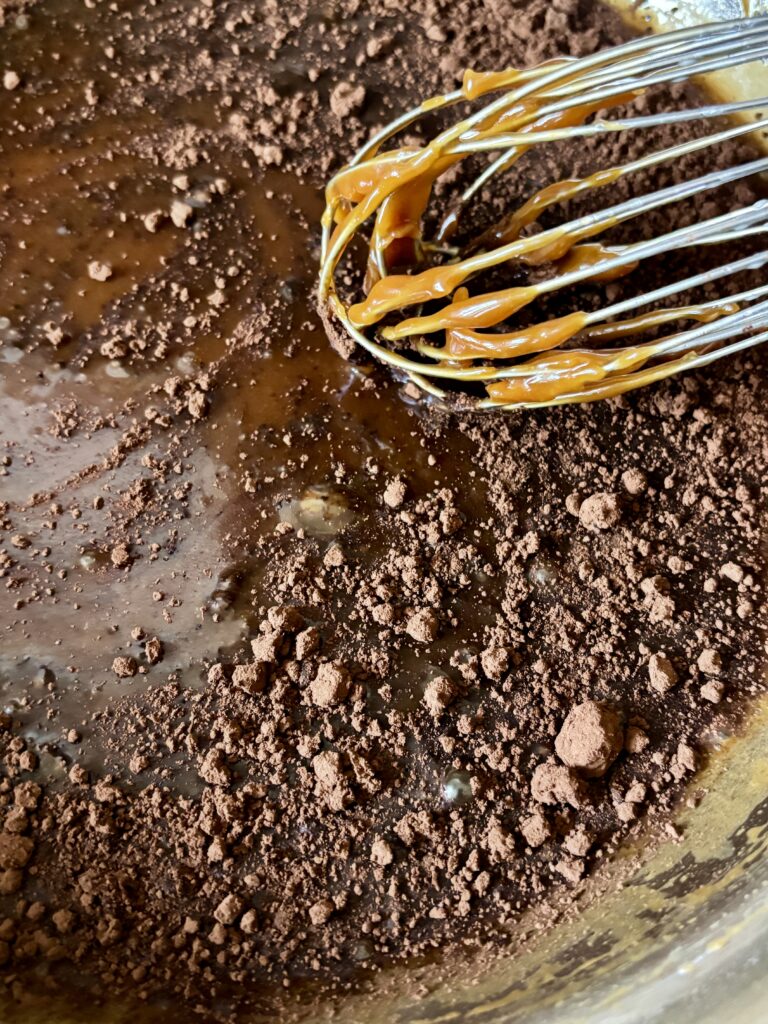
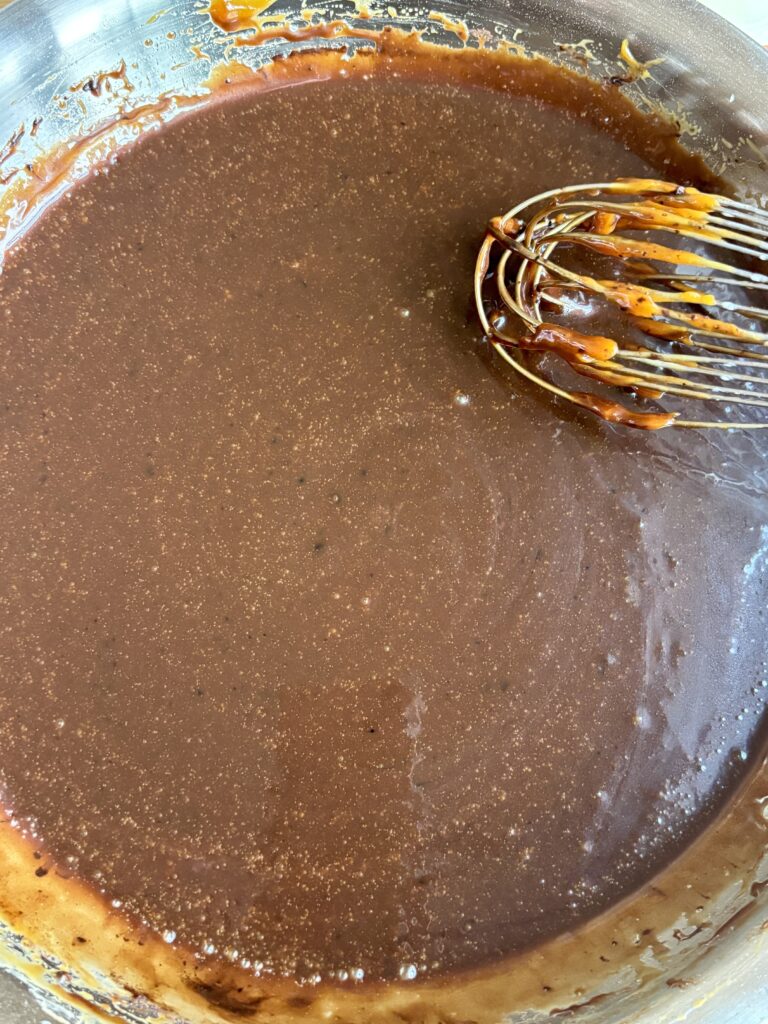
A closer look at the addition of the cocoa powder
Recipe Variations
- Espresso Chocolate Caramel Sauce: Add a small pinch of espresso powder with the cocoa powder to deepen the chocolate flavor. Start with ¼ teaspoon and adjust to taste.
- Extra Dark Chocolate Caramel Sauce: For a bolder, more intense chocolate flavor, experiment with a little additional Dutch-process cocoa powder. Add it gradually, as too much cocoa can make the sauce thicker or slightly bitter.
- Orange Chocolate Caramel Sauce: Stir a little finely grated orange zest into the finished sauce for a chocolate-orange variation. Start with a small amount and adjust to taste.
- Cinnamon Chocolate Caramel Sauce: Add a pinch of ground cinnamon along with the cocoa powder for a subtle warm spice note.
Pro Tips
- Use a heavy-bottomed pan. A sturdy stainless steel saucepan or sauté pan helps distribute heat more evenly and makes it easier to monitor the color of the caramel.
- Keep the heat low-moderate. Caramel can go from perfectly amber to burnt surprisingly quickly. Low-medium heat gives you more control, especially if you’re new to making caramel.
- Don’t panic when the sugar clumps! This is normal when making dry caramel. Continue heating gently and allow the clumps to melt. Avoid turning up the heat aggressively to speed things along.
- Watch the color carefully. You’re looking for a rich amber color. Too light, and the caramel may lack depth; too dark, and it can develop a bitter, burnt taste.
- Warm your heavy cream beforehand. Cold cream creates a greater temperature shock when added to hot caramel, increasing the chance of the mixture seizing.
- Add the butter before the cream. Remove the pan from the heat, incorporate the butter carefully, and use gentle heat as needed before gradually adding the warm cream.
- Expect vigorous bubbling. Both the butter and cream contain water, which rapidly turns to steam when it meets hot caramel. Use a pan with plenty of room, pour slowly, and keep your hands away from the steam.
- Sift the cocoa powder. Cocoa powder loves to clump, and sifting makes it much easier to incorporate into the sauce.
- Remember that caramel will thicken as it cools. The sauce will look thinner while hot. Don’t overcook it trying to achieve its final refrigerated consistency.
- Be careful when tasting. Hot caramel can cause serious burns (ask me how I know…). Let a small spoonful cool before checking the flavor or salt level.
Can I Substitute?
Yes! Like always though, any substitutions made to the recipe can result in a change in texture and/or flavor.
- Dutch-Process Cocoa Powder: Natural unsweetened cocoa powder can be used if necessary, although it has a brighter, more acidic chocolate flavor and may make the sauce taste slightly different. Dutch-process cocoa is my preference for this recipe.
- Vanilla Bean Paste: Substitute an equal amount of pure vanilla extract. Both add wonderful flavor.
- Flaky Sea Salt: Fine sea salt can be used, but start with a smaller amount because fine salt packs more densely into a measuring spoon. Taste and adjust once the caramel has cooled slightly.
- Unsalted Butter: Salted butter can work in a pinch, but reduce the added sea salt and adjust to taste.
- Heavy Cream: Heavy whipping cream is an equivalent substitute. I don’t recommend replacing it with regular milk in this recipe because the lower fat content can affect the richness and consistency.
Dietary Substitutions
- Gluten-Free: This recipe is naturally made without gluten-containing ingredients. If you’re preparing it for someone with celiac disease, or a gluten allergy, check that your cocoa powder, vanilla, and other packaged ingredients are certified or verified gluten-free as appropriate.
- Vegetarian: This chocolate caramel sauce is vegetarian as written.
Leftovers and Storage
- Refrigerator: Allow the sauce to cool until no longer hot, transfer it to a clean airtight container, and refrigerate promptly. Use within 2-3 weeks.
- Freezer: Freezing may be possible in a freezer-safe container, but I haven’t tested the thawed consistency to reliably tell you for sure. The sauce may need gentle reheating and whisking to restore its smooth texture.
- Reheating: Spoon the desired amount into a microwave-safe bowl and heat in short intervals (10 seconds at a time), stirring frequently, until smooth and pourable. Alternatively, gently warm it in a small saucepan over low heat.
- Serving: The sauce can be served chilled for a thicker consistency or gently warmed for drizzling. Avoid repeatedly reheating and cooling of the entire batch.
- Food Safety: Refrigerate within two hours of preparation and use clean utensils when serving to help prevent contamination.
Troubleshooting
My sugar is clumping instead of melting
This is normal during dry caramelization. Keep the heat low-medium and continue gently stirring or moving the sugar around until the clumps dissolve. If some sugar melts faster than the rest, reduce the heat to avoid burning the liquid caramel while the remaining pieces melt.
My caramel seized when I added the butter or cream
A sudden temperature change can cause melted sugar to harden temporarily. Return the pan to low heat and stir gently until the hardened caramel dissolves. Just avoid increasing the heat too much.
My caramel tastes bitter
The sugar may have cooked past the ideal amber stage. Cocoa powder also contributes some natural bitterness. If the sugar itself has burned though, it’s best to start over because the burnt flavor cannot be fully corrected.
My chocolate caramel sauce is grainy
The sugar may not have completely dissolved, or some sugar may have recrystallized. Gentle heating can sometimes help dissolve those remaining crystals. If the graininess comes from undissolved cocoa powder, whisking thoroughly while warm may help.
My cocoa powder won’t incorporate smoothly
Sift the cocoa before adding it and whisk it into the warm sauce gradually. For an especially smooth finish, you can strain the sauce through a fine-mesh sieve if needed.
My caramel looks oily or separated
The butter may not have emulsified completely with the caramel. Gently rewarm the sauce over low heat while whisking steadily. A small amount of warm cream may help bring it together, although that will change the final consistency.
My sauce is too thick after refrigeration
This is expected. The butter and cream firm up when cold. Gently warm the amount you plan to use until it reaches your preferred pouring consistency.
My sauce is too thin
Allow it to cool completely before judging the texture. If it remains thinner than desired after chilling, it may need a slightly different cooking or liquid ratio in a future batch. Additional heating can thicken caramel, but it can also change the flavor and increase the risk of scorching.
But, I Still Have A Few Questions…
What is the difference between chocolate caramel sauce and chocolate sauce?
Traditional chocolate sauce gets most of its flavor and sweetness from chocolate or cocoa powder and sugar. Chocolate caramel sauce begins with caramelized sugar, giving it a deeper, toasted, buttery flavor before the chocolate is added.
Do I need a candy thermometer to make homemade chocolate caramel sauce?
Nope! This recipe uses the color of the melted sugar as the main indicator. Cook the sugar until it reaches a rich amber color, then proceed with the butter and cream.
Why do you use Dutch-process cocoa powder?
Dutch-process cocoa powder has a smooth, mellow chocolate flavor and lower acidity than natural cocoa powder. It complements the deep caramel flavor without adding as much sharpness.
Can I use natural unsweetened cocoa powder instead?
Yes, although the flavor may be slightly more acidic and less mellow. Dutch-process cocoa is preferred for this particular sauce.
Can I use melted chocolate instead of cocoa powder?
Melted chocolate contains cocoa butter and, depending on the variety, additional sugar. It would change the sauce’s fat content, sweetness, and consistency, so it isn’t a direct substitution without adjusting the recipe. This isn’t something I have tested, so I can’t reliably say it would work.
Why do I need to warm the heavy cream?
Warming the cream reduces the temperature difference when it meets the hot caramel. The mixture will still bubble vigorously, but warm cream generally makes it easier to incorporate.
Why does the caramel bubble so much when I add butter and cream?
Hot caramel is much hotter than the boiling point of water. The water in the butter and cream rapidly produces steam, causing vigorous bubbling. This is normal, but it’s important to add the ingredients carefully.
Can I make this sauce without a stainless steel pan?
A heavy-bottomed, light-colored saucepan is ideal because you can easily monitor the caramel’s color. A darker pan can work, but it may be more difficult to judge when the sugar reaches the correct amber stage.
Can I make chocolate caramel sauce ahead of time?
Absolutely. This is a great make-ahead dessert sauce. Prepare it in advance, cool it safely, and refrigerate in an airtight container.
Does salted chocolate caramel sauce need to be refrigerated?
Yes, it does. Because this recipe contains heavy cream and butter, it should be stored in the refrigerator rather than left at room temperature.
Why does my caramel get so thick in the refrigerator?
The butter and cream firm up as they cool, causing the sauce to thicken considerably. Gentle reheating will help make it pourable again.
Can I reheat homemade chocolate caramel sauce?
Yes. Reheat only the amount you need in short microwave intervals (about 10 seconds), stirring between each, or place the container in a warm-water bath until the sauce loosens.
Can I freeze chocolate caramel sauce?
You can try freezing it in a freezer-safe container, leaving room for expansion. Thaw it in the refrigerator and rewarm gently, whisking if needed. I haven’t verified the texture after freezing this particular cocoa-based recipe though, so I can’t reliably tell you how it would work).
Can I use this as a cake filling?
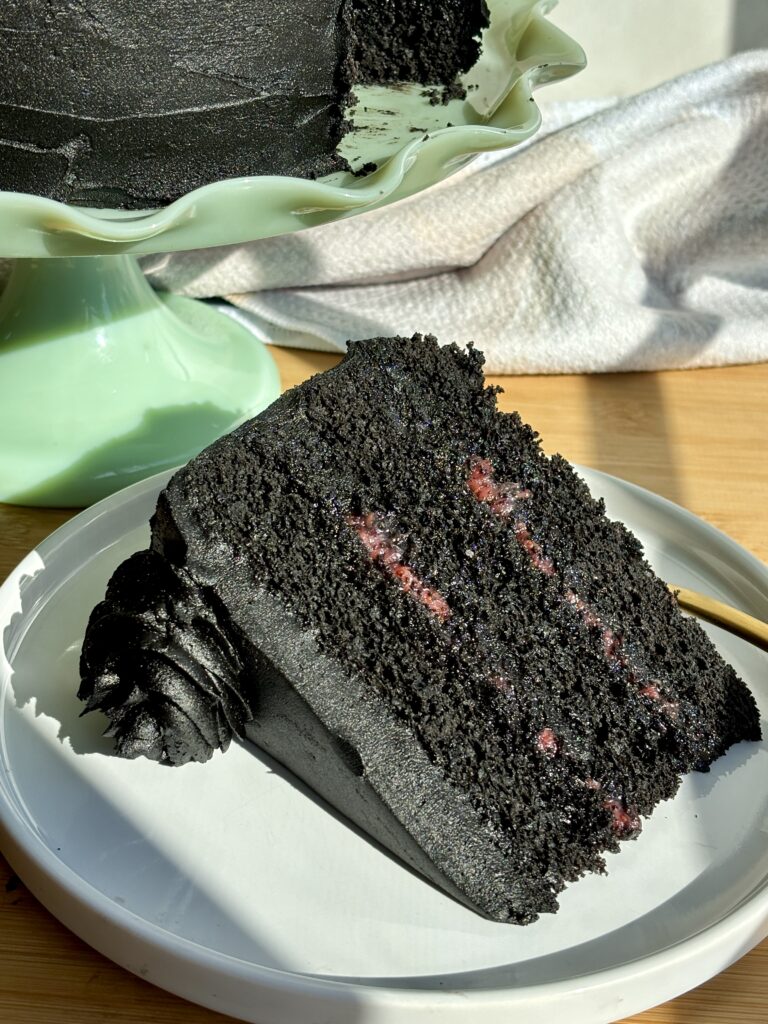
Yes, but keep in mind that it becomes softer as it warms. For a layer cake, use a buttercream dam around the edge to help contain the sauce, and avoid overfilling. This would probably be AMAZING with my Black Velvet Cake (instead of the strawberry jam filling).
Is this sauce good for ice cream?
Heck yes! It’s especially delicious over vanilla, coffee, chocolate, or salted caramel ice cream. Warm it slightly before serving for a smooth, pourable consistency.
Can I use this sauce in coffee?
Absolutely! Stir a small amount into hot coffee or espresso for a homemade chocolate caramel coffee drink. It can also be used in a latte.
What desserts pair best with salted chocolate caramel sauce?
Try it over brownies, cheesecake, pound cake, chocolate cake, bread pudding, pancakes, waffles, or vanilla ice cream. It also makes a delicious dip for sliced apples or strawberries.
Can I make this sauce less salty?
Yes. Start with a smaller amount of flaky sea salt and add more to taste after the sauce has cooled slightly.
Can I double this recipe?
A larger batch is possible, but caramel can be harder to cook evenly in larger quantities. Use a sufficiently large, heavy-bottomed pan and allow extra time for the sugar to melt. The doubled batch would need testing to confirm timing and consistency.
Let’s engage!
Make sure to tag @thehomechefmomma on Instagram or Facebook, and leave a review or comment if you make these. I always get so excited to see your creations, variations of the recipe, and feedback! Just remember to be kind in your comments, there is still a person behind this screen! 🙂
Salted Chocolate Caramel Sauce
Ingredients
- 1 ½ cups granulated sugar
- 1 cup heavy cream warmed
- 2 tablespoons Dutch-process cocoa powder sifted
- 4 tablespoons unsalted butter cubed and at room temperature
- ½ teaspoon vanilla bean paste or pure vanilla extract
- ½ teaspoon flaky sea salt
Instructions
- Warm the heavy cream until warm but not boiling. Sift the Dutch-process cocoa powder and cut the room-temperature butter into cubes. Have everything measured and ready before beginning.
- Place a medium, heavy-bottomed stainless steel saucepan or sauté pan over low-medium heat. Add the granulated sugar in an even layer. As the sugar begins to melt, stir gently with a heat-resistant silicone spatula, or wooden spoon. The sugar will clump before gradually melting. Continue until completely melted and a rich amber color.
- Remove the pan from the heat. Carefully add the cubed butter, a few pieces at a time, stirring continuously. The mixture will bubble vigorously. Continue stirring until the butter is melted and incorporated. If needed, return the pan to low heat briefly to help the mixture come together.
- Slowly pour in the warmed heavy cream while stirring continuously. The caramel will bubble aggressively and may temporarily firm up. Return the pan to low heat if necessary, stirring until the mixture is smooth.
- Gradually whisk in the sifted Dutch-process cocoa powder. Continue stirring over low heat for approximately 1–2 minutes, or until the cocoa is fully incorporated and the sauce is smooth and glossy.
- Remove from the heat and stir in the vanilla bean paste, or extract, and flaky sea salt until combined.
- Allow the sauce to cool until no longer hot, then transfer to a clean, heat-safe airtight container. Refrigerate promptly. The sauce will thicken as it cools.
- Enjoy chilled for a thicker consistency or warm gently until smooth and pourable before drizzling over your favorite desserts.
Notes
- Caramel color: Aim for a rich amber, not dark brown, to avoid bitterness.
- Butter first: Add the butter before the warm cream, as specified in this version of the recipe.
- Cocoa: Sift before adding and whisk gradually for a smooth sauce.
- Storage: Keep refrigerated in an airtight container. The original three-week storage claim has not been verified.
- Texture: The sauce will thicken considerably as it cools.
Salted Chocolate Caramel Sauce | Homemade Chocolate Caramel Sauce | Chocolate Caramel Sauce Recipe | Salted Chocolate Caramel | Easy Chocolate Caramel Sauce | Homemade Caramel Sauce with Cocoa Powder | Dutch Cocoa Caramel Sauce | Chocolate Dessert Sauce | Salted Caramel Chocolate Sauce | Caramel Sauce for Ice Cream | Homemade Chocolate Sauce | Chocolate Caramel Drizzle | Chocolate Caramel Topping | Chocolate Caramel Sauce for Brownies | Chocolate Caramel Sauce for Cheesecake

Nutritional Content Disclaimer
I choose not to include nutritional information with my recipes, as these values can be calculated from the ingredients provided. With my background as a pediatric nurse practitioner and my own family experience with disordered eating, I understand how focusing on numbers can affect our relationship with food. My philosophy is that all foods have a place—sweet, savory, nourishing, or indulgent. I aim to share recipes that support a healthy, joyful approach to eating. My hope is that this space also encourages a balanced, healthy relationship with food for you and your family too.