
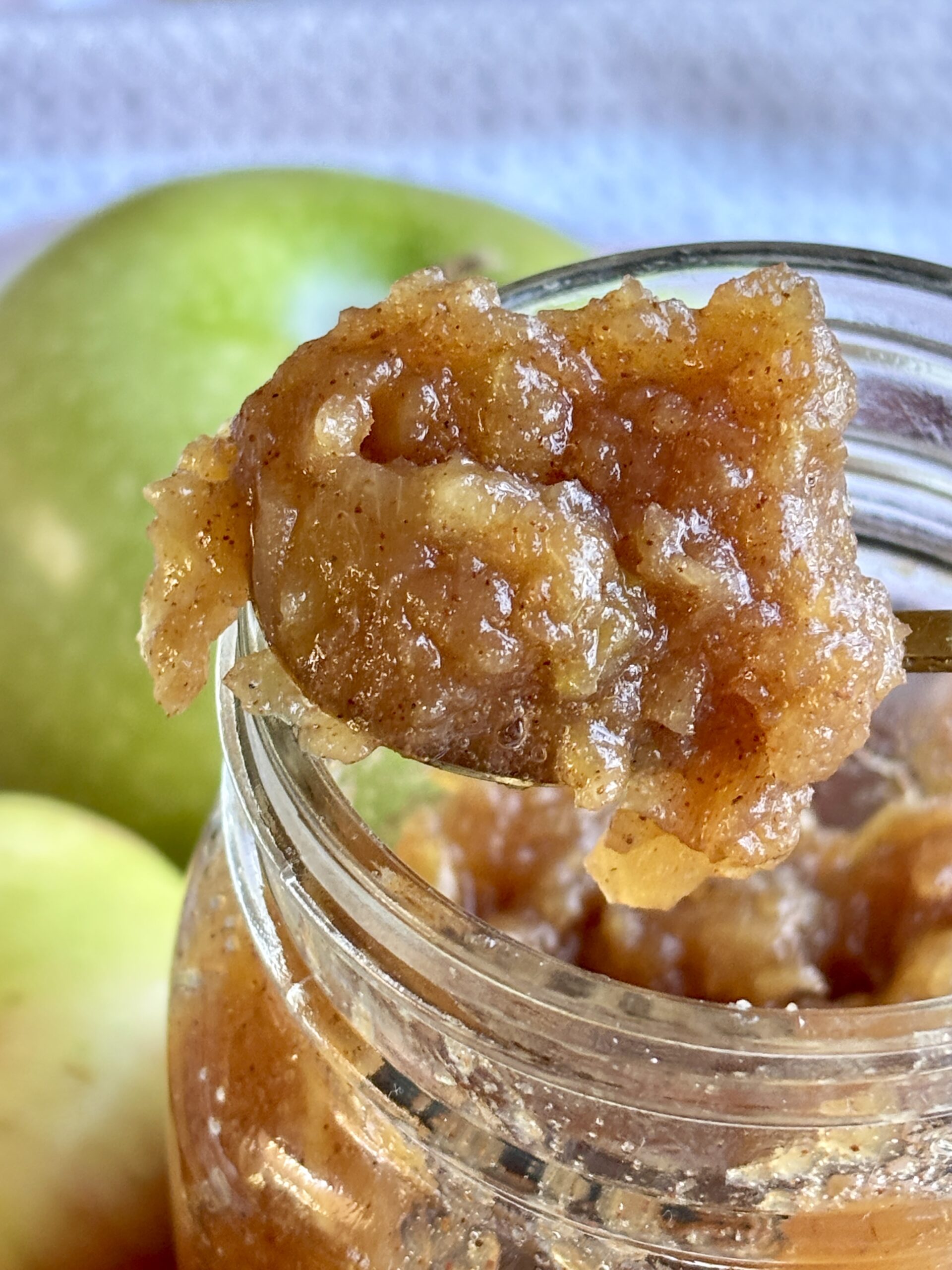
There’s just something about homemade apple pie this time of year, and this Apple Pie Jam has all those flavors I love, without having to make an entire pie!
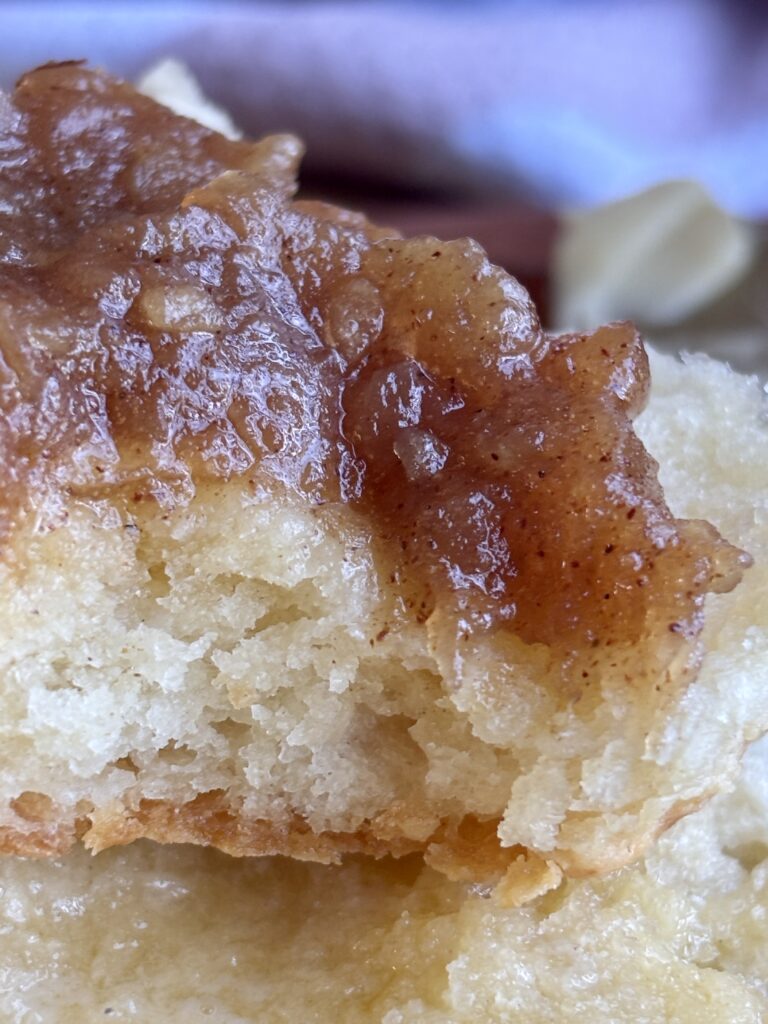
Made with tart Granny Smith apples, brown sugar, cinnamon, and vanilla, it’s thick, perfectly spreadable, and filled with tender little pieces of apple. And the best part is that it only takes about 20 minutes to make!
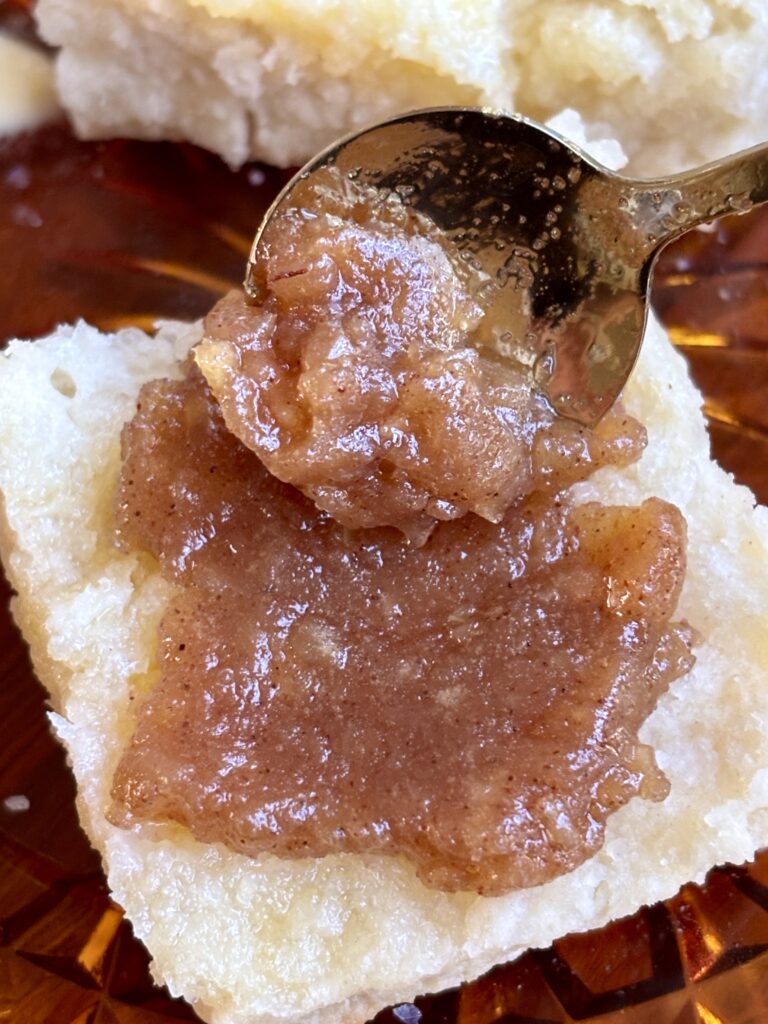
I love spreading it over warm biscuits, spooning it onto pancakes or French toast, swirling it into oatmeal, or pairing it with creamy Brie on a fall cheese board. It’s also SO good over vanilla ice cream. Especially in my No Churn Apple Pie Ice Cream!
No added pectin or special equipment needed, just a simple, small-batch apple jam that’s full of warm cinnamon and sweet apple flavor. And trust me, you’ll find plenty of ways to use it!
Like making your own jams and spreads? Try these: Spiced Pear Jam, Sweet Berry Jam, Maple Bacon Jam, Homemade Strawberry Jam, Homemade Apple Butter
Why you’ll love this recipe!
What’s the Difference Between Apple Jam and Apple Butter?
Although homemade apple jam and apple butter use many of the same ingredients, they differ in texture, cooking method, and overall flavor.
Both start with apples that cook down with sugar and spices, but the finished products are quite different.
| Apple Pie Jam | Apple Butter |
|---|---|
| Thick, spreadable texture with tender apple pieces | Smooth, uniform consistency |
| Shorter cooking time | Typically cooks for several hours |
| Bright, fresh apple flavor | Deep, concentrated apple flavor |
| Partially blended to retain some chunks | Pureed until smooth |
| Tastes similar to spiced apple pie filling | Often has a richer, more caramelized flavor |
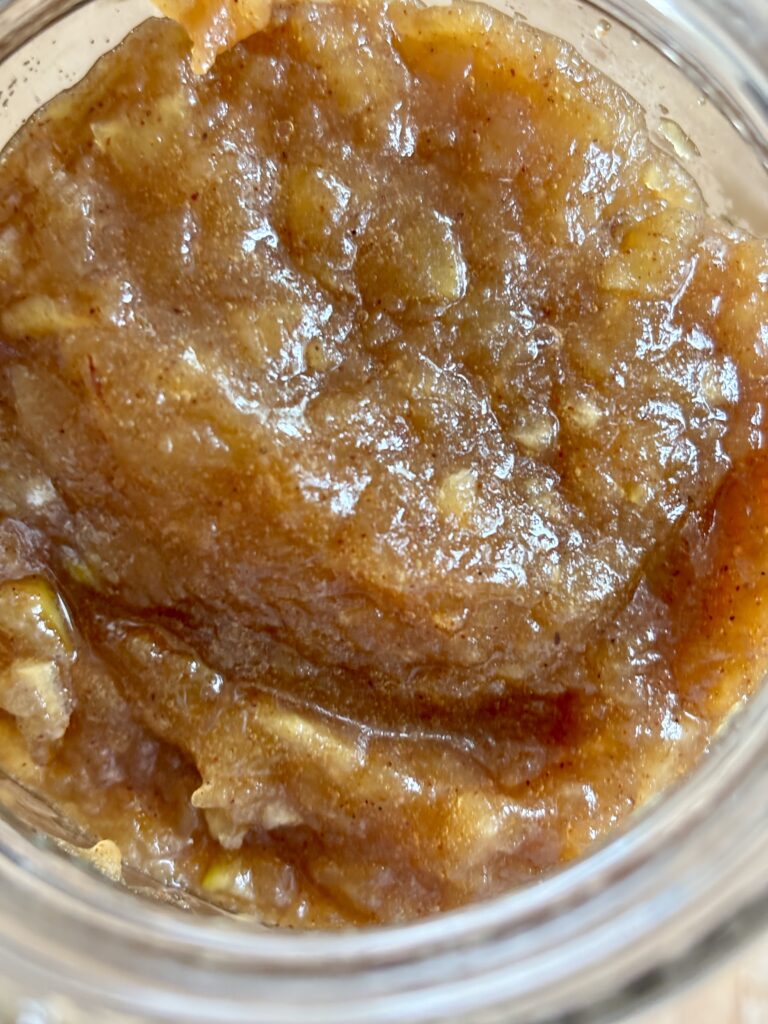
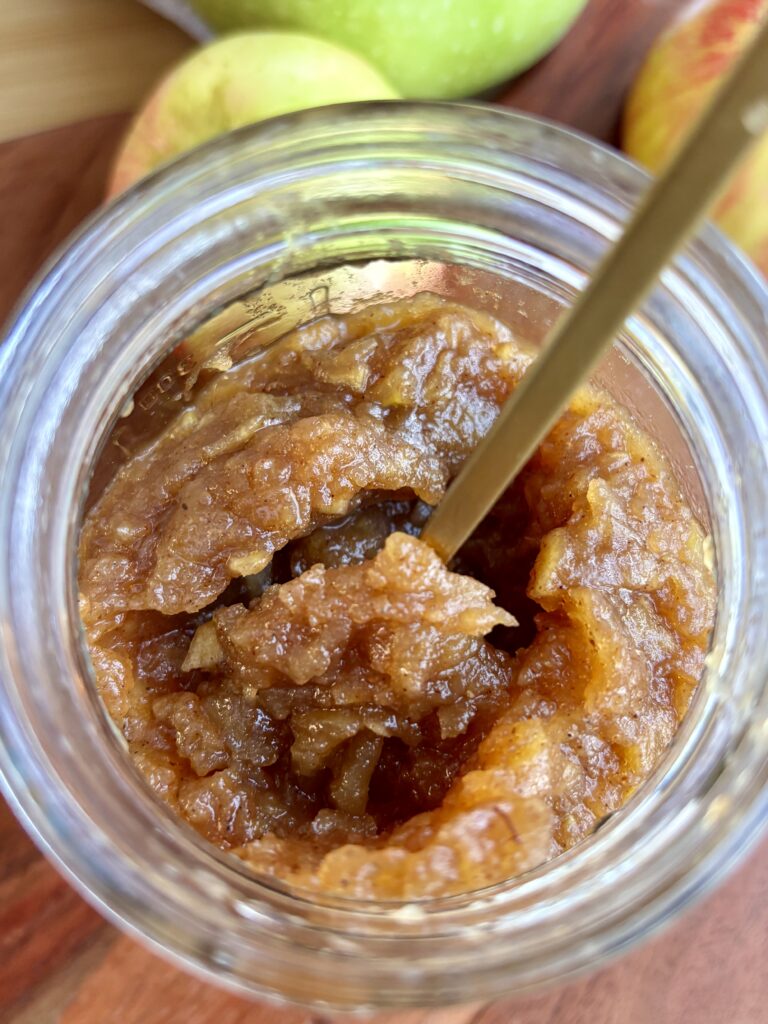
Homemade apple jam has a brighter apple flavor and a thicker, slightly chunky consistency. Because the apples cook for a relatively short amount of time, they retain more of their fresh, tart flavor. Partially blending the mixture creates a smooth base while leaving tender apple pieces throughout.
Apple butter, on the other hand, typically cooks much longer. During that extended cooking time, the apples break down completely, excess moisture evaporates, and the flavors become deeper and more concentrated. The finished spread is smooth, thick, and often darker in color.
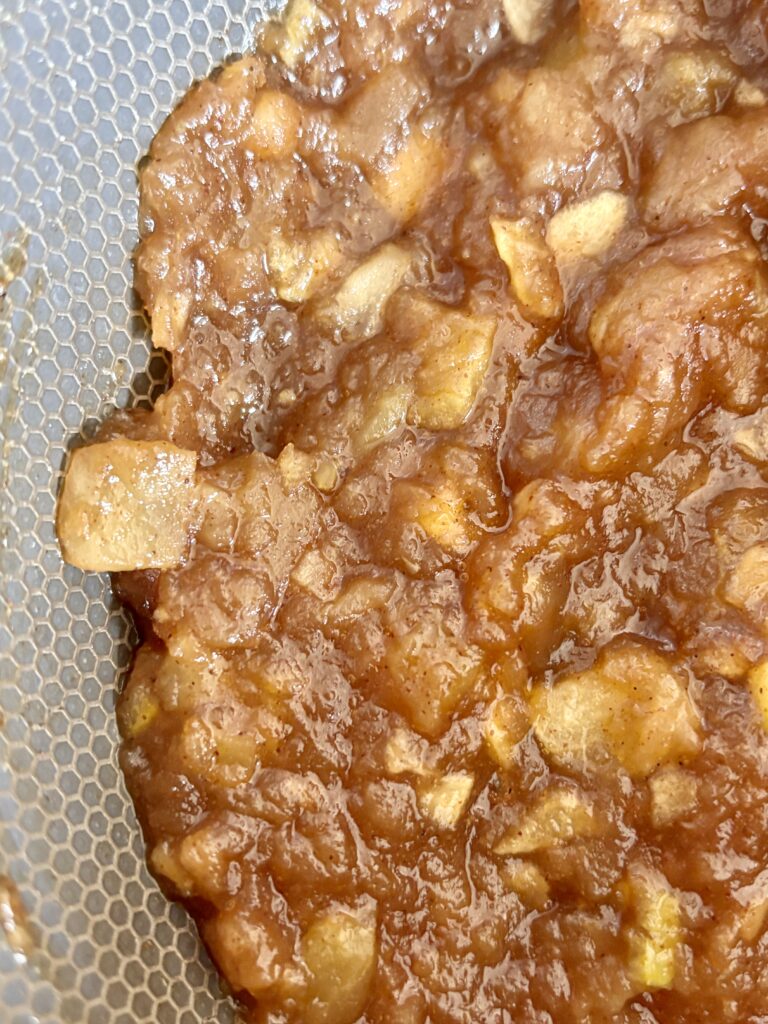
This Apple Pie Jam falls somewhere between traditional fruit jam and homemade apple pie filling. It’s thick enough to spread on toast or biscuits but still has those little pieces of cinnamon-spiced apple that make it taste like homemade pie.
If you love the flavor of apple butter, but prefer something with more texture and a shorter cooking time then this easy apple jam is a delicious alternative.
What ingredients do I need?
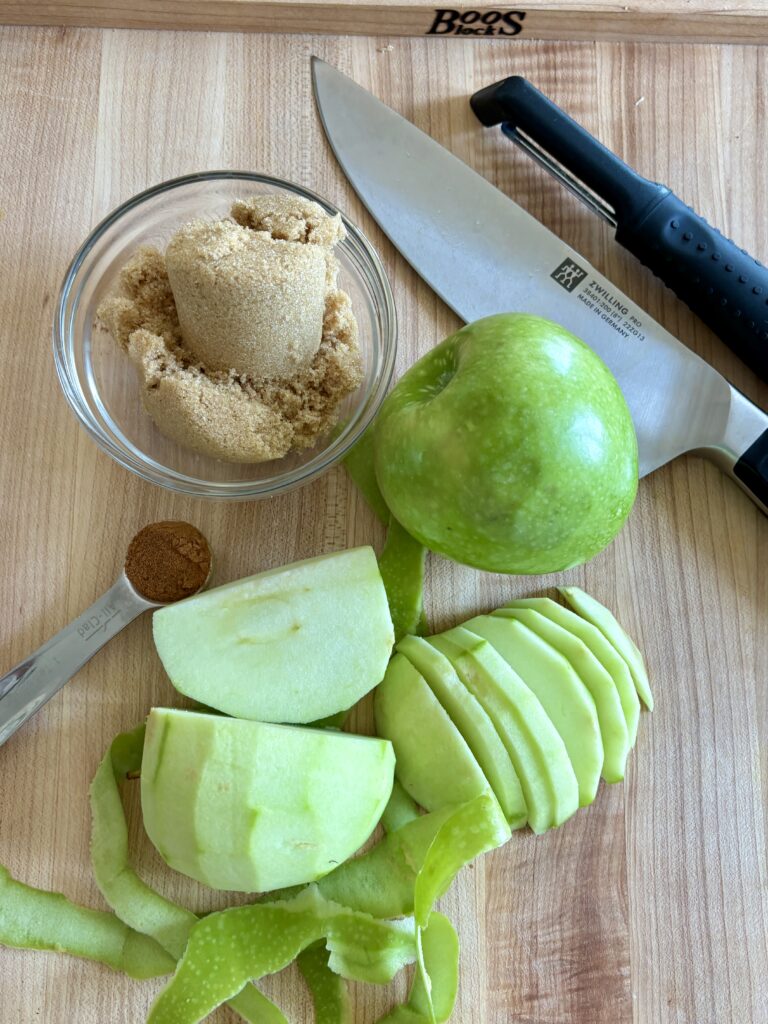
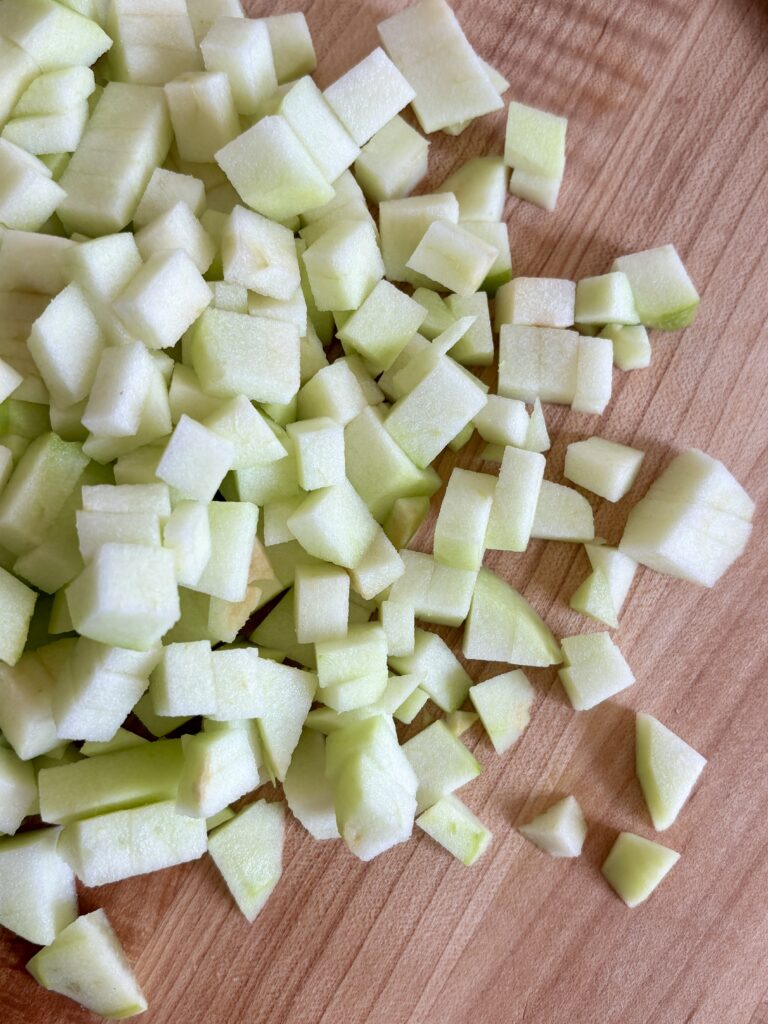
- Granny Smith Apples: These tart, firm apples are my favorite choice for homemade apple pie jam. Their bright flavor balances the sweetness of the brown sugar, while their texture holds up beautifully during cooking. Peeling and finely dicing the apples helps them soften quickly and creates those tender little apple pieces throughout the finished jam.
- Light Brown Sugar: Brown sugar adds sweetness while bringing a subtle caramel and molasses flavor that pairs beautifully with the apples. It also helps create that rich, apple-pie-inspired flavor as the fruit cooks down.
- Ground Cinnamon: Cinnamon gives this jam its signature warm, cozy flavor. It complements the natural sweetness of the apples without overpowering their tartness.
- Kosher Salt: Just a pinch helps balance the sweetness and enhances the flavors of the apples, cinnamon, and brown sugar.
- Fresh Lemon Juice: A little fresh lemon juice brightens the flavor and balances the sweetness. It also adds acidity, which complements the natural pectin in the apples. The amount in this recipe is for flavor, not for making the jam safe for shelf-stable canning.
- Vanilla Bean Paste: Vanilla adds warmth and rounds out the apple and cinnamon flavors. I especially love using vanilla bean paste for its rich flavor, but pure vanilla extract works just as well.
Ways to Use Homemade Apple Pie Jam
One of my favorite things about this recipe is how versatile it is. Of course, it’s delicious spread over warm toast (or just straight off a spoon), but there are so many other ways to enjoy it.
For Breakfast and Brunch
- Spread over warm homemade biscuits, English muffins, or buttered toast.
- Spoon onto pancakes, waffles, or French toast.
- Swirl into warm oatmeal or overnight oats.
- Add to Greek yogurt with crunchy granola.
- Spread onto croissants or toasted brioche.
- Use as a topping for homemade coffee cake muffins.
For Desserts and Baking
- Spoon over vanilla bean ice cream.
- Use as a filling for puff pastry turnovers or hand pies.
- Layer into cakes or cupcakes.
- Swirl into cheesecake batter.
- Spoon over pound cake or vanilla cake.
- Use as a filling or topping for muffins and quick breads.
For Savory Pairings
- Serve with creamy Brie, Camembert, or sharp cheddar.
- Spoon over baked Brie with toasted pecans.
- Add to a fall-inspired cheese board.
- Spread inside a grilled cheese sandwich.
- Serve alongside roasted pork or chicken.
Recipe Variations
- Maple Apple Jam: Replace 2 tablespoons of brown sugar with 2 tablespoons of pure maple syrup. Stir the maple syrup in toward the end of cooking for a subtle maple flavor.
- Extra-Spiced Apple Pie Jam: Replace ¼ teaspoon of cinnamon with ¼ teaspoon of apple pie spice. This adds a little more complexity from spices like nutmeg, allspice, and cloves.
- Ginger Apple Jam: Add ¼ teaspoon of ground ginger with the cinnamon for a subtle warmth and a slightly brighter spice flavor.
- Bourbon Apple Jam: Add 1 tablespoon of bourbon toward the end of cooking and simmer briefly. This adds a warm, slightly oaky flavor. A brief simmer does not guarantee that all the alcohol evaporates.
- Caramel Apple Jam: Stir 2 tablespoons of homemade salted caramel sauce into the finished jam for a richer, sweeter caramel apple flavor.
- Chunky Cinnamon Apple Jam: Skip the immersion blender and gently mash some of the softened apples with a fork or potato masher. The finished jam will have a more rustic, chunky consistency.
- Smooth Apple Jam: Blend the entire mixture until smooth for a softer, more uniform spread.
Pro Tips
- Choose firm, tart apples. Granny Smith apples provide a wonderful balance of tartness and sweetness. They also hold their shape well enough to leave tender little apple pieces throughout the jam.
- Dice the apples into small, even pieces. Finely diced apples cook more evenly and soften more quickly. Aim for pieces approximately ¼ inch in size so they break down easily without requiring a long cooking time.
- Keep the heat at medium-low. Brown sugar can scorch if the heat gets too high, especially before the apples release their juices. Gentle heat allows the apples to soften while the sugar dissolves.
- Cover the saucepan during the initial cooking time. Covering the pan traps steam, helping the apples soften and release moisture without requiring additional liquid.
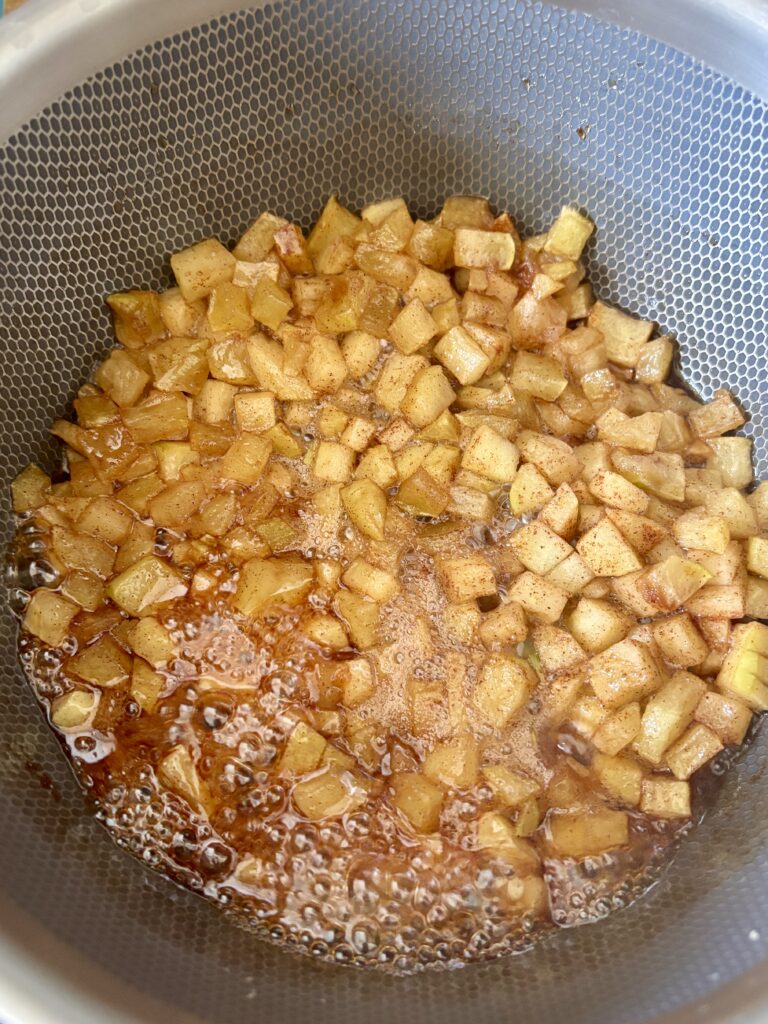
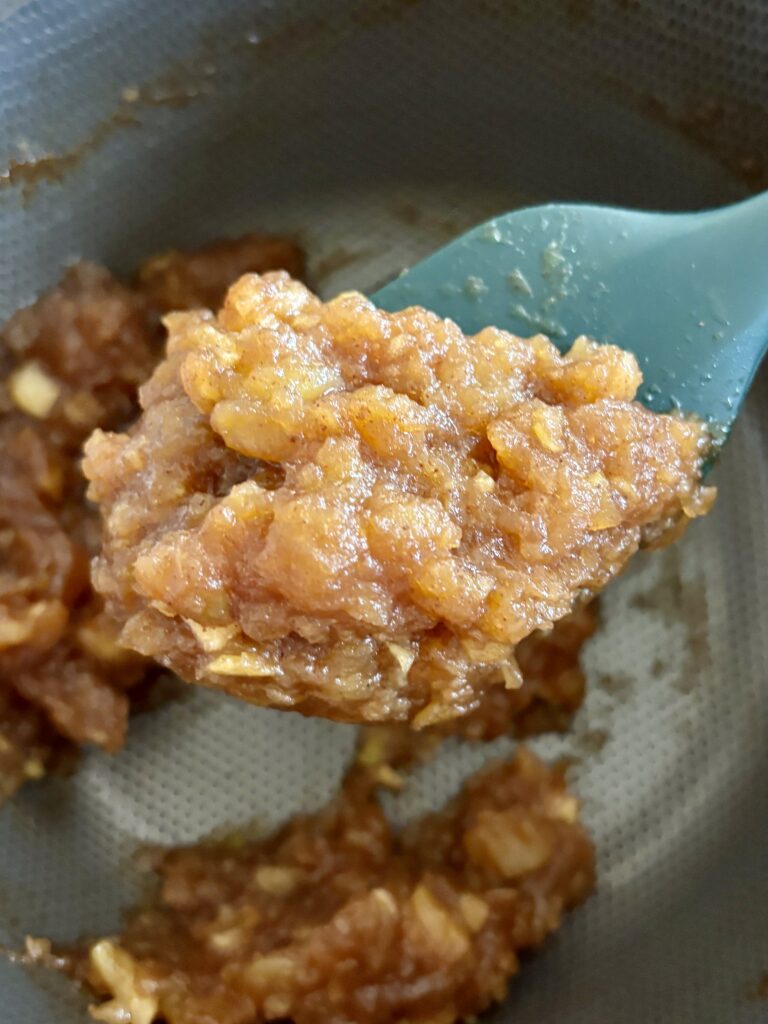
- Don’t discard the apple juices. The liquid released by the apples combines with the brown sugar and cinnamon to create the base of the jam. As the mixture cooks uncovered, some of that moisture evaporates and the mixture thickens.
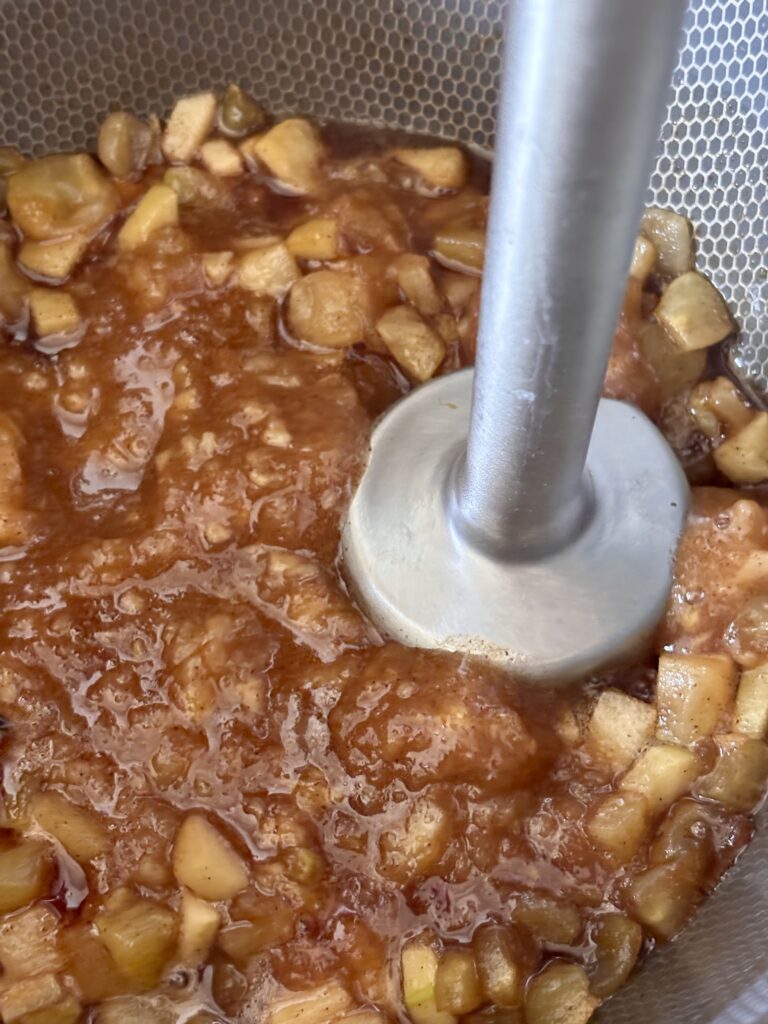
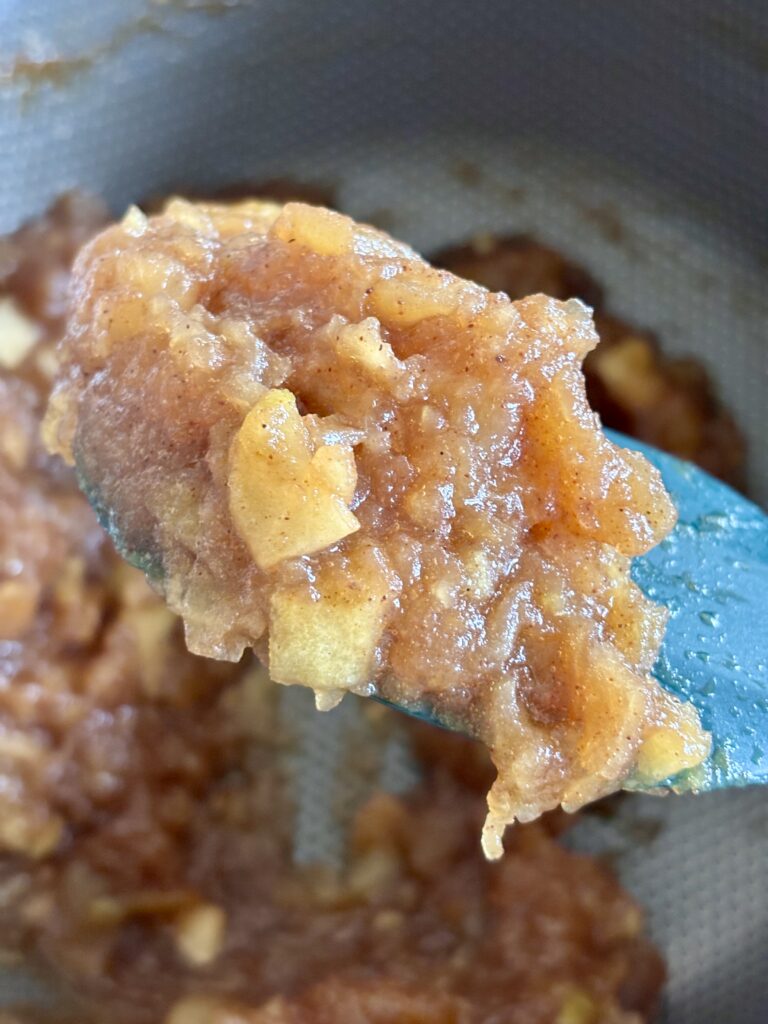
- Blend only part of the mixture. Pureeing approximately half of the apples creates a thick, spreadable base while preserving the little pieces of apple that give this jam its signature texture.
- Be cautious when blending hot fruit. Keep the immersion blender head fully submerged to avoid splattering. If using a countertop blender instead, allow the mixture to cool somewhat and follow the manufacturer’s instructions for blending hot ingredients.
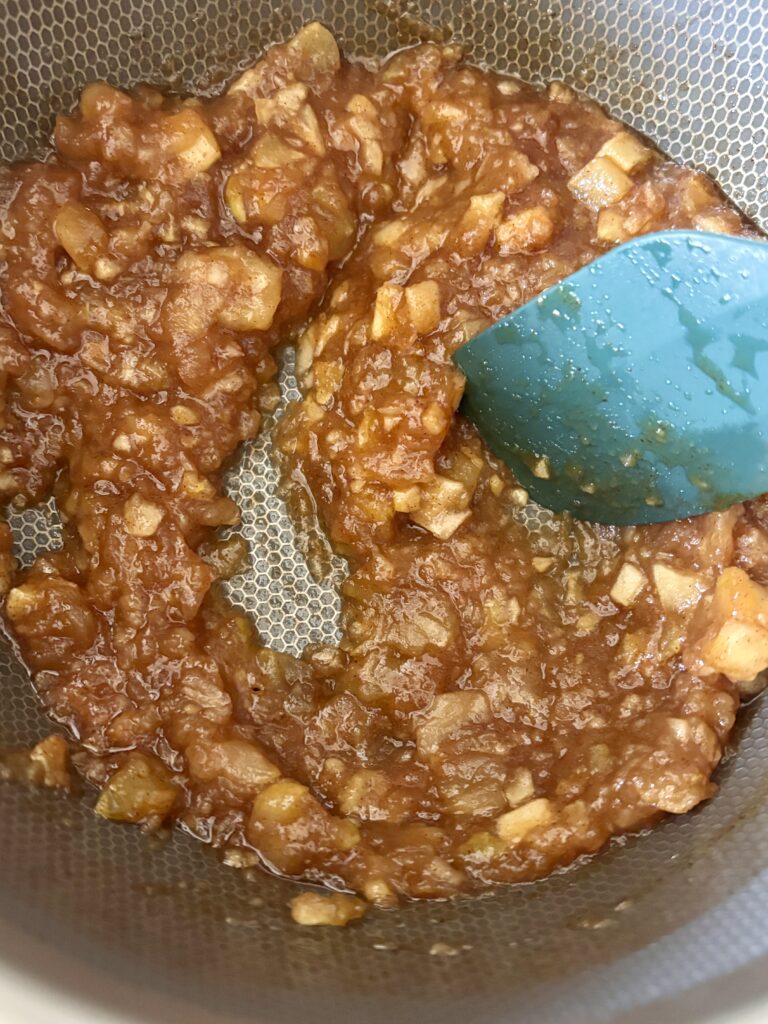
- Cook uncovered to control the consistency. Once the apples have softened, removing the lid allows excess moisture to evaporate. Stir frequently to prevent sticking.
- Don’t judge the final consistency while the jam is hot. The mixture will thicken as it cools. Remove it from the heat when it’s slightly looser than your desired final consistency.
- Add the vanilla at the end. Stirring in the vanilla bean paste after removing the saucepan from the heat helps preserve its flavor and aroma.
- Taste and adjust the sweetness. Apples vary in tartness, even within the same variety. If the finished jam tastes too tart, stir in another tablespoon of brown sugar and cook briefly until dissolved.
- Let the jam cool before transferring it to storage. Cooling allows the texture to develop and helps you determine whether the jam has reached your preferred consistency. Refrigerate promptly in a clean, airtight container.
Can I Substitute?
Yes! Like always though, any substitutions made to the recipe can result in a change in texture and/or flavor.
- Granny Smith Apples: Honeycrisp, Pink Lady, Braeburn, or another firm apple can replace Granny Smith apples. Keep in mind that sweeter varieties will produce a sweeter jam, and softer apples may break down more quickly.
- Light Brown Sugar: Substitute an equal amount of dark brown sugar for a deeper molasses flavor. Granulated sugar can also work, although the finished jam won’t have quite the same caramel-like richness.
- Ground Cinnamon: Apple pie spice makes a delicious substitute. Start with a slightly smaller amount since spice blends often contain additional warming spices like nutmeg, allspice, and cloves.
- Kosher Salt: Fine sea salt works well. Because salt brands and crystal sizes vary, start with a small pinch and adjust to taste.
- Fresh Lemon Juice: Bottled lemon juice can work if fresh isn’t available, although I prefer the brightness of fresh lemon juice.
- Vanilla Bean Paste: Substitute an equal amount of pure vanilla extract.
Dietary Substitutions
- Gluten-Free: This homemade apple jam is naturally gluten-free when prepared with gluten-free ingredients. Check packaged ingredient labels if you’re serving someone with celiac disease or gluten sensitivity.
- Dairy-Free: The recipe contains no dairy ingredients, making it an easy dairy-free spread.
- Vegan: All of the standard ingredients are plant-based. Choose vegan-friendly sugar if that is important for your dietary preferences.
- Nut-Free: This recipe contains no nuts. If preparing it for someone with a nut allergy, check ingredient labels for potential cross-contact.
- Lower Sugar: You can experiment with reducing the brown sugar, but the sweetness, moisture, yield, and final consistency may change. Because this variation hasn’t been tested, I recommend starting with a small reduction and adjusting the cooking time as needed. Continue treating it as a refrigerated jam.
Leftovers and Storage
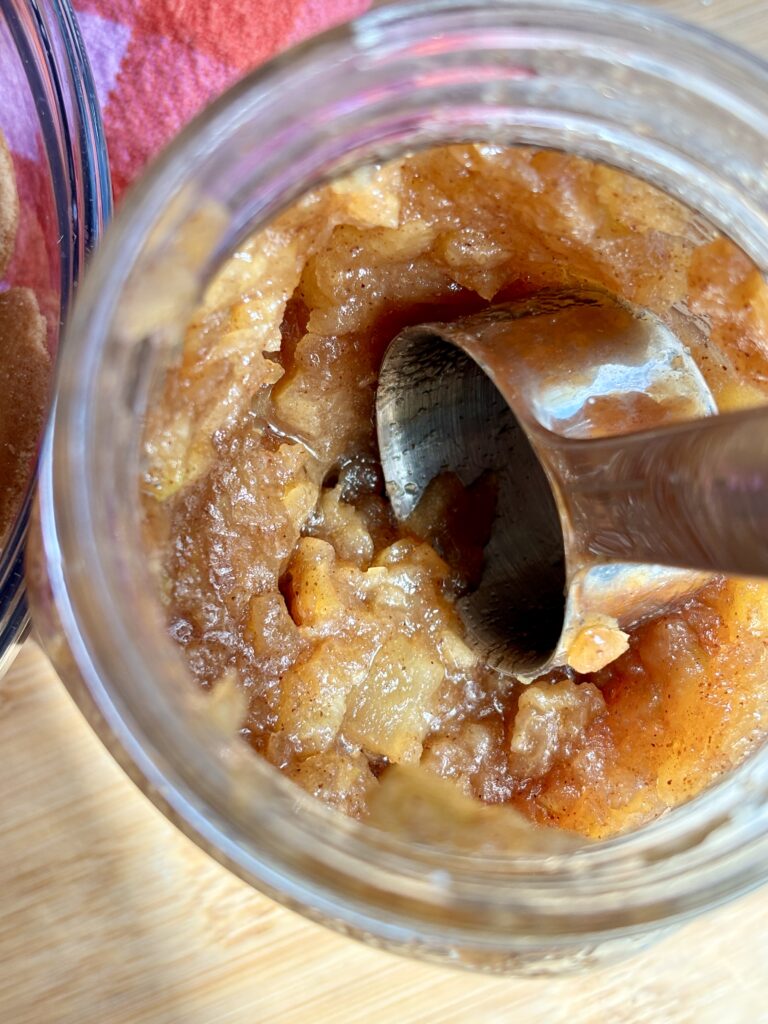
- Refrigerator: Allow the jam to cool, then transfer it to a clean, airtight glass jar or food-safe container. Refrigerate promptly rather than leaving it at room temperature for an extended period. Store in the refrigerator for up to 1 week.
- Always use a clean spoon when serving to help prevent contamination.
- Freezer: Homemade Apple Pie Jam can also be frozen for longer storage. Just allow the jam to cool before transferring it to a freezer-safe container or jar, leaving a little space at the top for expansion. Freeze for up to 3 months for best quality.
- Thaw overnight in the refrigerator before serving. The consistency may become slightly softer after freezing and thawing, but a good stir should help bring everything back together.
- Reheating Apple Jam: This jam tastes delicious chilled, at room temperature for serving, or gently warmed. If it becomes too firm after refrigeration, let the portion you plan to serve sit out for 10–15 minutes or warm it briefly in the microwave in a microwave-safe dish. For larger portions, warm gently in a saucepan over low heat, stirring frequently.
- Making Apple Jam Ahead of Time
- This is a great make-ahead recipe because the jam thickens as it cools and the cinnamon and vanilla flavors have time to come together.
- Prepare it a day ahead and refrigerate until ready to serve. It’s especially convenient when you’re planning a weekend brunch, holiday breakfast, or fall cheese board.
- Important Food Safety Note: This recipe has not been tested for shelf-stable canning. Do not store sealed jars at room temperature or attempt to preserve this recipe using a water-bath canning method. Use a scientifically tested canning recipe if you want shelf-stable apple preserves.
Troubleshooting
Even though this recipe is simple, a few things can affect the finished texture. Here’s how to fix some of the most common issues.
Jam Is Too Thin: If the apple jam looks watery or doesn’t hold together, it may need a little more cooking time. Different apple varieties contain different amounts of moisture, so the exact cooking time can vary. Return the jam to the saucepan and cook uncovered over medium-low heat for another 2–3 minutes, stirring frequently. Allow a small spoonful to cool before checking the consistency again. Remember that the jam thickens as it cools, so avoid cooking it until it’s extremely thick while still hot.
Jam Is Too Thick: If the jam becomes overly thick or difficult to spread, it may have cooked a little too long. Stir in 1–2 teaspoons of water or apple cider and gently warm the mixture over low heat. Add additional liquid a teaspoon at a time until the jam reaches your preferred consistency.
Apple Pieces Are Still Too Firm: If the apples haven’t softened after the initial cooking time, they may have been diced too large or may simply need a little longer to cook. Cover the saucepan and continue cooking over medium-low heat for another 2–3 minutes, stirring occasionally. If the mixture looks dry, add a small splash of water to prevent sticking.
Jam Is Too Smooth: Blending too much of the mixture can create a consistency closer to apple butter or applesauce. For the next batch, blend a smaller portion of the apples. You can also use a potato masher instead of an immersion blender for more control over the texture.
Jam Is Too Sweet: The natural sweetness of apples can vary, and using a sweeter apple variety may make the finished jam sweeter than expected. A small additional squeeze of fresh lemon juice can help balance the sweetness. Add it gradually and taste as you go.
Jam Tastes Too Tart: Granny Smith apples can be particularly tart. If the jam needs a little more sweetness, stir in 1 tablespoon of brown sugar and cook briefly until dissolved.
Jam Is Sticking to the Pan: The sugar may be cooking too quickly, or the apples may not have released enough moisture. Reduce the heat and stir more frequently. If necessary, add a teaspoon or two of water to loosen the mixture. If the sugar has already scorched, transferring the unburned portion to a clean saucepan may help prevent further burning, although a noticeable burnt flavor generally cannot be corrected.
Jam Looks Different After Refrigeration: Homemade apple jam may become firmer after chilling, and a little moisture separation can occasionally occur. Give the jam a good stir before serving. If it’s too thick, allow it to soften slightly or gently warm the portion you plan to use.
But, I Still Have A Few Questions…
What is Apple Pie Jam?
Apple Pie Jam is a sweet, cinnamon-spiced apple spread made by cooking diced apples with sugar and warm spices until tender. Part of the mixture is blended to create a thick, jammy consistency while leaving small apple pieces throughout. It tastes similar to homemade apple pie filling but has a more spreadable texture.
What are the best apples for homemade apple jam?
Granny Smith apples are my favorite because their tartness balances the brown sugar beautifully. Their firm texture also allows some of the apple pieces to remain intact during cooking. Honeycrisp, Pink Lady, and Braeburn are other good options.
Can I use different apple varieties together?
Absolutely! Combining tart and sweet apples can create a more complex flavor. Try using one Granny Smith apple and one Honeycrisp or Pink Lady apple for a balance of tartness and natural sweetness.
Can I use sweeter apples instead of Granny Smith?
Yes. Sweeter varieties will work, although you may want to reduce the brown sugar slightly. Keep in mind that changing the sugar may also affect the finished consistency.
Do I need to peel the apples?
I recommend peeling the apples for the smoothest texture. Apple peels can remain slightly chewy, especially with such a short cooking time. However, leaving the peels on will create a more rustic jam.
How small should I dice the apples?
Aim for approximately ¼-inch pieces. Small, evenly diced apples soften quickly and create a better balance of smooth jam and tender chunks.
Does homemade apple jam need pectin?
No added pectin is necessary for this recipe. Apples naturally contain pectin, and partially blending the softened fruit helps create a thick, spreadable consistency. This is a quick refrigerator jam rather than a traditional shelf-stable preserve.
Why do you blend only half of the apple mixture?
Blending part of the mixture creates a thick base that holds the remaining apple pieces together. This gives the jam its signature texture, somewhere between traditional fruit jam and apple pie filling.
Can I make this apple jam without an immersion blender?
Yes! Use a potato masher or fork to mash some of the softened apples. The texture may be slightly more rustic, but it will still be delicious. You can also carefully transfer part of the mixture to a blender.
Can I blend all the apples?
Absolutely. Blending the entire mixture will create a smoother spread similar in texture to applesauce or a quick apple butter. However, I prefer leaving some tender apple pieces for that homemade apple pie texture.
Can I leave the apples completely chunky?
Yes, although the mixture may be less spreadable. Mashing or blending at least some of the apples helps create the thicker base that gives this recipe its jam-like consistency.
What is the difference between apple jam and apple butter?
Apple jam generally has a brighter apple flavor and may contain pieces of fruit, while apple butter is typically cooked for a much longer time until smooth, dark, and concentrated. This recipe has a shorter cooking time and retains small pieces of tender apple.
Is apple jam the same as apple pie filling?
Not quite. Traditional apple pie filling usually contains larger apple slices and often uses a starch-based thickener. This jam has smaller apple pieces and a thicker, spreadable consistency, making it better suited for toast, biscuits, pastries, and toppings.
Why is my apple jam too thin?
The apples may have released more moisture than expected, or the mixture may need additional cooking time. Simmer uncovered for a few more minutes, stirring frequently. Remember that the jam will continue to thicken as it cools.
How do I know when the apple jam is finished cooking?
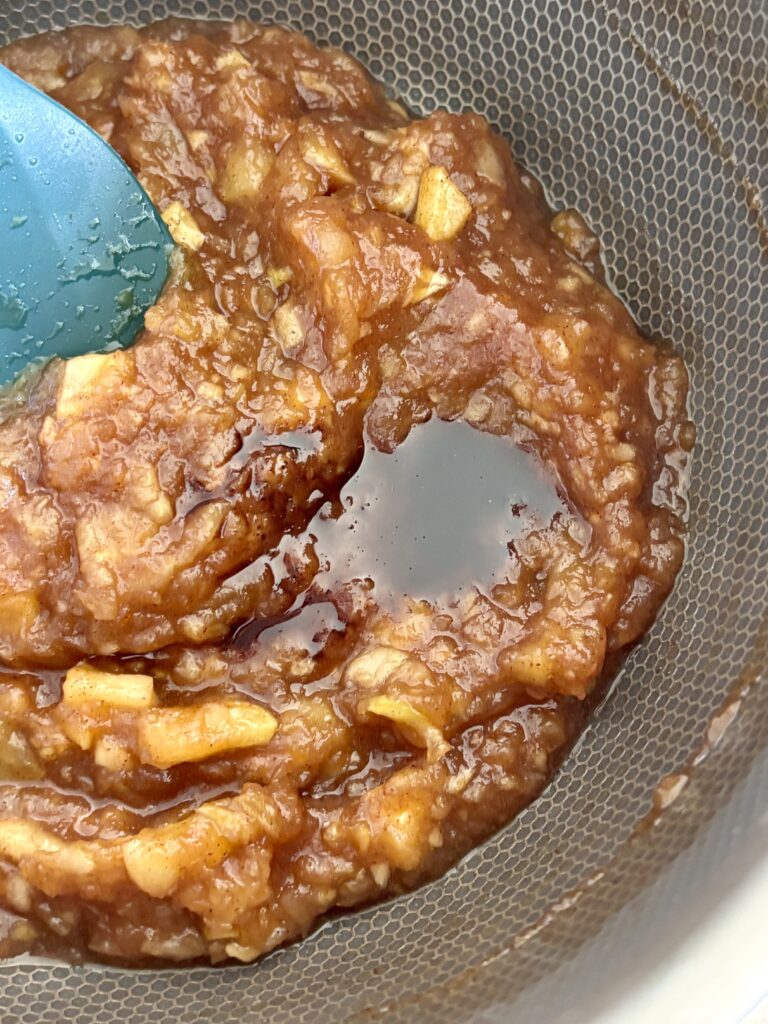
The apples should be tender, and the mixture should look thick and spoonable rather than watery. When you drag a spoon across the bottom of the saucepan, the mixture should briefly separate before coming back together. The jam will become firmer as it cools.
Why did my apple jam become too thick?
The mixture may have cooked a little too long, allowing too much moisture to evaporate. Stir in a teaspoon or two of water or apple cider and gently warm until the consistency loosens.
Can I make this jam less sweet?
You can experiment with reducing the brown sugar, but doing so may change the consistency and yield. The reduced-sugar variation hasn’t been tested, so start with a small adjustment and cook to your desired thickness.
Can I use maple syrup instead of brown sugar?
You can replace a portion of the brown sugar with maple syrup for a subtle maple flavor. Replacing all of the sugar may change the moisture content and final consistency, so I recommend starting with a partial substitution.
Can I use apple pie spice instead of cinnamon?
Yes! Replace some or all of the cinnamon with apple pie spice. Because apple pie spice usually contains nutmeg, allspice, or cloves, start with a smaller amount and adjust to taste.
Can I make apple jam without lemon juice?
You can omit it, but I recommend keeping it. The lemon juice adds brightness and helps balance the sweetness of the brown sugar. The lemon juice in this recipe is not sufficient to establish shelf-stable canning safety.
Can I double this apple jam recipe?
Yes. You can double the ingredients to make a larger batch. Use a wider saucepan if possible, and expect the cooking time to increase because there will be more moisture to evaporate. The finished jam still needs refrigeration or freezing.
Can I make apple jam in advance?
Absolutely! This recipe is perfect for making ahead. Prepare it a day before serving and refrigerate it in an airtight container. The jam will thicken as it cools, and the flavors will have time to come together.
How long does homemade apple jam last?
For this recipe, I recommend storing it in the refrigerator for up to 1 week in a clean, airtight container. Discard it if you notice mold, unusual odors, fermentation, or other signs of spoilage.
Does apple jam need to be refrigerated?
Yes. This is a refrigerator jam and has not been processed using a tested shelf-stable preservation method. Keep it refrigerated when you’re not serving it.
Can I freeze homemade apple jam?
You can! Freeze the cooled jam in a freezer-safe container for up to 3 months for best quality. Thaw overnight in the refrigerator and stir before serving.
Can I can this homemade apple jam?
I don’t recommend canning this particular recipe because it hasn’t been developed or tested for shelf-stable preservation. Safe canning depends on factors such as acidity, ingredient ratios, jar size, and processing time. For shelf-stable apple jam, use a scientifically tested, canning specific recipe.
Can I use apple jam as a filling for pastries?
Please do! Its thick texture makes it a delicious addition to puff pastry turnovers, hand pies, and other baked treats. Avoid overfilling pastries, and keep in mind that the jam may loosen slightly as it heats.
Can I use this as a filling for cakes or cupcakes?
Absolutely. The cinnamon-spiced apple flavor pairs beautifully with vanilla cake, spice cake, and cream cheese frosting. Make sure the jam has cooled completely before using it as a filling.
Can I use apple jam in cheesecake?
Yes! You can swirl small spoonfuls into cheesecake batter before baking or use the jam as a topping after the cheesecake has chilled. It pairs especially well with vanilla and cinnamon cheesecakes.
What cheese pairs well with Apple Pie Jam?
Creamy Brie, Camembert, sharp white cheddar, and goat cheese are all delicious options. The sweetness of the jam balances salty, tangy, and creamy cheeses beautifully.
What can I serve with homemade apple jam?
Try it with warm biscuits, toast, pancakes, waffles, French toast, oatmeal, croissants, baked Brie, or vanilla ice cream. It’s also delicious with roasted pork, grilled cheese sandwiches, and fall-inspired cheese boards.
Other Recipes You’ll Love
Let’s engage!
Make sure to tag @thehomechefmomma on Instagram or Facebook, and leave a review or comment if you make these. I always get so excited to see your creations, variations of the recipe, and feedback! Just remember to be kind in your comments, there is still a person behind this screen! 🙂
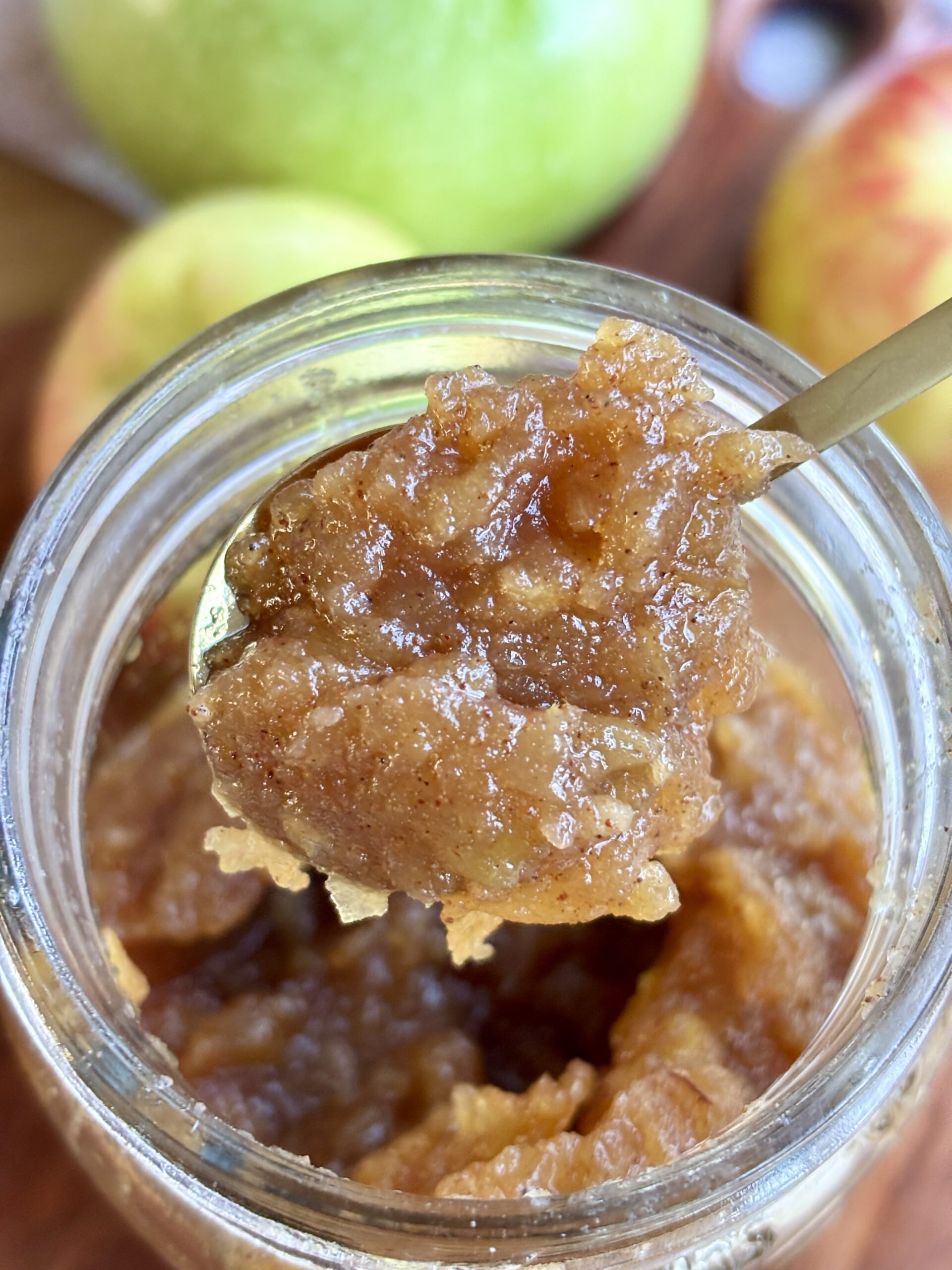
Homemade Apple Pie Jam
Ingredients
- 2 large Granny Smith apples peeled, cored, and finely diced
- ½ cup packed light brown sugar
- 1¼ teaspoons ground cinnamon
- Pinch of kosher salt
- 1½ teaspoons fresh lemon juice
- 1 teaspoon vanilla bean paste or pure vanilla extract
Instructions
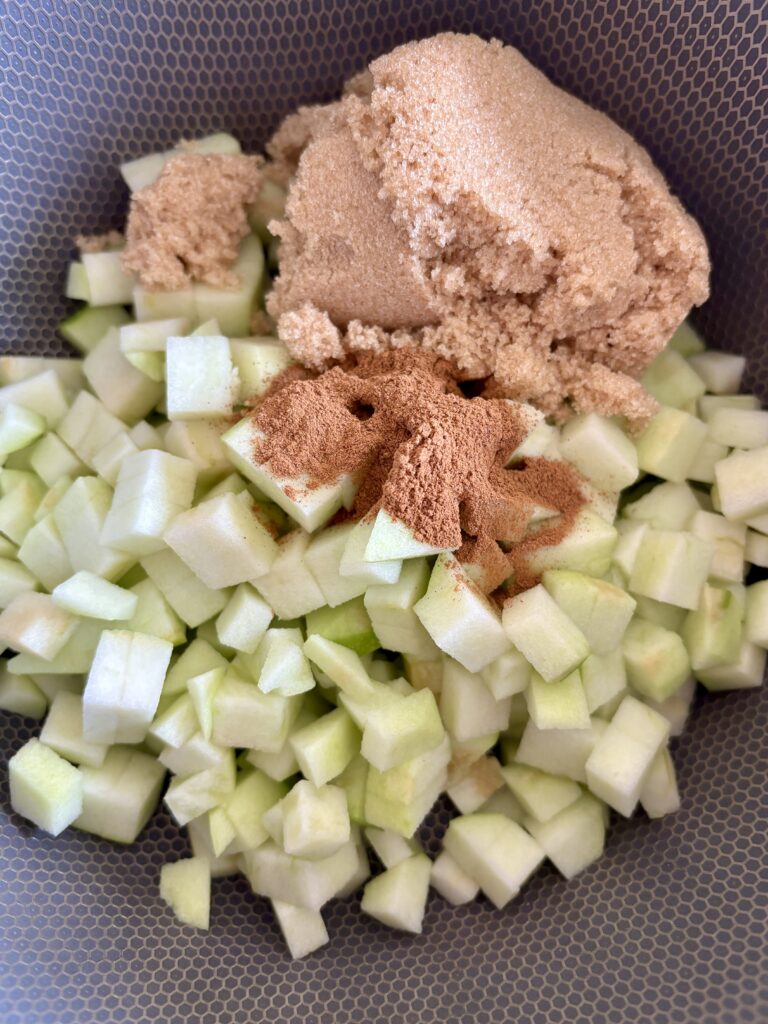
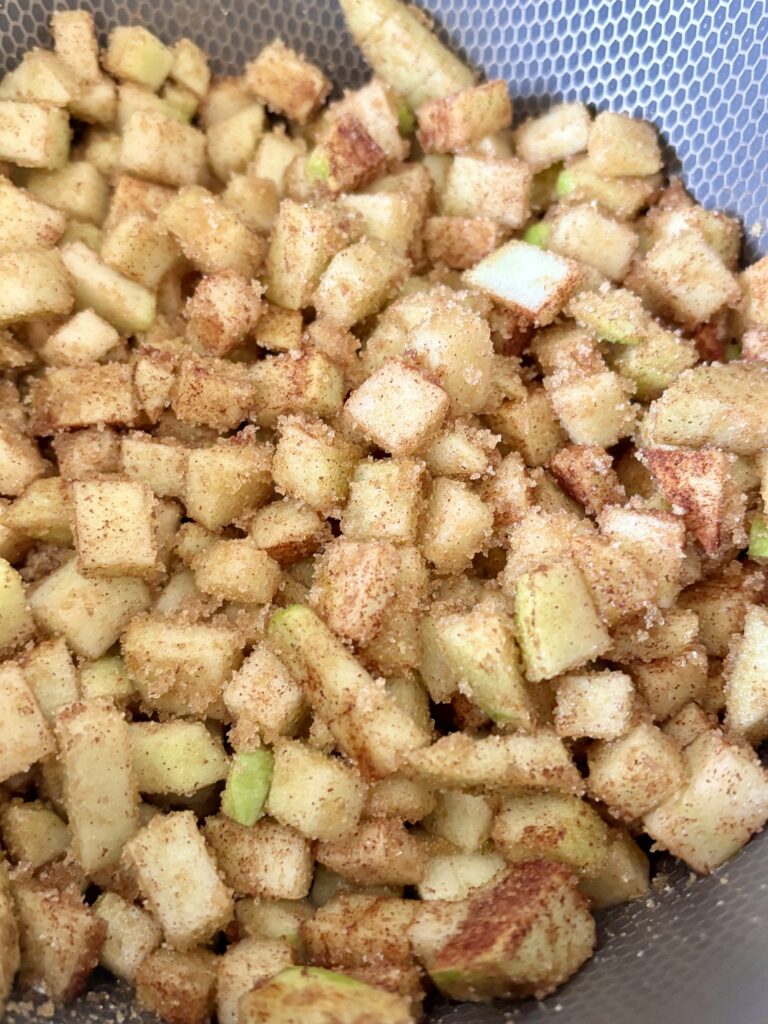
- Add the finely diced apples, brown sugar, cinnamon, and kosher salt to a medium saucepan. Cook over medium-low heat, stirring to combine. Cover and cook for 6–8 minutes, stirring once or twice, until the apples have softened and released some of their juices.
- Remove the lid and stir well. Using an immersion blender, carefully puree approximately half of the apple mixture, leaving plenty of small, tender apple pieces intact. The mixture should have a thick, spoonable texture with a combination of smooth jam and soft apple chunks.
- Stir in the fresh lemon juice and continue cooking uncovered over medium-low heat for another 2–4 minutes, stirring frequently, until the mixture thickens to a jam-like consistency. The jam should look thick and spreadable but still slightly looser than your desired final consistency, as it will continue thickening as it cools.
- Remove the saucepan from the heat and stir in the vanilla bean paste or vanilla extract until evenly combined.
- Allow the jam to cool before serving. As it cools, it will continue to thicken. Serve over warm biscuits, toast, pancakes, waffles, French toast, or your favorite baked goods. Transfer leftovers to a clean, airtight container and refrigerate promptly.
Notes
-
Apples: Granny Smith apples provide the best balance of tartness and sweetness, but other firm varieties will work.
-
Texture: Blend only about half of the apples for the perfect balance of smooth jam and tender apple pieces.
-
Consistency: The jam will continue thickening as it cools. Avoid overcooking it.
-
Sweetness: If needed, add another tablespoon of brown sugar to balance particularly tart apples.
-
Storage: Refrigerate in an airtight container for up to 1 week or freeze for up to 3 months for best quality.
-
Canning: This recipe is intended for refrigerator or freezer storage only and has not been tested for shelf-stable canning.
-
Yield: Approximately 1½ cups, although the exact amount may vary depending on apple size and moisture content.
Homemade Apple Jam | Apple Pie Jam | homemade apple pie jam | easy apple jam recipe | apple jam without pectin | small batch apple jam | cinnamon apple jam | Granny Smith apple jam | homemade apple preserves | refrigerator apple jam | apple jam recipe | brown sugar apple jam | apple pie spread | homemade fall jam | apple jam for biscuits | apple jam for toast | quick apple jam recipe | how to make apple jam | apple jam vs apple butter

Nutritional Content Disclaimer
I choose not to include nutritional information with my recipes, as these values can be calculated from the ingredients provided. With my background as a pediatric nurse practitioner and my own family experience with disordered eating, I understand how focusing on numbers can affect our relationship with food. My philosophy is that all foods have a place—sweet, savory, nourishing, or indulgent. I aim to share recipes that support a healthy, joyful approach to eating. My hope is that this space also encourages a balanced, healthy relationship with food for you and your family too.