
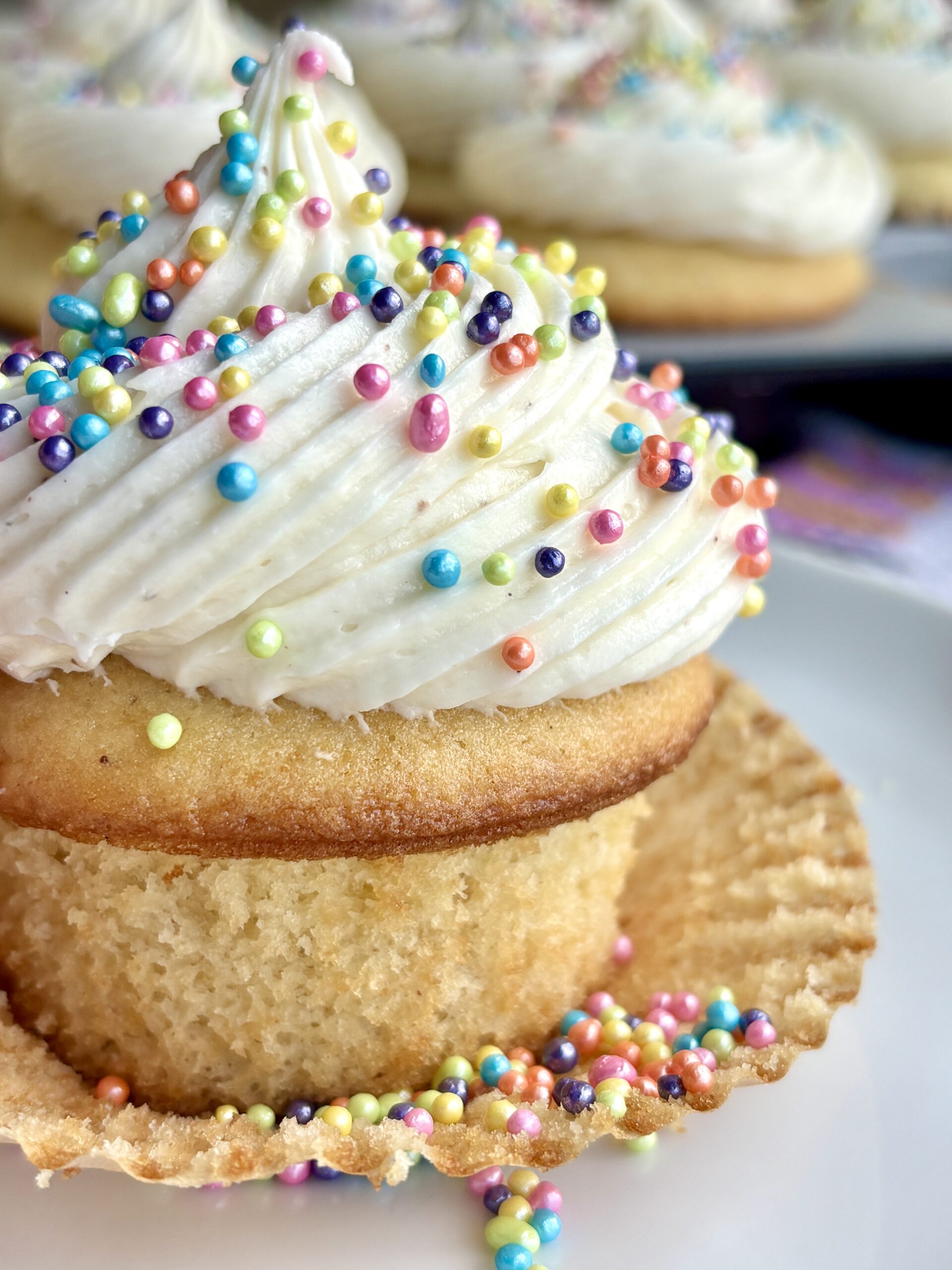
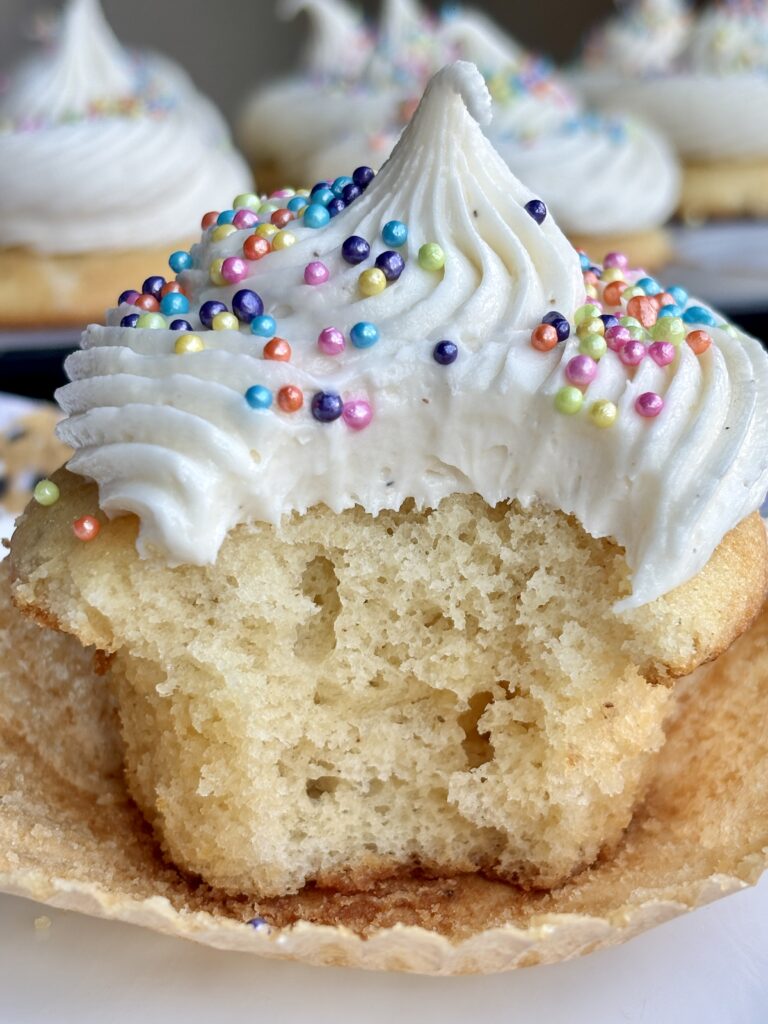
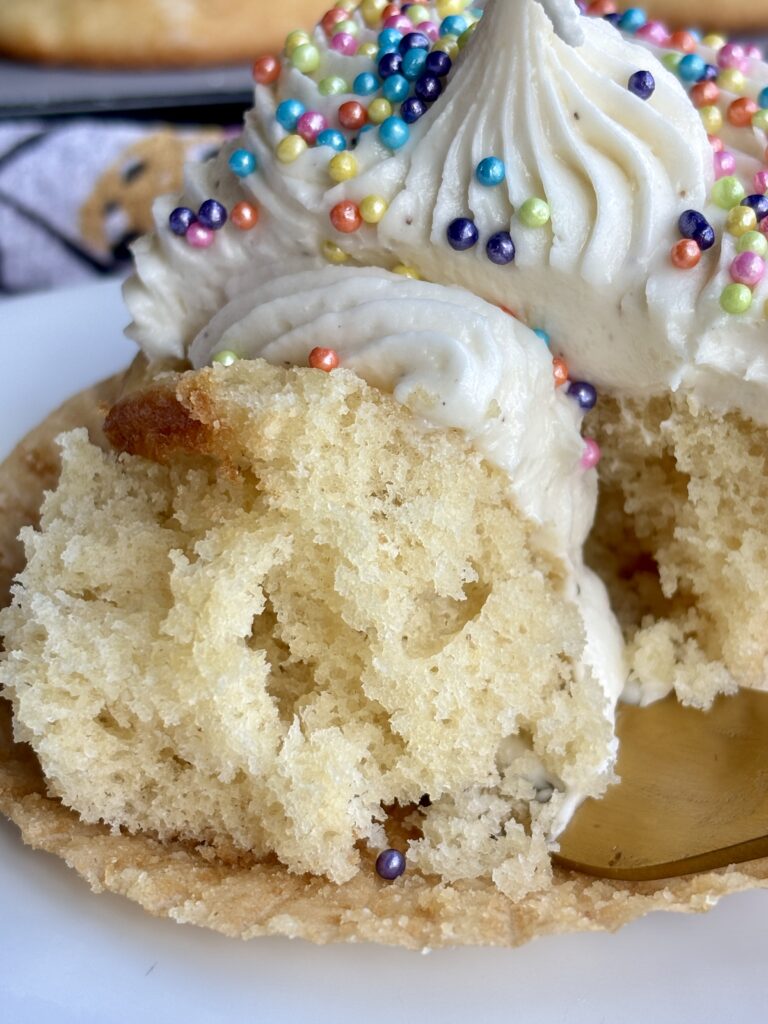
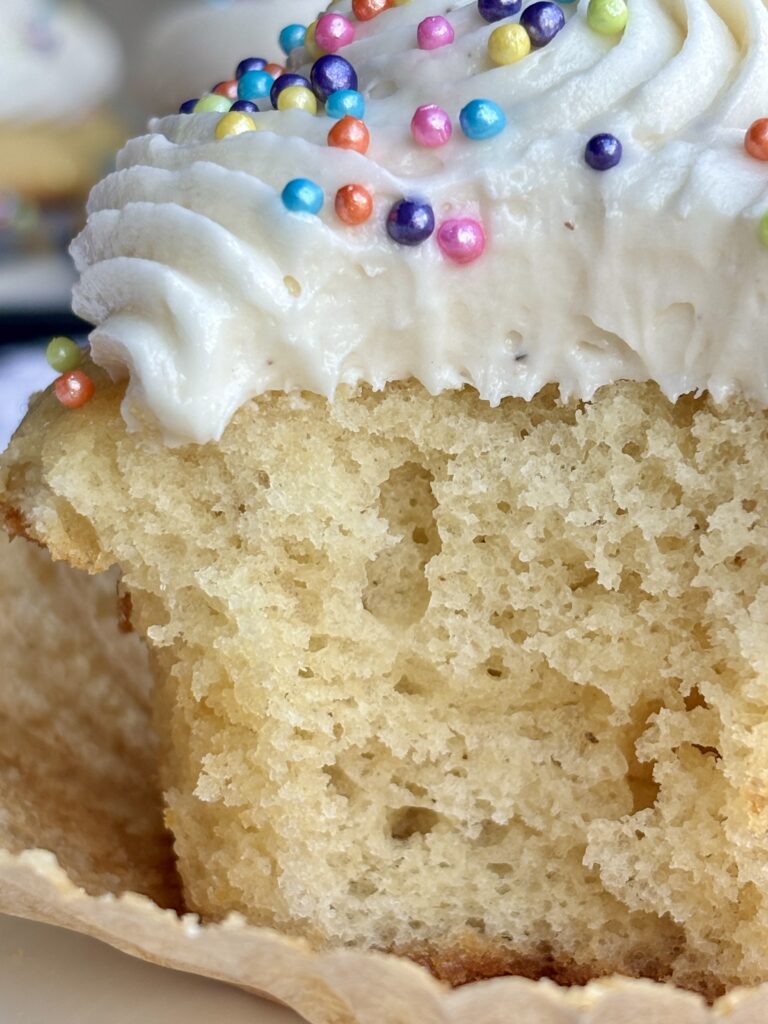
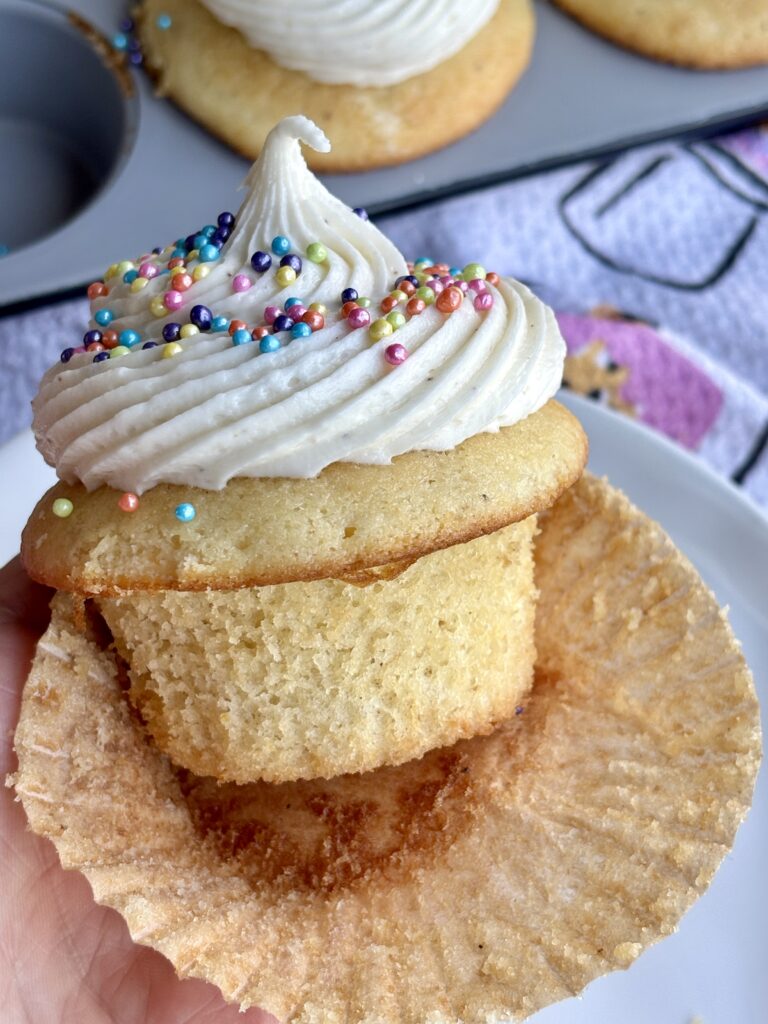
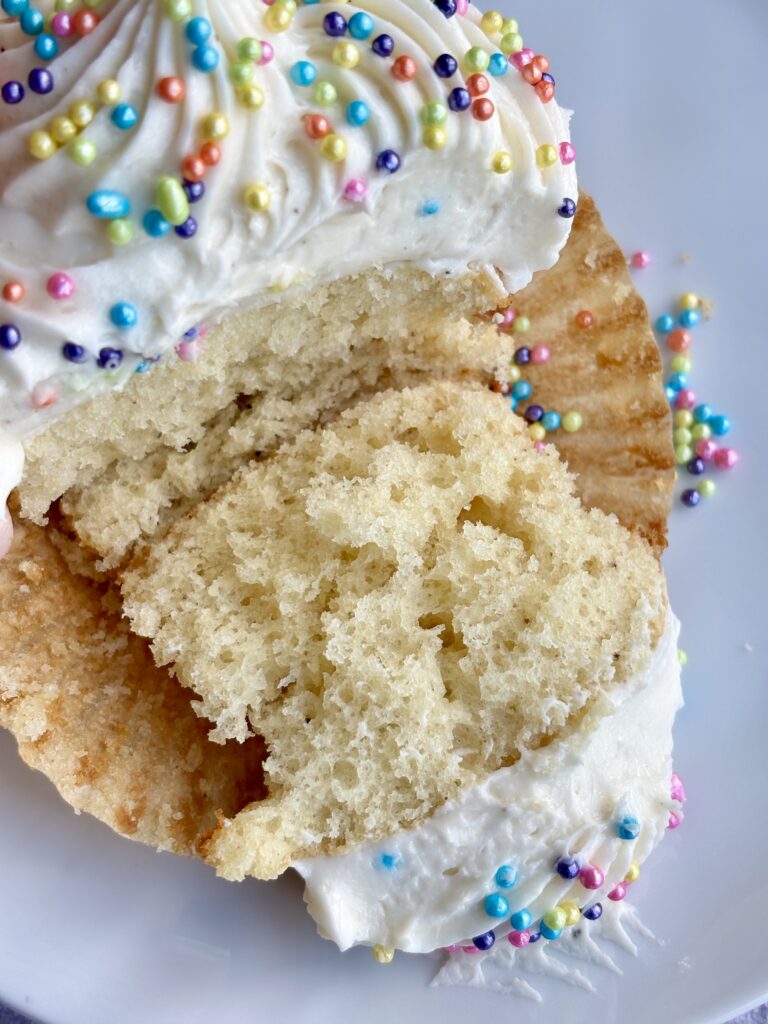
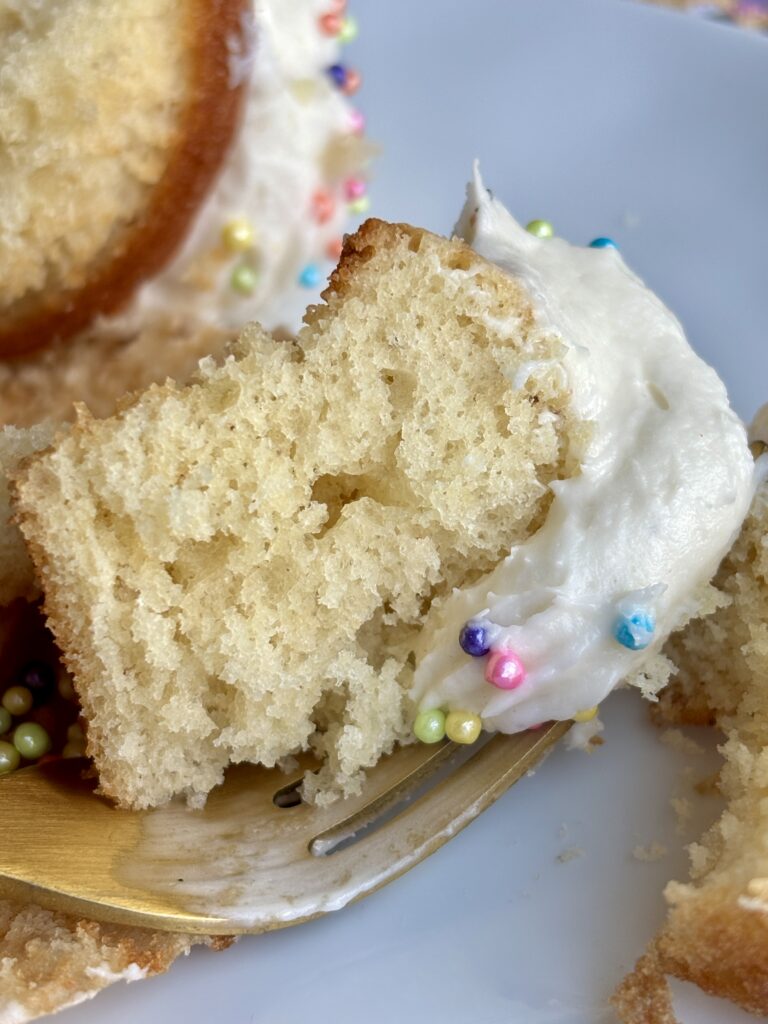
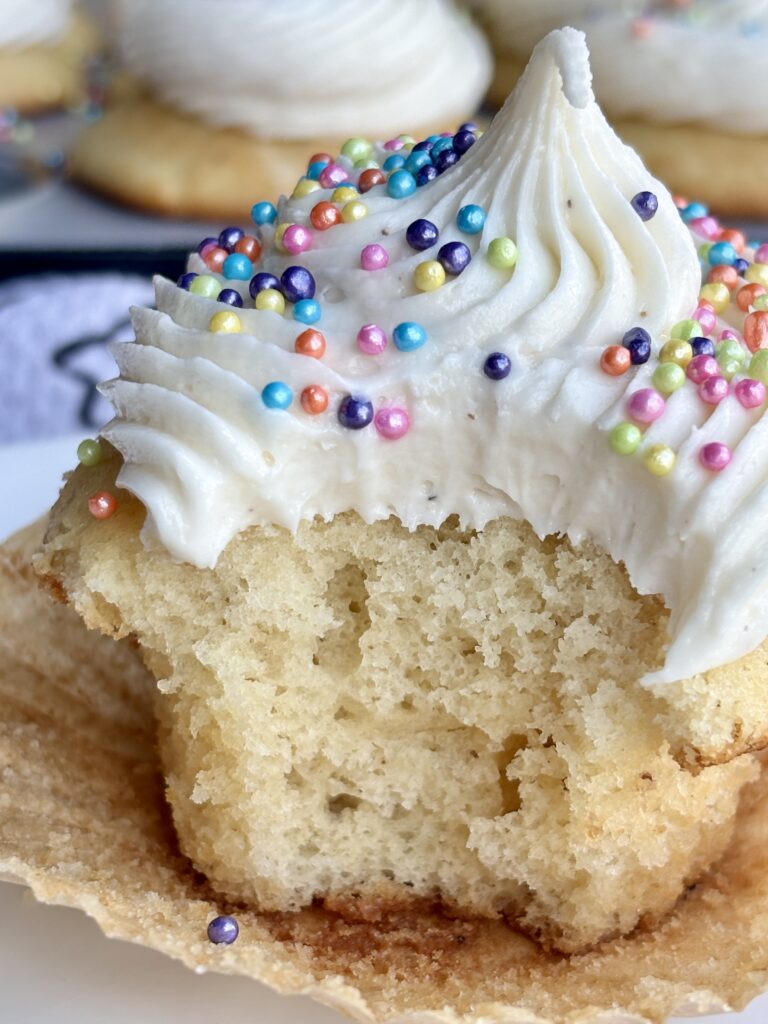
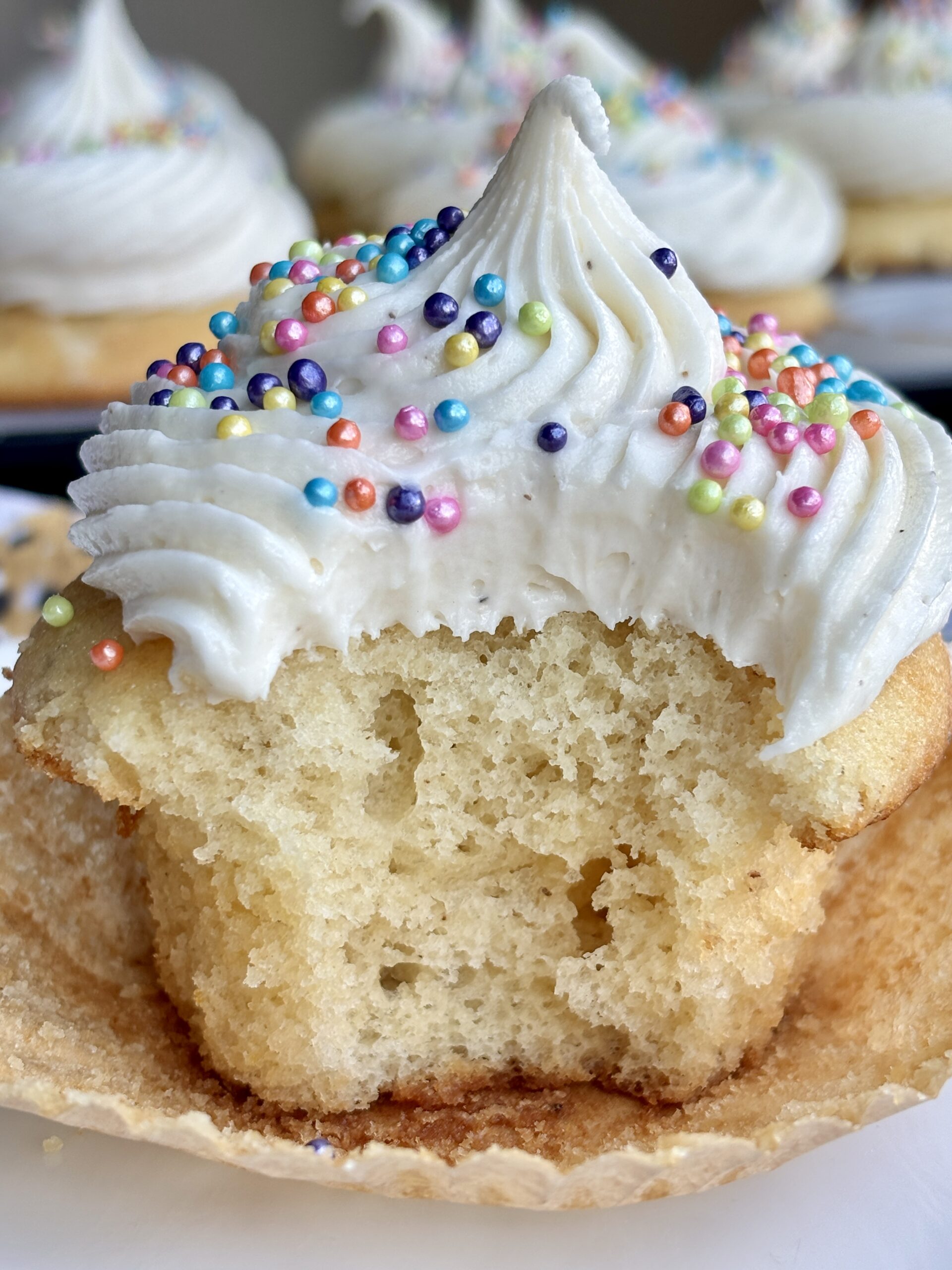
These soft and fluffy Classic Vanilla Cupcakes are everything a classic homemade vanilla cupcake should be: light, tender, moist, fluffy, and packed with rich vanilla flavor. If you’ve been looking for a reliable vanilla cupcake recipe that tastes bakery-worthy but is easy enough to make at home, this is it.
The secret to these cupcakes is the combination of butter and oil. The butter gives them that rich, classic flavor you expect from a homemade vanilla cupcake, while the oil helps keep the crumb incredibly soft and moist. Cake flour gives the cupcakes their delicate, fine texture, while sour cream adds richness and moisture without making them heavy. The result is a cupcake that is fluffy and tender with just enough structure to hold a generous swirl of frosting.
These are my go-to vanilla cupcakes for birthdays, holidays, bake sales, and pretty much any time I need a classic cupcake that I know everyone will love. They’re delicious with a simple vanilla buttercream, but if you really want to make them special, pair them with my Marshmallow Buttercream Frosting. That combination is one of my absolute favorites. The soft vanilla cupcake with the sweet, fluffy marshmallow frosting is basically the perfect cupcake and my husband would agree. Marshmallow frosting is his absolute favorite and is requested at every birthday!
Whether you’re making cupcakes for a birthday party or turning this recipe into a vanilla cake, this is the kind of classic recipe you’ll want to keep in your recipe box.
Why you’ll love this recipe!
What Makes These Vanilla Cupcakes So Soft?
- There are a few important ingredients working together in this recipe to create that amazingly soft, fluffy texture.
- Cake flour: Cake flour has less protein than all-purpose flour, which helps create a more delicate crumb and keeps the cupcakes from becoming dense or chewy.
- Butter and oil: Butter gives the cupcakes rich flavor, while oil helps keep the crumb soft and moist. Using both gives you the best of both worlds.
- Sour cream: Sour cream adds richness and moisture while contributing to a tender crumb.
- Whole milk: Whole milk adds moisture and richness while helping create a smooth, tender batter.
- Proper mixing: Creaming the butter, oil, and sugar until light and fluffy helps build structure, while avoiding overmixing once the flour is added keeps the cupcakes tender.
What ingredients do I need?
- Cake Flour: Cake flour is my first choice for these cupcakes because it creates the softest, most delicate crumb. It’s worth seeking out if you want that classic bakery-style texture.
- Baking Powder: Baking powder provides most of the lift in these cupcakes and helps create their fluffy texture.
- Baking Soda: A small amount of baking soda works with the acidity from the sour cream and helps contribute to the cupcakes’ rise and texture.
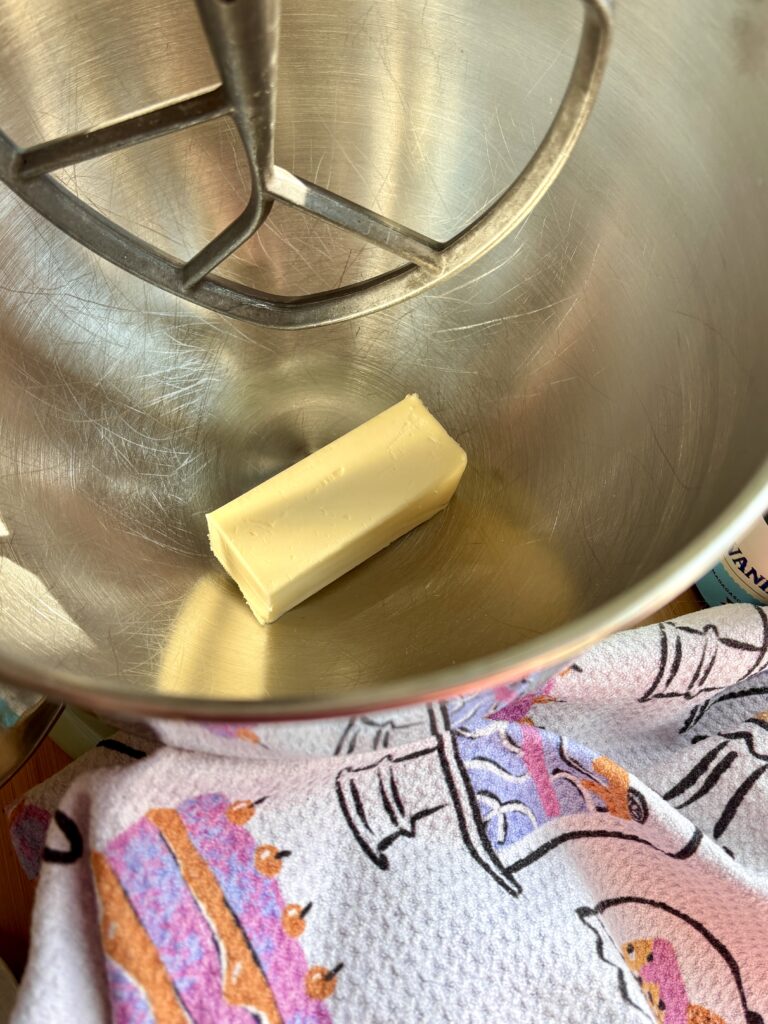
- Unsalted Butter: Use softened butter for the best results. It should be soft enough to cream easily but not melted or greasy.
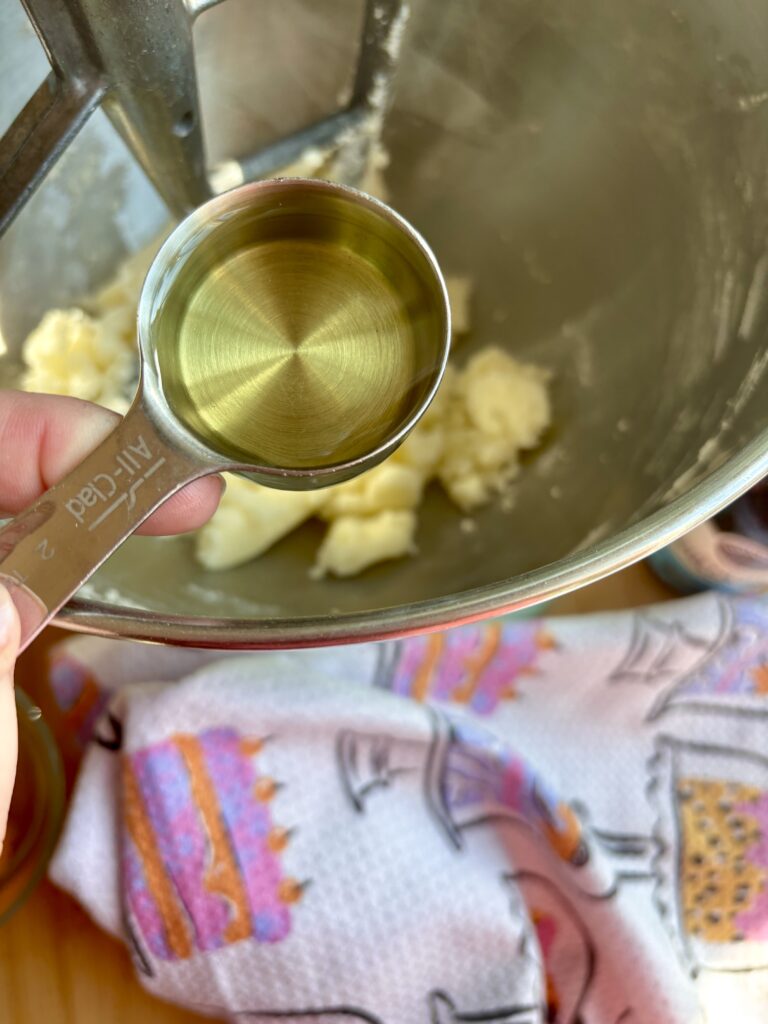
- Canola Oil: The oil helps keep these cupcakes soft and moist. Because canola oil has a neutral flavor, it doesn’t compete with the vanilla.
- Granulated Sugar: Sugar sweetens the cupcakes while also contributing to their soft texture.
- Eggs: Eggs provide structure, richness, and help bind the ingredients together.
- Vanilla Bean Paste, or Vanilla Extract: Vanilla is the star flavor here! Make sure to use a good-quality vanilla bean paste or vanilla extract for the best flavor. Vanilla bean paste is especially delicious if you love seeing those tiny vanilla specks throughout the cupcakes.
- Almond Extract: This is optional, but I highly recommend trying it. Just ⅛ teaspoon adds a subtle bakery-style flavor that makes the vanilla taste even more pronounced.
- Whole Milk: Use room-temperature whole milk for the richest, smoothest batter.
- Sour Cream: Sour cream is one of my favorite ingredients for creating soft, moist cupcakes. Use room-temperature sour cream so it incorporates smoothly into the batter.
Recipe Variations
- Birthday Cupcakes: Top with your favorite buttercream and plenty of colorful sprinkles for an easy birthday cupcake. Some of my favorites are: Funfetti Buttercream Frosting, Vanilla Bean Buttercream Frosting, and
- Marshmallow Vanilla Cupcakes: This is my favorite combination! Frost the cooled vanilla cupcakes with my Marshmallow Buttercream Frosting and finish with sprinkles or a few mini marshmallows.
- S’mores Cupcakes: Pair the vanilla cupcakes with Marshmallow Buttercream Frosting, then add crushed graham crackers and chocolate for a fun s’mores-inspired dessert.
Pro Tips
- Use room-temperature ingredients. Room-temperature butter, eggs, milk, and sour cream blend together more easily and help create a smooth, evenly mixed batter.
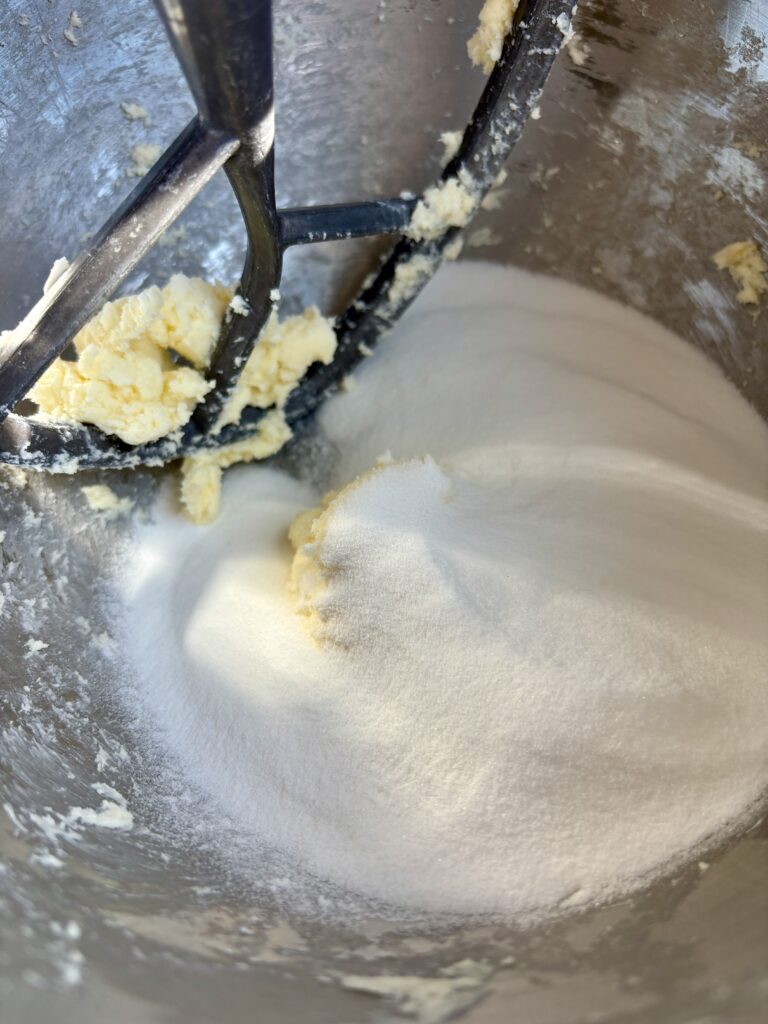
- Don’t rush the creaming step. Beat the butter, oil, and sugar for the full 3–4 minutes. The mixture should look noticeably lighter and fluffier.
- Measure the cake flour carefully. Too much flour can make your cupcakes heavy and dry.
- Don’t overmix the batter. Once you add the flour, mix only until the ingredients are combined. Overmixing can lead to dense cupcakes.
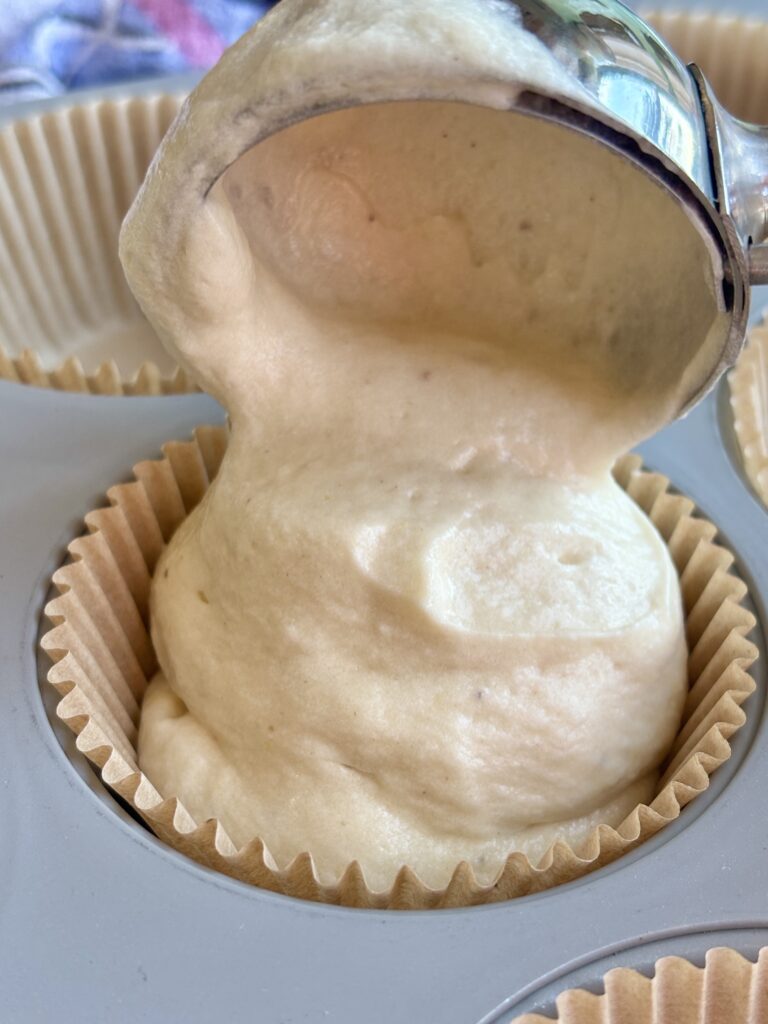
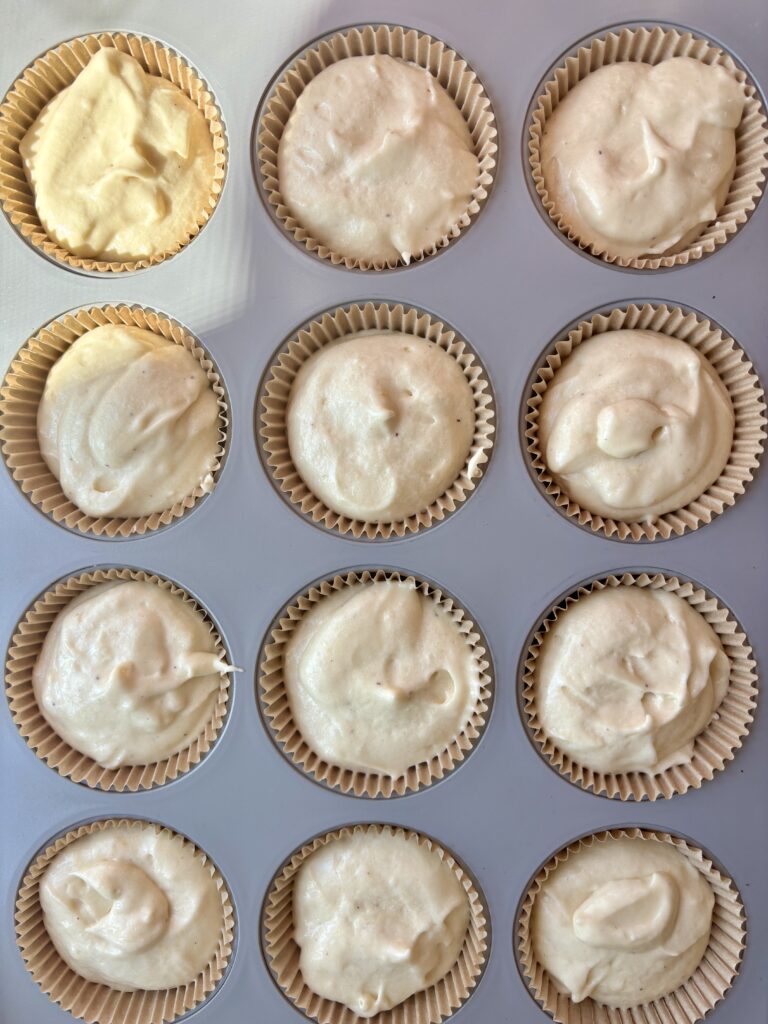
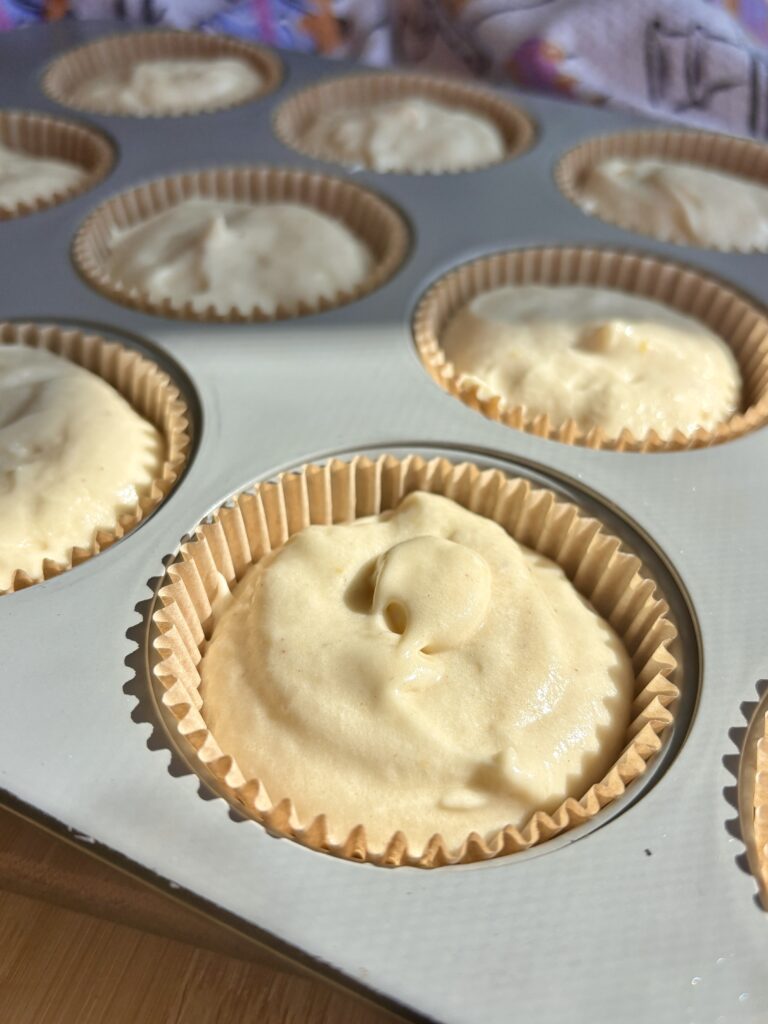
- Fill the liners about ¾ full. This gives you a taller, bakery-style dome.
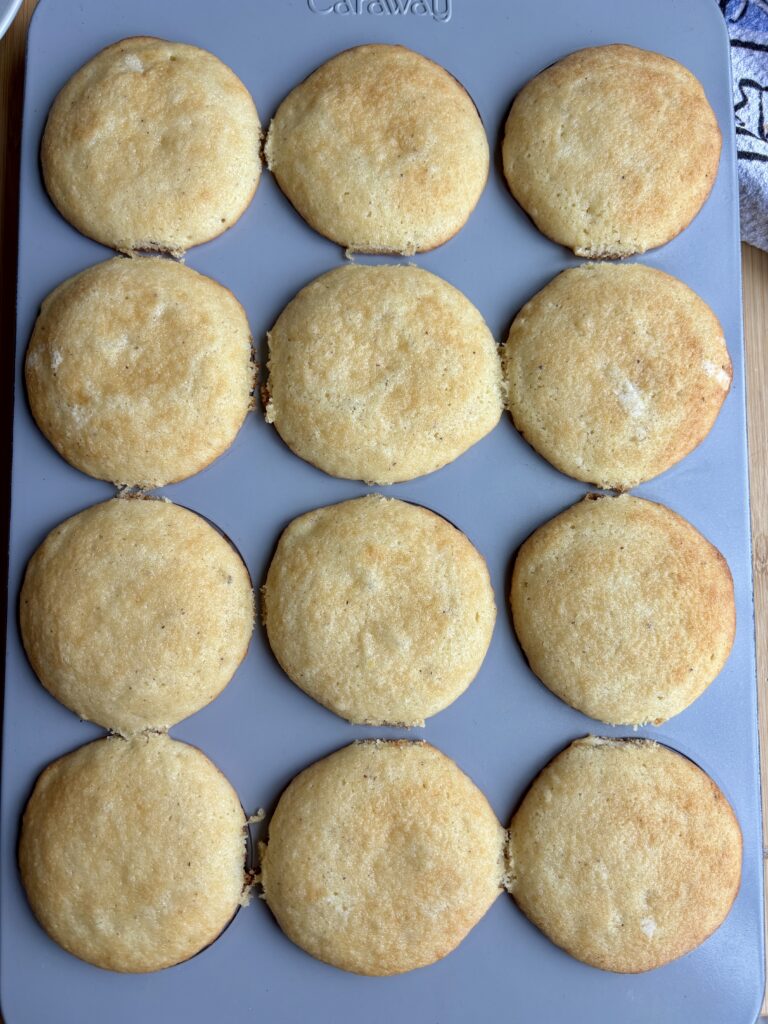
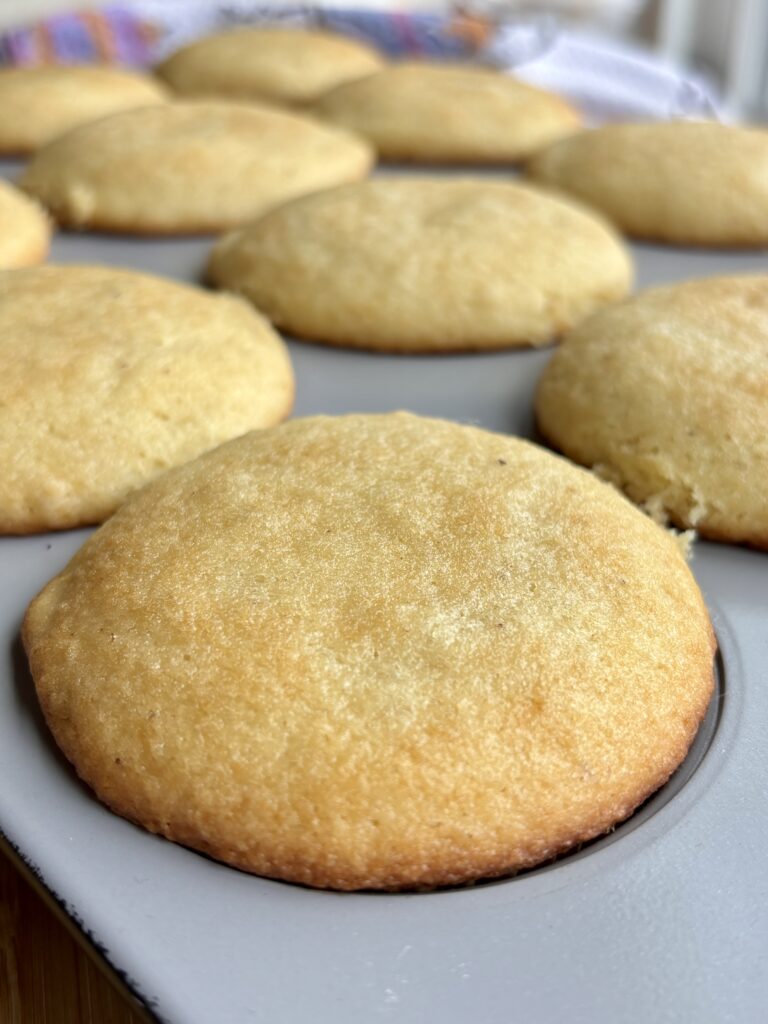
- Don’t overbake. Start checking your cupcakes toward the earlier end of the baking time. They should spring back lightly when touched and a toothpick should come out clean or with a few moist crumbs.
- Cool completely before frosting. Even slightly warm cupcakes can cause buttercream to soften or melt.
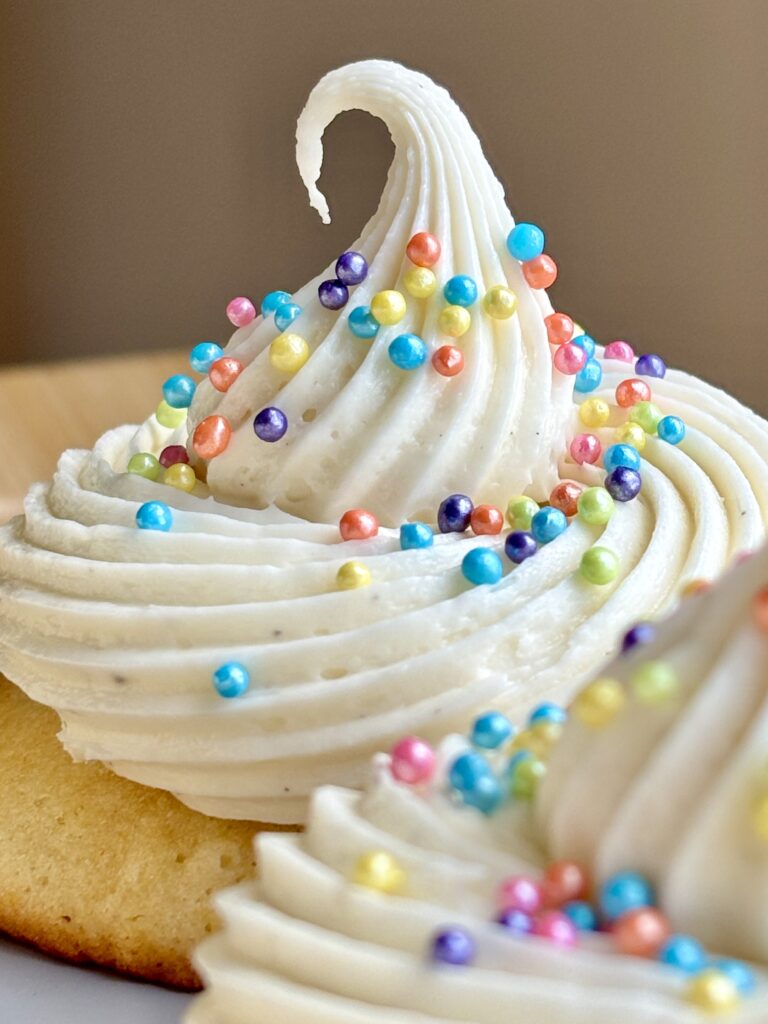
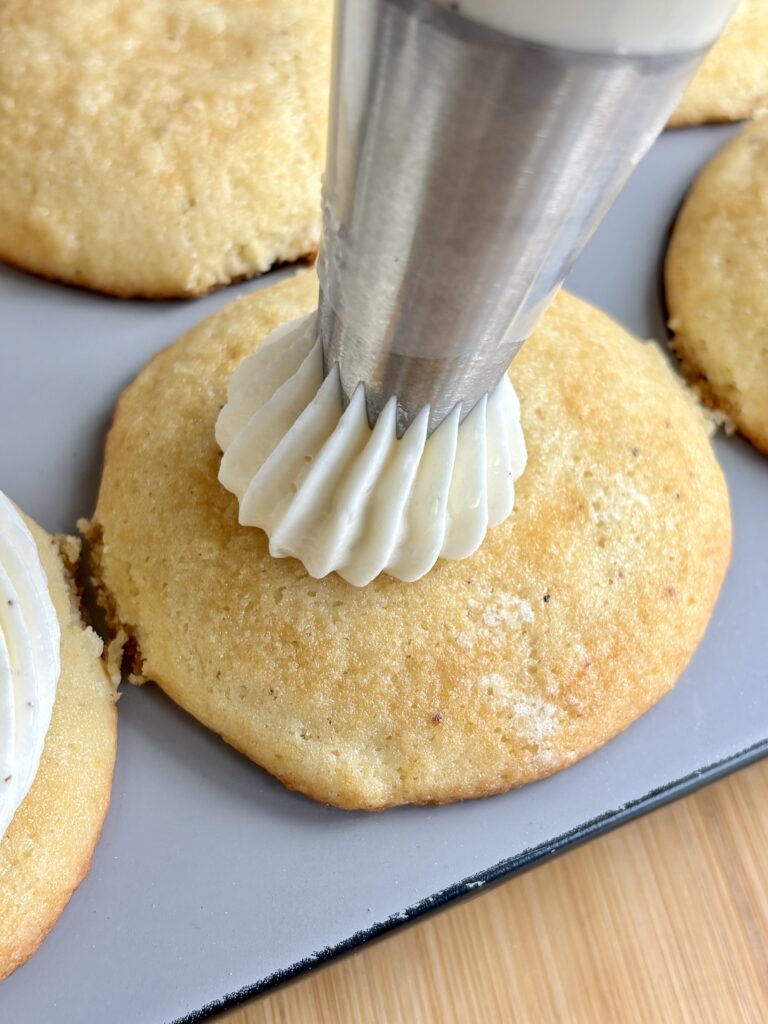
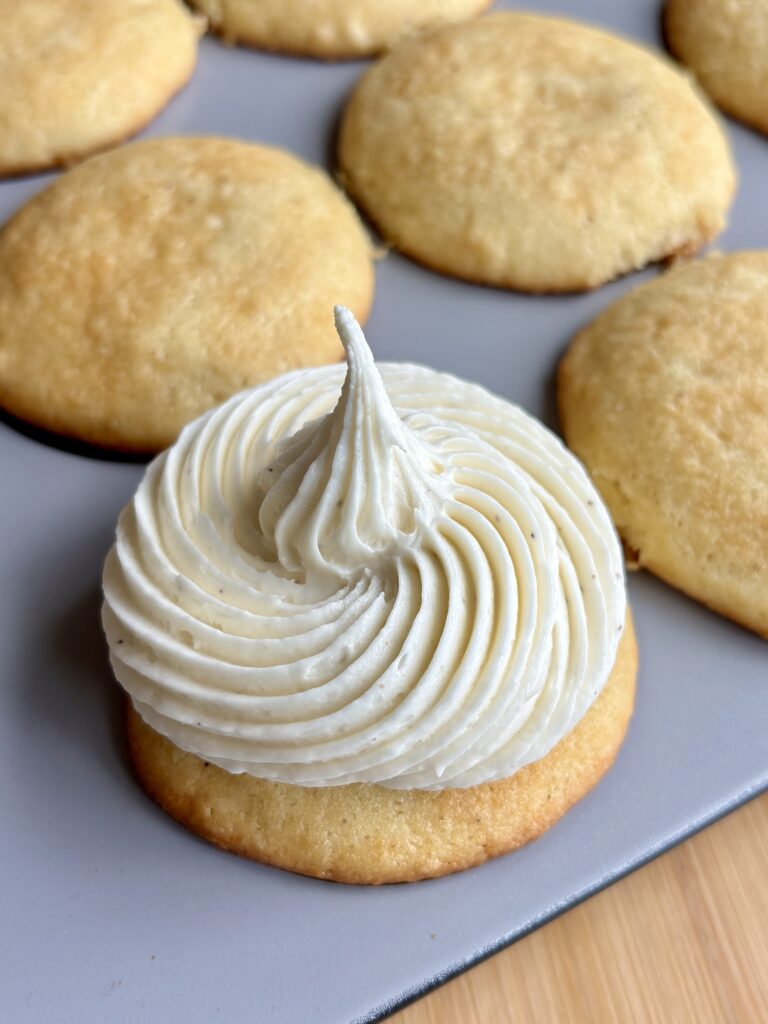
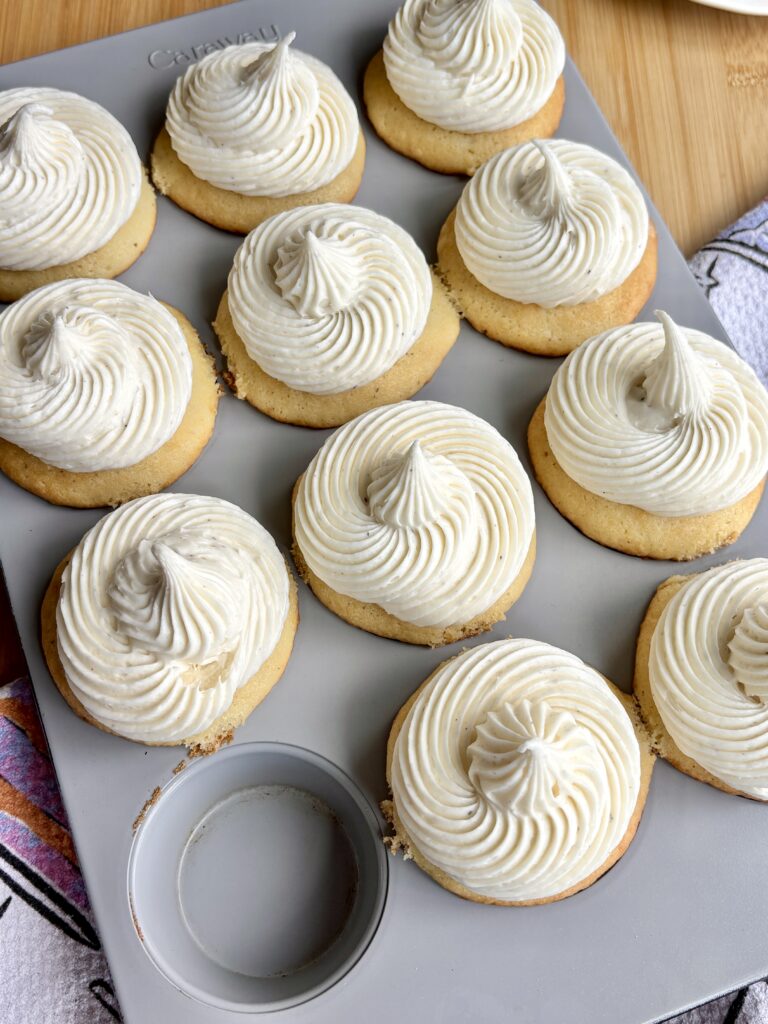
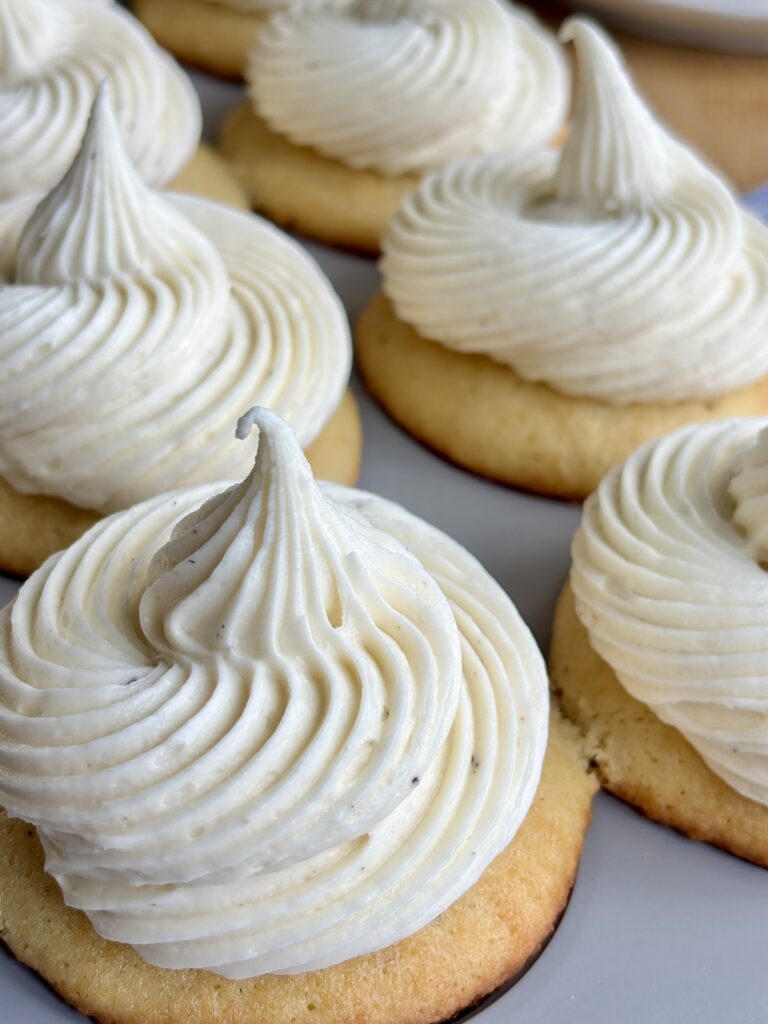
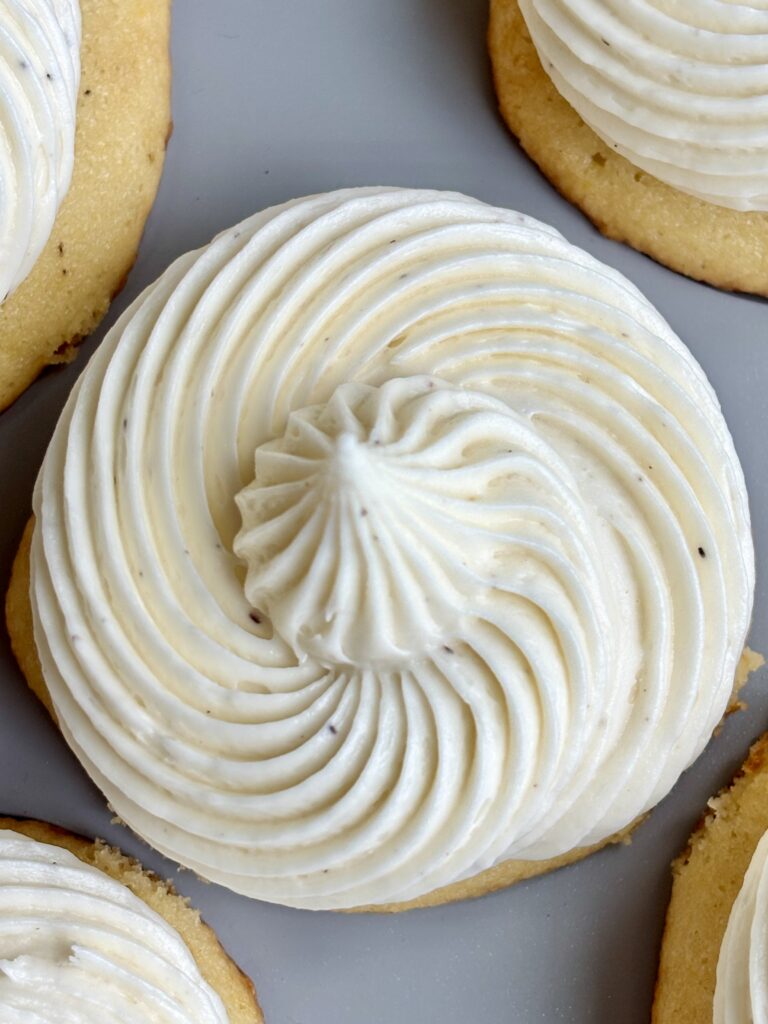
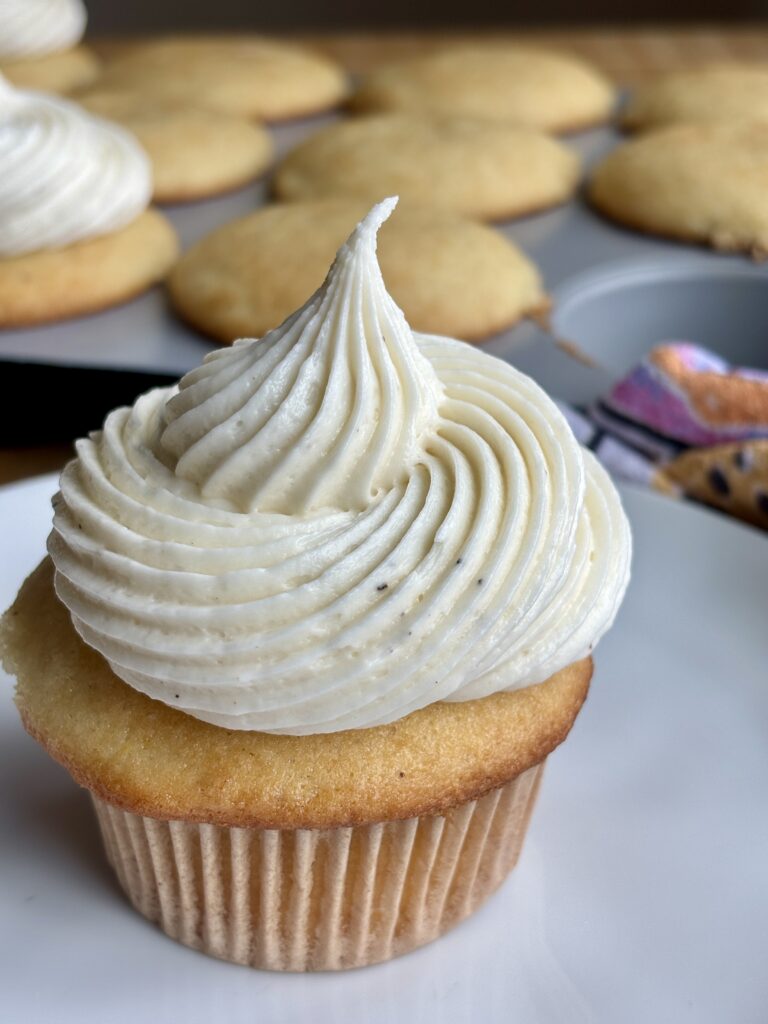
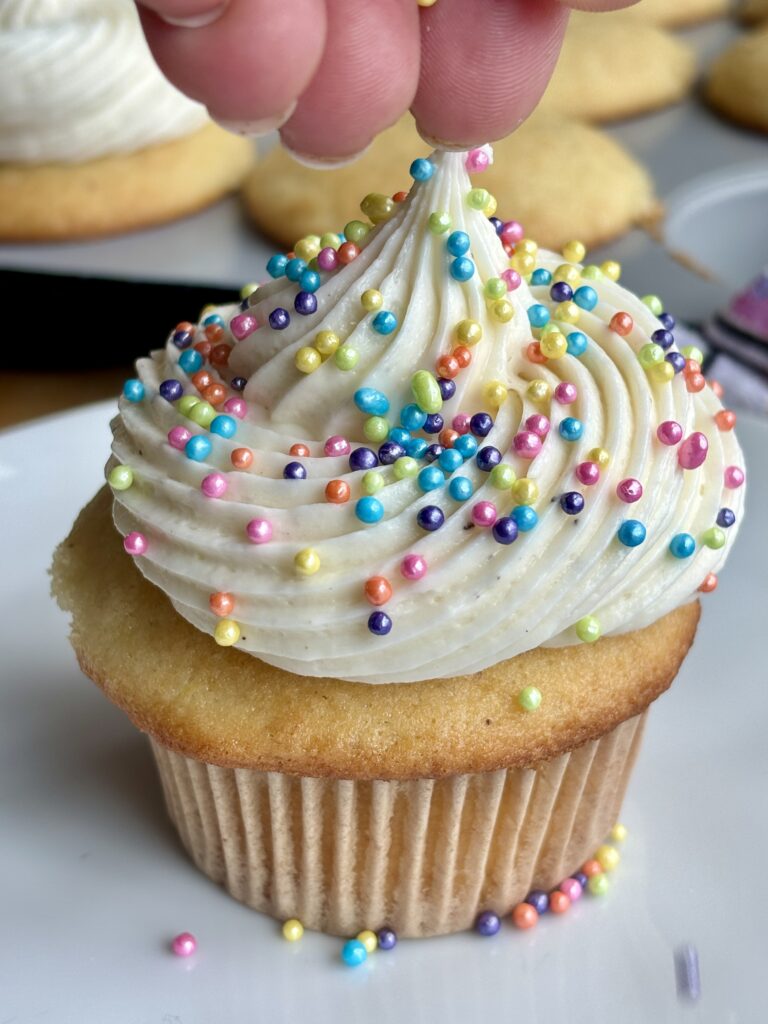
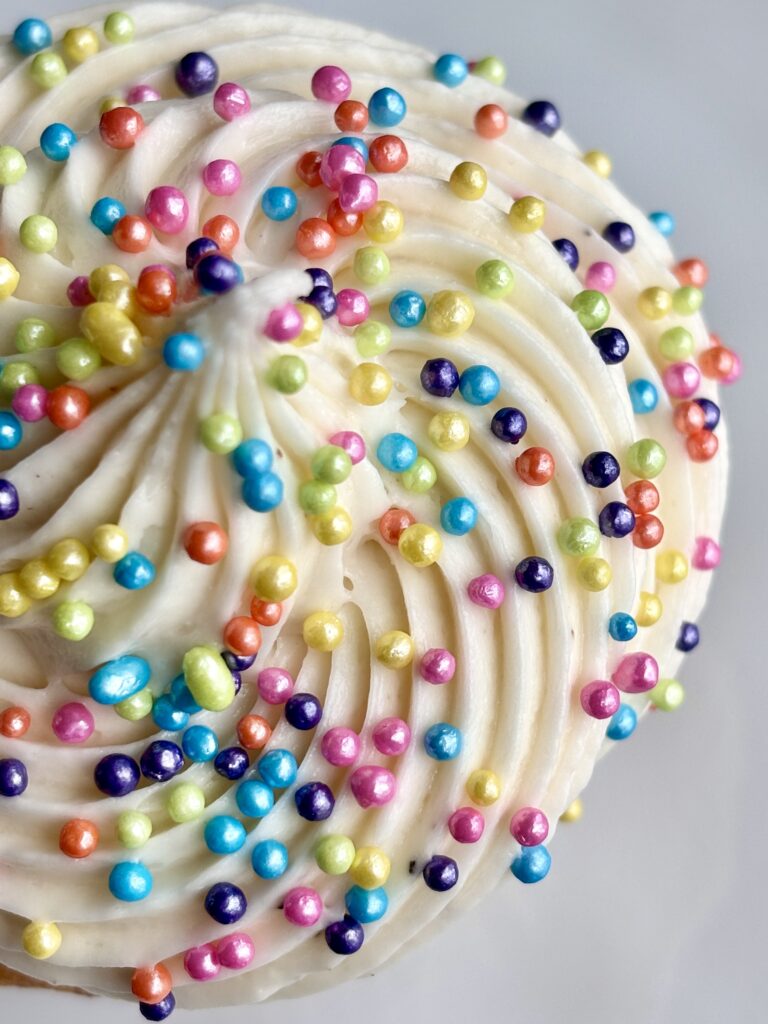
- Don’t skimp on the frosting. These cupcakes have enough structure to hold a generous swirl, and the soft vanilla cake and fluffy Marshmallow Buttercream Frosting (seen here) combination is worth it!
Can I Substitute?
Yes! Like always though, any substitutions made to the recipe can result in a change in texture and/or flavor.
- Cake flour: You can substitute all-purpose flour, but the cupcakes will have a slightly denser, less delicate crumb. For the softest texture, use cake flour.
- Canola oil: Avocado oil, vegetable oil, or another neutral-flavored oil can be used.
- Whole milk: 2% milk can work, although whole milk provides the richest result.
- Sour cream: Full-fat plain Greek yogurt can be used as a substitute, although the texture and flavor may vary slightly.
- Vanilla bean paste: Use vanilla extract in the same amount.
- Almond extract: Simply leave it out if you don’t have it or don’t enjoy the flavor.
Dietary Substitutions
- Egg-free: I have not tested an egg-free version of this recipe, so I don’t recommend making a direct substitution without testing the batter first.
- Dairy-free: Because this recipe relies on both butter, milk, and sour cream for its texture, a dairy-free version would require testing rather than a simple one-to-one substitution.
- Gluten-free: Use a gluten-free cake flour specifically formulated for baking if you want to test a gluten-free version. Results may vary depending on the flour blend.
How to Get Tall, Bakery-Style Cupcakes
For taller cupcakes, fill the liners about ¾ full rather than halfway. Just make sure you don’t overfill them, since too much batter can cause the cupcakes to overflow rather than rise neatly. The biggest factors are also your mixing technique and oven temperature. Creaming the butter, oil, and sugar properly helps build air into the batter, while overmixing after adding the flour can make the cupcakes heavier.
How to Make This Recipe as a Single-Layer Cake
This batter can also be baked as a single-layer vanilla cake instead of cupcakes. The same soft, fluffy texture makes it a delicious base for a classic vanilla cake, especially when finished with my fluffy Marshmallow Buttercream.
For the best results, use a 9-inch round cake pan that is at least 2 inches deep. Bake at 350°F, and begin checking for doneness around 25–30 minutes. The cake is done when the center looks set, springs back lightly when touched, and a toothpick inserted into the center comes out clean or with a few moist crumbs. Baking time can vary depending on the depth of the batter and the type of pan you use, so the toothpick test is the best way to determine when it’s ready.
I don’t recommend using a 9×13-inch pan for the full recipe though, as the batter will be spread much more thinly and will produce a flatter cake. If you’d like to make this as a sheet cake, the batter amount and baking time would be better tested separately.
Leftovers and Storage
- How to Store Unfrosted Cupcakes
- Room temperature: Store completely cooled, unfrosted cupcakes in an airtight container at room temperature for up to 2 days.
- Refrigerator: For longer storage, refrigerate the cupcakes in an airtight container for up to 5 days. Keep in mind that refrigeration can make butter-based baked goods feel firmer, so allow them to come closer to room temperature before serving.
- How to Freeze Vanilla Cupcakes
- These cupcakes freeze beautifully without frosting. I recommend freezing the cupcakes unfrosted so you can decorate them fresh when you’re ready to serve.
- Place completely cooled cupcakes in an airtight freezer-safe container and freeze for up to 2 months. Thaw at room temperature before frosting and serving.
- What About Frosted Cupcakes?
- If you’re using my Marshmallow Buttercream Frosting, follow the storage instructions for the frosting (which you can find at the link). Keep frosted cupcakes refrigerated when not serving promptly and allow them to come toward room temperature before serving for the best texture.
But, I Still Have A Few Questions…
Why did my cupcakes sink in the middle?
This can happen when cupcakes are underbaked, overmixed, or exposed to a temperature change before they’ve finished setting. Make sure your oven is fully preheated, mix the batter only until combined, and bake until the centers spring back lightly and a toothpick comes out clean or with a few moist crumbs.
Why are my vanilla cupcakes dense instead of fluffy?
The most common causes are overmixing the batter or not properly creaming the butter, oil, and sugar. Make sure you cream the butter, oil, and sugar for the full 3–4 minutes, then mix gently once you add the flour.
Why are my cupcakes dry?
Overbaking is one of the biggest reasons cupcakes become dry. Measure your flour carefully and remove the cupcakes from the oven as soon as they’re baked through.
Can I use all-purpose flour instead of cake flour?
Yes, but the cupcakes will have a slightly denser and less delicate crumb. Cake flour gives these cupcakes their signature soft, fluffy texture.
Can I use all butter instead of oil?
You can, but the cupcakes will have a different texture. The oil helps keep them soft and moist, while the butter provides rich flavor.
Can I use vegetable oil instead of canola oil?
Yes, you can another neutral-flavored oil such as vegetable oil or avocado oil.
Can I leave out the almond extract?
Absolutely. The almond extract is optional. The cupcakes will still have plenty of vanilla flavor without it.
Do my ingredients really need to be room temperature?
I highly recommend it. Room temperature ingredients blend together more easily and help create a smoother, more evenly emulsified batter.
Why is my cupcake batter lumpy?
Cold sour cream or milk can make the batter harder to combine smoothly. Make sure your refrigerated ingredients come to room temperature before mixing.
How full should I fill cupcake liners?
Fill them about ¾ full for a taller, bakery-style dome. Avoid overfilling, which can cause the batter to spill over the sides.
Can I make these cupcakes ahead of time?
Yes. You can bake the cupcakes up to 2 days ahead and store them in an airtight container at room temperature. You can also freeze unfrosted cupcakes for up to 2 months.
Can I make this recipe as a cake?
Yes! This recipe can also be baked as a single-layer vanilla cake. Pour the batter into a greased and parchment-lined 9-inch round cake pan and bake at 350°F until the center springs back lightly when touched and a toothpick inserted in the center comes out clean or with a few moist crumbs. Begin checking around 25 minutes, as baking time can vary depending on your pan and oven.
Can I freeze these cupcakes?
Yes. Freeze them unfrosted in an airtight container for up to 2 months. Thaw at room temperature before frosting.
What frosting goes best with vanilla cupcakes?
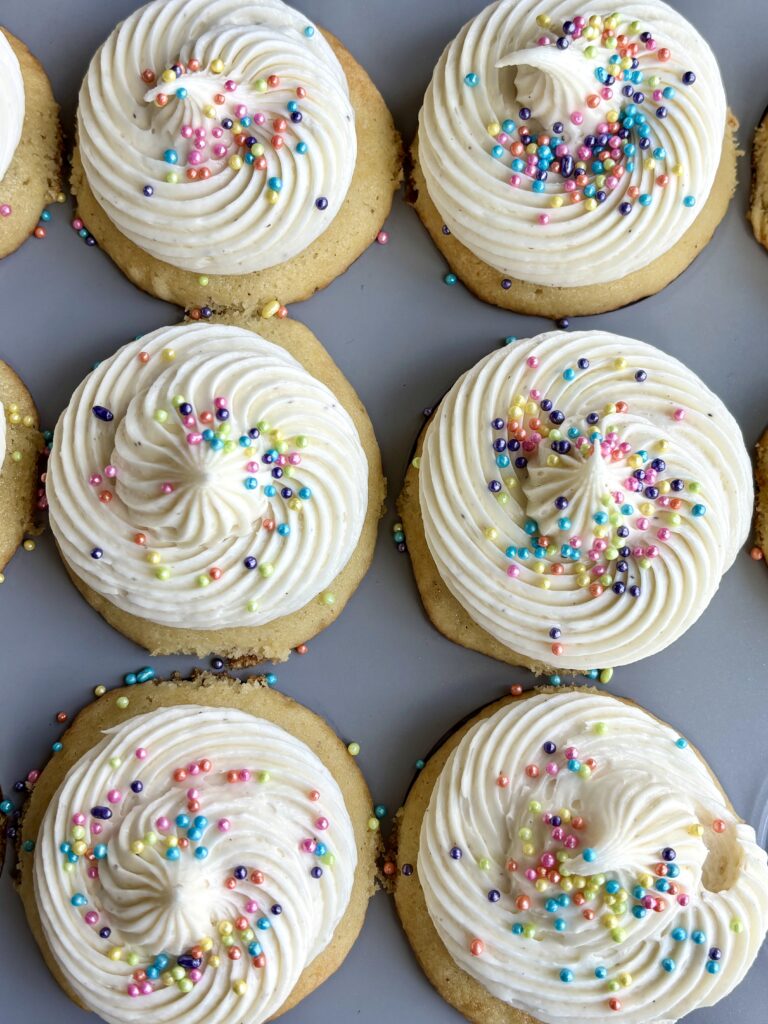
Almost any frosting works, but my favorite pairing is my Marshmallow Buttercream Frosting (that you see here). The fluffy vanilla cupcake and sweet, creamy marshmallow frosting are an especially delicious combination. My Funfetti Buttercream Frosting and Vanilla Bean Buttercream Frosting are also great choices!
How do I get bakery-style cupcake tops?
Fill the liners about ¾ full, use room temperature ingredients, properly cream the butter, oil, and sugar, and avoid overmixing once you add the flour.
Why did my cupcakes overflow?
The liners were likely overfilled. Try filling them no more than about ¾ full and make sure your baking powder and baking soda measurements are accurate.
Can I add sprinkles to the batter?
Yes. Fold sprinkles into the finished batter gently if you want a funfetti-style variation. Or you can just make my Fluffy Funfetti Cake instead!
Can I add food coloring?
Yes. Gel food coloring is a good choice if you want to tint the batter without adding much additional liquid.
How do I know when the cupcakes are done?
The tops should spring back lightly when touched, and a toothpick inserted into the center should come out clean or with a few moist crumbs.
Why should I let cupcakes cool before frosting?
Warm cupcakes can soften or melt buttercream. Let them cool completely so your frosting stays fluffy and holds its shape.
Other Recipes You’ll Love
Let’s engage!
Make sure to tag @thehomechefmomma on Instagram or Facebook, and leave a review or comment if you make these. I always get so excited to see your creations, variations of the recipe, and feedback! Just remember to be kind in your comments, there is still a person behind this screen! 🙂
Classic Vanilla Cupcakes
Ingredients
Dry Ingredients
- 1½ cups cake flour
- 1½ teaspoons baking powder
- ¼ teaspoon baking soda
- ½ teaspoon salt
Wet Ingredients
- 6 tablespoons unsalted butter room temperature
- 2 tablespoons canola oil
- 1 cup granulated sugar
- 2 large eggs
- 1½ teaspoons vanilla extract or vanilla bean paste
- ⅛ teaspoon almond extract optional
- ½ cup whole milk room temperature
- ¼ cup sour cream room temperature
Instructions
- Preheat oven to 350°F. Line a standard muffin pan with cupcake liners.
- In a medium bowl, whisk together cake flour, baking powder, baking soda, and salt. Set aside.
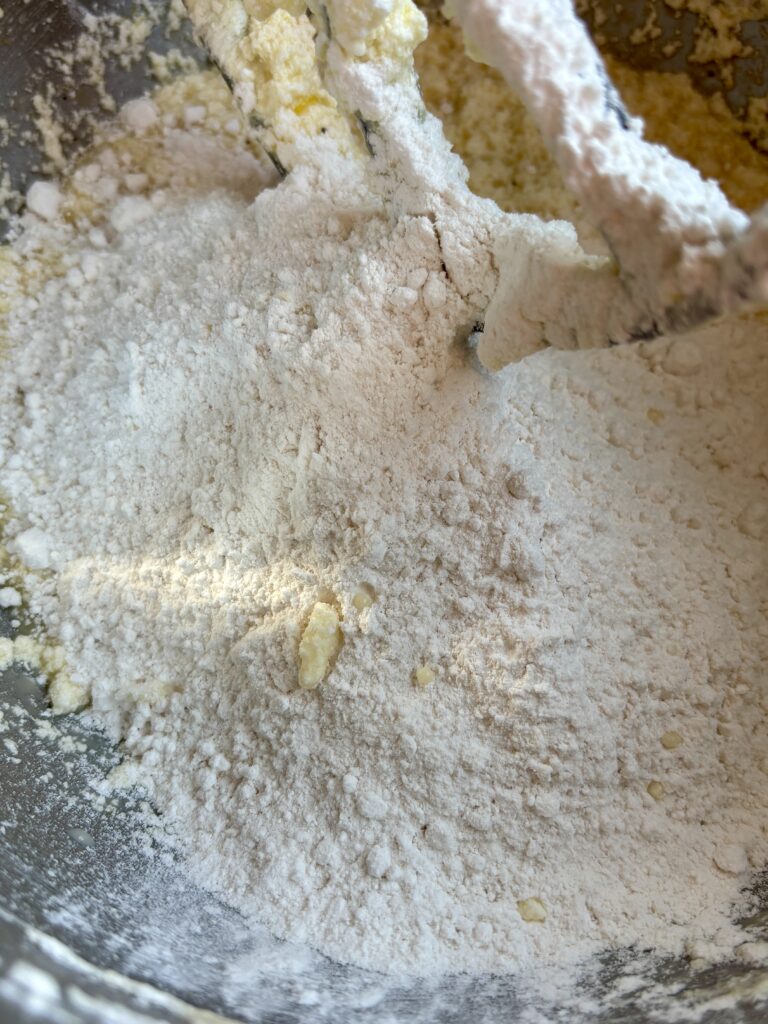
- In a large mixing bowl, or in a stand mixer, beat the butter, oil, and sugar on medium-high speed for 3–4 minutes, until light, pale, and fluffy.
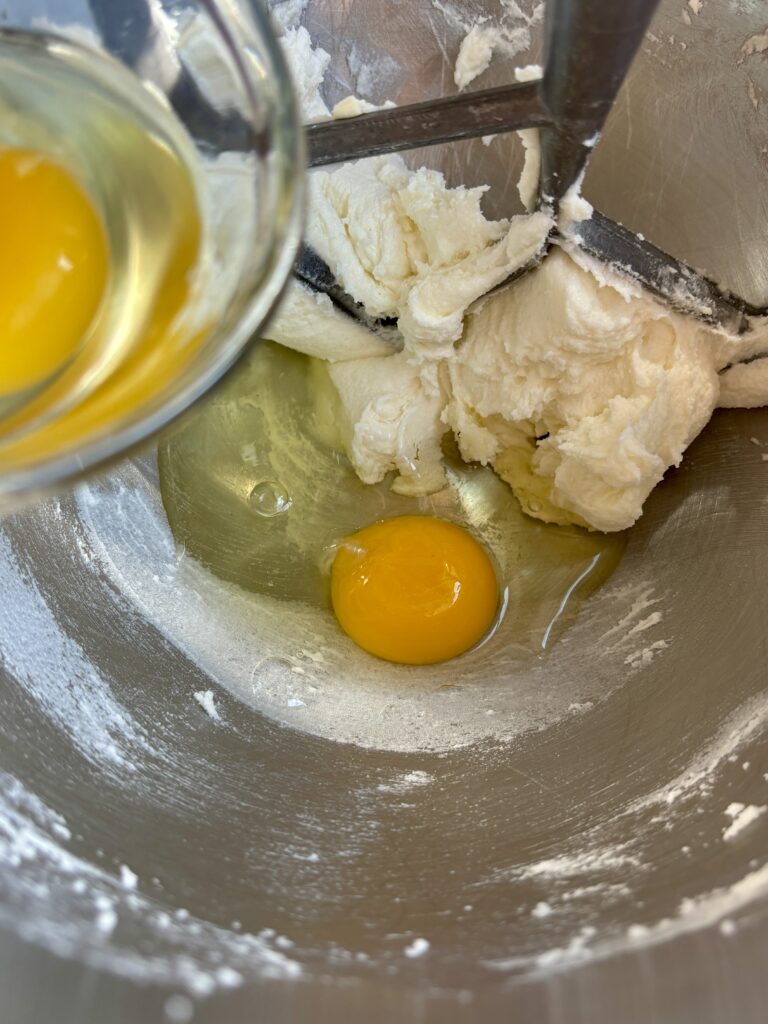
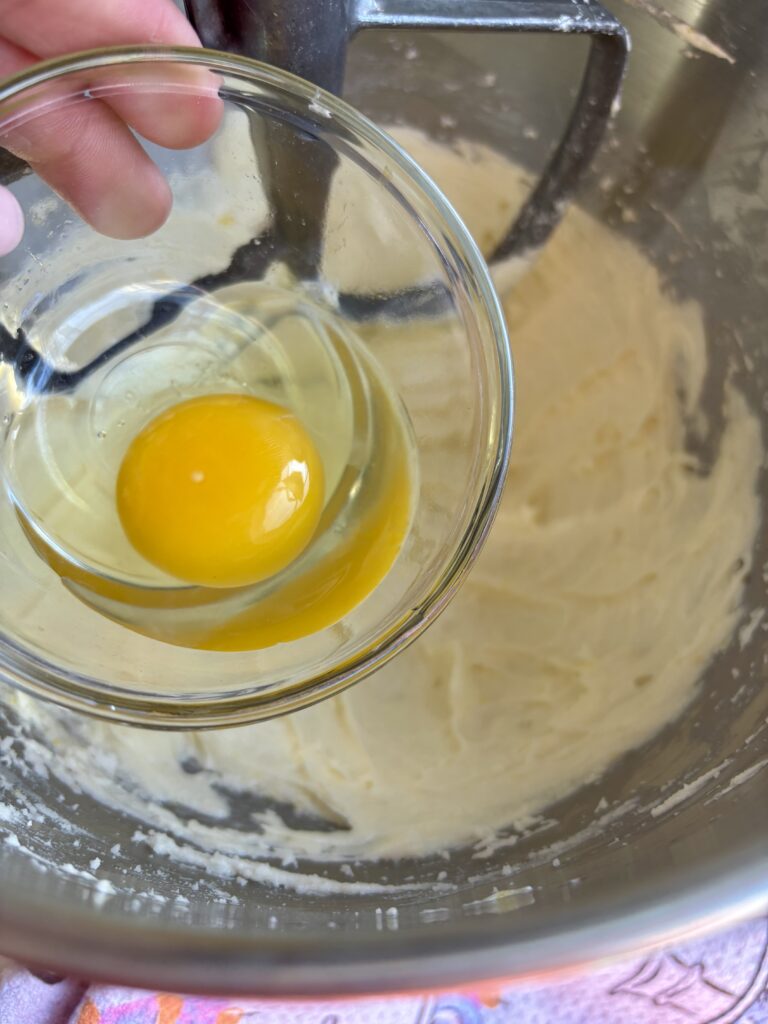
- Add the eggs one at a time, mixing well after each addition.
- Mix in the vanilla extract or vanilla bean paste and almond extract, if using. Scrape down the sides of the bowl as needed.
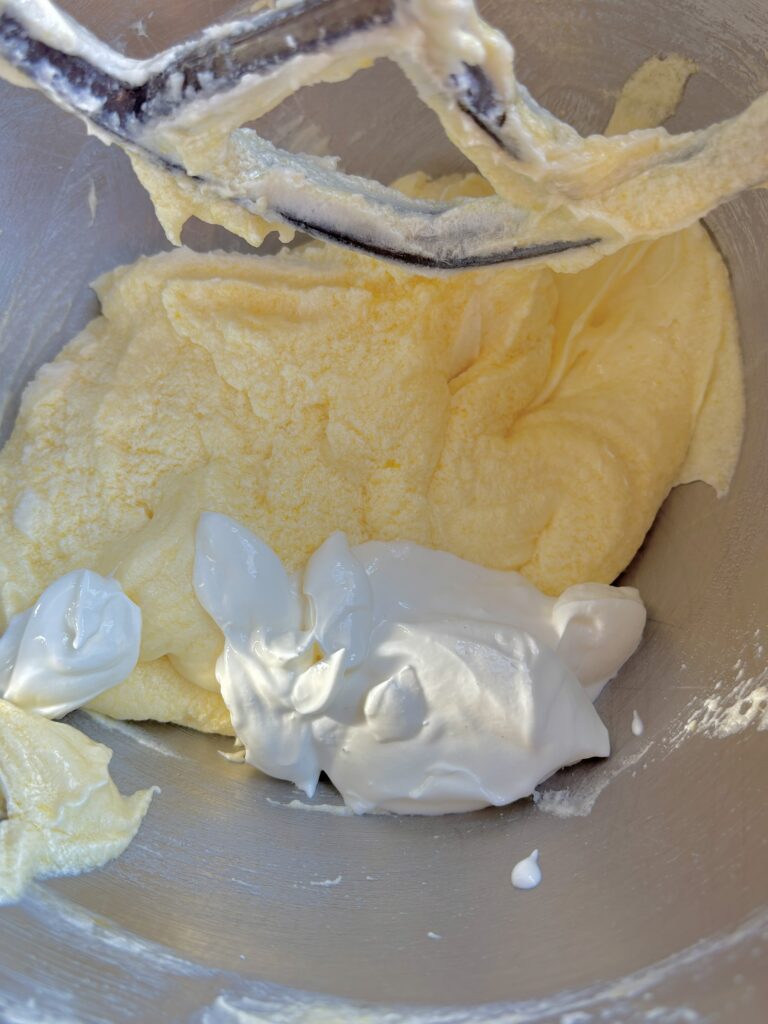
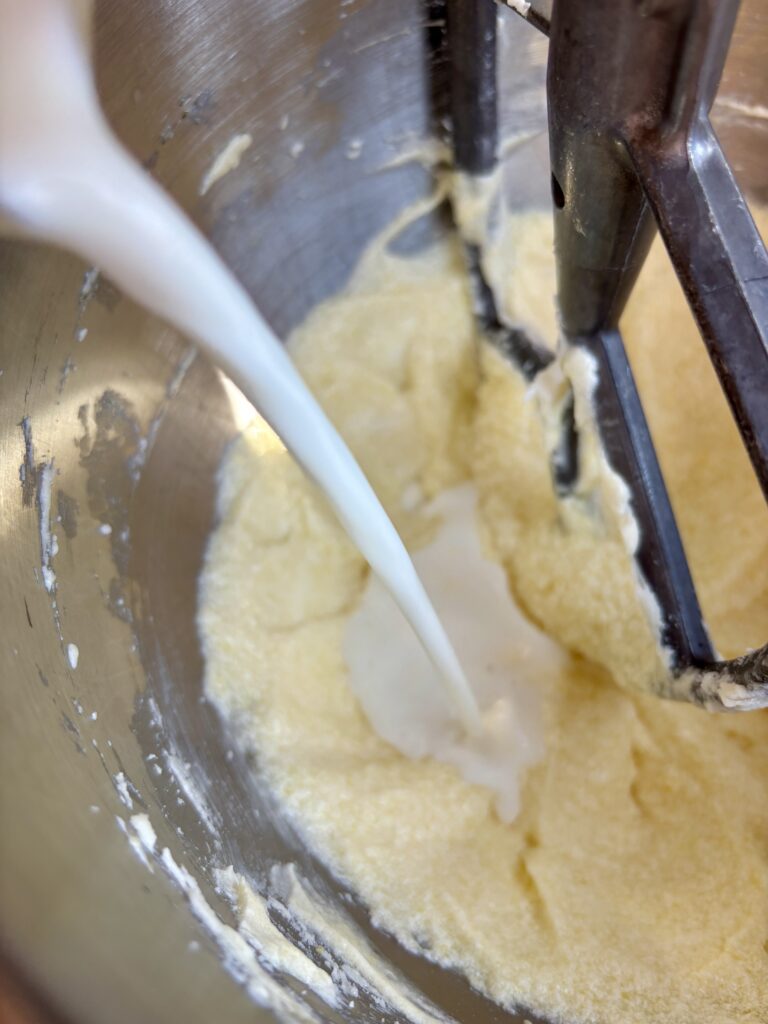
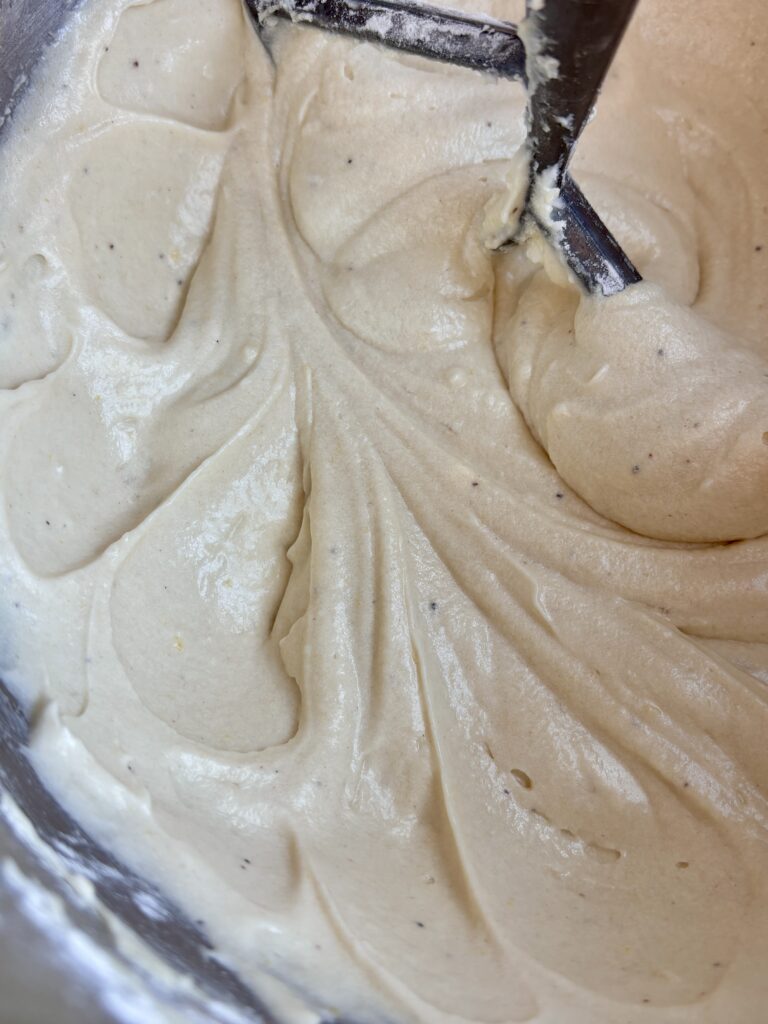
- Beat in the sour cream and then beat in the milk, scraping down the bowl in between, until smooth.
- Add the dry ingredients and mix on low speed just until combined. Do not overmix.
- Fill each liner about ¾ full for taller, bakery-style cupcakes.
- Bake: Bake for 18–22 minutes, or until the tops spring back lightly when touched and a toothpick inserted into the center comes out clean or with a few moist crumbs.
- Let the cupcakes cool in the pan for 5 minutes, then transfer them to a wire rack and cool completely before frosting.
- Frost with your favorite buttercream. For my favorite version, pair these cupcakes with my Marshmallow Buttercream Frosting.
soft vanilla cupcakes | fluffy vanilla cupcakes | homemade vanilla cupcakes | easy vanilla cupcakes | moist vanilla cupcakes | best vanilla cupcakes | bakery style vanilla cupcakes | vanilla cupcake recipe | soft fluffy cupcakes | classic vanilla cupcakes | vanilla cupcakes from scratch | homemade cupcakes from scratch | birthday vanilla cupcakes | vanilla cake recipe | soft vanilla cake | fluffy vanilla cake | vanilla cupcakes with marshmallow frosting | marshmallow buttercream cupcakes | vanilla cupcakes with marshmallow buttercream | cake flour vanilla cupcakes | sour cream vanilla cupcakes | moist vanilla cupcake recipe | easy birthday cupcakes | classic birthday cupcakes

Nutritional Content Disclaimer
I choose not to include nutritional information with my recipes, as these values can be calculated from the ingredients provided. With my background as a pediatric nurse practitioner and my own family experience with disordered eating, I understand how focusing on numbers can affect our relationship with food. My philosophy is that all foods have a place—sweet, savory, nourishing, or indulgent. I aim to share recipes that support a healthy, joyful approach to eating. My hope is that this space also encourages a balanced, healthy relationship with food for you and your family too.