
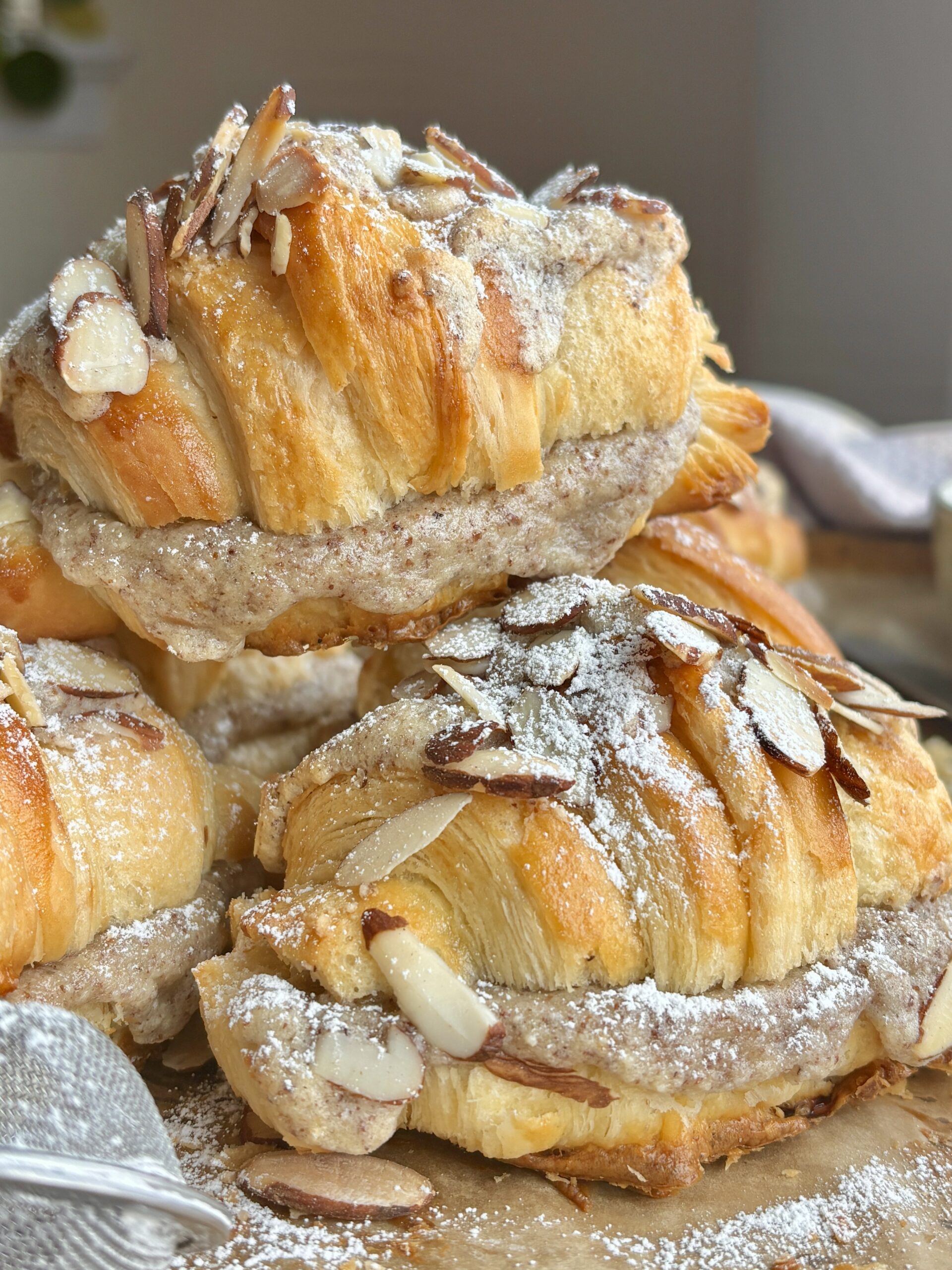
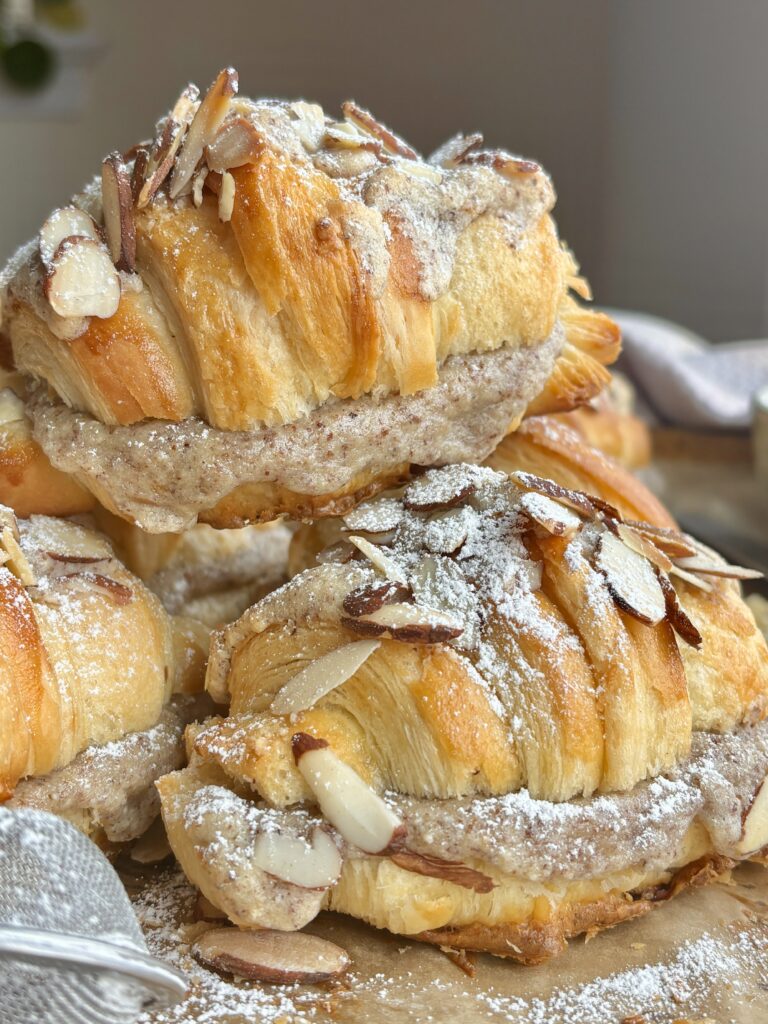
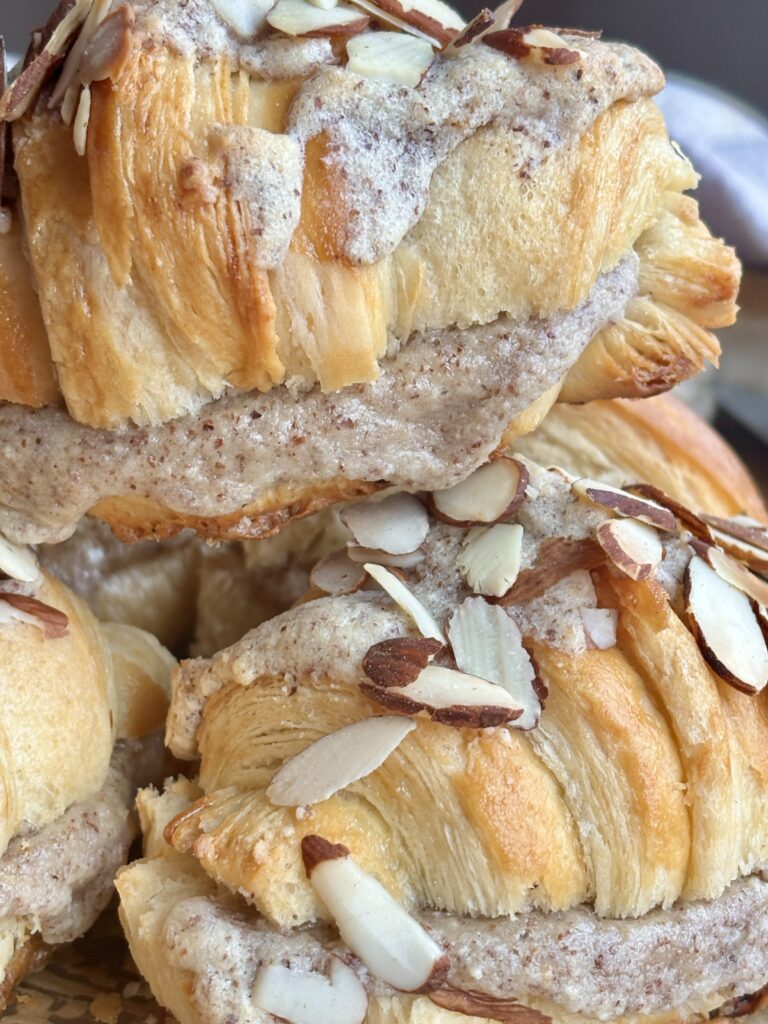
I can still remember where I was when I had my first Almond Croissant. One bite and I was hooked. There’s something so special about that crisp, golden exterior giving way to buttery, flaky layers with a rich almond frangipane tucked inside. It feels like something you’d pick up from a little French bakery, but now we get to make them right at home.
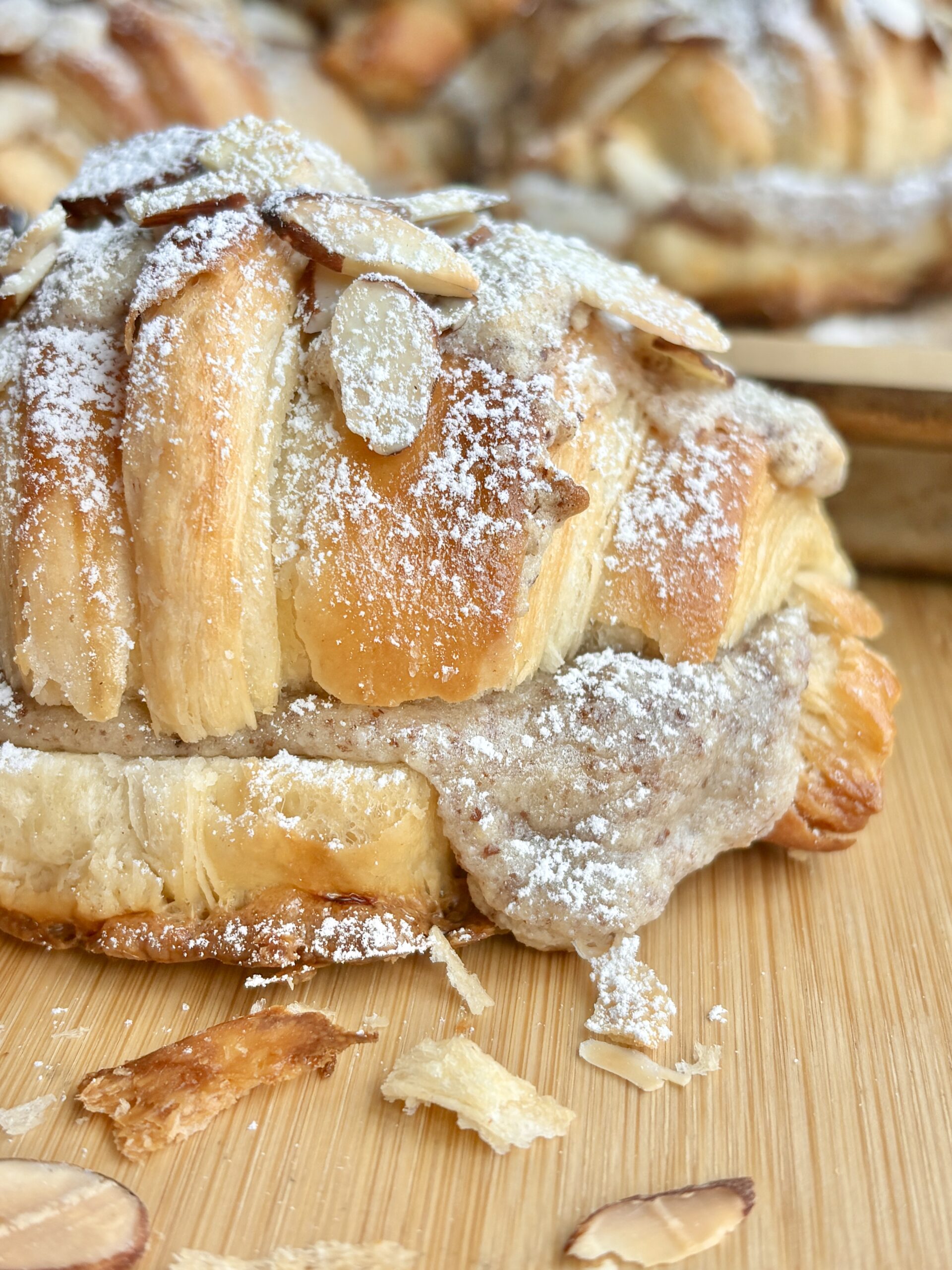
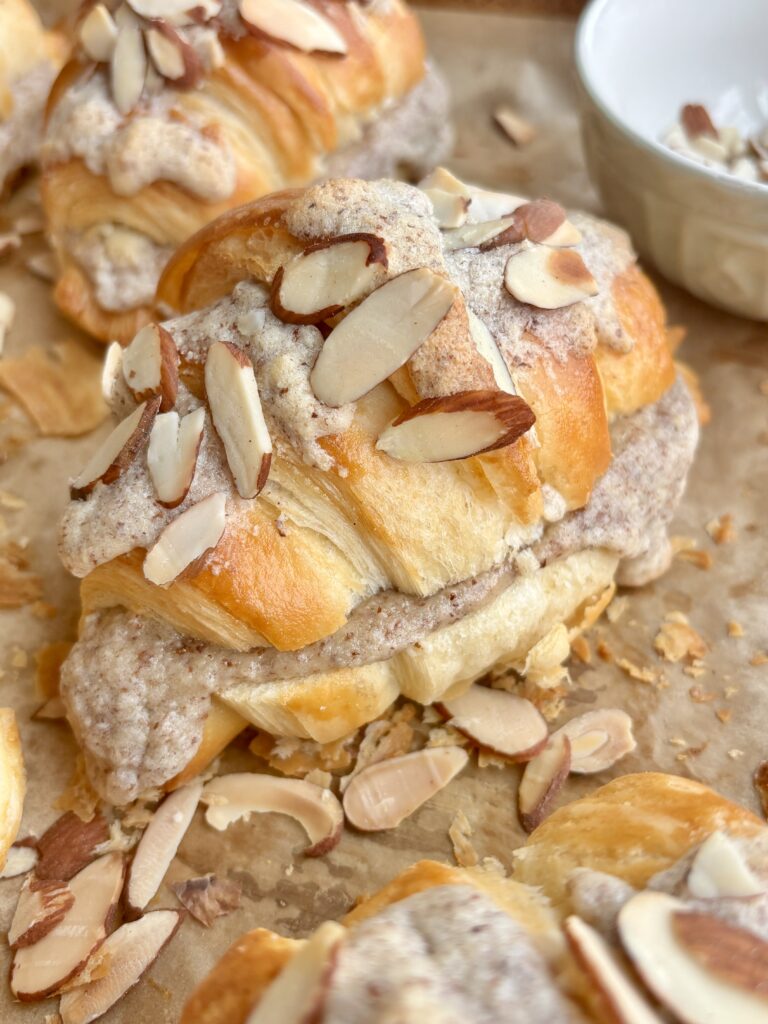
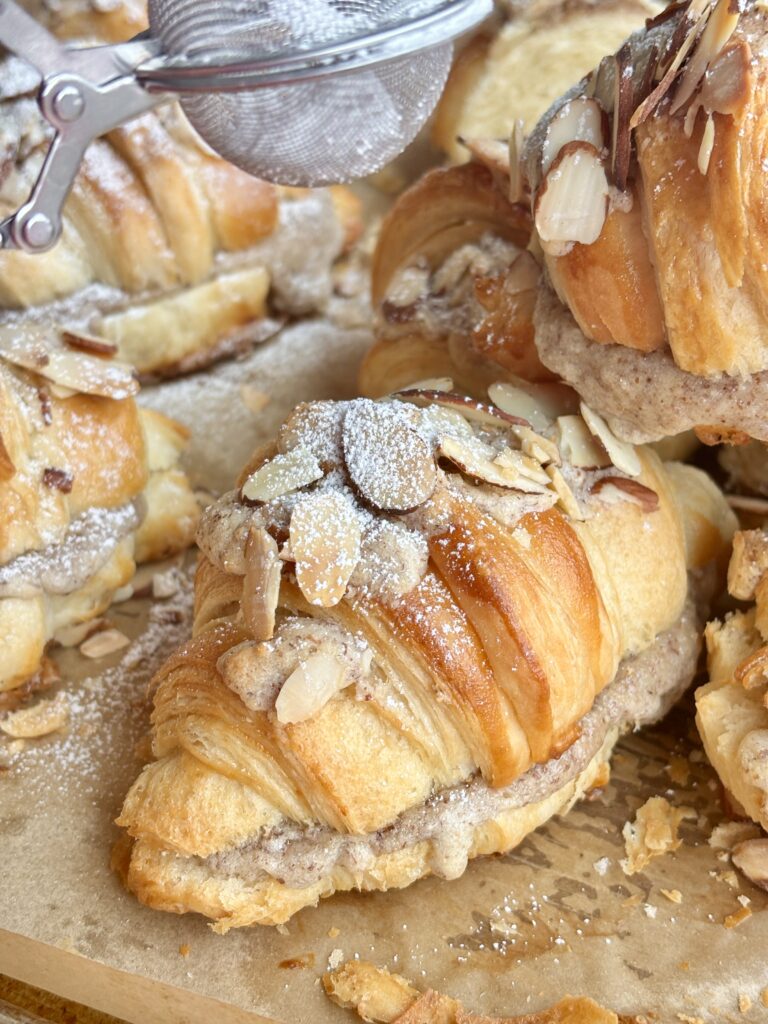
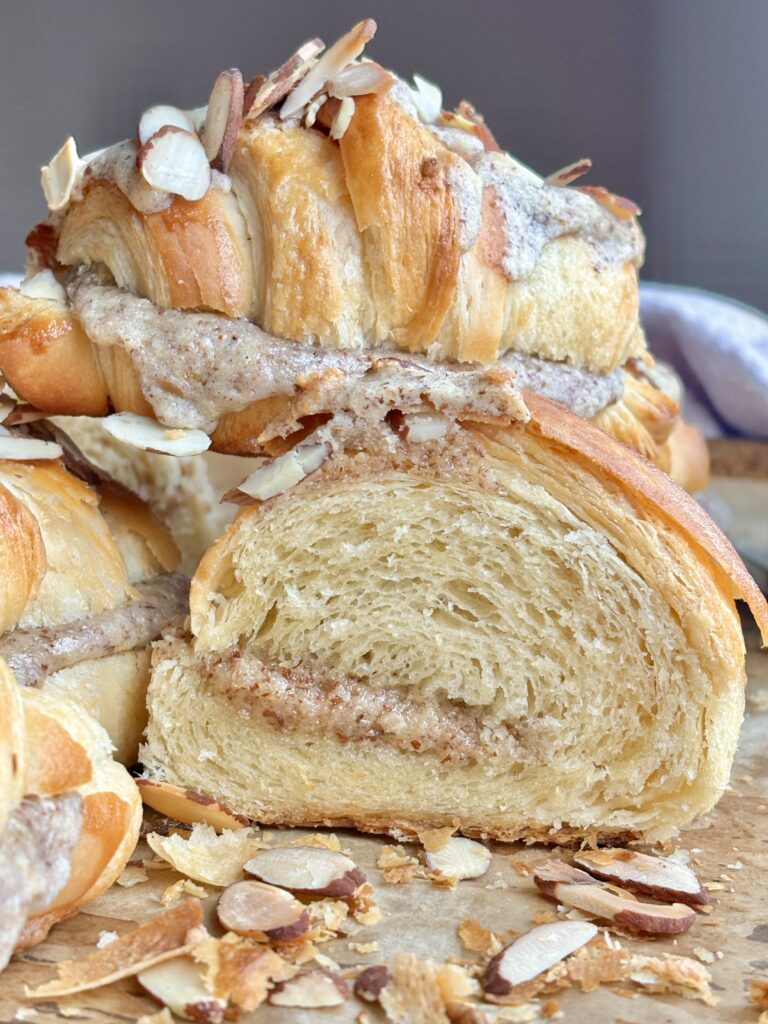
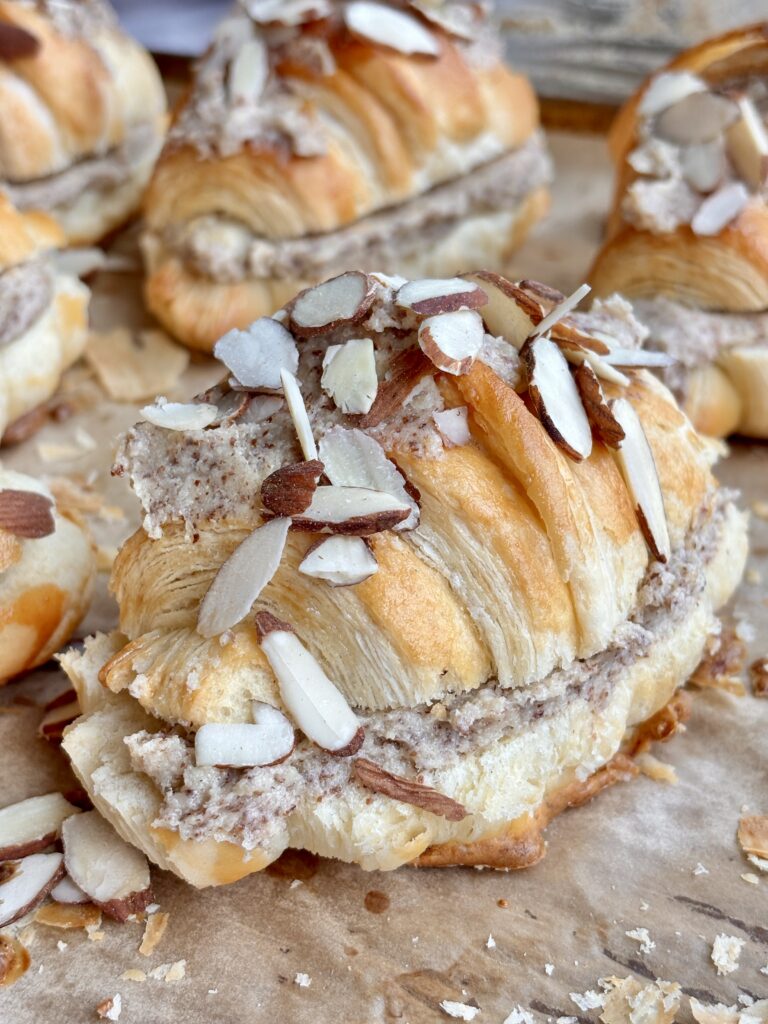
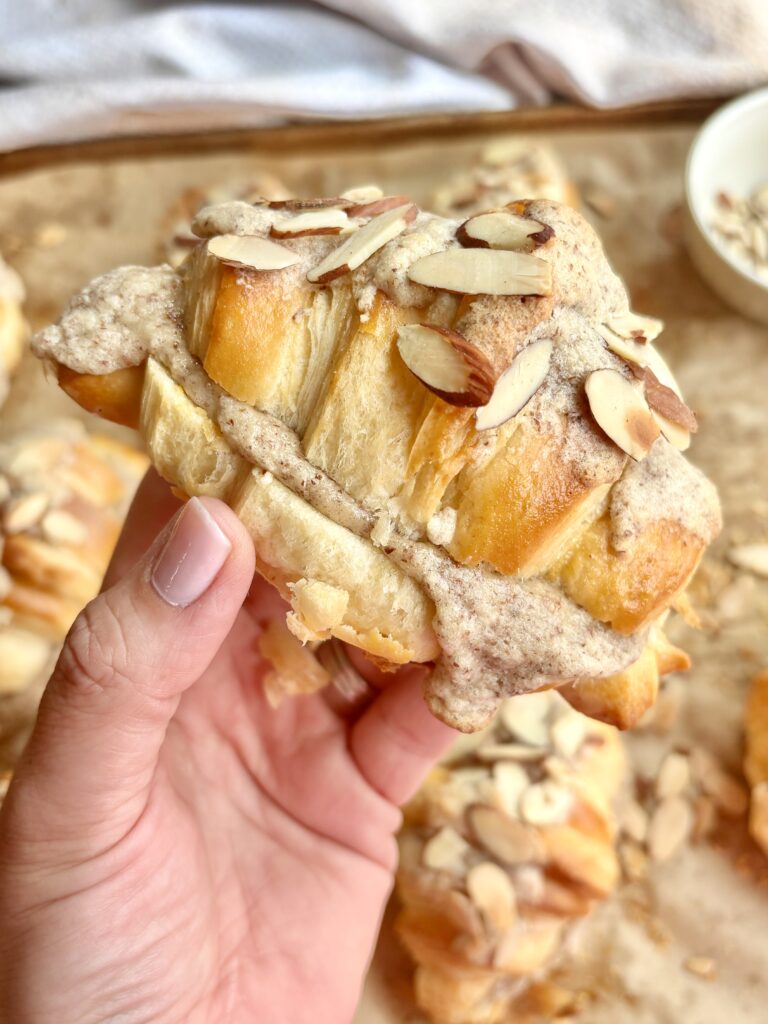
These Homemade Almond Croissants start with my classic laminated croissant dough that’s folded three times to create those beautiful flaky layers. After baking, each croissant is sliced in half, filled with homemade almond frangipane, topped with even more frangipane and sliced almonds, then baked a second time until the filling is lightly golden and the almonds are perfectly toasted. A dusting of powdered sugar is the finishing touch.
Croissants can definitely be a labor of love, but I promise every step is worth it. Keeping the dough and butter cold, taking your time with lamination, and using a good-quality European butter all work together to create those bakery-style layers everyone loves. If making croissants has always felt intimidating, don’t worry, this post will walk you through every step, from mixing the dough and making the butter block to laminating, shaping, proofing, baking, and finally turning them into these incredible almond croissants (without feeling overwhelming!).
Whether you’re making them for a holiday breakfast, weekend brunch, or simply because you’ve always wanted to learn how to make croissants from scratch, this is one recipe that’s guaranteed to impress.
Why you’ll love this recipe!
New to making croissants? Start with my Classic Flaky Croissants to learn the fundamentals of laminated dough. Once you’ve mastered the technique, come back and try this Almond Croissant recipe and the rest of my Homemade Croissant Series!
What ingredients do I need?
- Dough:
- Warm Whole Milk: Warm milk activates the yeast and adds richness to the dough. It should be warm to the touch (about 100–110°F), but not hot, which can kill the yeast.
- Granulated Sugar: A small amount of sugar feeds the yeast during fermentation while adding just a touch of sweetness to the finished croissants.
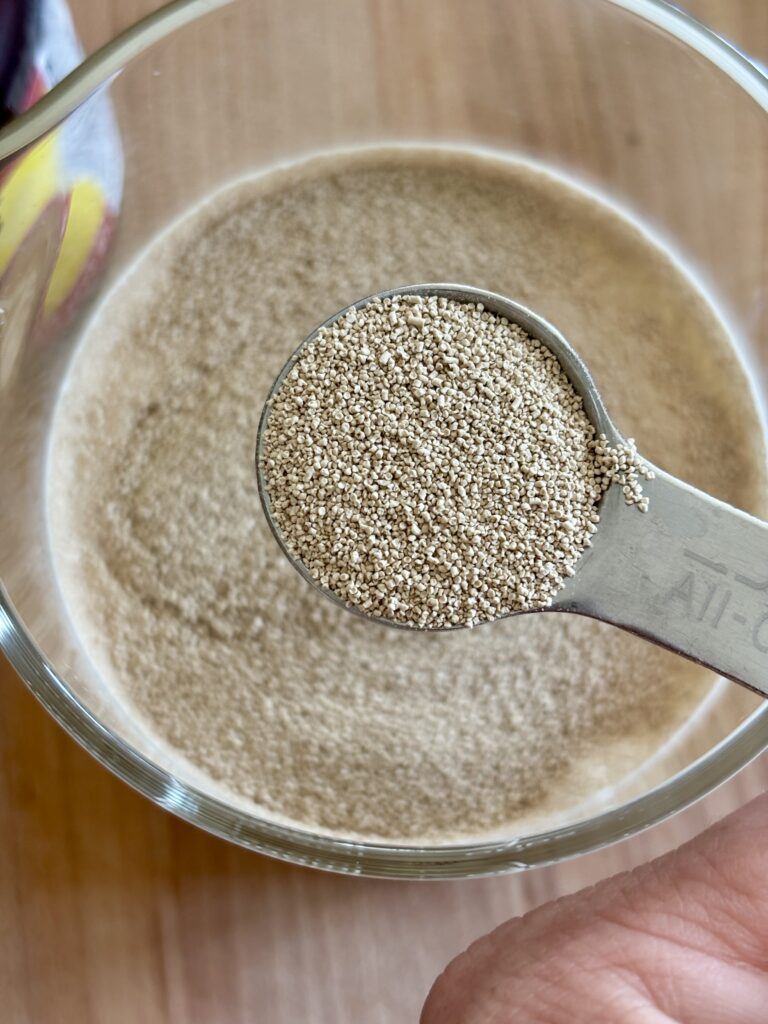
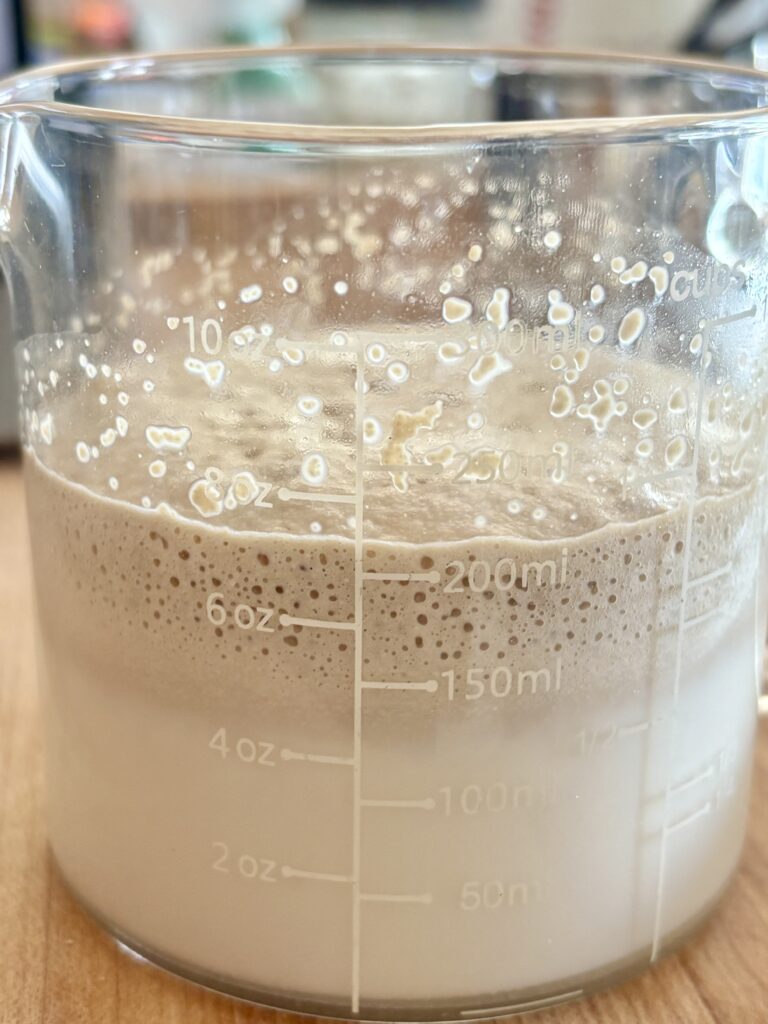
- Active Dry Yeast: Yeast is responsible for creating the light, airy interior. Make sure it’s fresh and allow it to become foamy before adding it to the dough.
- Cold Water: Cold water helps regulate the dough temperature, keeping it cool enough for successful lamination later.
- Bread Flour: Bread flour provides the strength and elasticity needed to support hundreds of delicate buttery layers.
- All-Purpose Flour: Using a combination of bread flour and all-purpose flour creates croissants that are sturdy enough to laminate while still remaining wonderfully tender.
- Kosher Salt: Salt strengthens the gluten, controls yeast activity, and balances the richness of the butter.
- Softened Unsalted Butter: A small amount of butter is kneaded directly into the dough to improve flavor and tenderness before lamination begins.
- Lamination Butter:
- European-Style Unsalted Butter: This is the star of the recipe. European butter contains a higher butterfat percentage and less water than standard American butter, creating richer flavor and more defined flaky layers. Choose a butter with at least 82% butterfat for the best results. (See below for more information.)
- Egg Wash:
- Egg: The egg creates the beautiful golden brown color that gives croissants their bakery-quality appearance.
- Heavy Cream: Adding a little cream to the egg wash creates an even shinier, richer finish.
- Almond Frangipane:
- Unsalted Butter: Softened butter creates a smooth, creamy filling that bakes into the croissants beautifully.
Granulated Sugar: Sweetens the filling while helping create its classic soft texture. - Kosher Salt: Just a small amount enhances the almond flavor and balances the sweetness.
- Superfine Almond Flour: The foundation of every good frangipane. Superfine almond flour creates a smooth, creamy filling without any grittiness.
- Egg: Binds the filling together and helps it set during the second bake.
- Almond Extract: The signature flavor of classic bakery almond croissants. A little goes a long way.
- Unsalted Butter: Softened butter creates a smooth, creamy filling that bakes into the croissants beautifully.
- For Finishing:
- Sliced Almonds: Become beautifully toasted during the second bake and add a wonderful crunch.
- Powdered Sugar: A simple dusting is the classic finishing touch for almond croissants.
Why European Butter Matters
One of the biggest secrets to exceptional homemade croissants is using high-quality European-style butter.
European butter typically contains 82–85% butterfat, compared to about 80% in most American butter. While that difference may seem small, it makes a huge difference when you’re creating laminated dough.
Higher butterfat means:
- Better flavor
- Less water content
- More distinct flaky layers
- Easier lamination
- Less butter leakage during baking
- Richer, more tender croissants
Because the butter is rolled directly into the dough, you’ll taste it in every bite. This is one recipe where using premium butter is absolutely worth the investment. Some of my favorite options include Kerrygold or Plugrá.
Pro Tips
- Use high-quality European-style butter with at least 82% butterfat for the flakiest layers.
- Keep your dough and butter at a similar firmness throughout lamination. If one is much softer than the other, the butter can break through the dough or create uneven layers.
- If the dough starts shrinking while you roll it, the gluten is too tight. Cover it and let it rest in the refrigerator for 15–20 minutes before trying again.
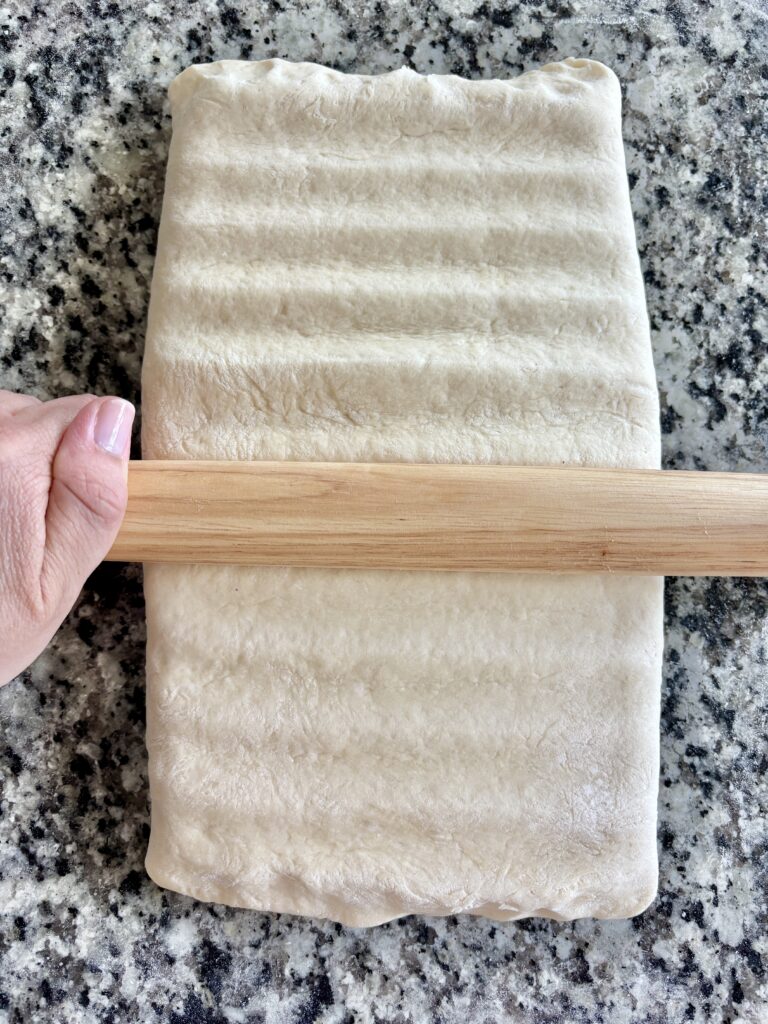
- Always roll from the center outward using even pressure to keep the layers uniform.
- Lightly flour your work surface, but brush away excess flour before folding so it doesn’t become trapped between the layers.
- If you notice butter leaking or smearing during lamination, stop immediately, add a little bit of flour on that spot, and then chill the dough until it’s firm again.
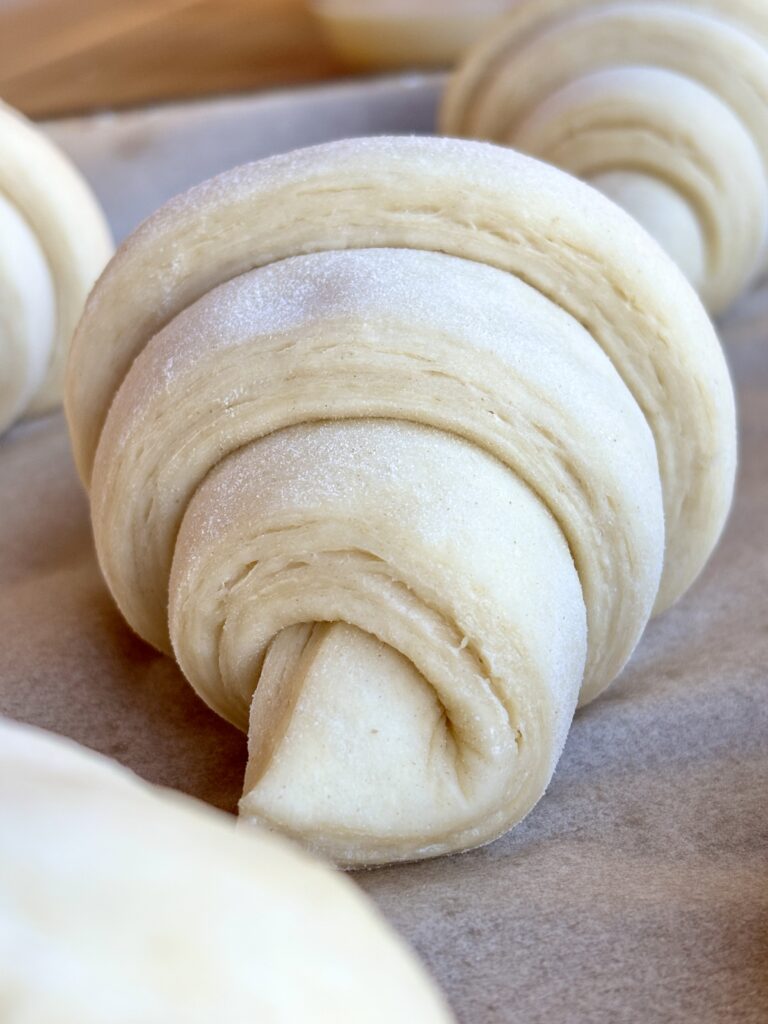
- Don’t rush the final proof. Properly proofed croissants should look noticeably puffy and jiggle slightly when you gently shake the baking sheet. Under-proofed croissants will be dense, while over-proofed ones may collapse and become greasy.
- Let the croissants cool completely before filling them with the frangipane. Warm pastries will melt the filling instead of holding it in place.
- For the best bakery-style finish, dust with powdered sugar just before serving.
Essential Equipment
Croissants don’t necessarily require specialty bakery equipment, but having the right tools makes the process much easier.
I recommend:
- Stand mixer with dough hook
- Large rolling pin
- Bench scraper
- Ruler
- Pizza cutter or sharp chef’s knife
- Pastry brush
- Parchment paper
- Baking sheets
- Plastic wrap
Understanding the Croissant Process
Making croissants takes time, but none of the individual steps are difficult. Here’s what’s happening throughout the process and why each step matters.
Step 1: Make the Dough
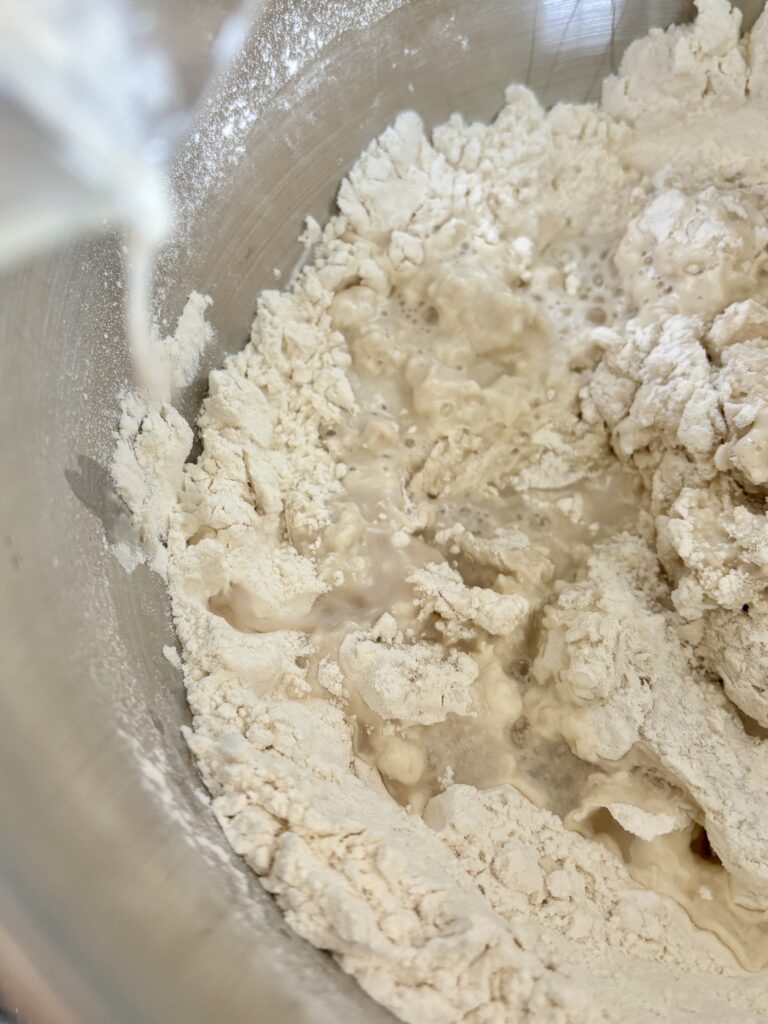
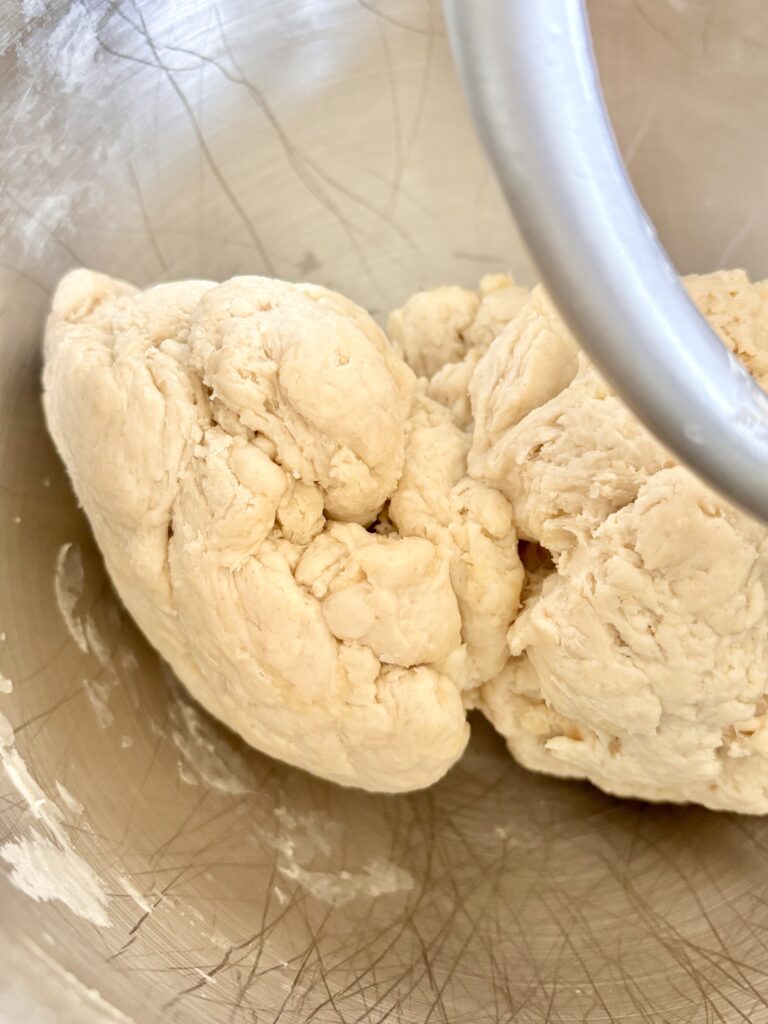
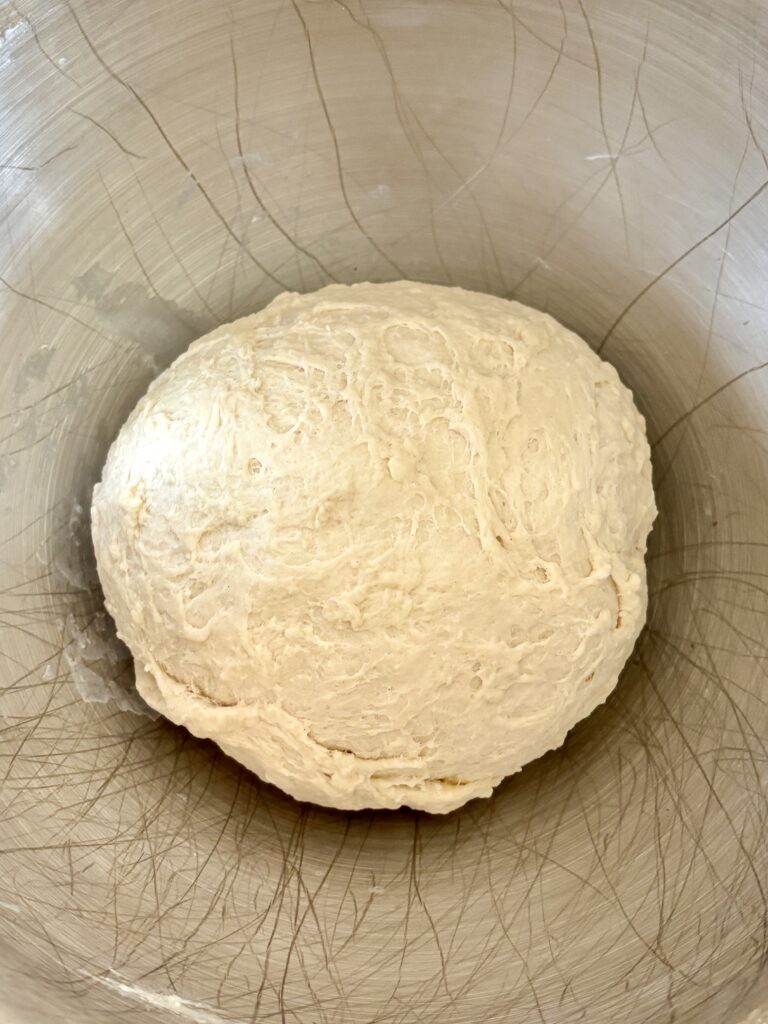
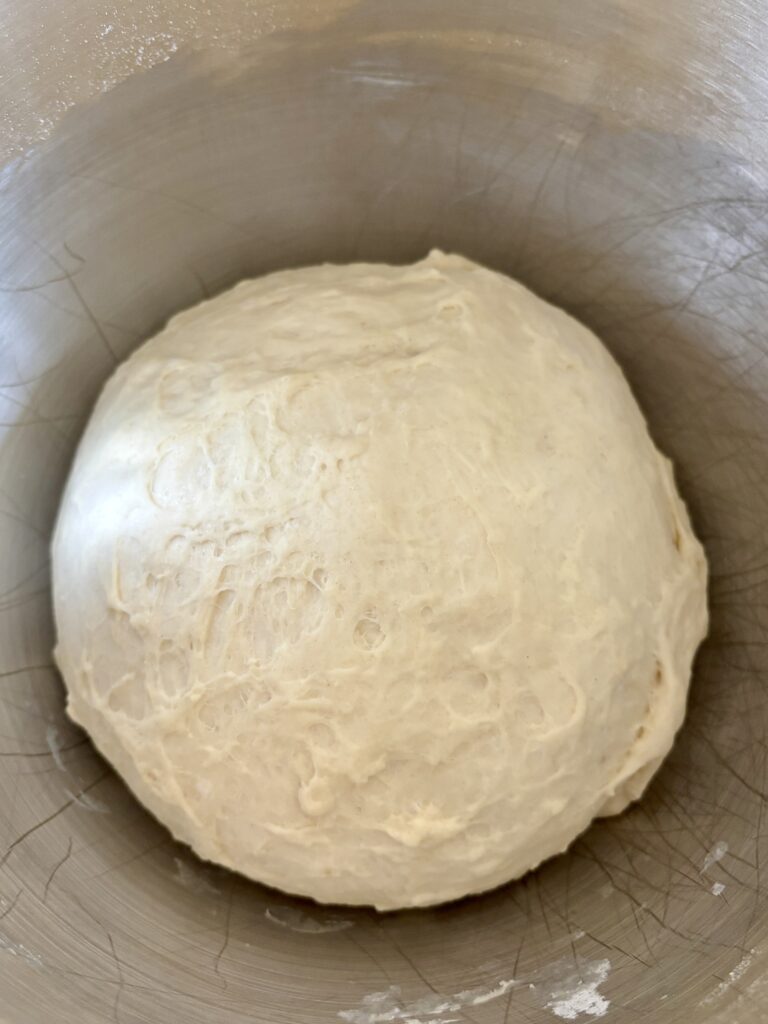
Everything begins with a simple enriched yeast dough made with bread flour, all-purpose flour, milk, water, yeast, butter, sugar, and salt. Unlike brioche though, croissant dough isn’t rich because most of the butter comes later during lamination. After mixing and kneading, the dough rises briefly before chilling. Chilling relaxes the gluten and makes rolling much easier.
Step 2: Create the Butter Slab
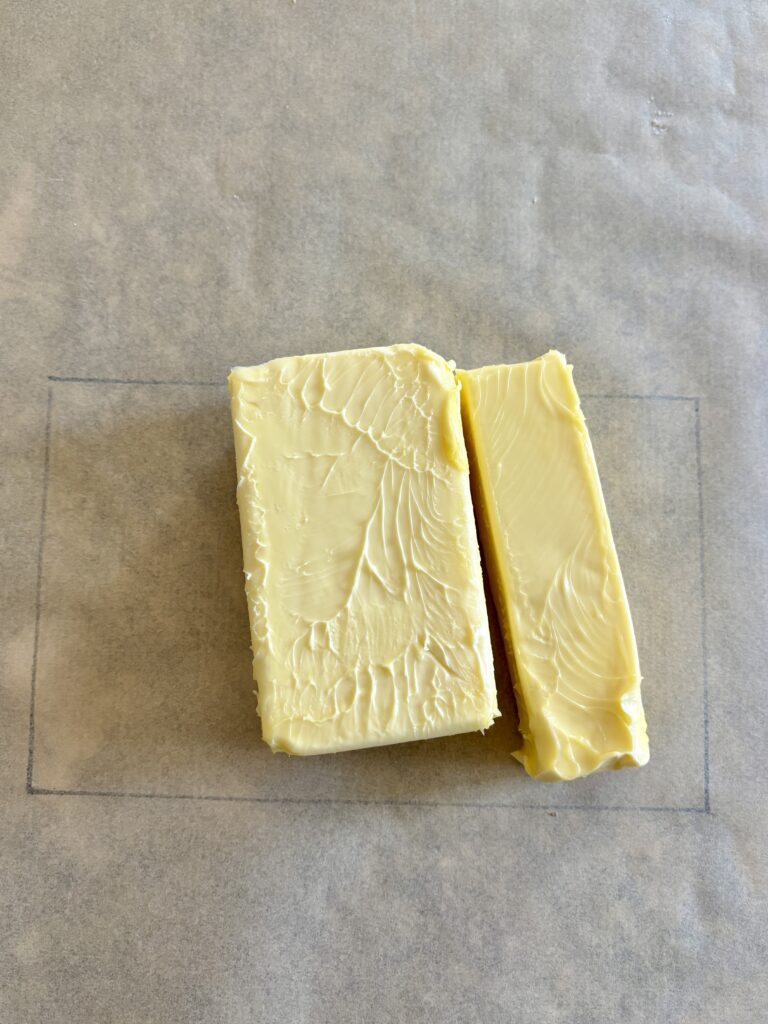
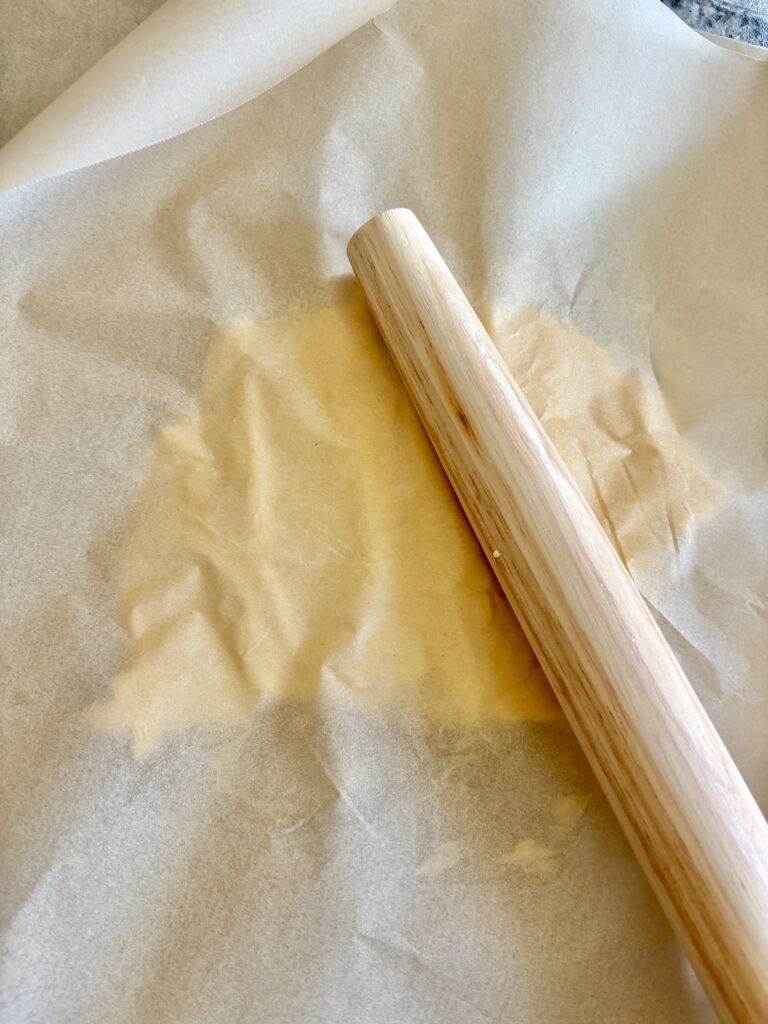
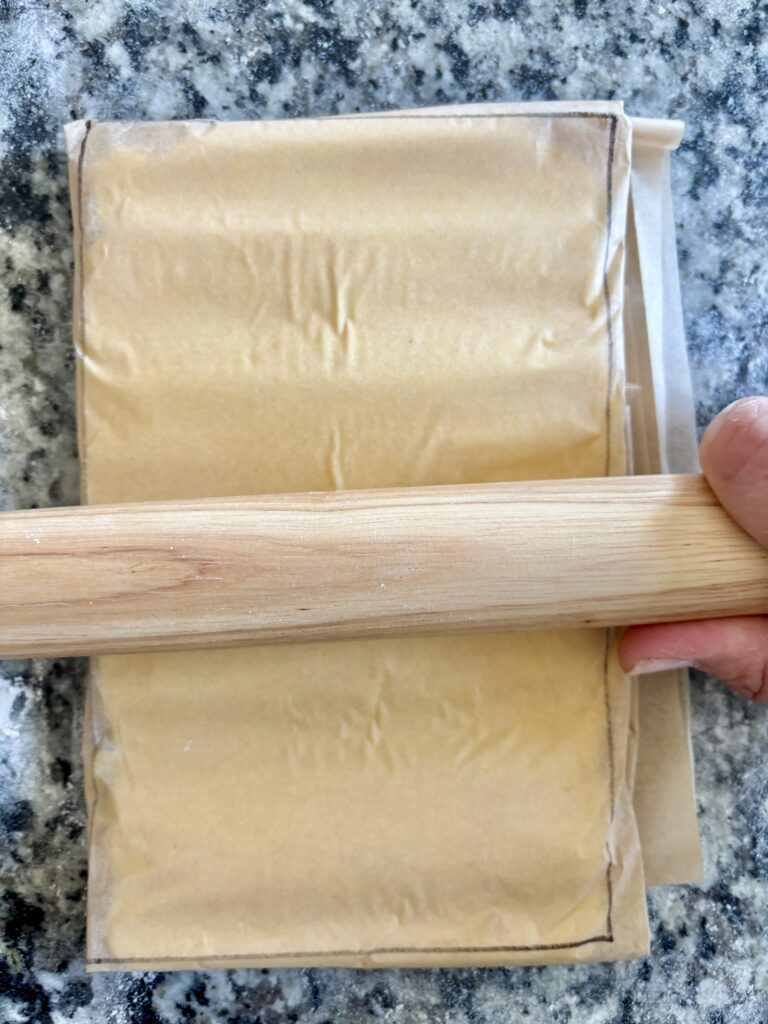
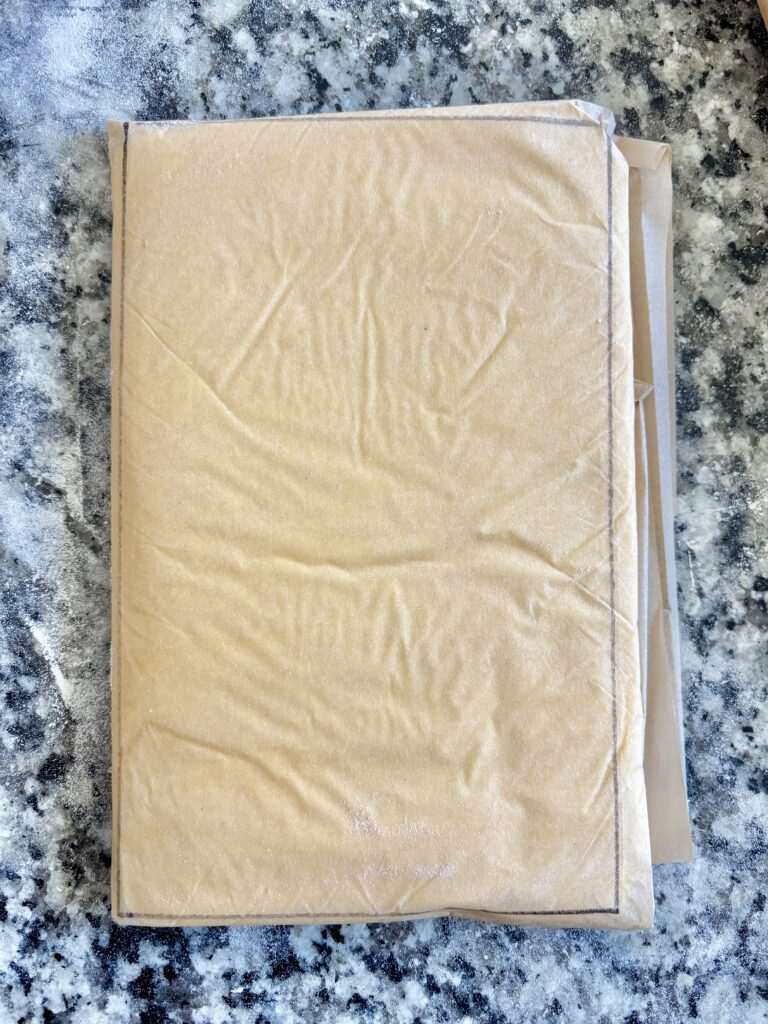
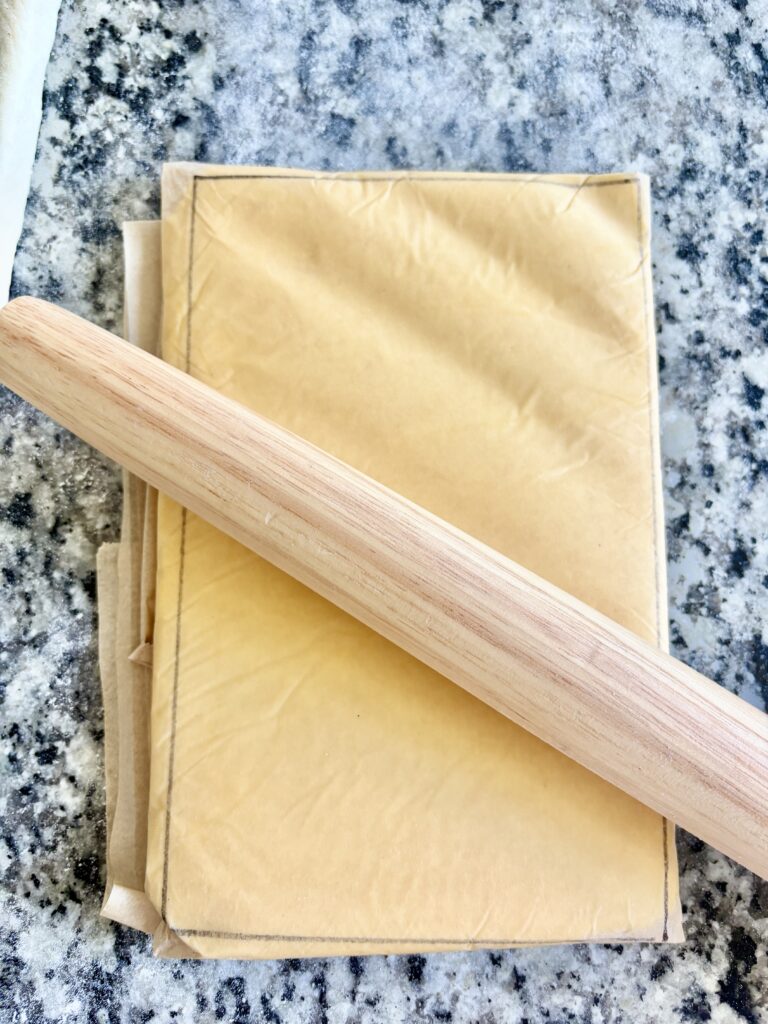
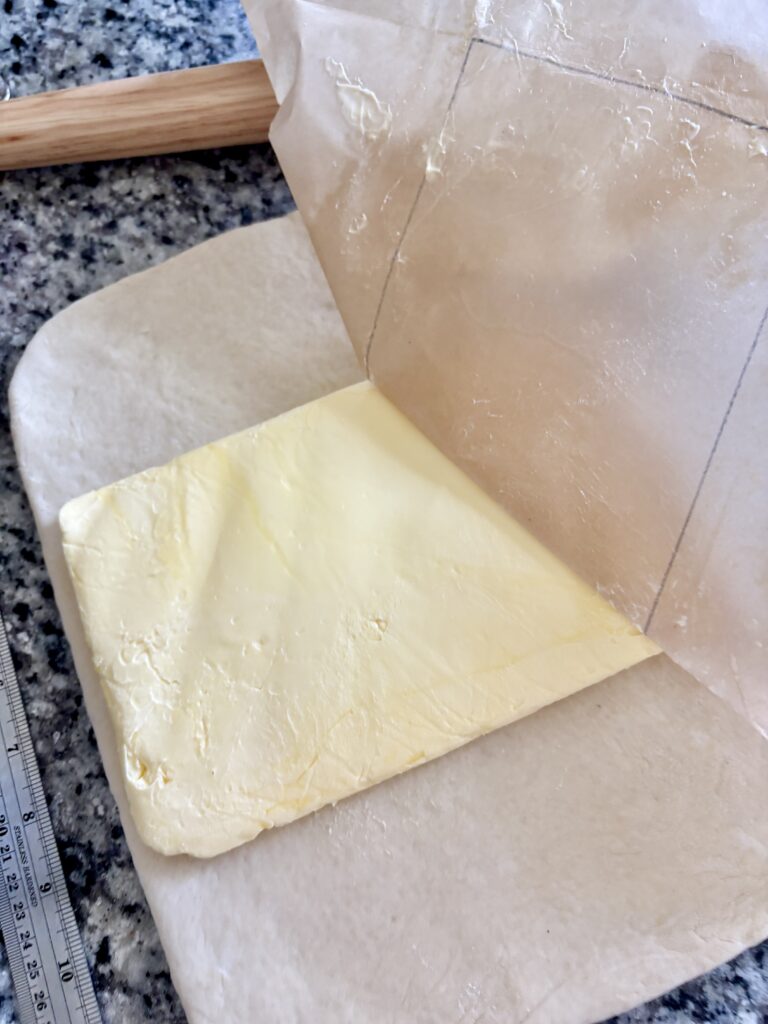
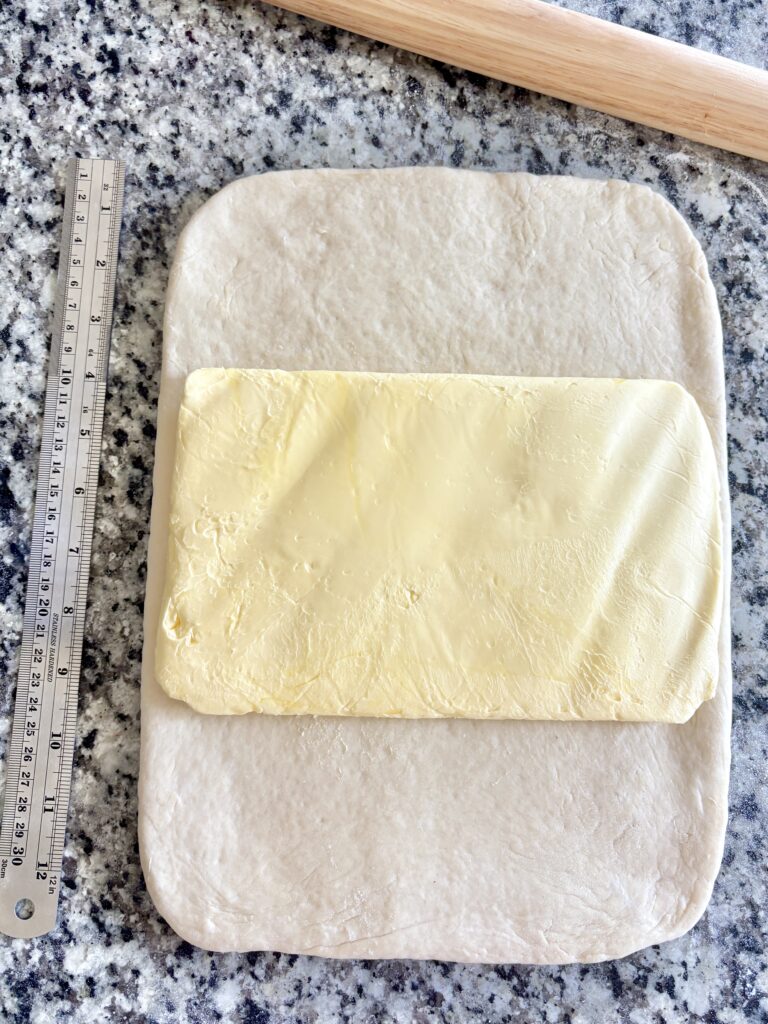
Instead of mixing the butter into the dough, you’ll shape the butter into a thin rectangle. The butter and dough should feel nearly identical in firmness before you begin laminating. The butter should be cold, smooth, evenly thick, and flexible but not soft.
Step 3: Lamination
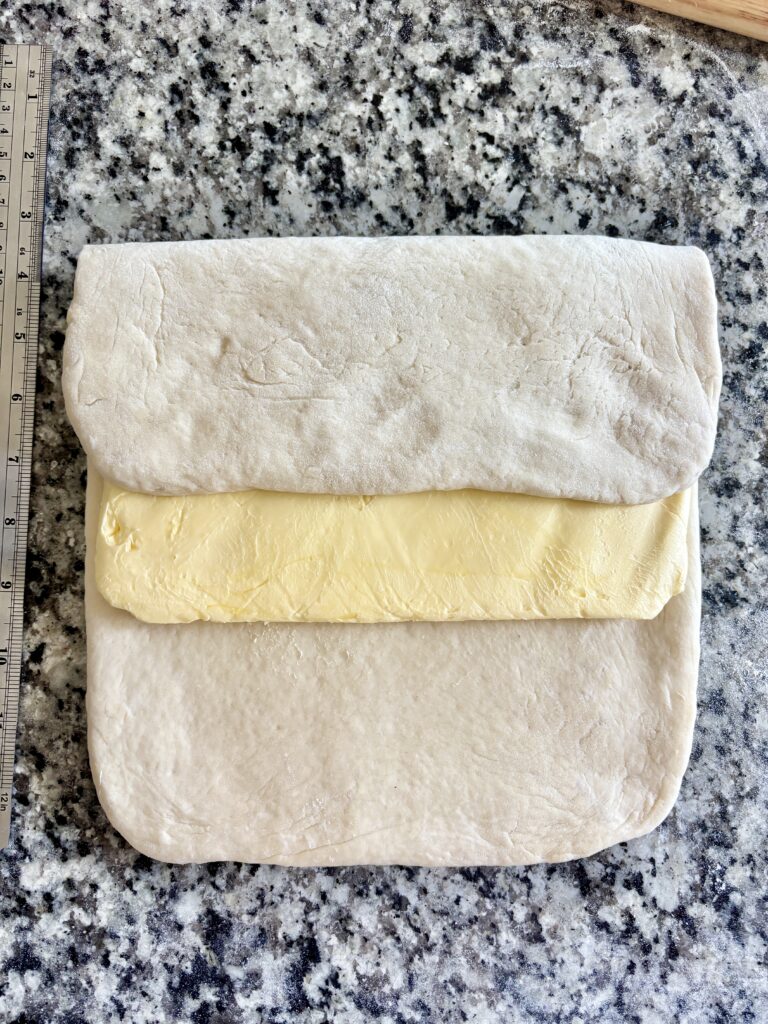
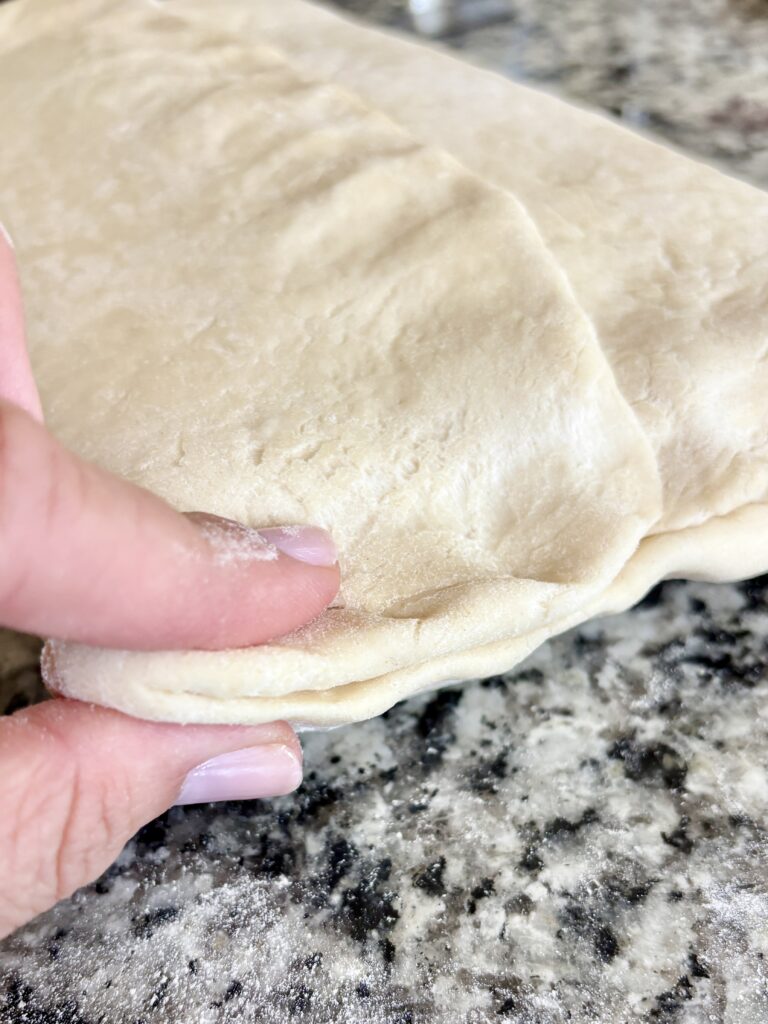
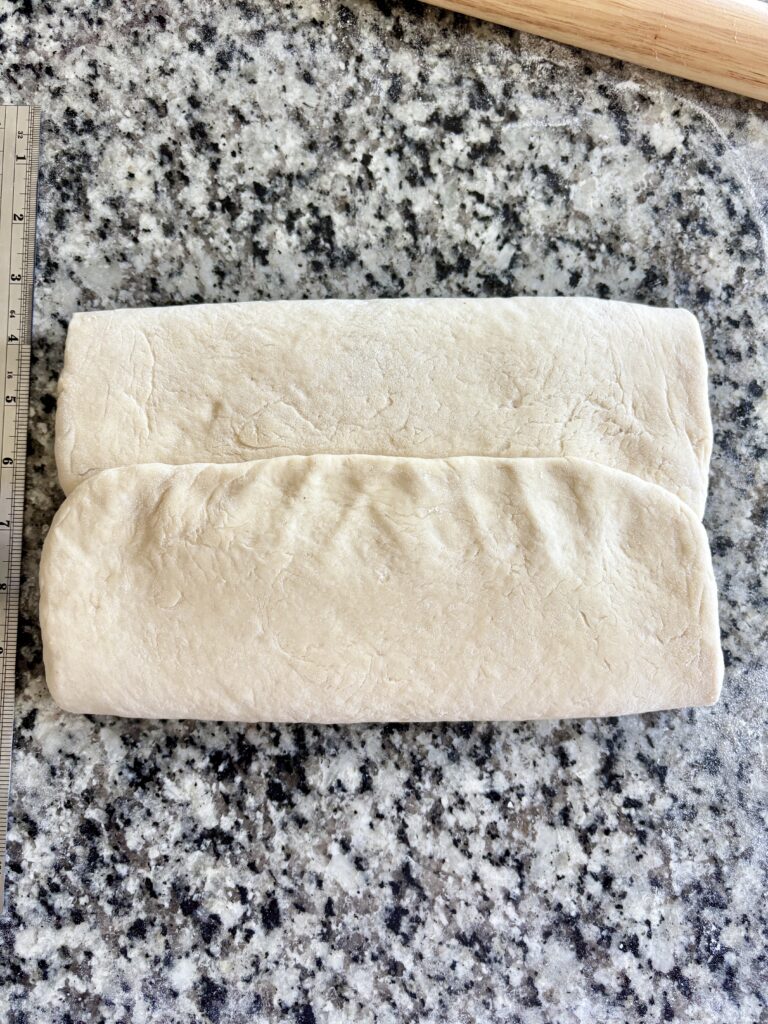
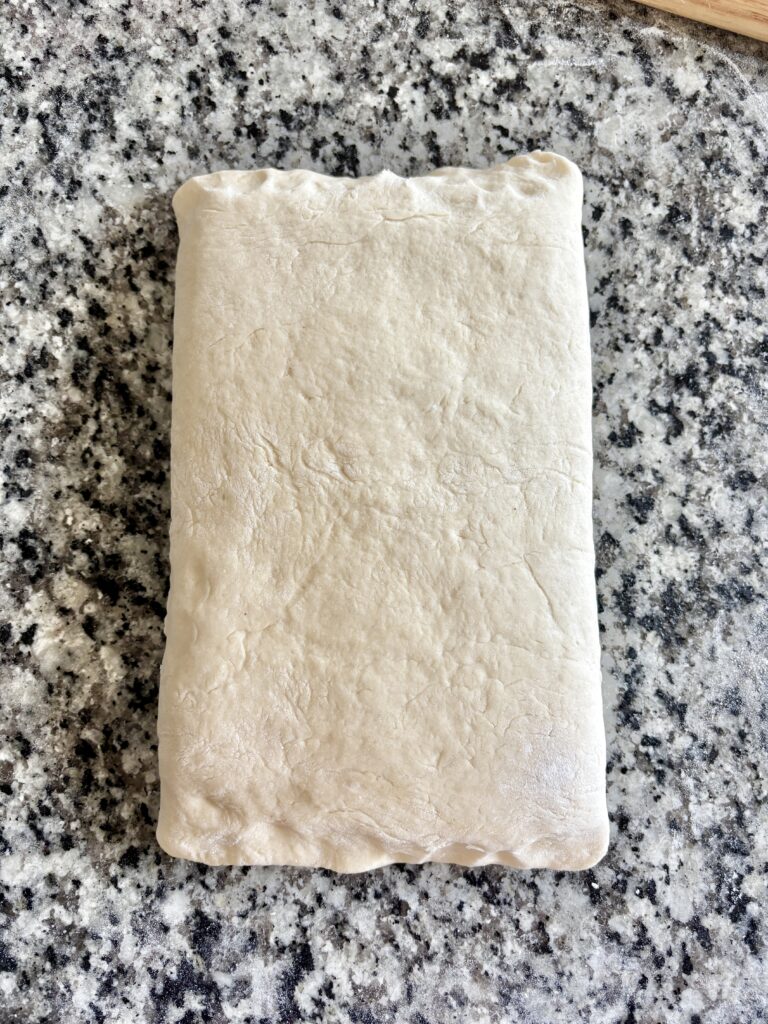
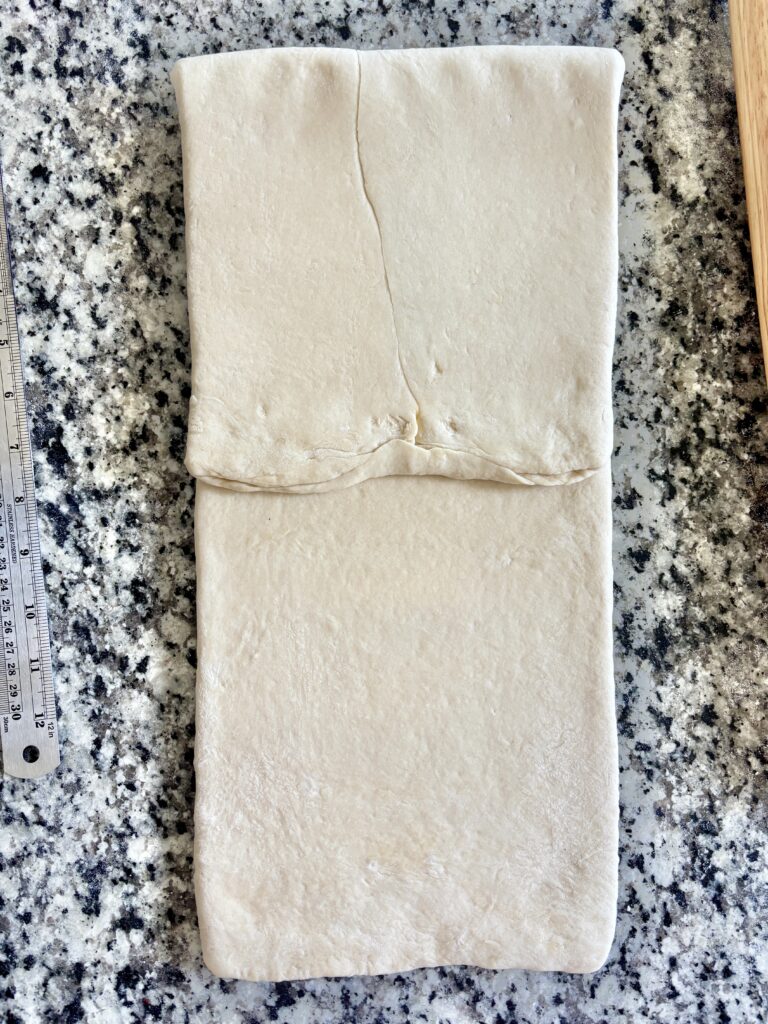
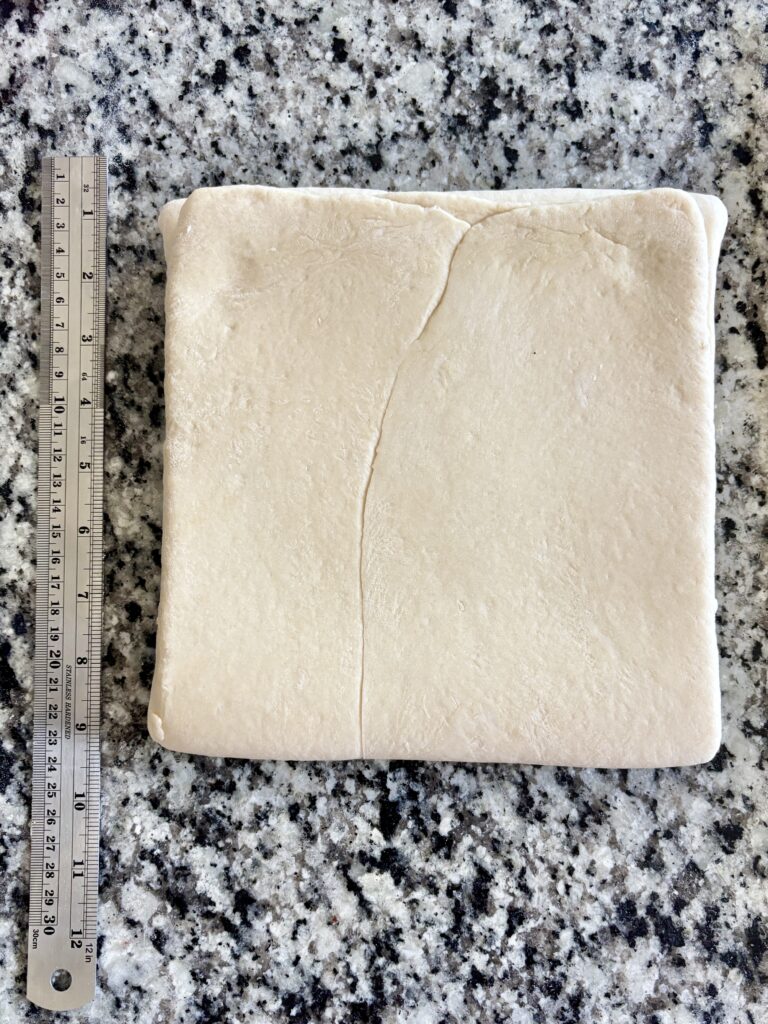
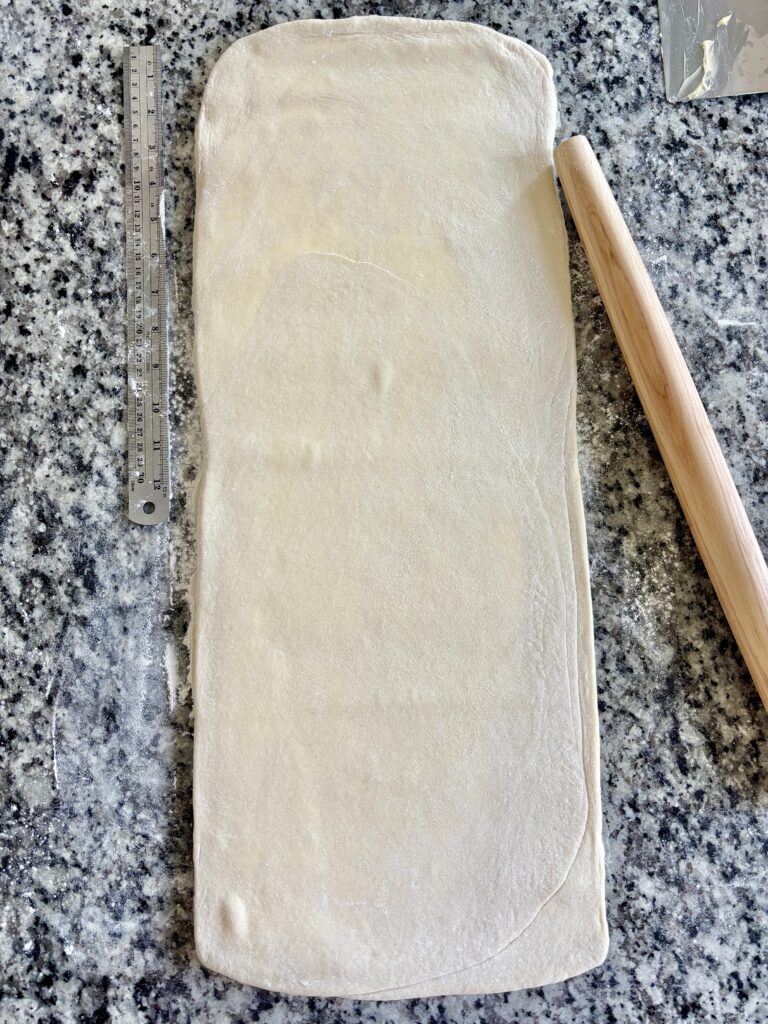
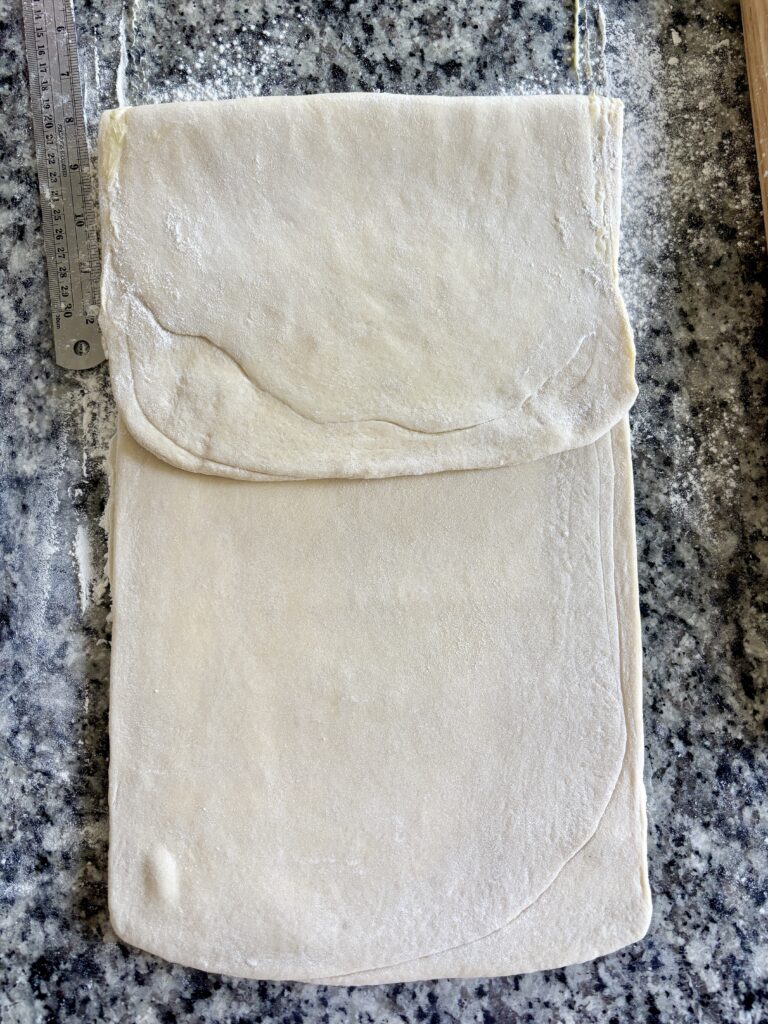
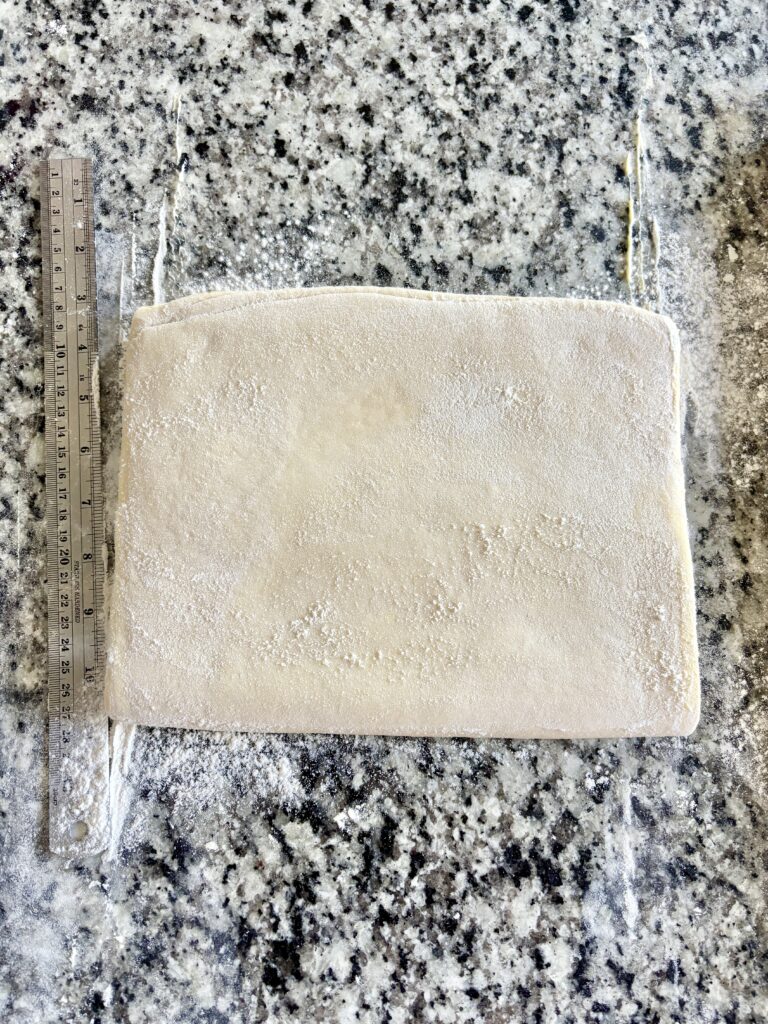
The lamination step is what creates hundreds of those flaky layers. The butter we created in step 2 is enclosed inside the dough before rolling and folding it repeatedly. This recipe uses three letter folds, with chilling between each fold. Every fold multiplies the number of butter layers inside the dough. The key is keeping everything cold! If the butter becomes soft or begins leaking, simply refrigerate the dough before continuing. I will also add a little flour to the leaking spot too to help cover it.
Step 4: Roll and Shape
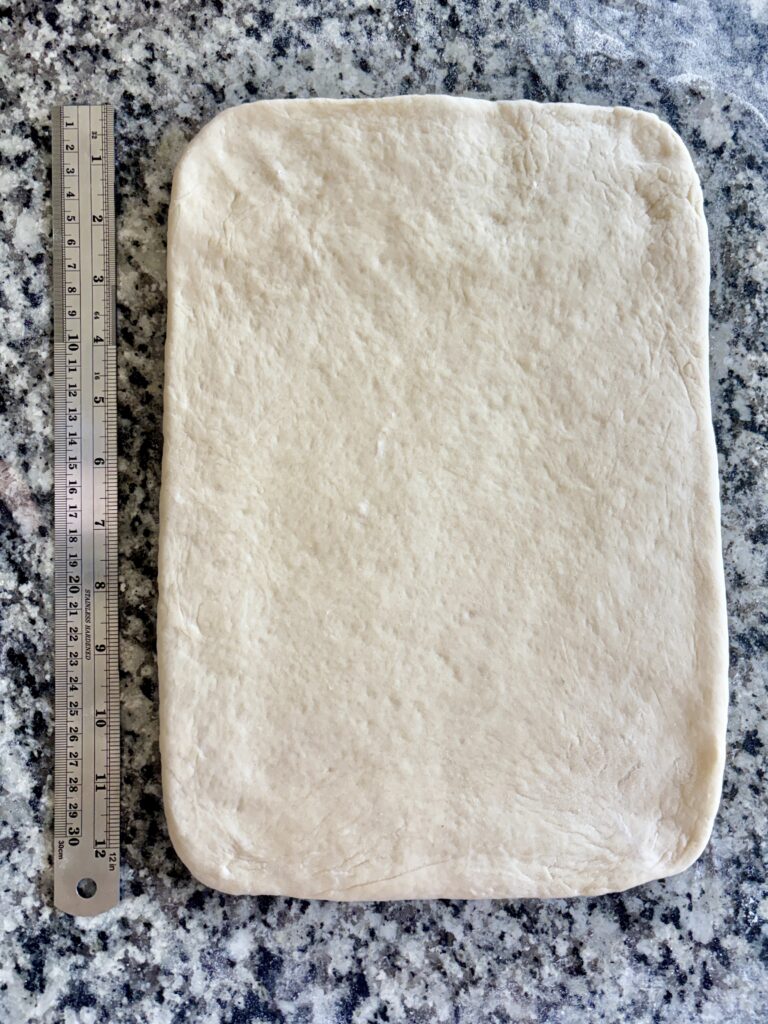
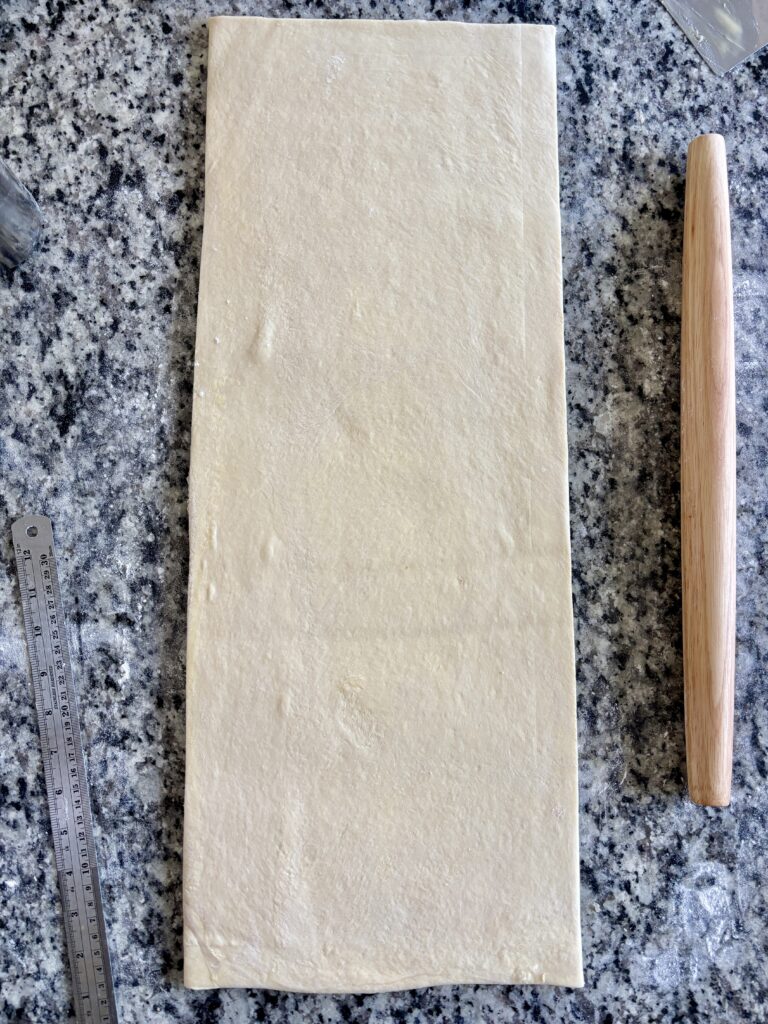
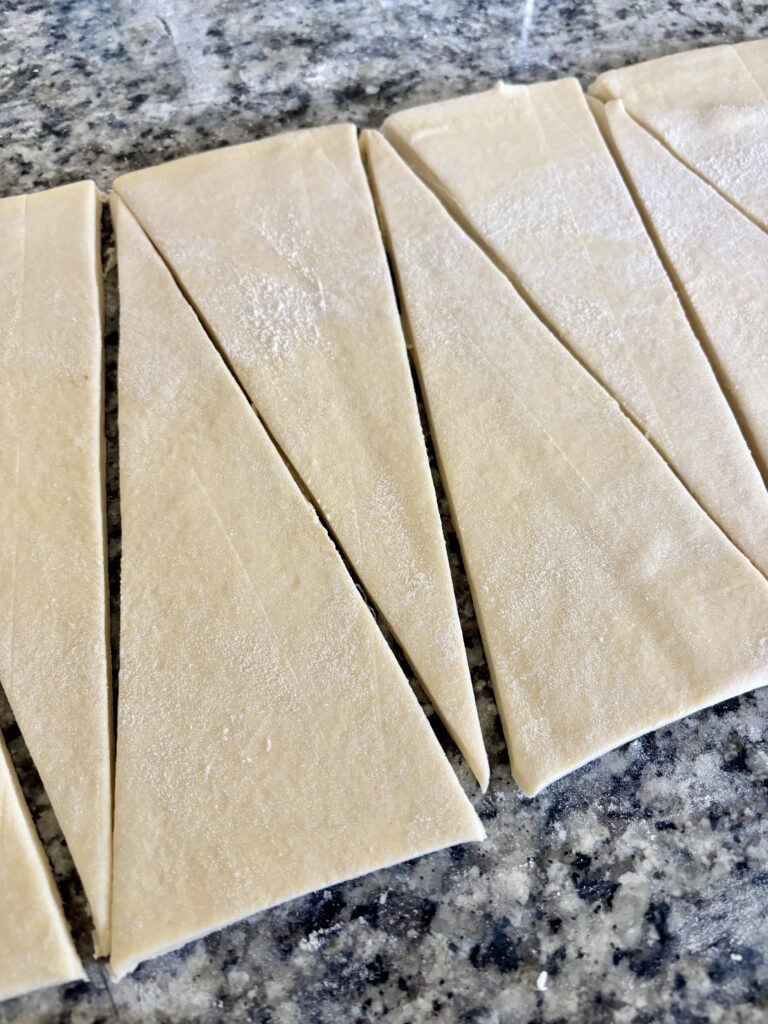
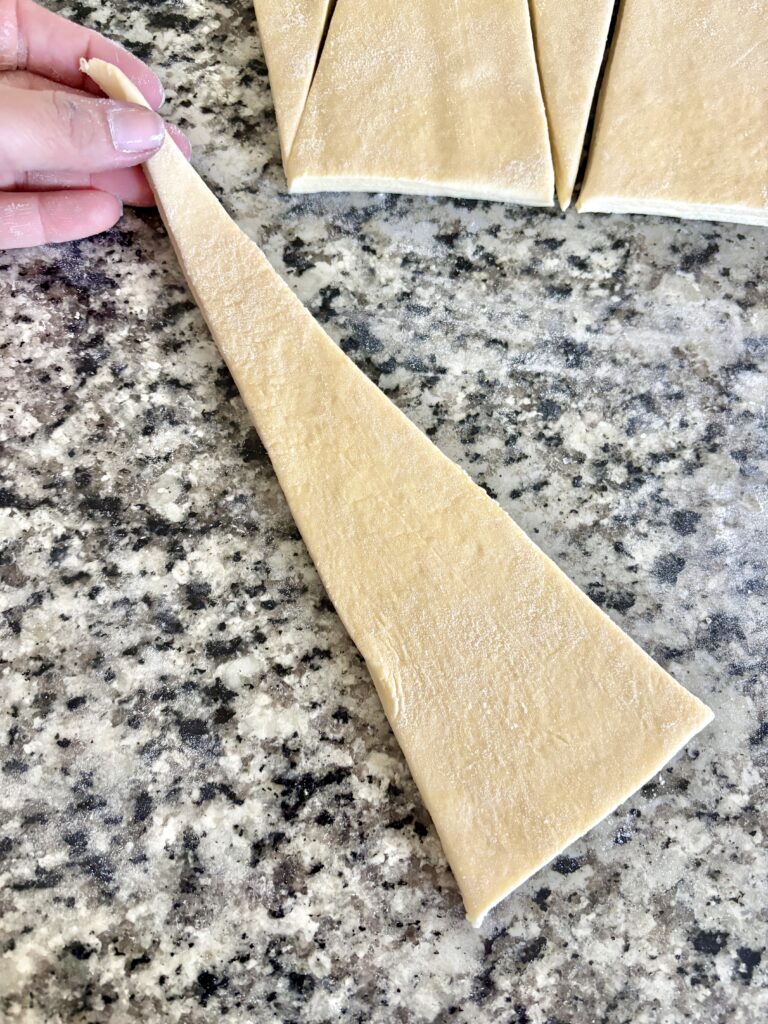
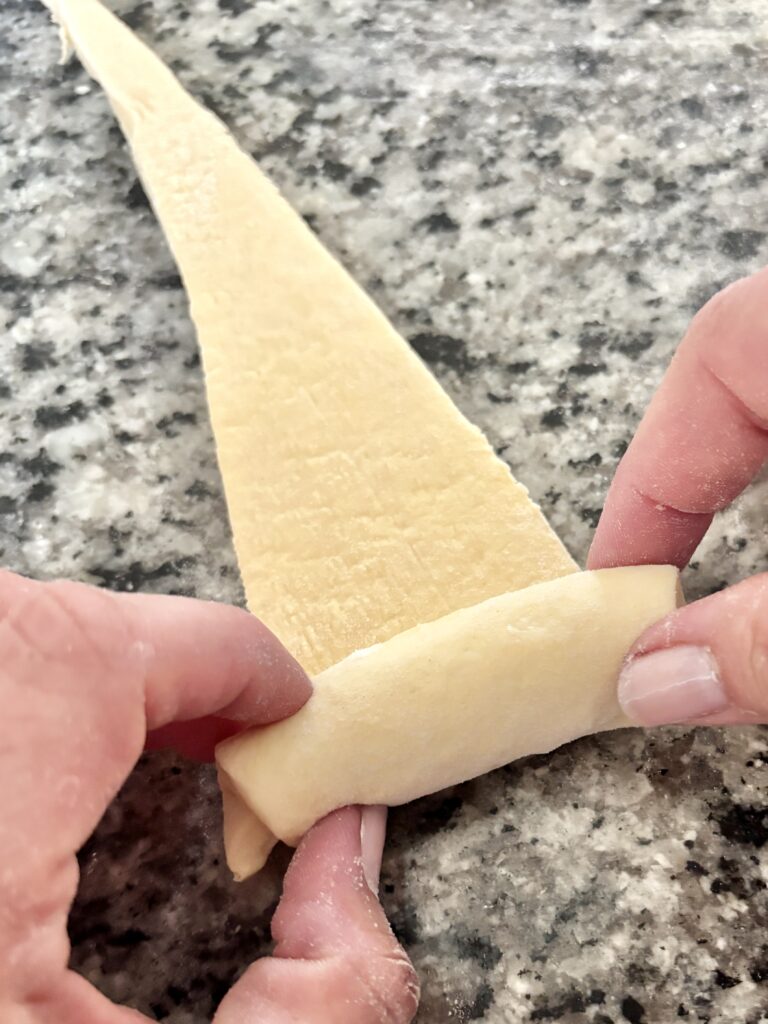
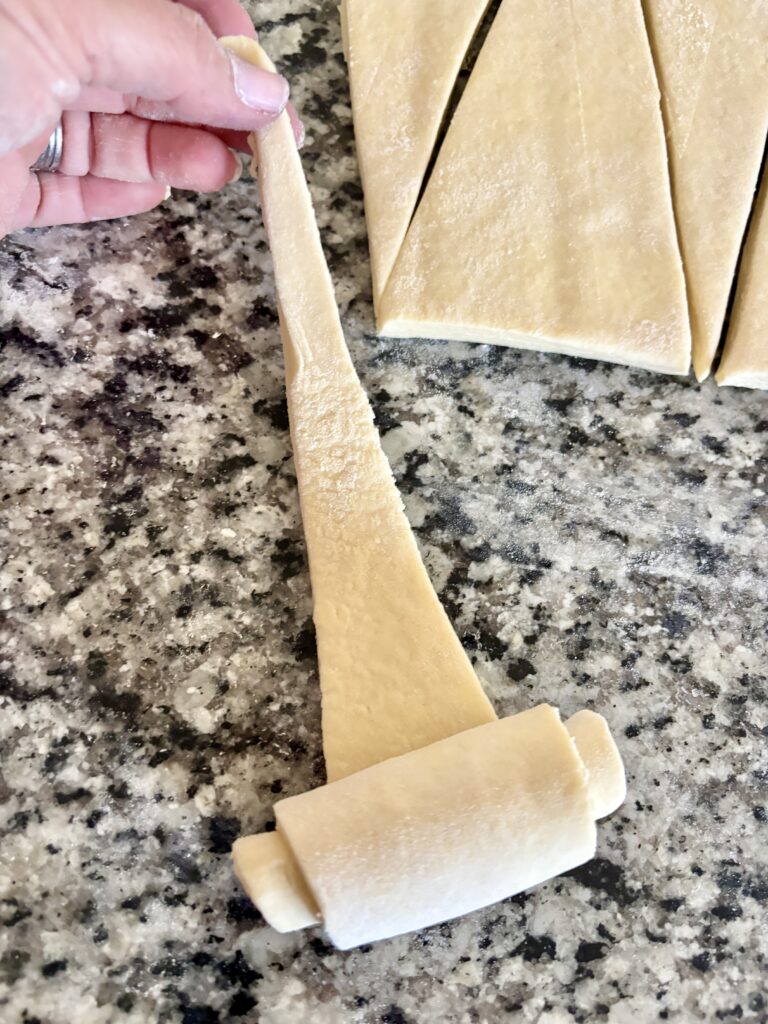
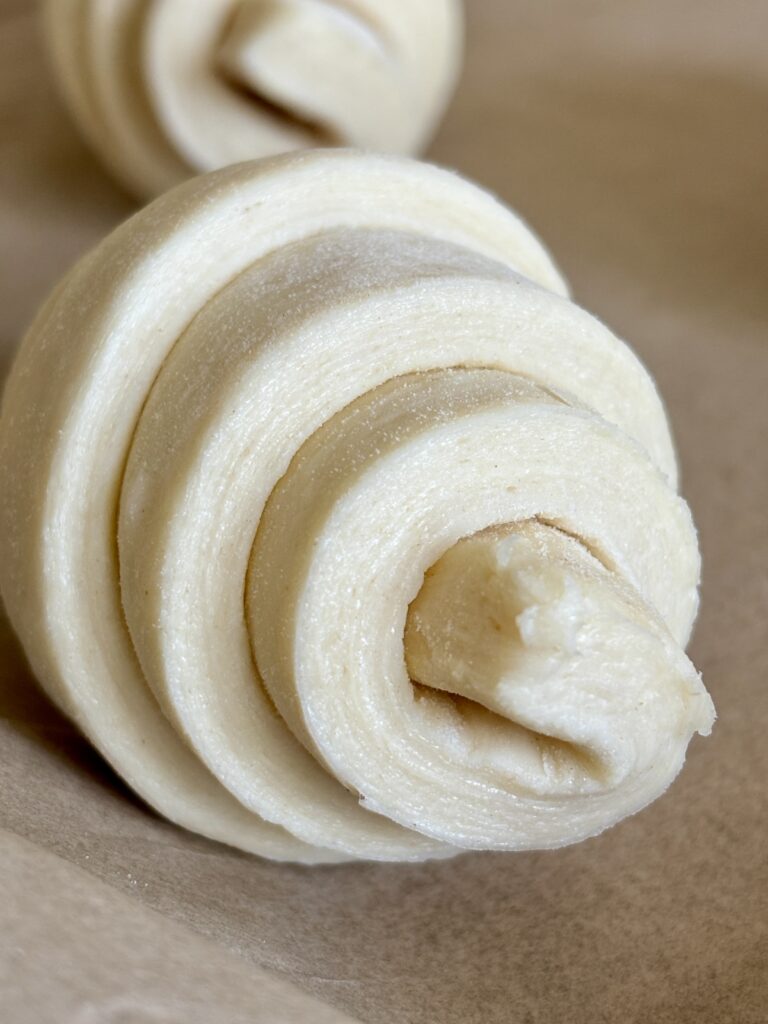
After the final rest, the dough is rolled to approximately ⅛-inch thick. Using a ruler helps a lot to create evenly sized triangles. Each triangle is gently stretched before rolling from the base toward the tip. Avoid rolling too tightly, as the dough needs room to expand while proofing.
Step 5: Proof
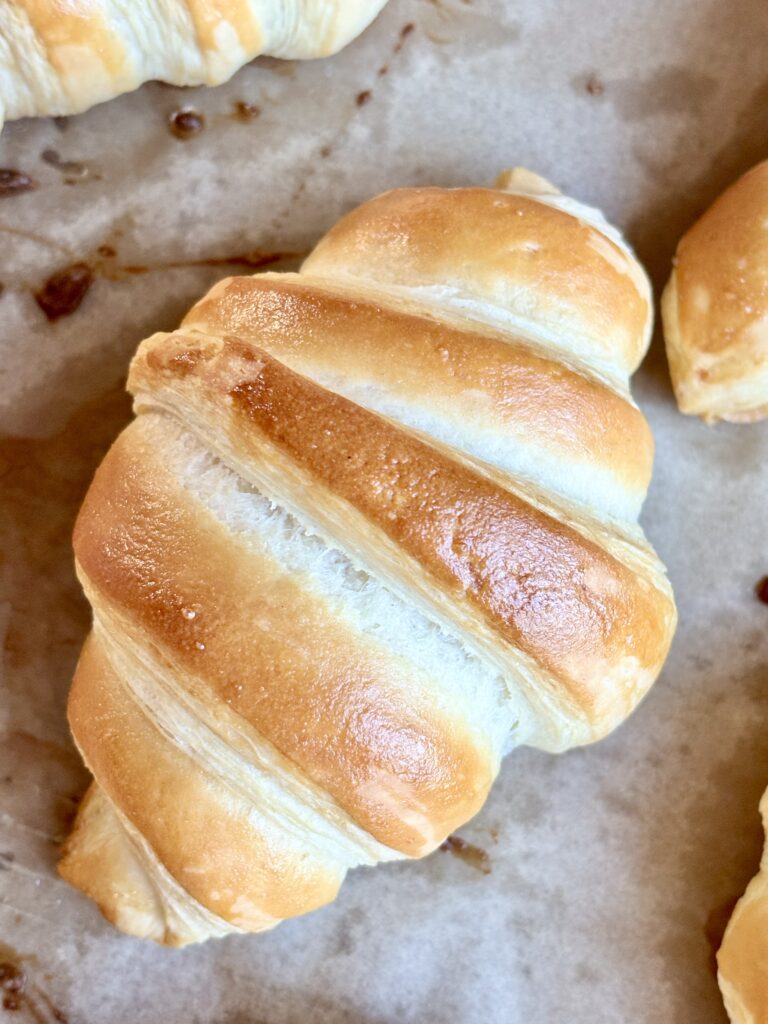
Proofing is one of the most important and often overlooked steps (even by me when I first started making croissants!). Rushing this step often results in dense croissants. Properly proofed croissants should look noticeably puffy, jiggle slightly when the pan is gently shaken, have visible layers, and will feel light.
Step 6: First Bake
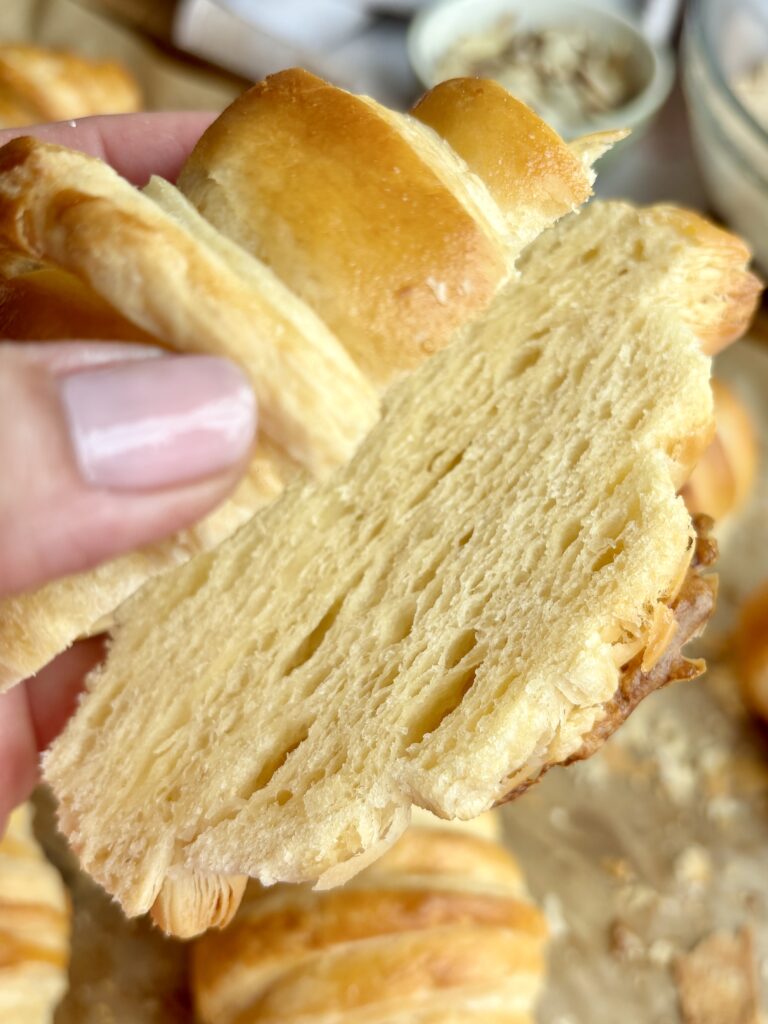
The first bake transforms the laminated dough into beautifully golden croissants. The butter creates steam, lifting each layer apart and producing that classic honeycomb interior. Allow the croissants to cool completely before filling.
Step 7: Fill with Frangipane
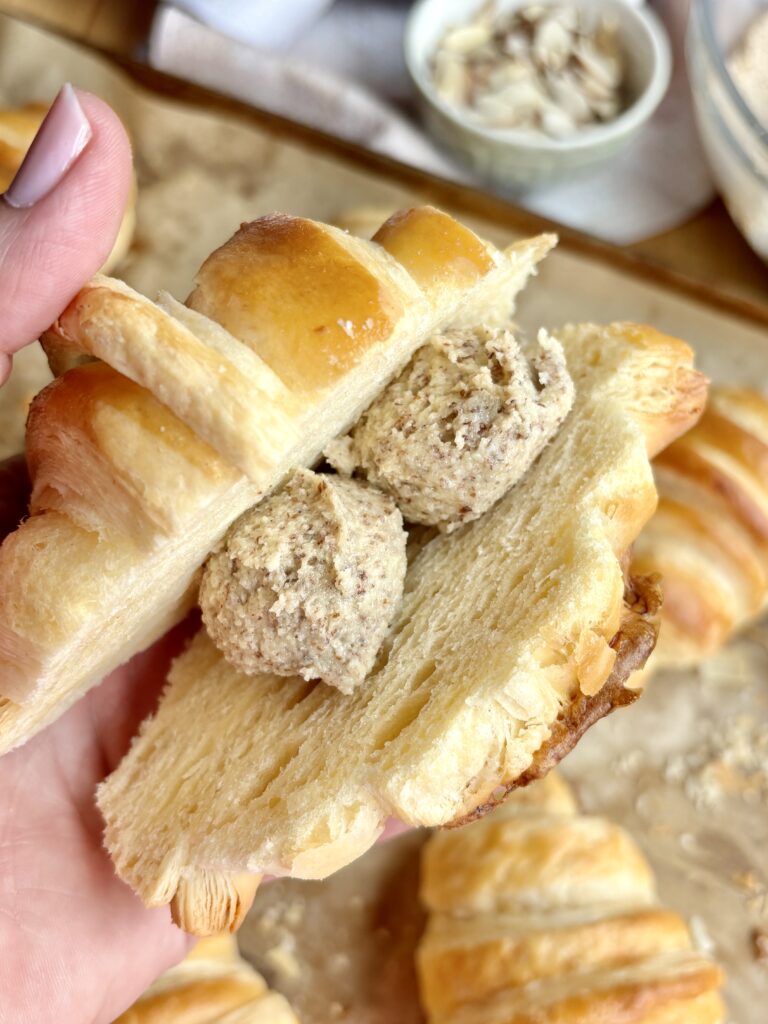
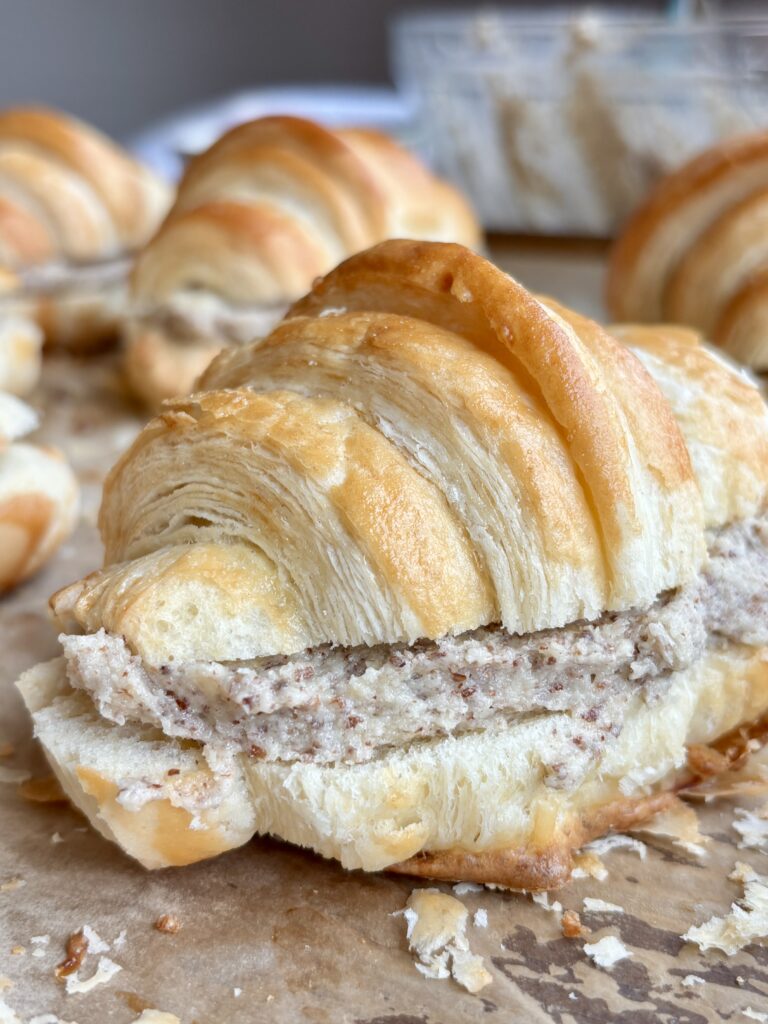
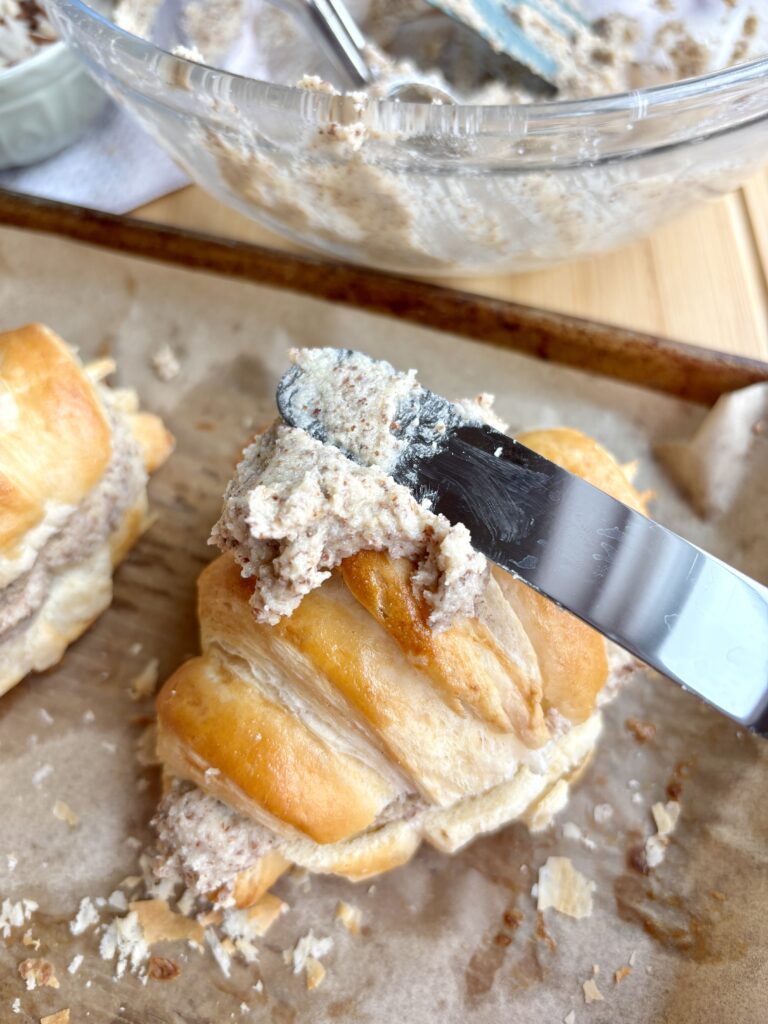
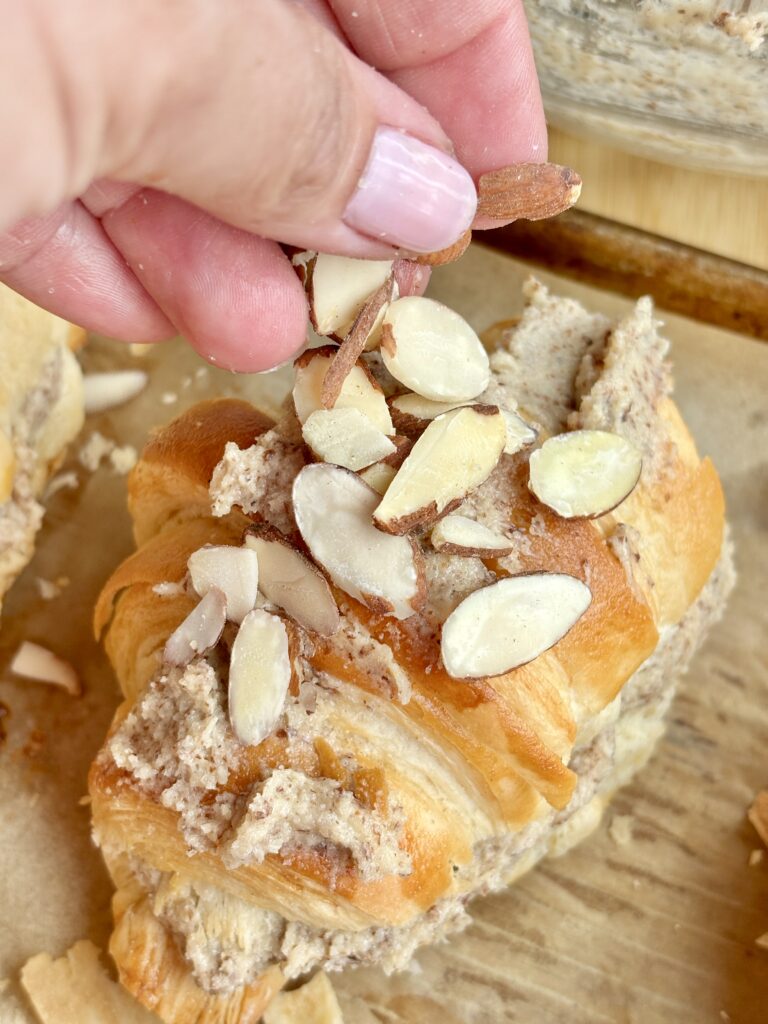
Using a serrated knife, slice each cooled croissant in half horizontally. Spread a generous layer of homemade almond frangipane inside each croissant before gently closing it. Spread another thin layer of frangipane over the top, then generously sprinkle with sliced almonds.
Step 8: Second Bake
The filled croissants return to the oven for a short second bake. This step helps set the frangipane, toasts the almonds, creates crisp edges, and gives almond croissants their signature bakery appearance After cooling slightly, finish with powdered sugar.
Common Croissant Mistakes (and How to Fix Them)
Butter is leaking out while rolling.
Your dough has become too warm. Refrigerate it for 20–30 minutes before continuing.
My butter cracked into pieces.
The butter was too cold. Let it sit at room temperature for a few minutes before laminating.
My croissants didn’t puff.
They were likely under-proofed or your yeast wasn’t active.
My croissants are greasy.
The butter melted before baking, usually from over-proofing or warm dough.
My layers disappeared.
The butter and dough weren’t kept at similar temperatures, causing the butter to blend into the dough instead of creating distinct layers.
My croissants are dense.
They either needed more proofing time or were rolled too tightly during shaping.
Can I Substitute?
Yes! Like always though, any substitutions made to the recipe can result in a change in texture and/or flavor.
- European Butter: Standard unsalted butter can be used in a pinch, but the croissants won’t be quite as flaky or flavorful.
- Bread Flour: If needed, use all-purpose flour, though the croissants may have a slightly softer structure.

Leftovers and Storage
- Room Temperature: Store leftover almond croissants in an airtight container at room temperature for up to 24 hours.
- Refrigerator: Store in an airtight container in the refrigerator for 3–4 days.
- For the best texture, avoid storing them uncovered, as the pastry will dry out quickly.
- Freezer: Wrap individually and freeze for up to 2 months. Reheat from frozen.
- How to Reheat Almond Croissants:
- 300°F oven: 5–8 minutes (best method)
- 325°F from frozen: 10–15 minutes
- Air fryer: 300°F for 3–4 minutes
- Microwave: Not recommended, as it softens the flaky layers.
- After reheating, dust with a fresh sprinkle of powdered sugar before serving for that fresh-from-the-bakery finish.

24 vs 48-Hour Sample Croissant Schedules
24-Hour Schedule
| Time | What You’ll Do |
|---|---|
| Day 1 — Morning | Mix dough, knead, complete first rise |
| Day 1 — Midday | Chill dough 1–2 hours |
| Day 1 — Afternoon | Prepare butter slab and complete all three lamination folds with chilling between each fold |
| Day 1 — Evening | Refrigerate laminated dough overnight |
| Day 2 — Morning | Roll, cut, shape, proof, bake croissants |
| Day 2 — Late Morning | Cool completely, fill with frangipane, top with almonds, bake again, dust with powdered sugar |
Relaxed Two-Day Schedule
| Day | Task |
|---|---|
| Day 1 — Morning | Mix dough and complete first rise |
| Day 1 — Afternoon | Chill dough, prepare butter slab, complete first and second folds |
| Day 1 — Evening | Complete third fold and refrigerate overnight |
| Day 2 — Morning | Roll, cut, shape and proof croissants |
| Day 2 — Midday | Bake croissants and cool completely |
| Day 2 — Afternoon | Prepare frangipane, fill croissants, top with almonds, bake a second time and serve |


But, I Still Have A Few Questions…
Can I make almond croissants in one day?
You can, and I often prefer this (although many would probably side eye me for this). I like how the dough and butter keep a more consistent texture and my lamination is often better and easier. However those who like the 48 hour schedule appreciate the overnight rest, which helps develop better flavor and can make the dough easier to work with.
Can I use store-bought croissants instead?
Absolutely! If you’re short on time, simply fill day-old croissants with the frangipane, top with more filling and sliced almonds, then bake until golden per recipe instructions.
Why is European butter recommended?
European butter has a higher butterfat content and lower water content, creating flakier layers and richer flavor. (See above for a more detailed explanation).
Can I freeze the dough?
Yes. Freeze the laminated dough after the final fold for up to one month. Thaw completely overnight in the refrigerator before shaping.
Can I freeze baked almond croissants?
Yes. Wrap individually and freeze for up to 2 months. Reheat from frozen in a 325°F oven for 10–15 minutes until warmed through and crisp.
How do I know when they’re proofed?
They should look noticeably puffy, wobble slightly when you gently shake the baking sheet, and feel light and airy.
Why do I bake them twice?
The first bake creates the flaky croissant. The second bake sets the frangipane and toasts the almonds, giving almond croissants their signature bakery finish.
Can I make the frangipane ahead of time?
You absolutely can! Store it in the refrigerator for up to 5 days. Let it soften slightly at room temperature before spreading.
Why slice the croissants after baking instead of filling before?
This keeps the croissant layers light and crisp while allowing the frangipane to bake into the pastry during the second bake.
Other Recipes You’ll Love


Let’s engage!
Make sure to tag @thehomechefmomma on Instagram or Facebook, and leave a review or comment if you make these. I always get so excited to see your creations, variations of the recipe, and feedback! Just remember to be kind in your comments, there is still a person behind this screen! 🙂
Flaky Almond Croissants
Ingredients
Croissant Dough
- ⅔ cup warm milk 100–110°F
- 2 tablespoons granulated sugar
- 3 teaspoons active dry yeast
- ¾ cup cold water
- 2½ cups bread flour
- 1½ cups all-purpose flour
- 1 teaspoon kosher salt
- 2 tablespoons softened unsalted butter
Butter Block
- 1½ cups European-style unsalted butter cold
Egg Wash
- 1 large egg
- 1 tablespoon heavy cream
Almond Frangipane
- 6 tablespoons softened unsalted butter
- ⅔ cup granulated sugar
- ½ teaspoon kosher salt
- 1¼ cups superfine almond flour
- 1 large egg
- 2 teaspoons almond extract
For Finishing
- 3 –4 tablespoons sliced almonds
- Powdered sugar
Instructions
Step 1: Make the Dough
- Combine the warm milk, sugar, and yeast. Let stand for 5–10 minutes until foamy.
- In the bowl of a stand mixer fitted with the dough hook, combine the bread flour, all-purpose flour, and salt.
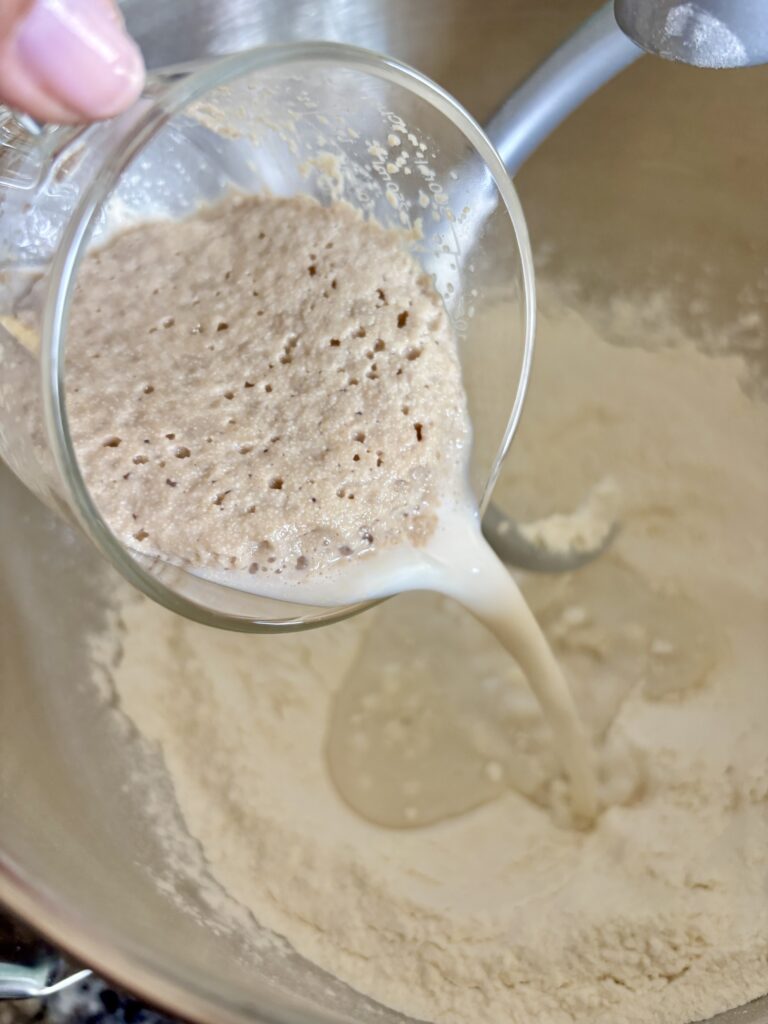
- Add the yeast mixture and cold water. Mix until a shaggy dough forms.
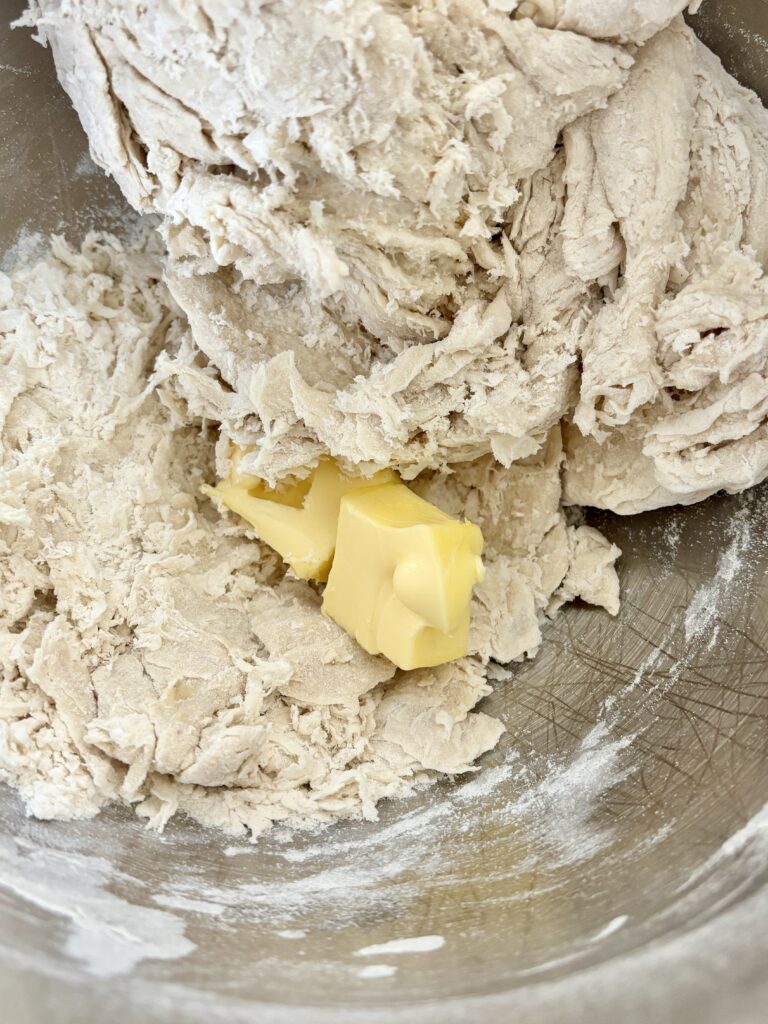
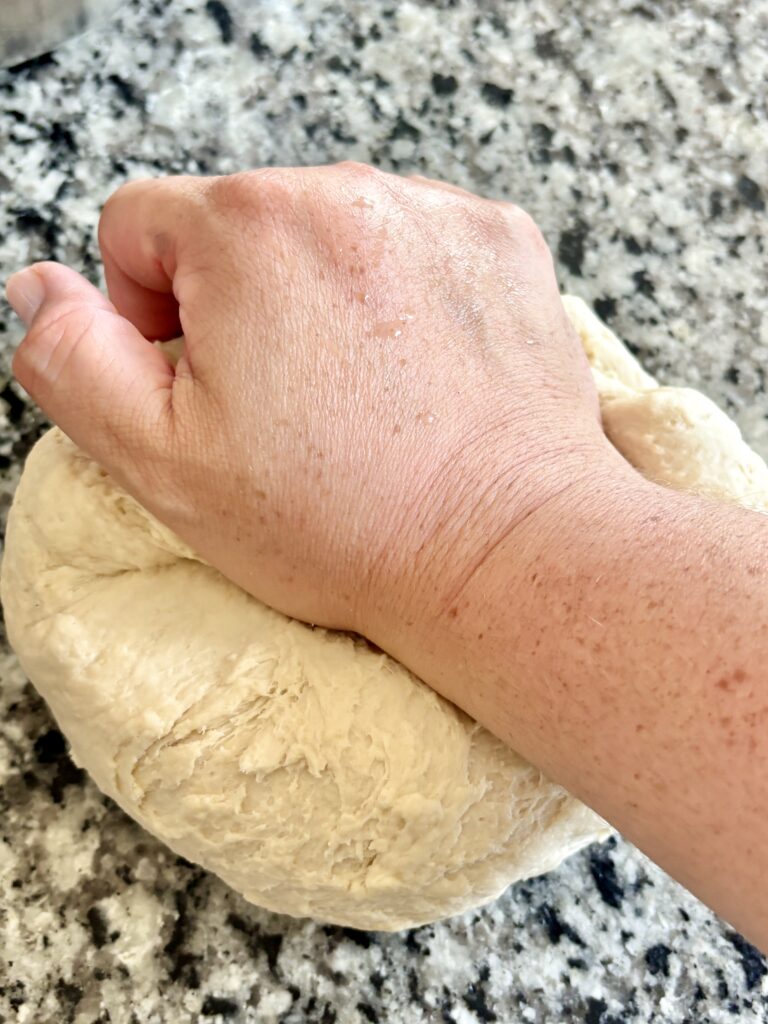
- Add the softened butter and knead for 6–8 minutes until smooth and elastic.
- Place the dough in a lightly greased bowl, cover, and let rise for 1 hour.
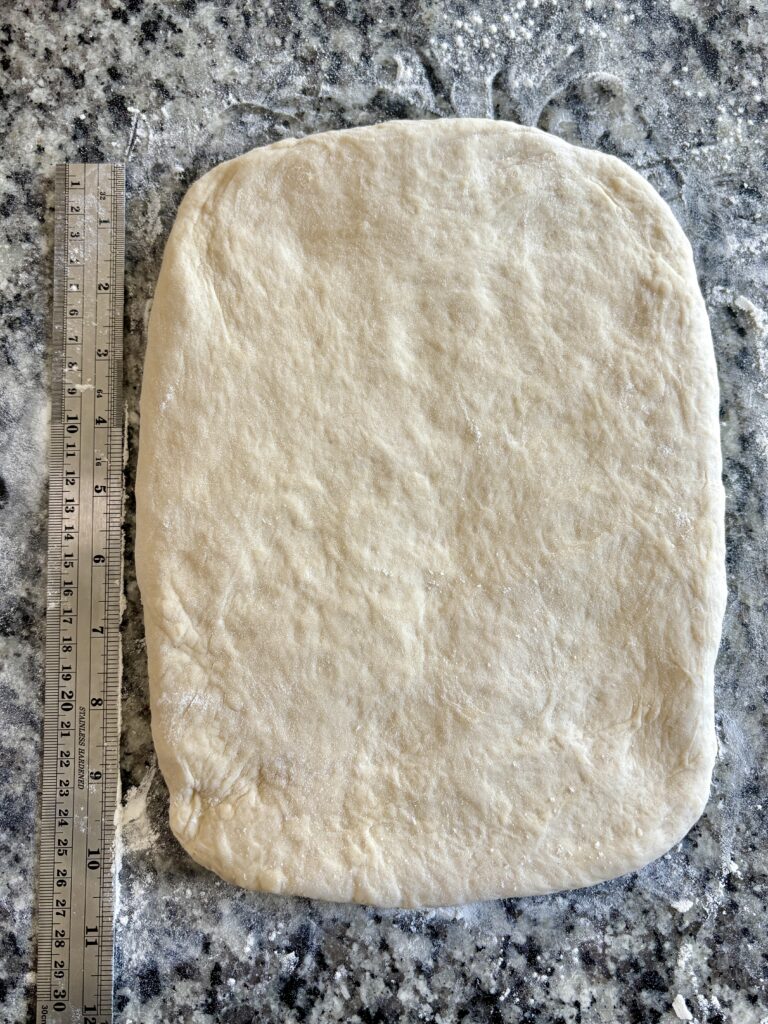
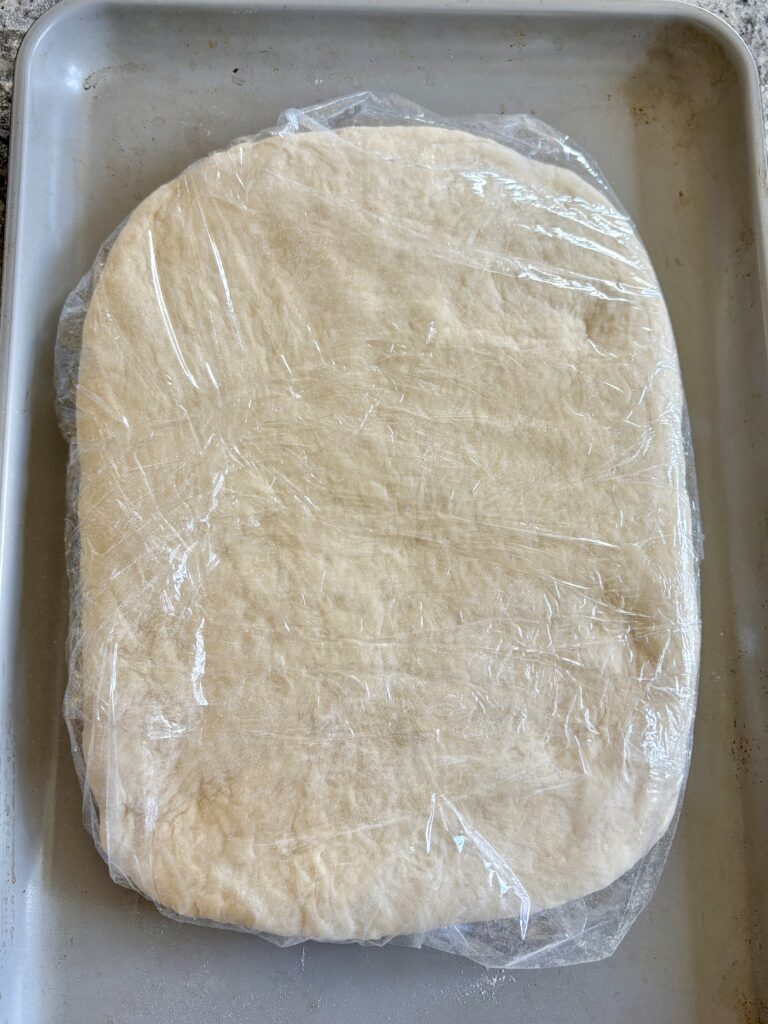
- Shape into an 8 x 10-inch rectangle, wrap tightly, and refrigerate for 1–2 hours or overnight.
Step 2: Prepare the Butter Block
- Place the butter between two sheets of parchment paper.
- Roll and pound into an 8 x 5-inch rectangle.
- Refrigerate until cold but pliable.
Step 3: Laminate the Dough
- Roll the chilled dough into an 8½ x 12-inch rectangle.
- Place the butter block in the center and fold the dough over it, sealing the edges. Then start with the first fold.
- Fold One:
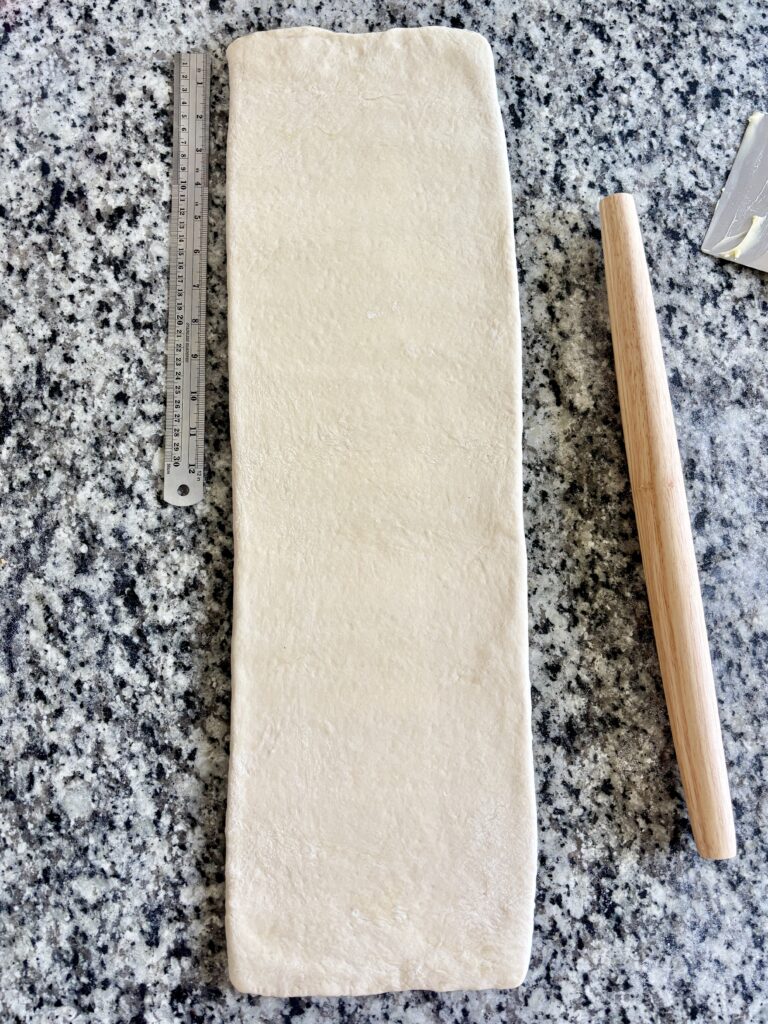
- Roll into an 8 x 24-inch rectangle.
- Fold into thirds like a letter.
- Chill 30–45 minutes.
- Fold Two:
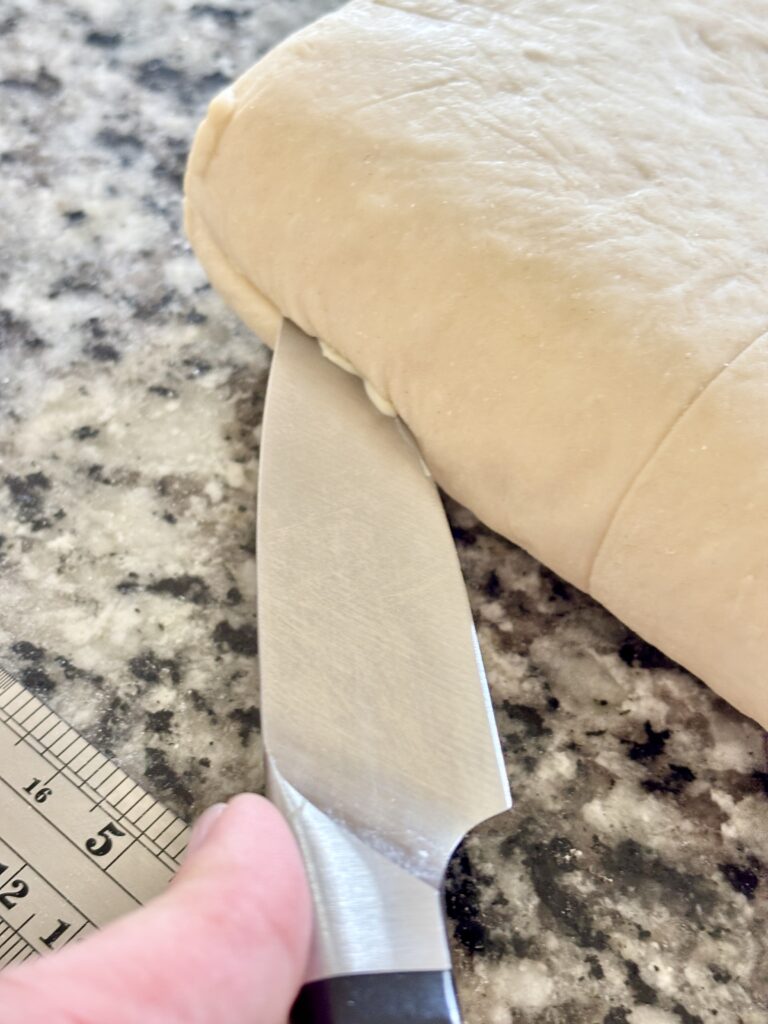
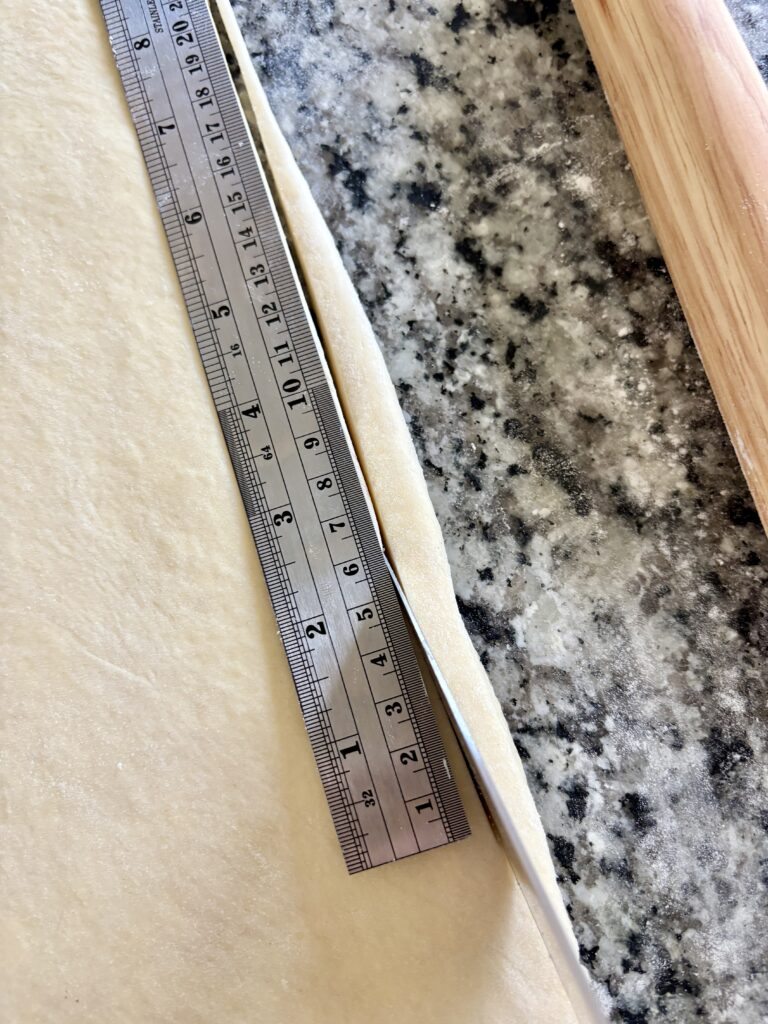
- Rotate the dough 90 degrees. Make a thin cut on the folded edges.
- Roll into an 8 x 24-inch rectangle.
- Fold into thirds.
- Chill 30–45 minutes.
- Fold Three:
- Repeat one final letter fold (as above).
- Wrap tightly.
- Refrigerate at least 1 hour, preferably overnight.
Step 4: Shape the Croissants
- Make a thin cut on the folded edges again. Roll the dough into a 10 x 24-inch rectangle about ⅛ inch thick.
- Trim the edges for clean layers.
- Cut into triangles approximately 4 inches wide by 8 inches tall.
- Gently stretch each triangle.
- Roll from the base toward the tip without rolling too tightly.
- Curve the ends slightly.
- Place on parchment-lined baking sheets.
Step 5: Final Proof
- Cover loosely.
- Proof at 70–75°F for 2–3 hours, or until very puffy and jiggly.
Step 6: First Bake
- Preheat oven to 400°F.
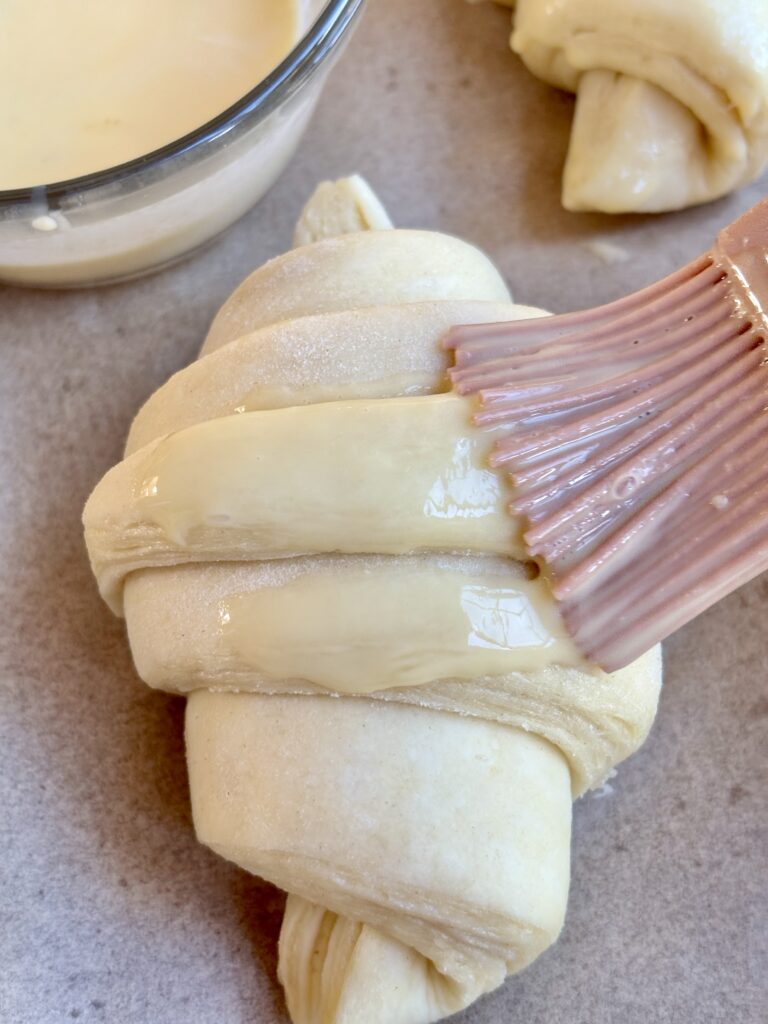
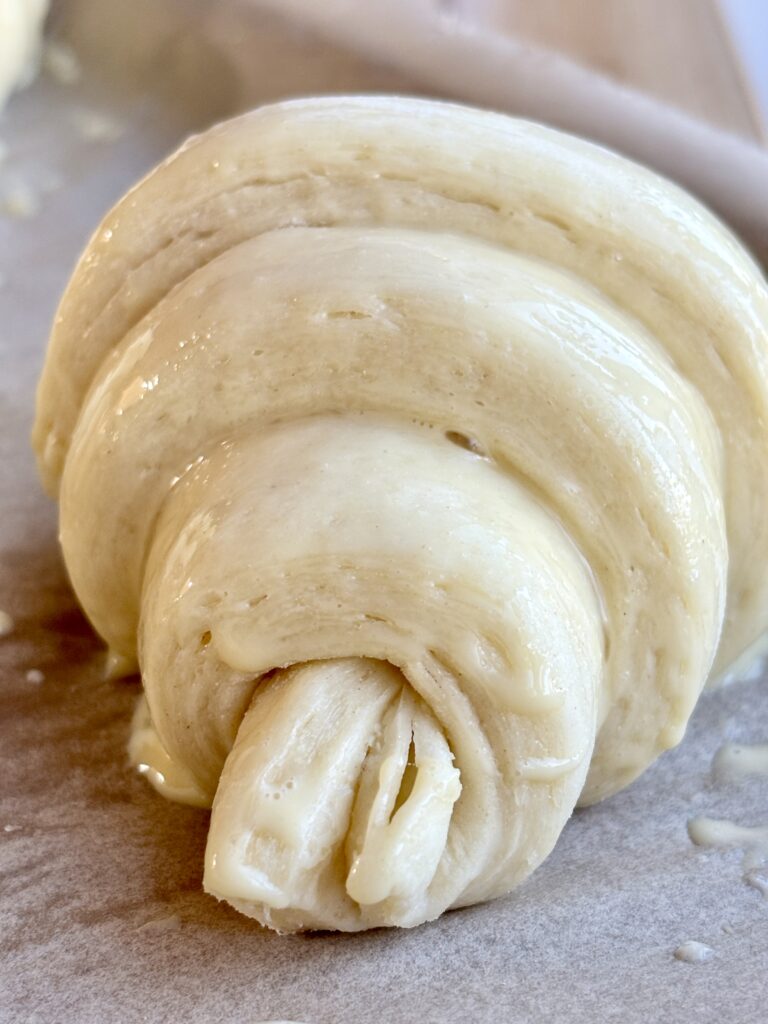
- Whisk together the egg and heavy cream. Brush the croissants with egg wash.
- Bake for 8 minutes.
- Reduce the oven temperature to 375°F. Continue baking for 12–16 minutes until deeply golden.
- Cool completely.
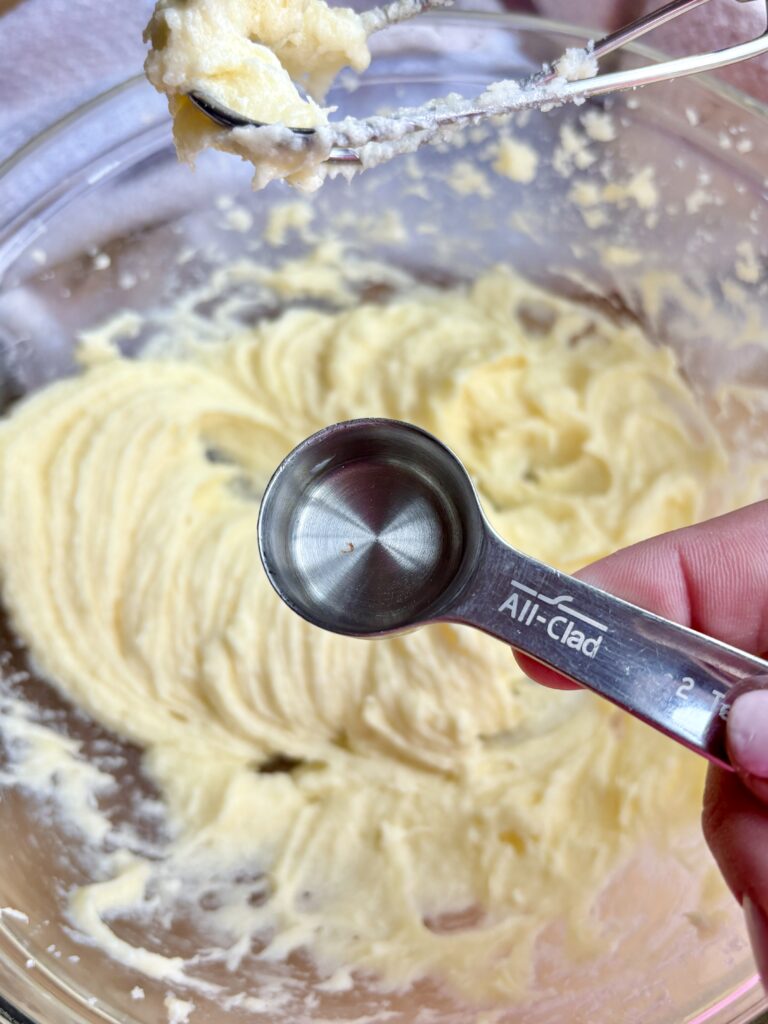
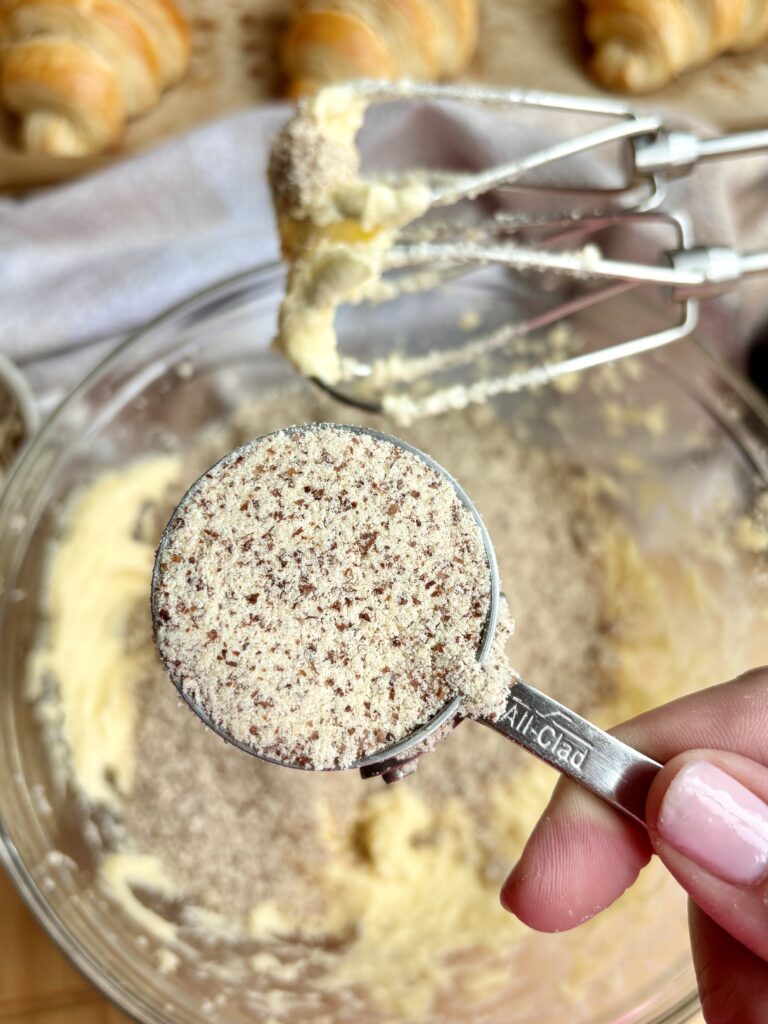
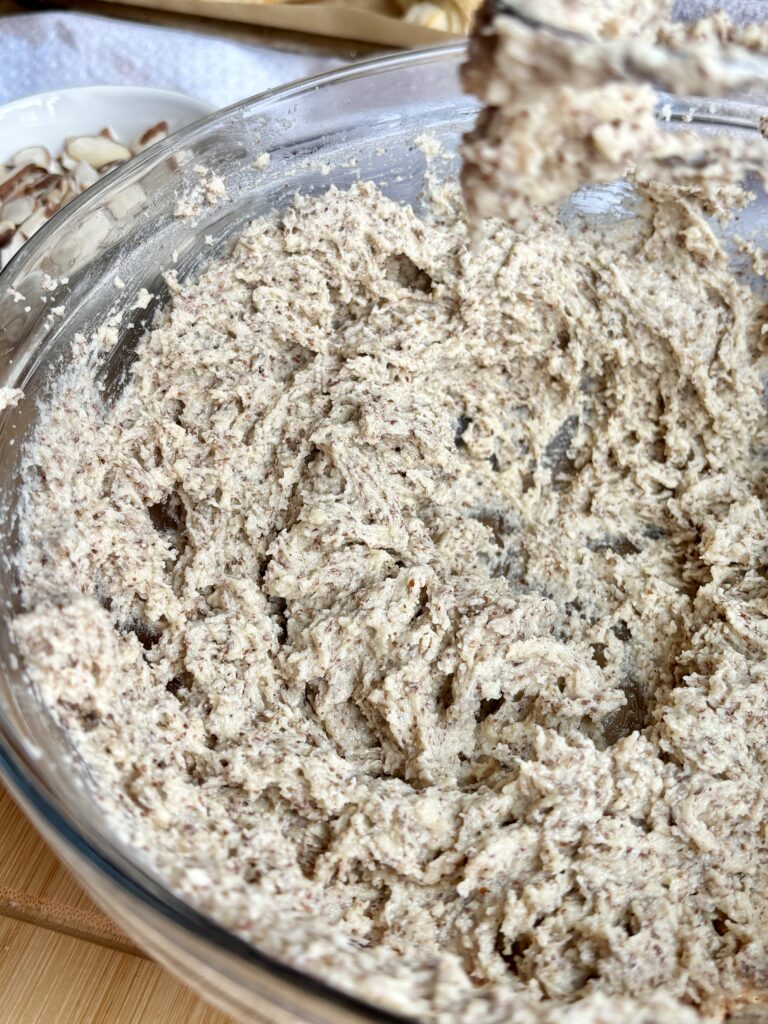
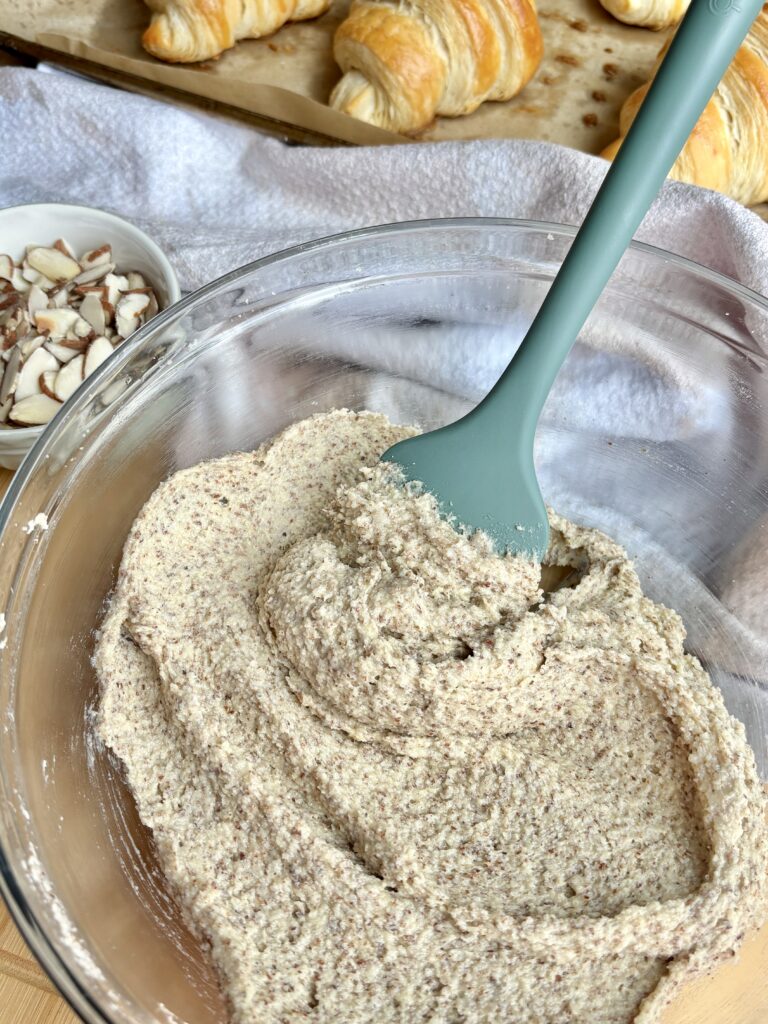
Step 7: Make the Frangipane
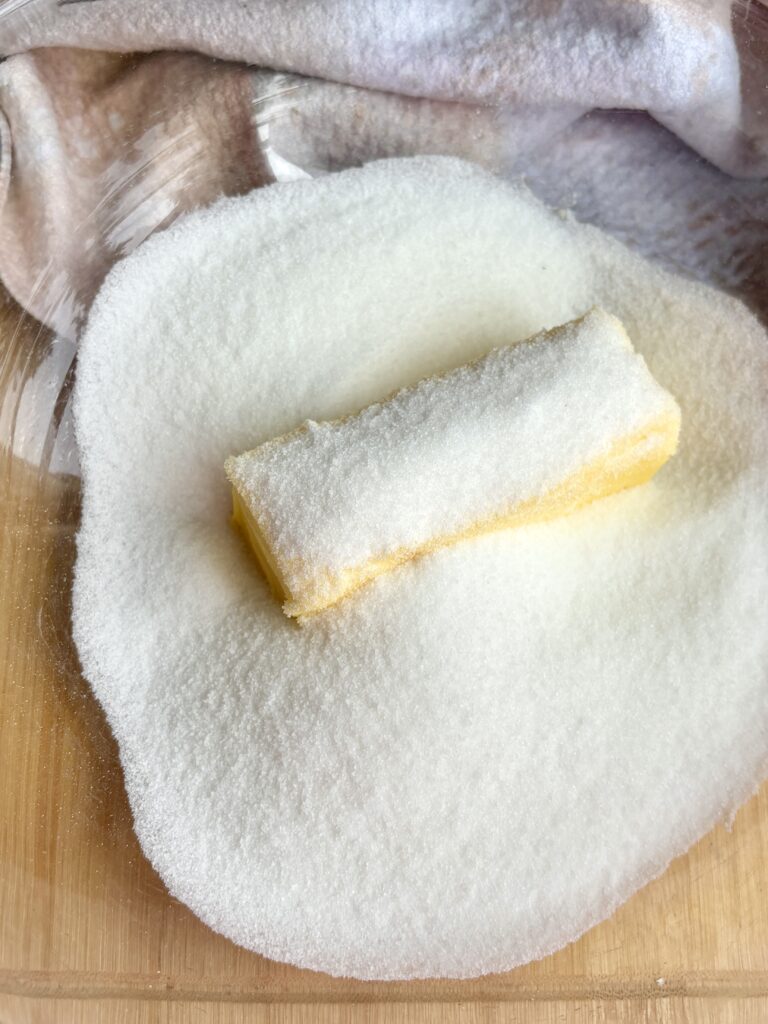
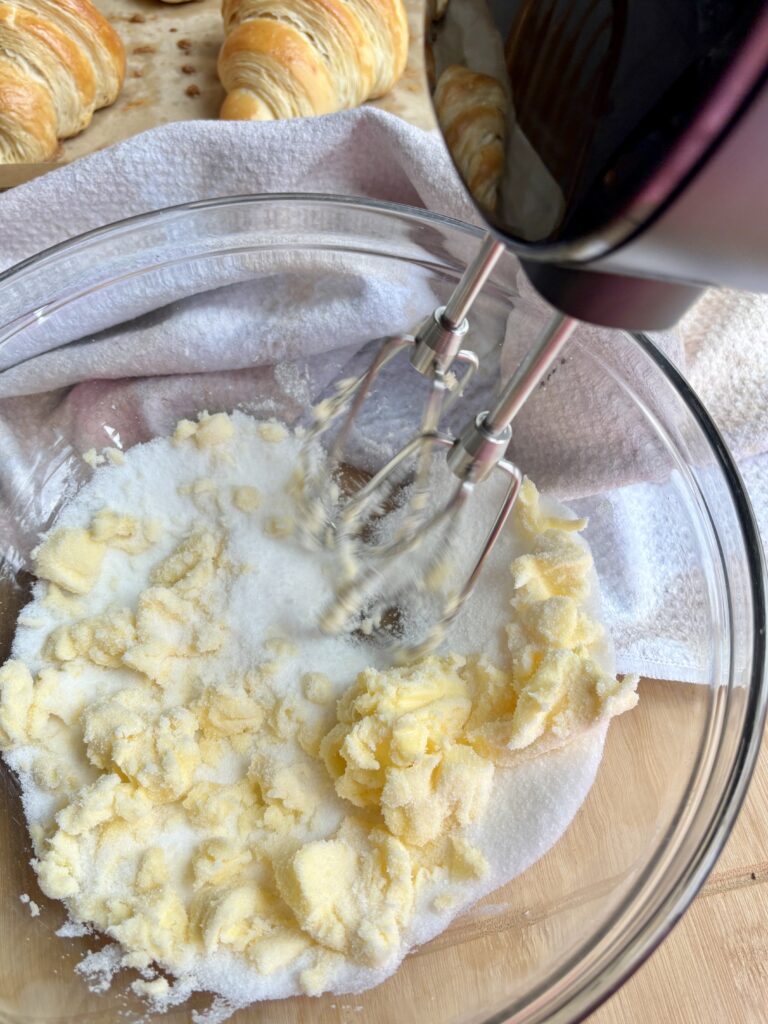
- Beat the butter, sugar, and salt until smooth.
- Mix in the almond flour.
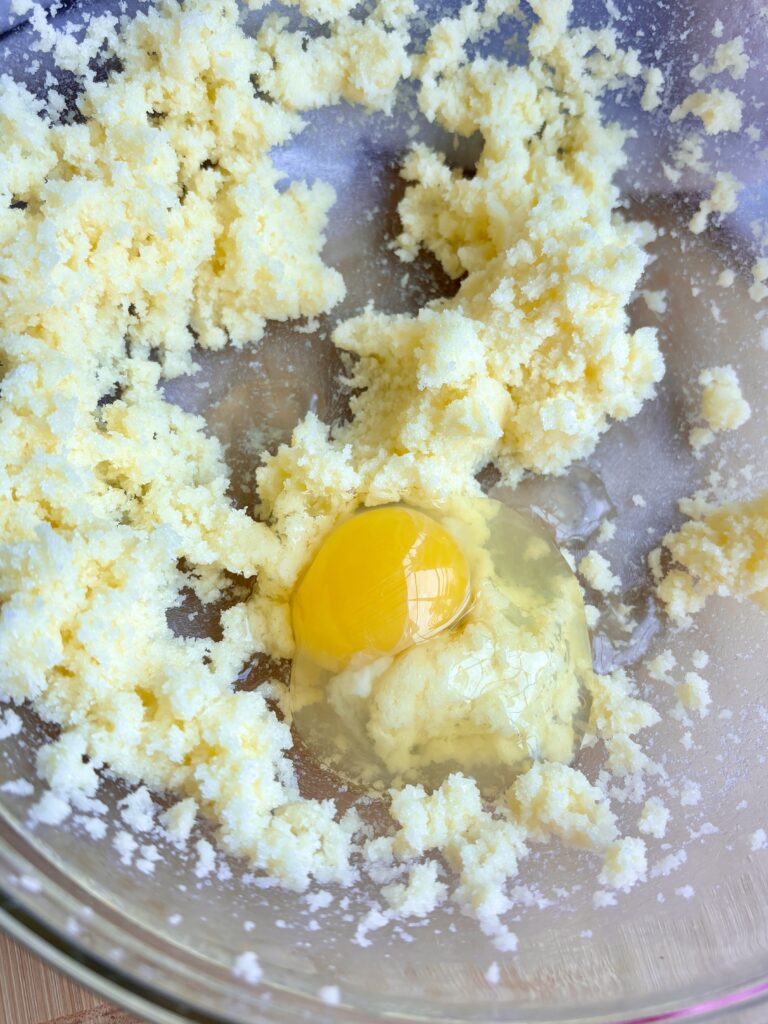
- Add the egg and almond extract and beat until creamy.
Step 8: Assemble
- Slice each cooled croissant in half horizontally using a serrated knife.
- Spread frangipane inside each croissant.
- Close gently.
- Spread another thin layer of frangipane over the tops.
- Sprinkle generously with sliced almonds.
Step 9: Second Bake
- Reduce oven temperature to 350°F.
- Bake for 10–12 minutes until the frangipane is lightly golden and the almonds are toasted.
- Cool for 10 minutes.
- Dust generously with powdered sugar before serving.
Notes
- European-style butter (82–85% butterfat) produces the flakiest layers and richest flavor.
- Keep the dough and butter at similar firmness throughout lamination.
- If the butter starts to soften or leak, sprinkle with a little flour (sort of like a little patch), and then refrigerate the dough immediately before continuing.
- Roll the dough to approximately ⅛ inch thick before cutting.
- Properly proofed croissants should be noticeably puffy and jiggle when gently shaken.
- Allow the croissants to cool completely before filling with the frangipane.
- The second bake is what gives almond croissants their signature bakery-style finish.
Homemade Almond Croissants | Almond Croissant Recipe | Bakery Style Almond Croissants | Homemade Croissants | French Almond Croissants | Flaky Croissants | How to Make Croissants | Laminated Dough Recipe | Almond Frangipane | European Butter Croissants | Homemade French Pastries | Croissant Tutorial | Croissant Baking Tips | Croissant Dough Recipe

Nutritional Content Disclaimer
I choose not to include nutritional information with my recipes, as these values can be calculated from the ingredients provided. With my background as a pediatric nurse practitioner and my own family experience with disordered eating, I understand how focusing on numbers can affect our relationship with food. My philosophy is that all foods have a place—sweet, savory, nourishing, or indulgent. I aim to share recipes that support a healthy, joyful approach to eating. My hope is that this space also encourages a balanced, healthy relationship with food for you and your family too.