
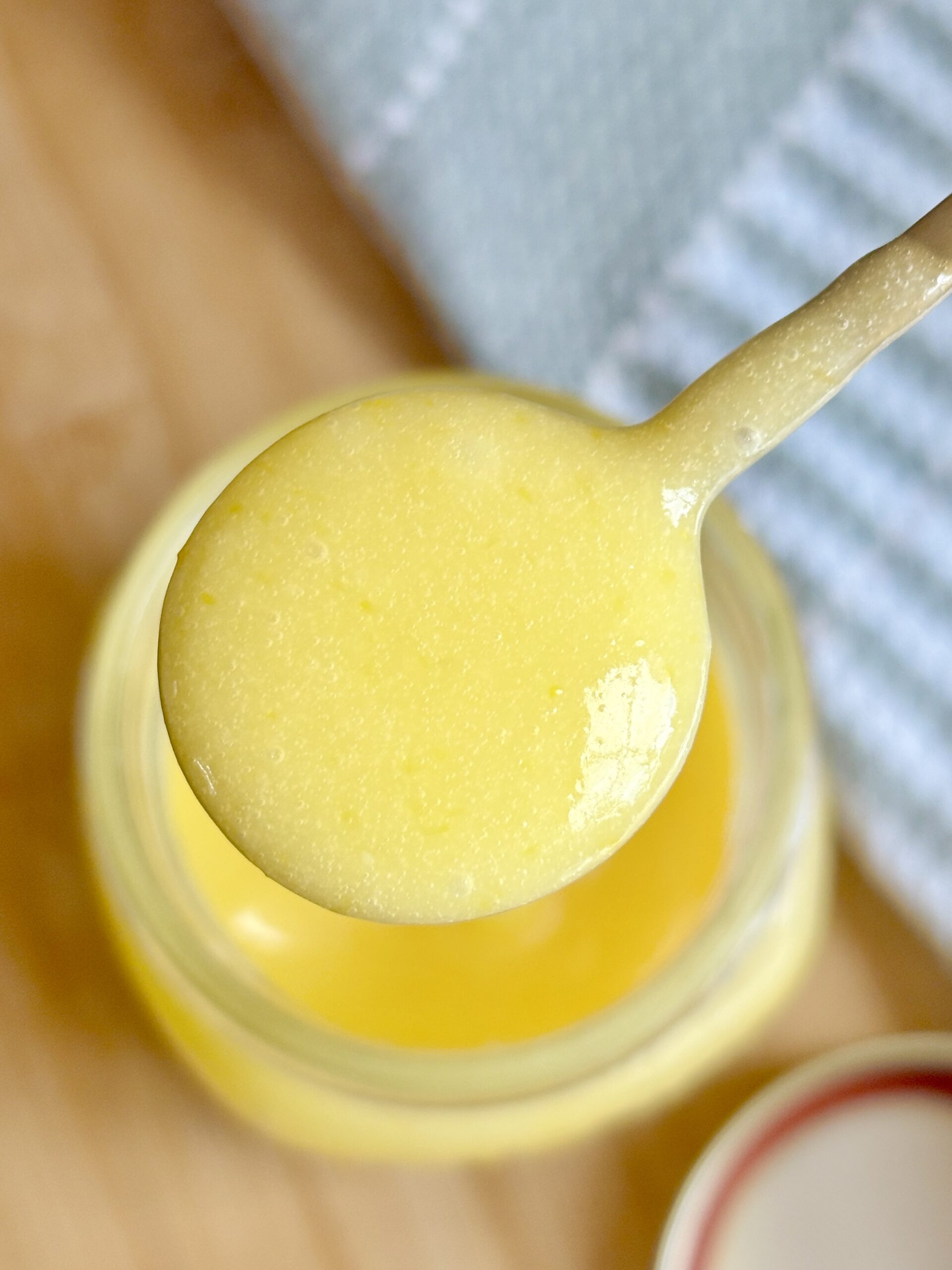
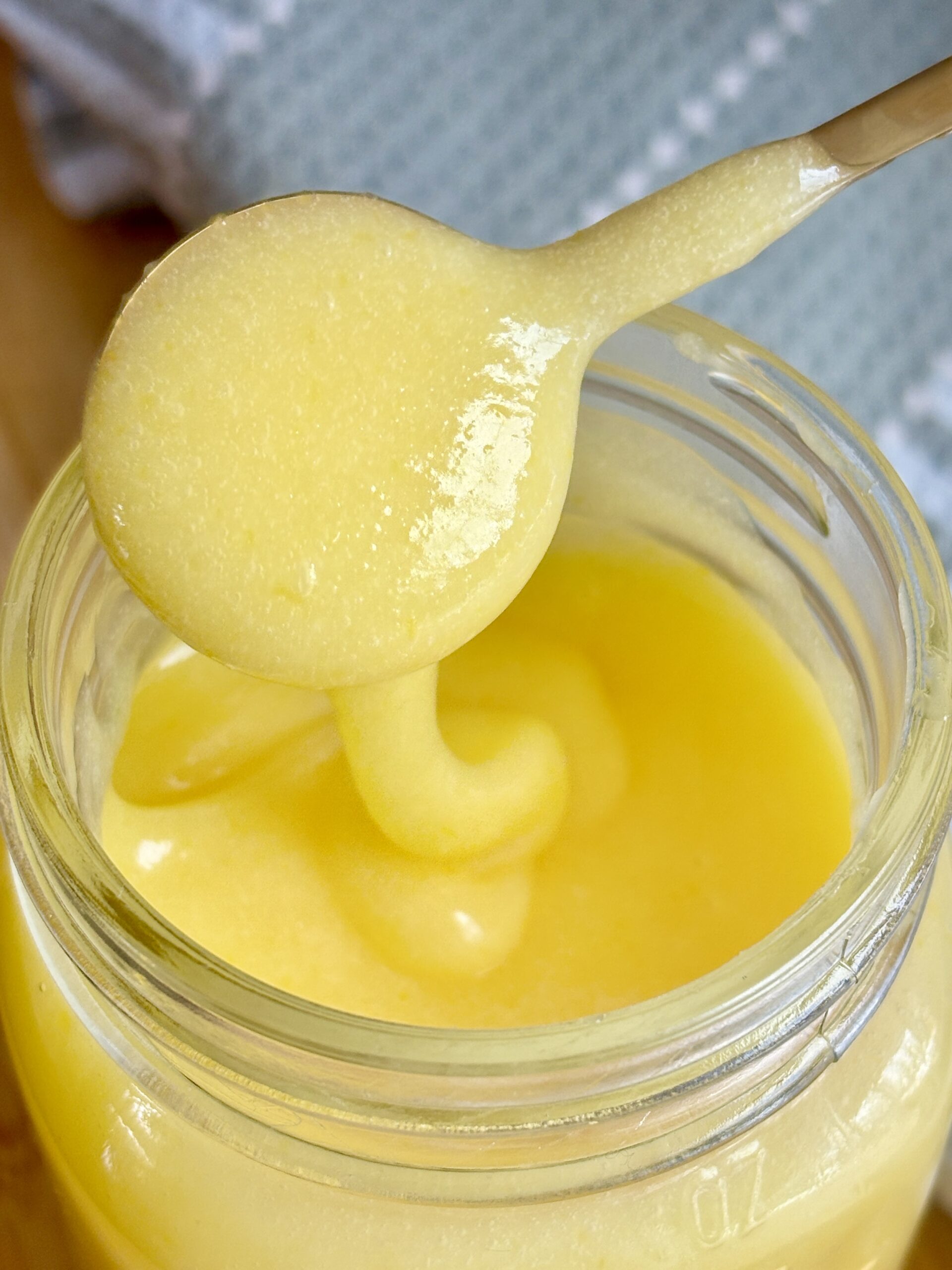
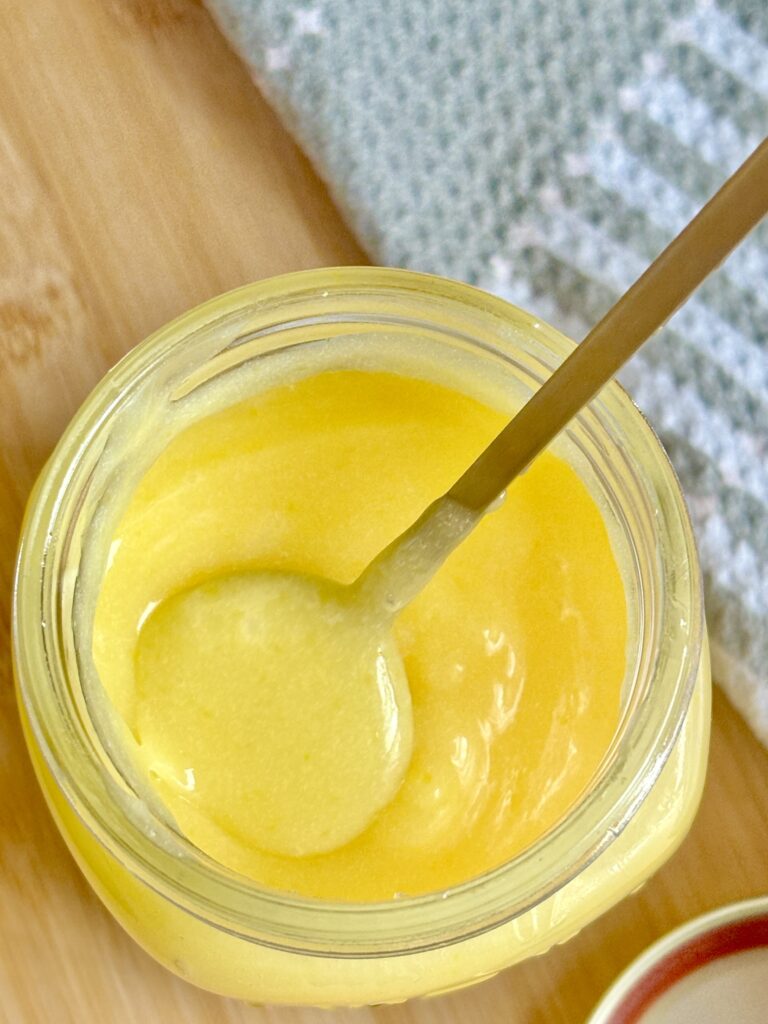
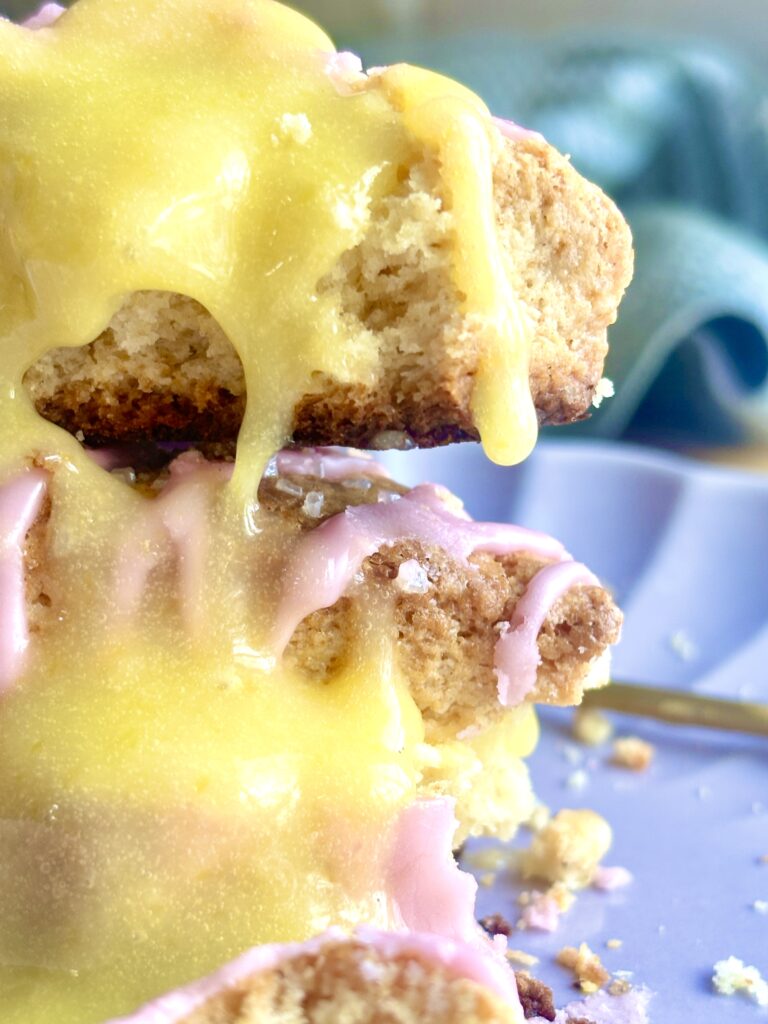
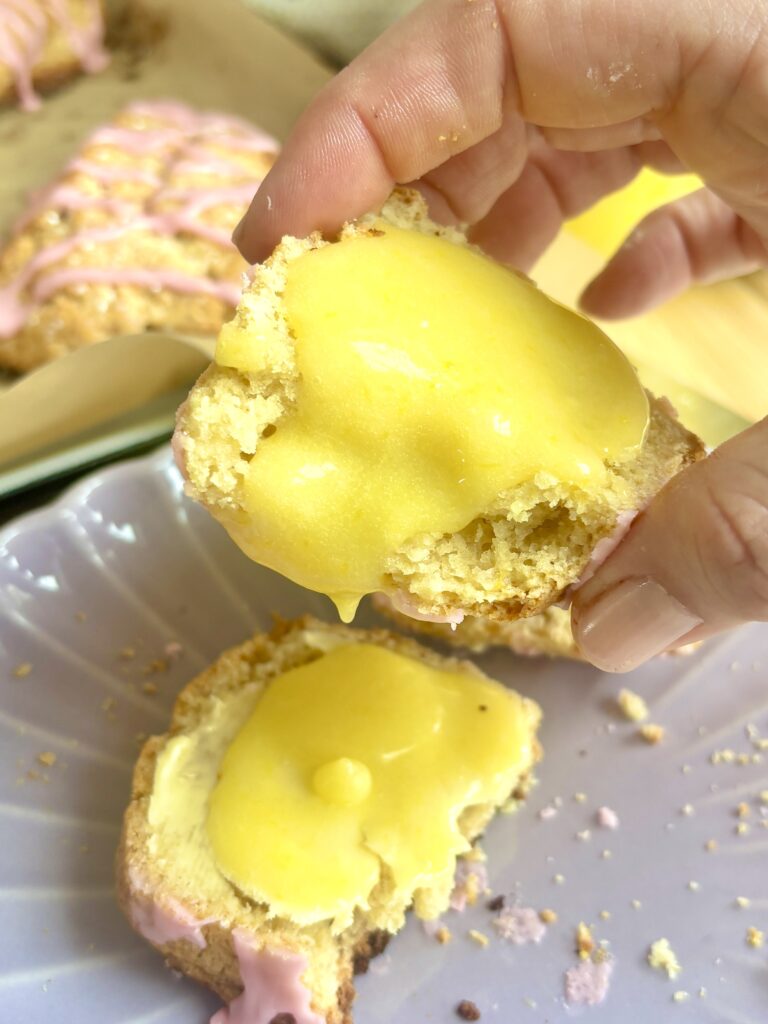
If there’s one recipe every baker should have in their back pocket, it’s homemade lemon curd. It’s silky smooth, bright with fresh lemon flavor, perfectly sweet and tart, and unbelievably versatile. Spread it on scones, swirl it into cheesecake, layer it into cakes, spoon it over pancakes… or honestly, eat it straight from the jar with a spoon.
This homemade Lemon Curd uses simple pantry ingredients and a gentle double boiler method so the eggs cook slowly and evenly for a perfectly creamy texture without scrambling. Fresh lemon juice and zest give bold citrus flavor, while butter melts in at the end for that signature velvety finish.
I used to think the idea of making homemade lemon curd sounded so difficult, but it is easy and so much quicker than I thought. Once you make lemon curd from scratch, store bought just doesn’t compare. It’s fresher, brighter, and so easy you’ll wonder why you waited.
Why you’ll love this recipe!
What ingredients do I need?
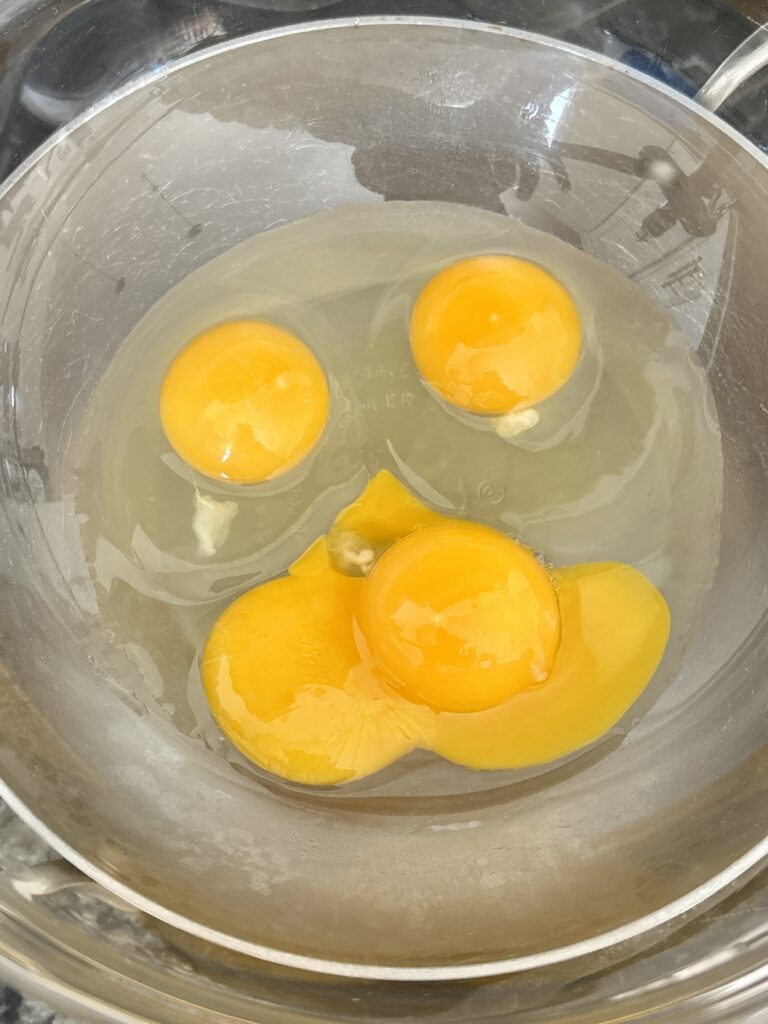
- Eggs: Provide structure and thickening for the curd.
- Egg Yolks: Add richness, color, and extra creaminess.
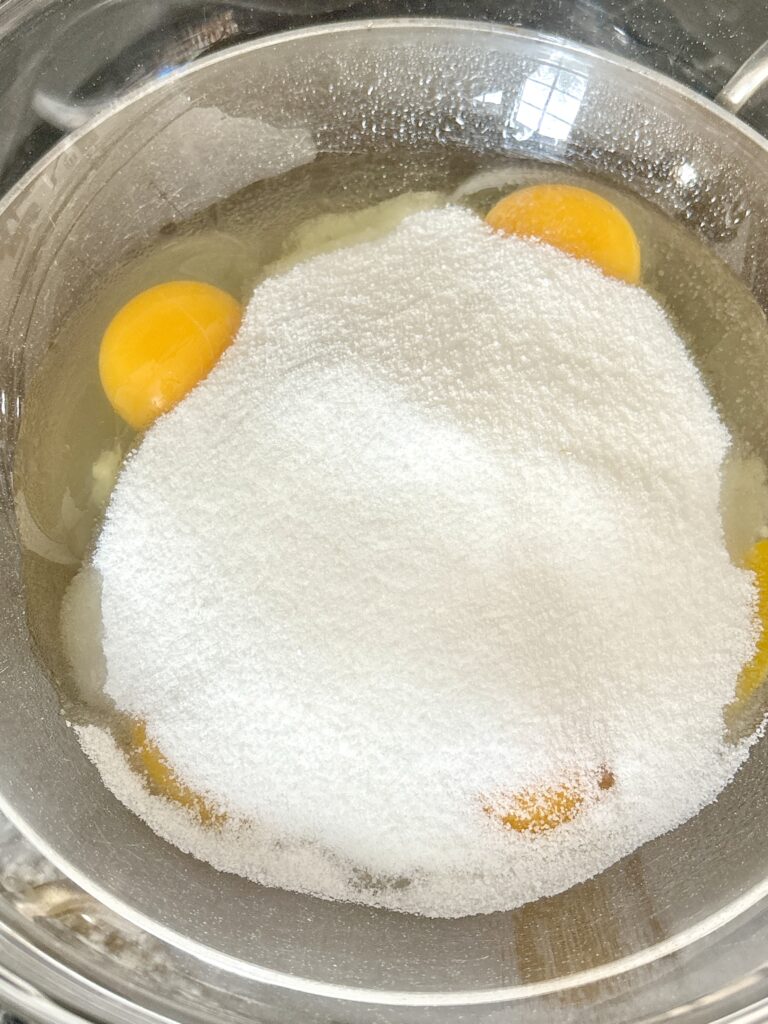
- Granulated Sugar: Balances the tart lemon flavor.
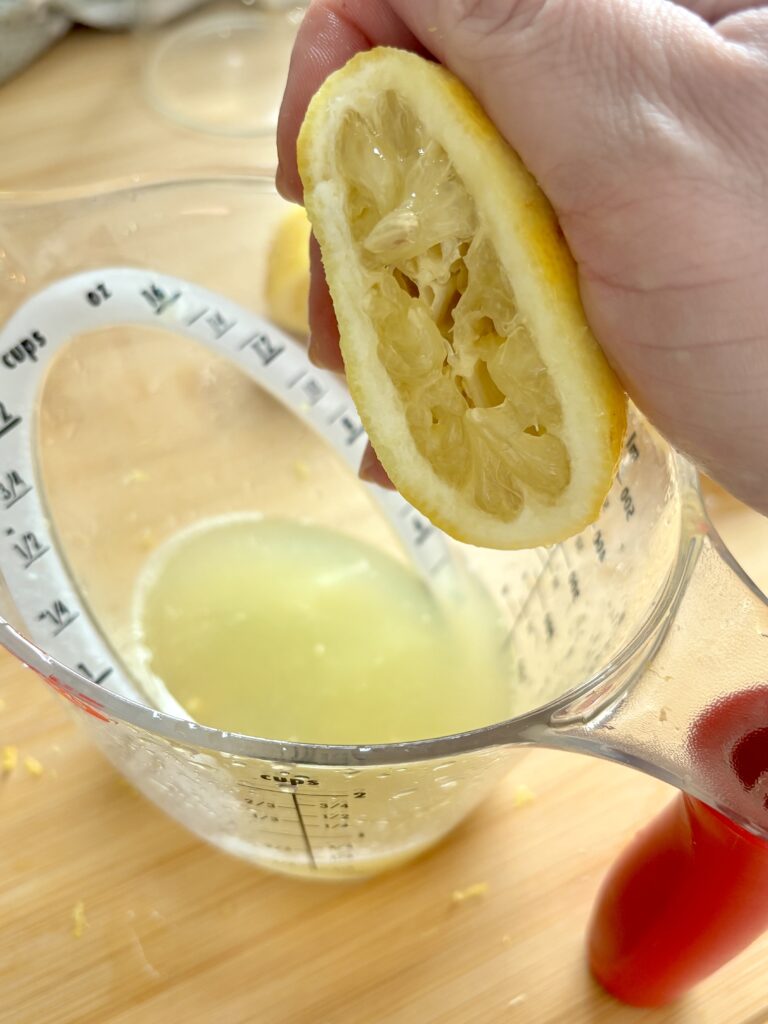
- Fresh Lemon Juice: Gives bright, fresh citrus flavor.
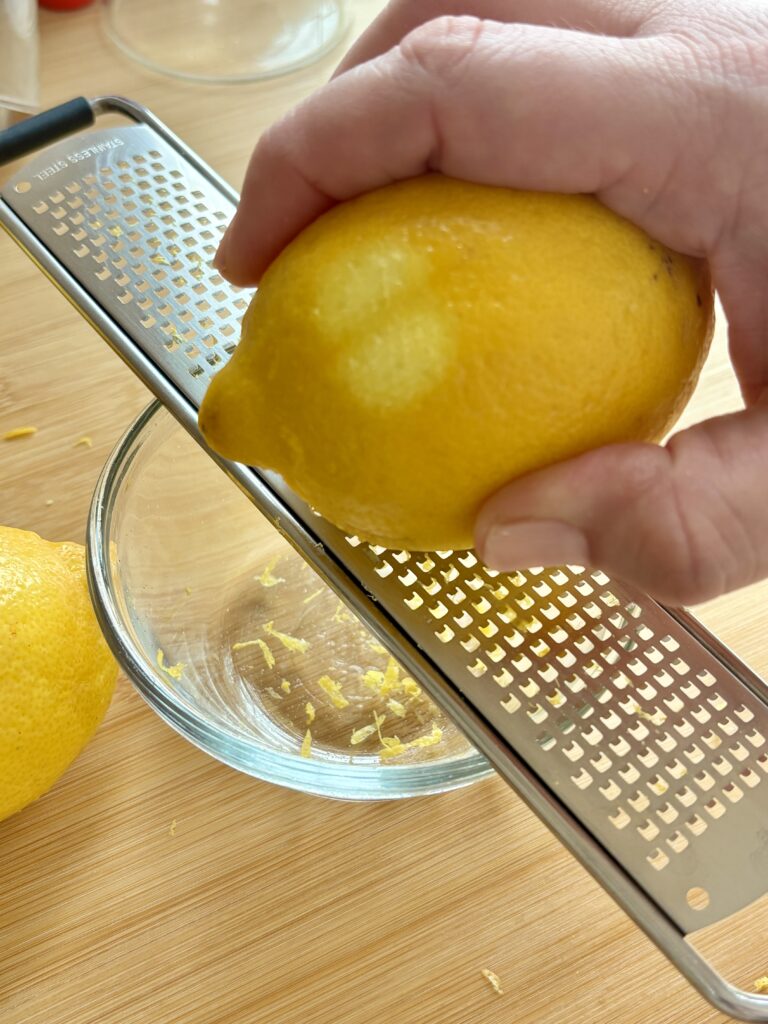
- Lemon Zest: Adds concentrated lemon oils and aroma.
- Salt: Enhances sweetness and balances acidity.
- Unsalted Butter: Creates a smooth, rich, velvety texture.
Recipe Variations
- Meyer lemon version: Use Meyer lemons for an even sweeter flavor
- Orange version: Substitute orange juice and zest for a different flavor profile
- Lime version: Swap with lime juice and zest, again just a different, fun flavor profile
Pro Tips
- Use a double boiler! The gentle heat prevents the eggs from scrambling.
- Whisk constantly while it is cooking, this keeps the curd smooth and prevents lumps.
- Cook to the proper temperature of 170–175°F, this ensures proper thickening.
- Use fresh lemons if you can. The flavor will be dramatically better.
- Add butter off of the heat. This helps prevent separation and keeps the texture silky.
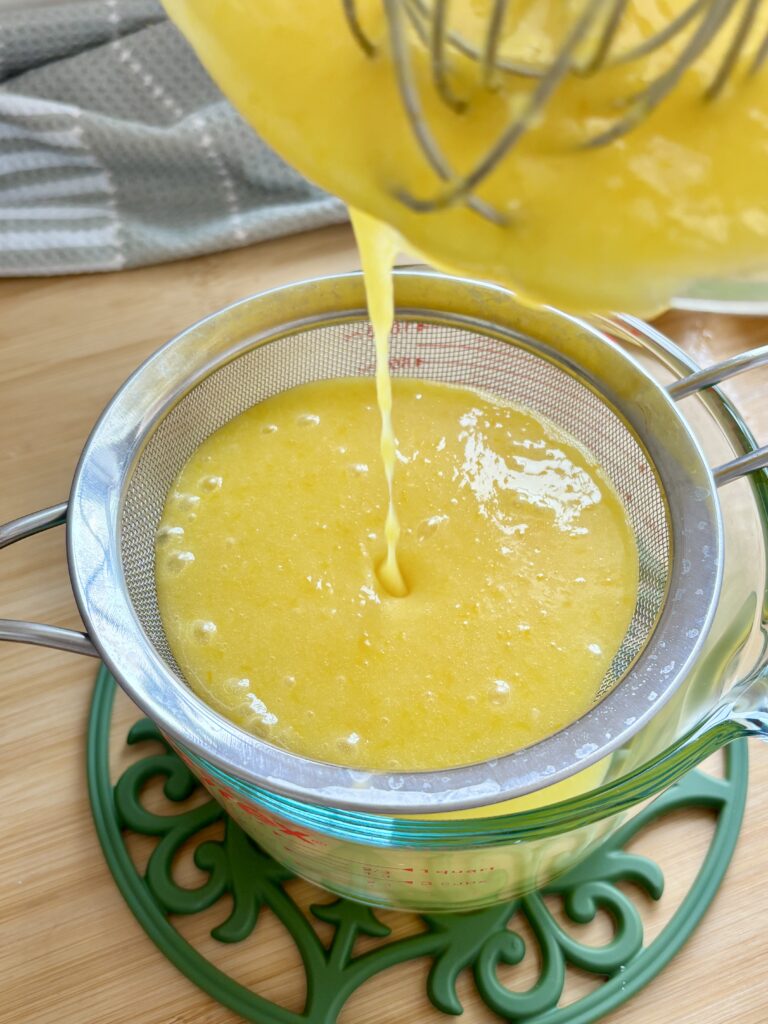
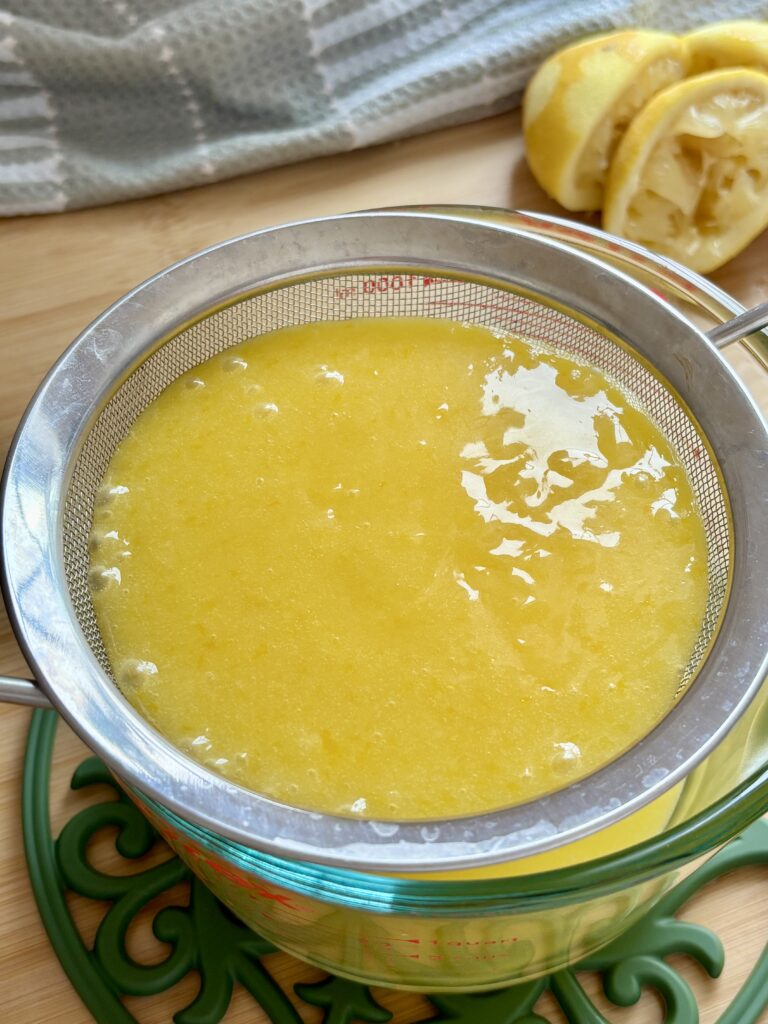
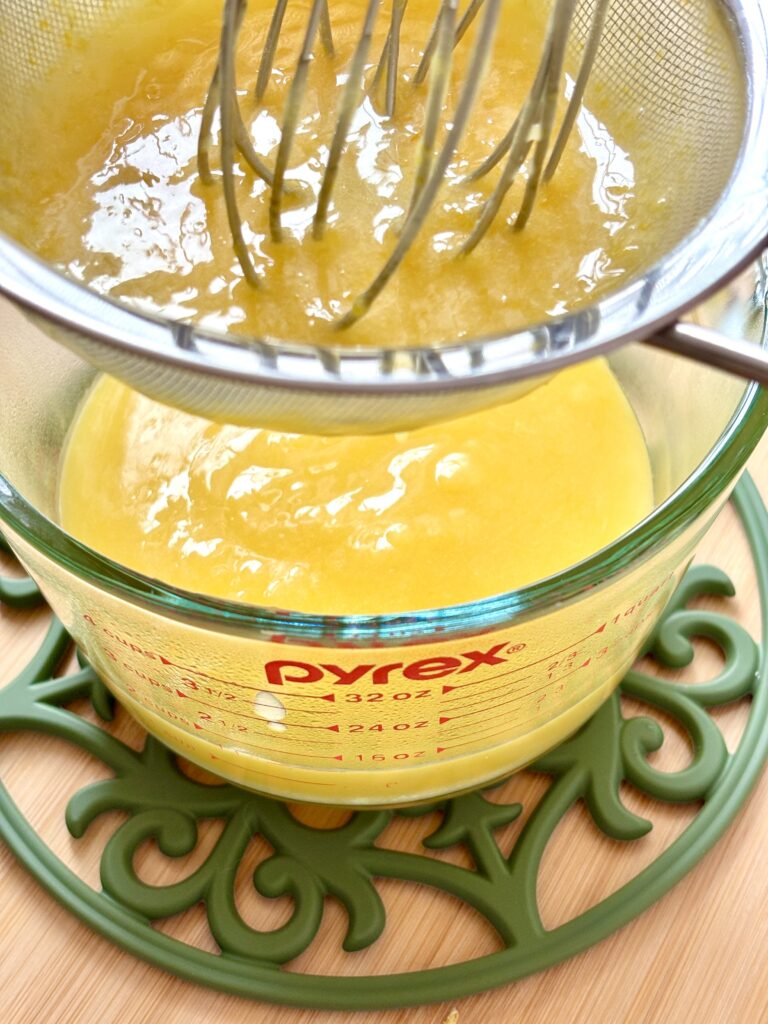
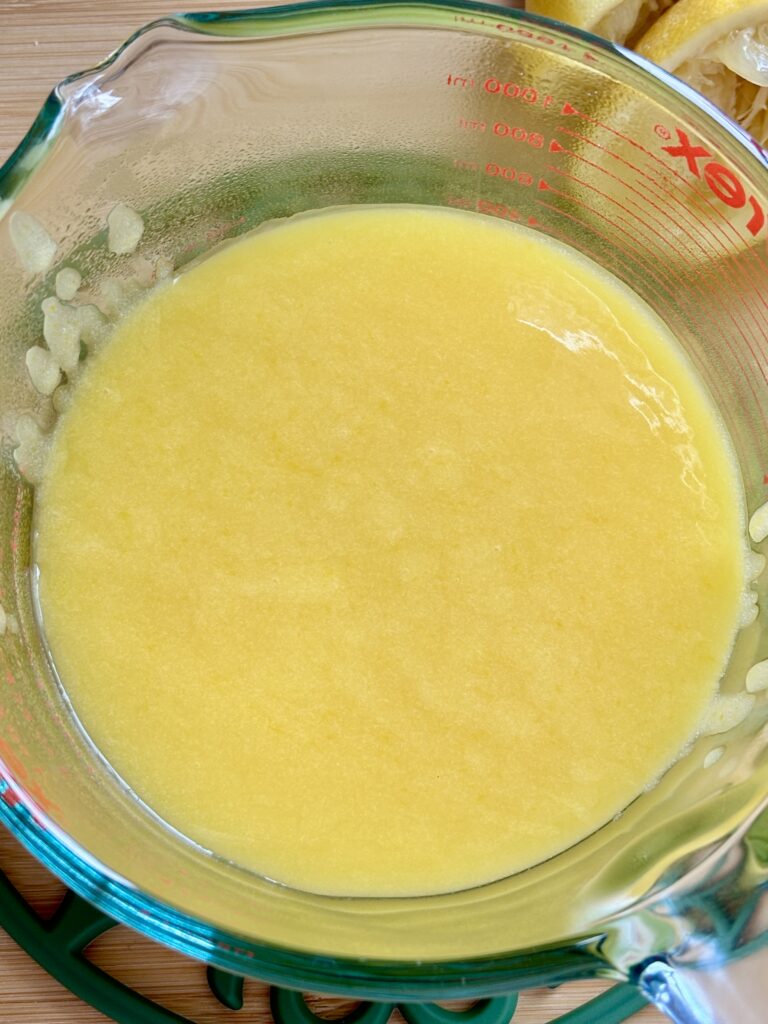
- Strain the curd with a fine mesh sieve before refrigeration. This removes zest bits or tiny egg curds.
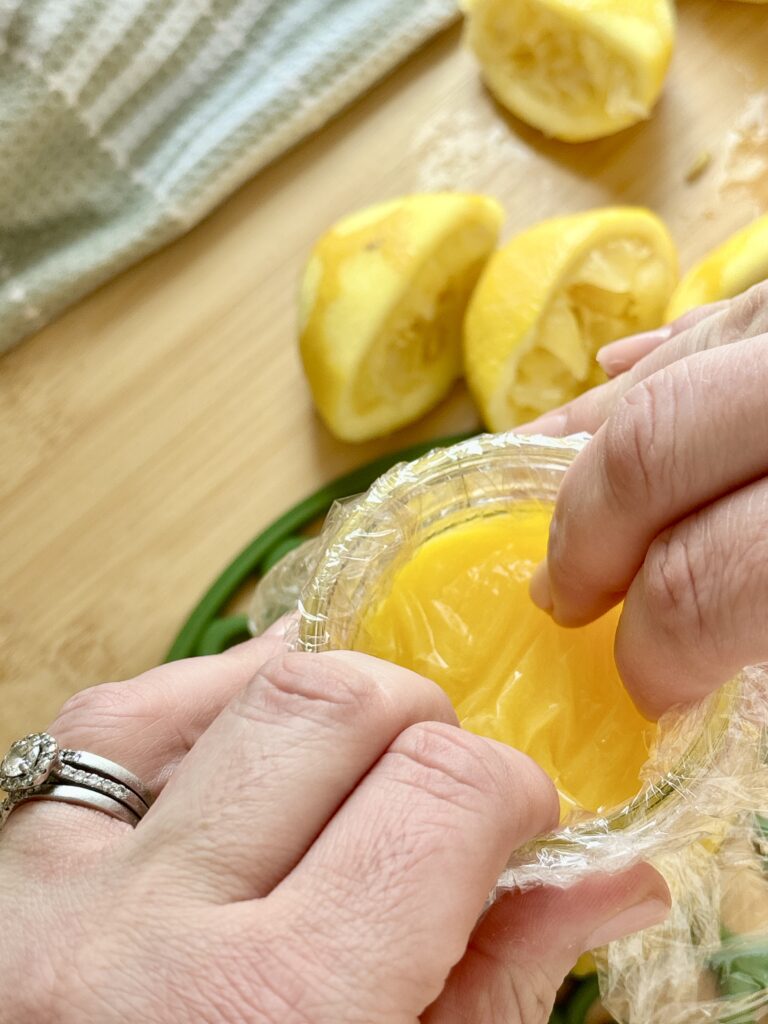
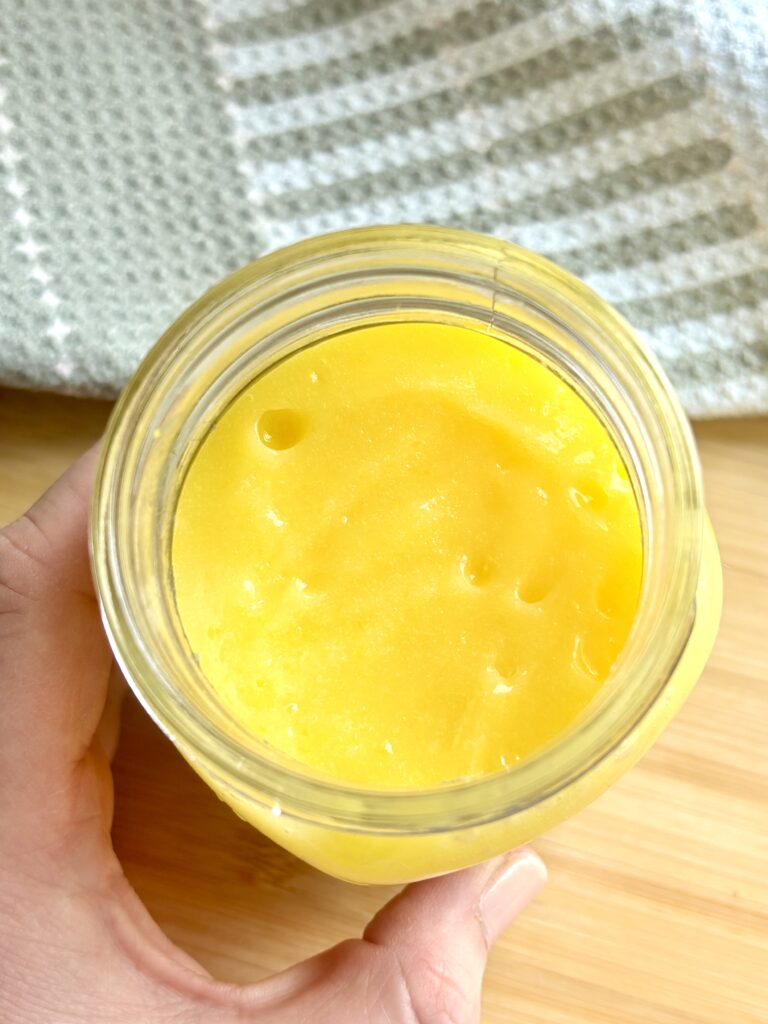
- Press plastic wrap on top of the curd before chilling. This prevents a skin forming on top while cooling.
- Don’t rush the chilling process. Lemon curd thickens as it cools.
- Use room temperature eggs. It helps the curd cook more evenly.
- Zest your lemons before juicing, it will be much easier!
Can I Substitute?
Yes! Like always though, any substitutions made to the recipe can result in a change in texture and/or flavor.
- Granulated sugar: you can use fine cane sugar
- Unsalted butter: Use salted butter, just omit the added salt
- Fresh lemon juice: Bottled in a pinch, but I strongly recommend fresh!
Dietary Substitutions
- Dairy free: Use a dairy free butter substitute
- Gluten free: Naturally gluten free
Leftovers and Storage
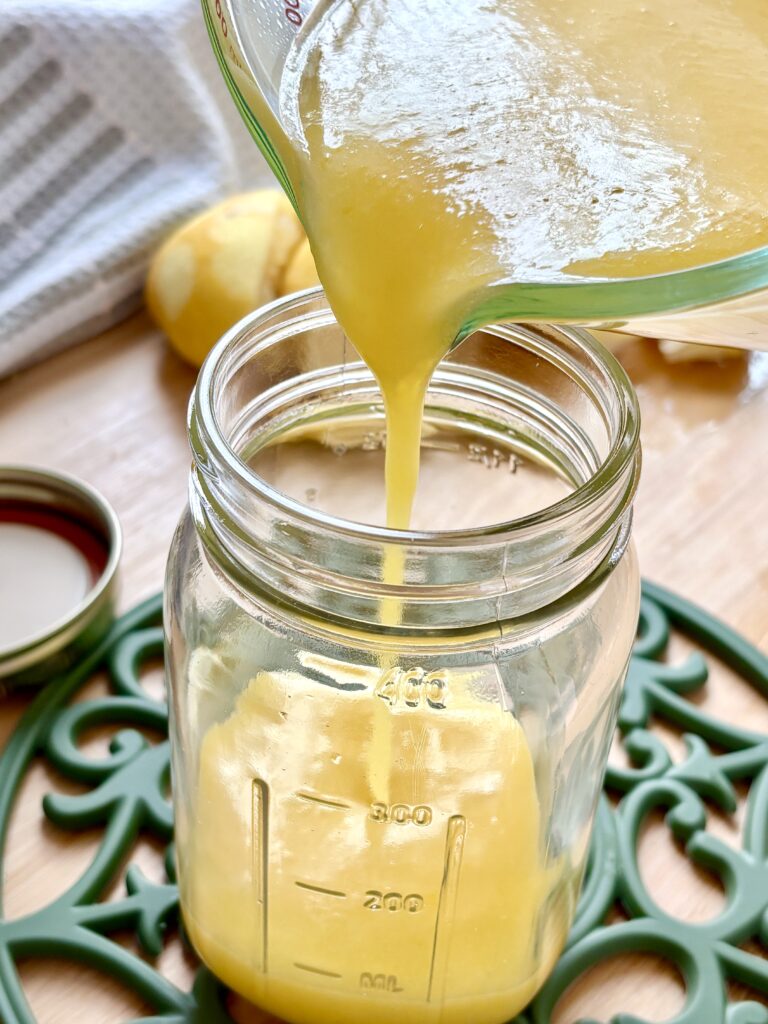
- Store it in an airtight container in the refrigerator for up to 1 week.
- Freeze up to 3 months. Thaw overnight in the refrigerator.
But, I Still Have A Few Questions…
How do I make a double boiler at home?
You don’t need special equipment! Just fill a small saucepan or pot with 1–2 inches of water and bring it to a gentle simmer. Set a heatproof bowl (glass or metal) on top, making sure the bottom of the bowl does not touch the water. Add your ingredients to the bowl and cook while whisking constantly. The steam will gently heat everything without scrambling the eggs.
Why did my lemon curd scramble?
This likely happened because the heat was too high or you didn’t whisk constantly while it was cooking.
Why is my curd thin?
It likely needs more cooking time or more time chilling in the refrigerator.
Can I make lemon curd without a double boiler?
Yes, but heat must stay very low and you must whisk constantly so that it doesn’t scramble or burn.
Why strain lemon curd?
This removes zest pieces or tiny cooked egg bits for an even smoother texture. I highly recommend this!
Can lemon curd be frozen?
Yes, freeze up to 3 months and then defrost in the refrigerator overnight.
Can I use bottled lemon juice?
You can, but fresh is strongly recommended for best flavor.
Why add butter at the end?
This helps keep the curd smooth and creamy.
What if my curd tastes too tart?
You can add a little more sugar the next time or serve with some whipped cream.
Can I double the recipe?
Yes! You will just need to cook it a little longer.
Other Recipes You’ll Love
Let’s engage!
Make sure to tag @thehomechefmomma on Instagram or Facebook, and leave a review or comment if you make these. I always get so excited to see your creations, variations of the recipe, and feedback! Just remember to be kind in your comments, there is still a person behind this screen! 🙂
Lemon Curd
Ingredients
- 2 large eggs
- 2 egg yolks
- 1 cup granulated sugar
- ½ cup fresh lemon juice
- Zest of 3 lemons
- ½ teaspoon salt
- 8 tablespoons unsalted butter cut into small pieces
Instructions
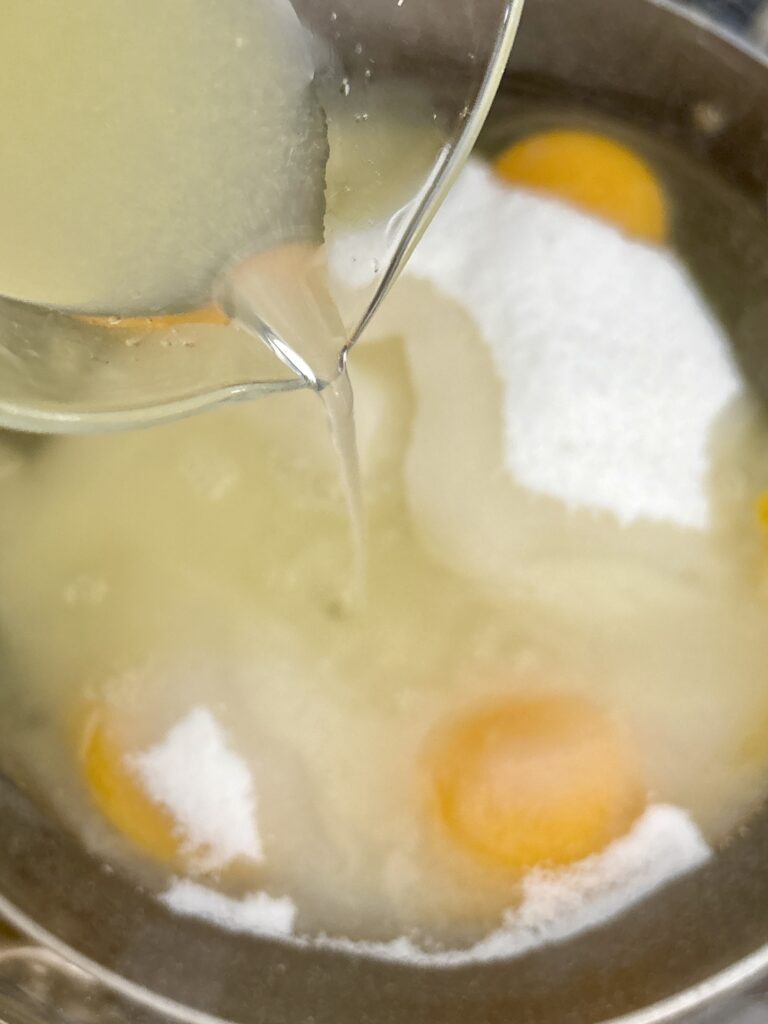
- Set a heatproof bowl over a saucepan of gently simmering water, making sure the bowl does not touch the water.
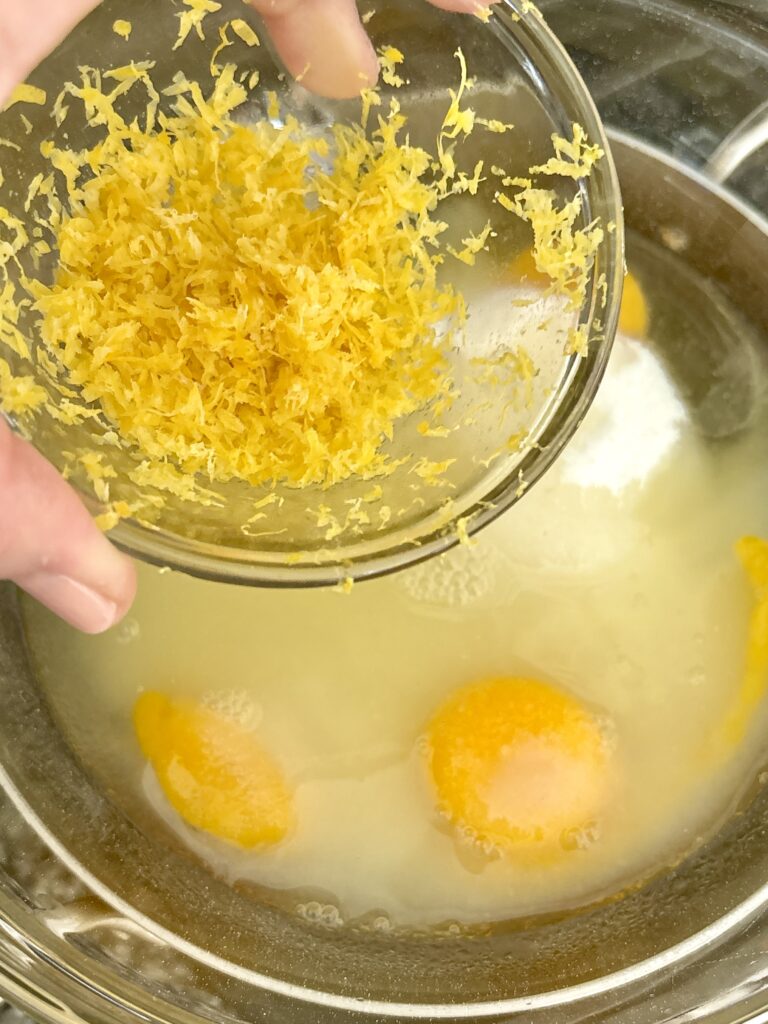
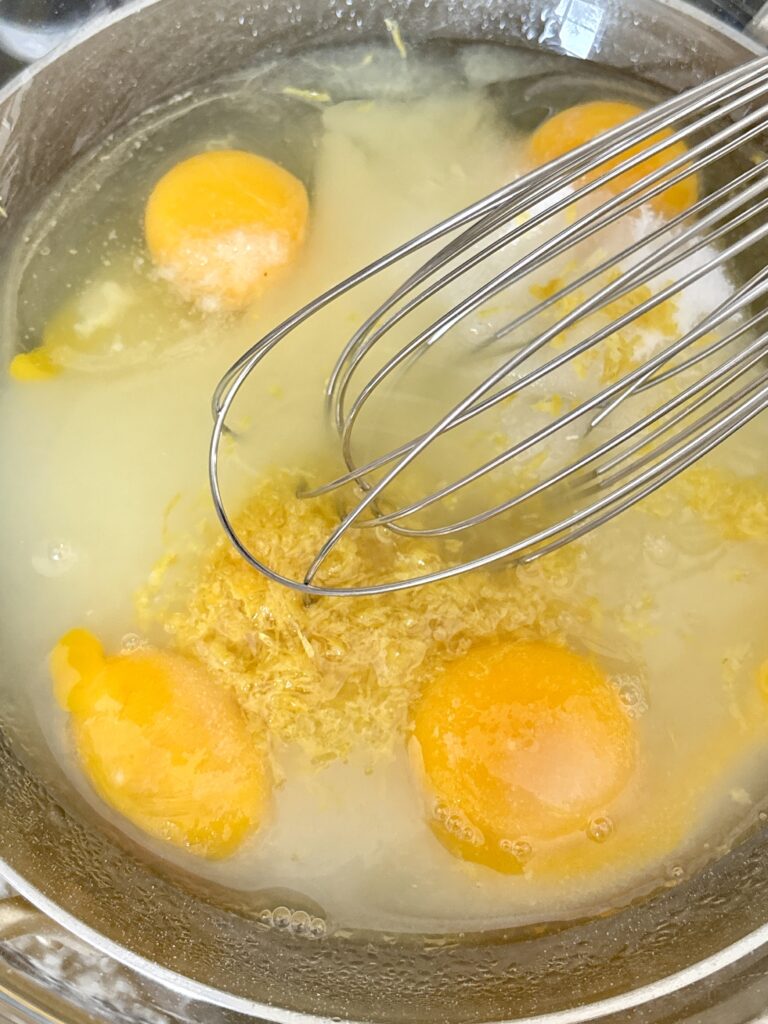
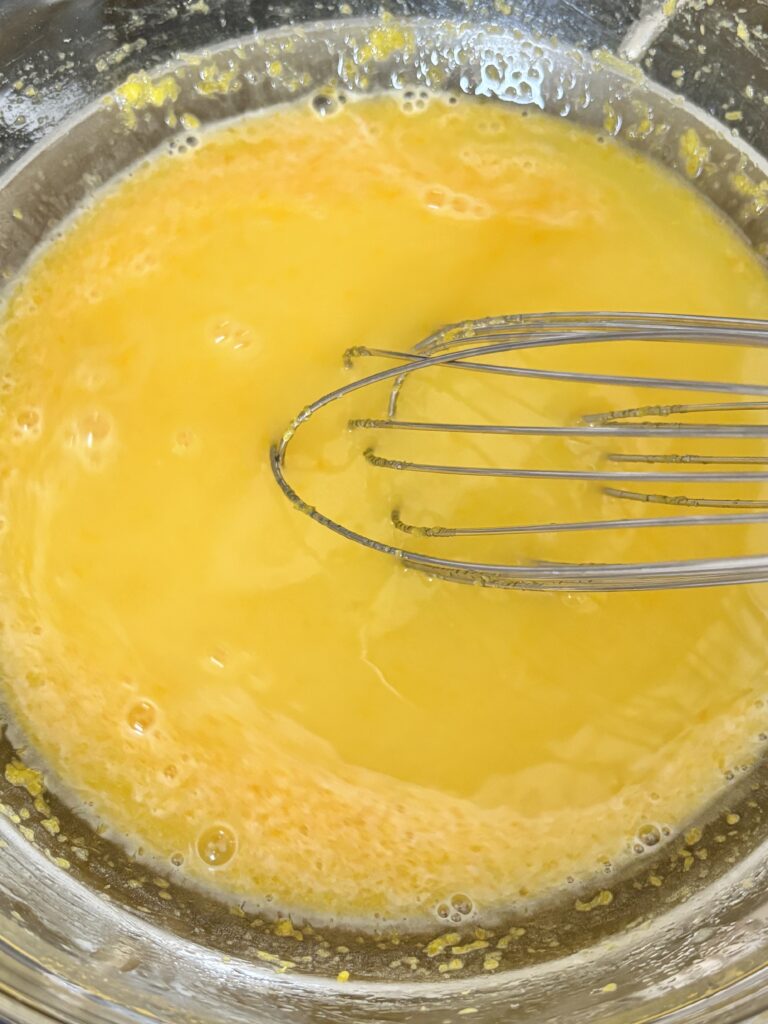
- In the bowl, whisk eggs, egg yolks, sugar, lemon juice, lemon zest, and salt until smooth.
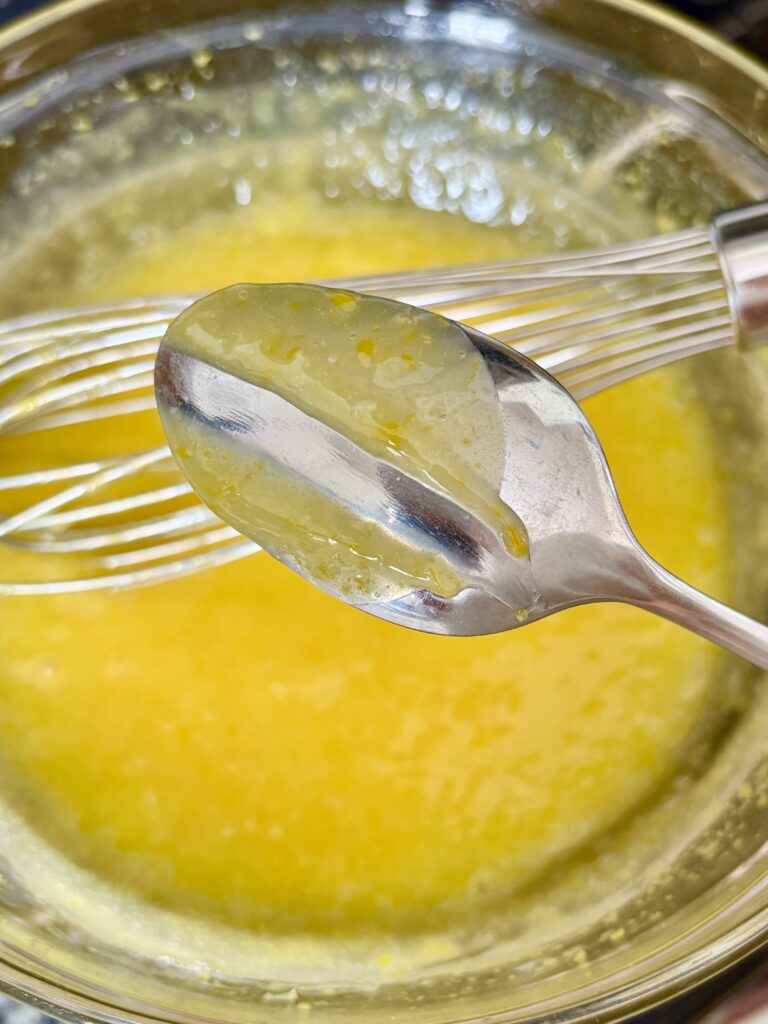
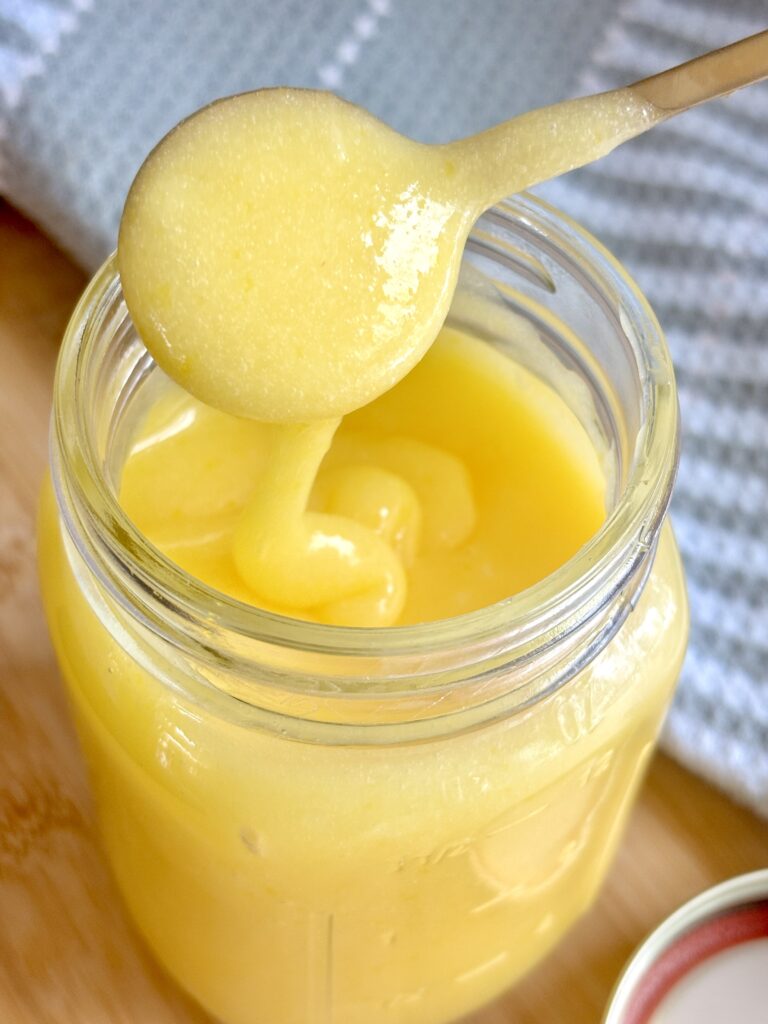
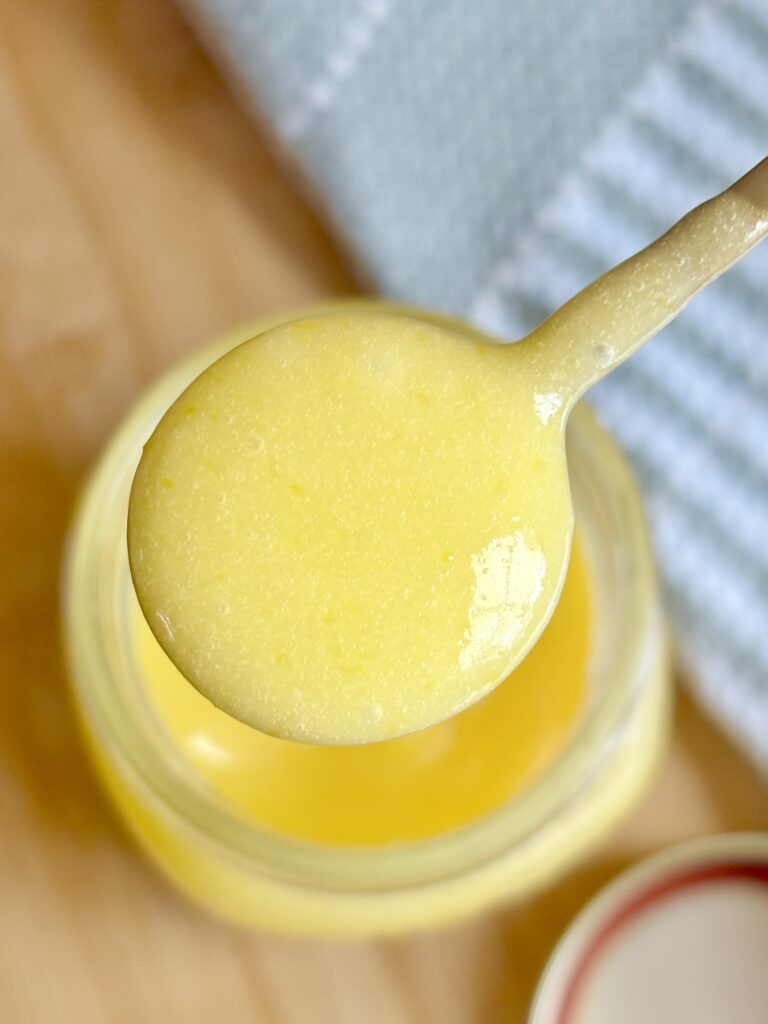
- Cook over medium-low heat, whisking constantly, for 8–12 minutes until curd thickens enough to coat the back of a spoon, or reaches 170–175°F.
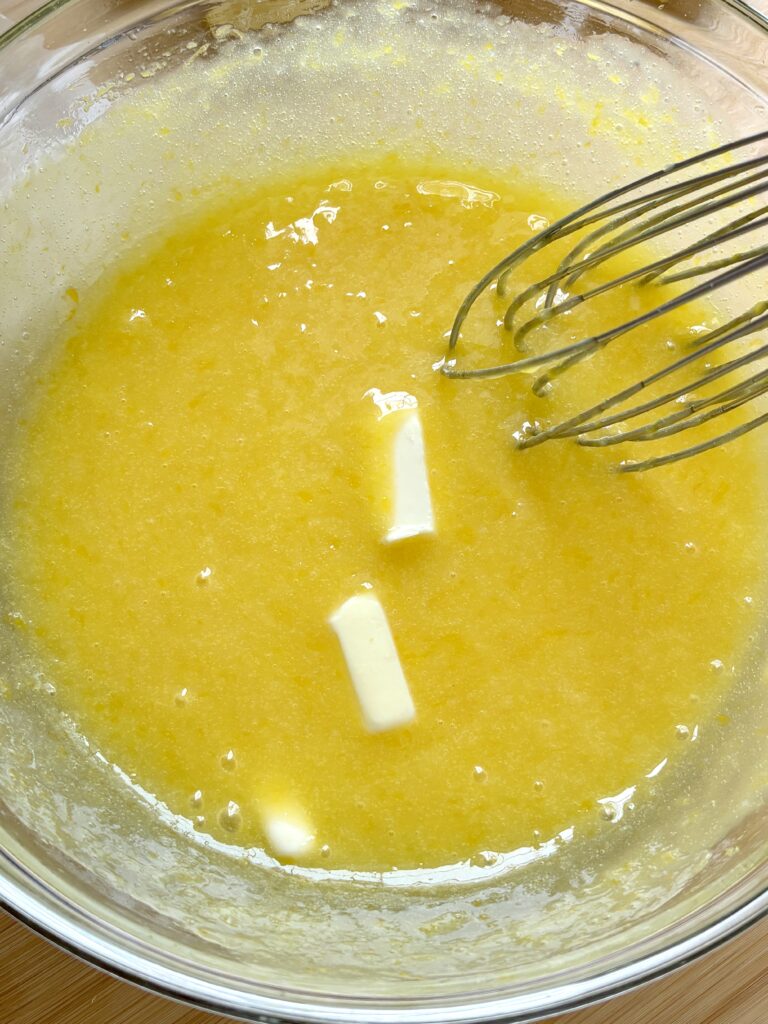
- Remove from heat and whisk in butter one tablespoon at a time until fully melted and smooth.
- Optional: Strain through a fine-mesh sieve for extra smooth texture.
- Press plastic wrap directly onto the surface and cool. Refrigerate at least 2 hours before using.
Homemade Lemon Curd | How To Make Lemon Curd | Double Boiler Lemon Curd | Lemon Curd for Scones | Lemon Curd for Cheesecake | Fresh Lemon Curd Recipe | Silky Lemon Curd | Small Batch Lemon Curd | Lemon Curd Filling | Easy Lemon Curd Recipe | Citrus Curd Recipe

Nutritional Content Disclaimer
I choose not to include nutritional information with my recipes, as these values can be calculated from the ingredients provided. With my background as a pediatric nurse practitioner and my own family experience with disordered eating, I understand how focusing on numbers can affect our relationship with food. My philosophy is that all foods have a place—sweet, savory, nourishing, or indulgent. I aim to share recipes that support a healthy, joyful approach to eating. My hope is that this space also encourages a balanced, healthy relationship with food for you and your family too.