
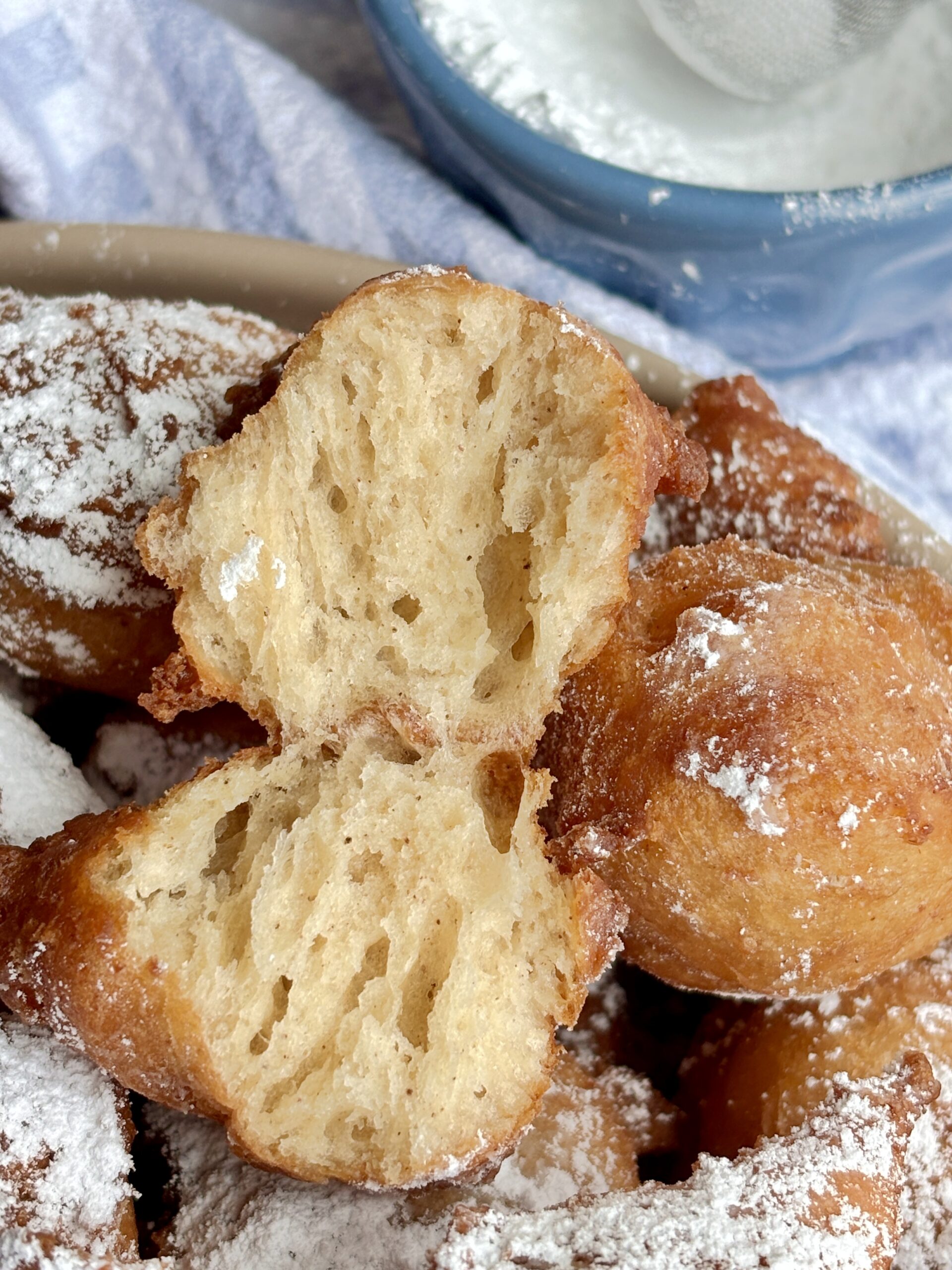
One of my absolute favorite treats is warm, freshly fried dough covered in a ridiculous amount of powdered sugar that you get at an amusement park or fair. There’s just something about that golden, fluffy dough served piping hot that I have absolutely no self-control around. And these Fried Brioche Donut Holes remind me so much of it, only now I can make them right at home!
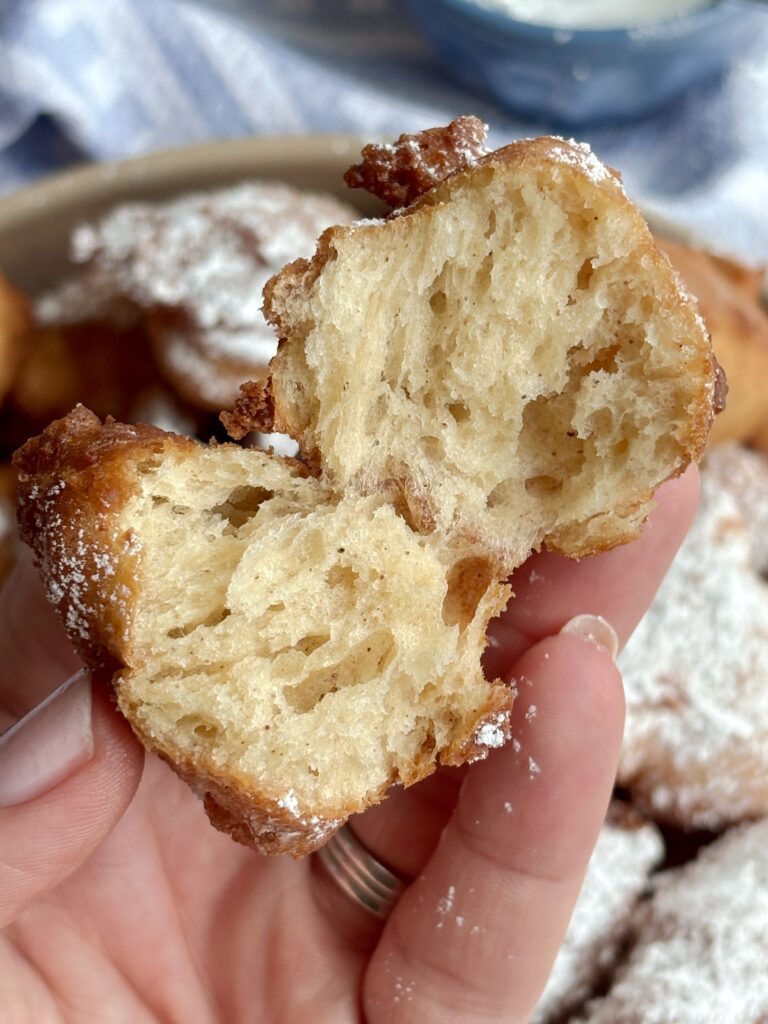
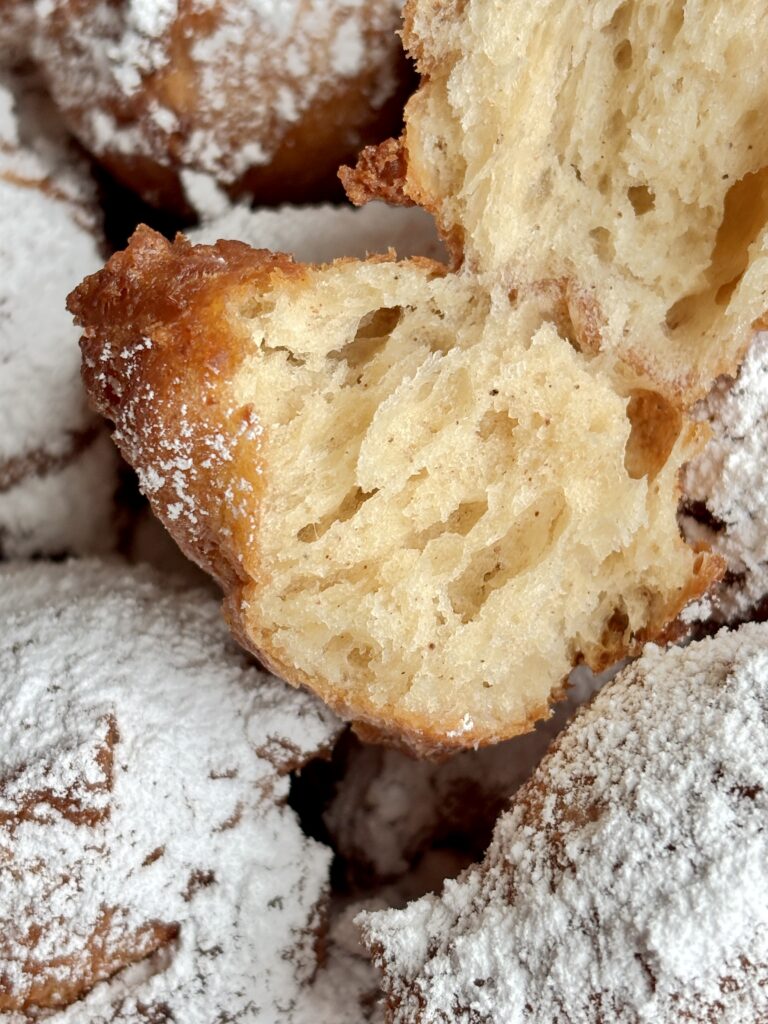
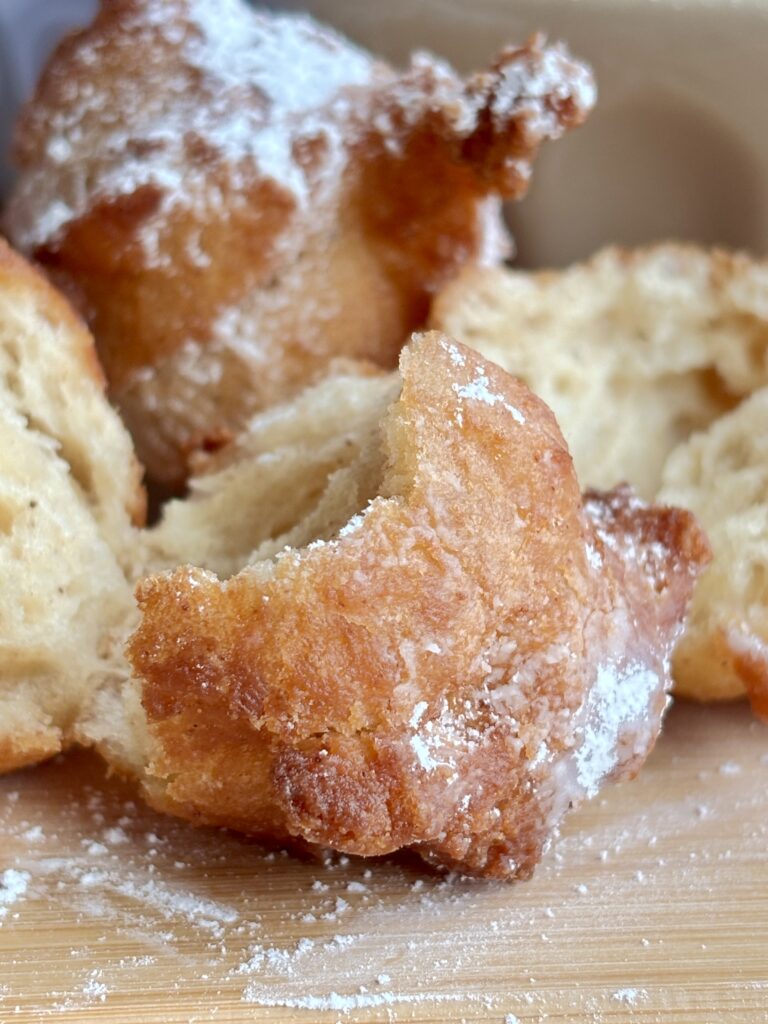
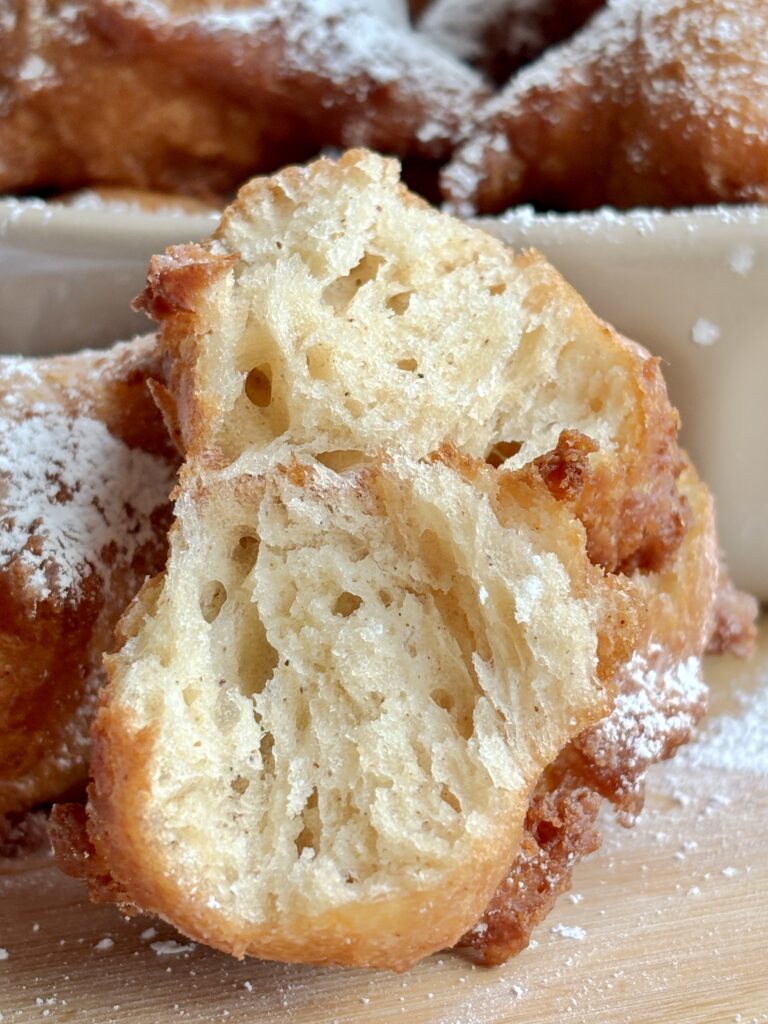
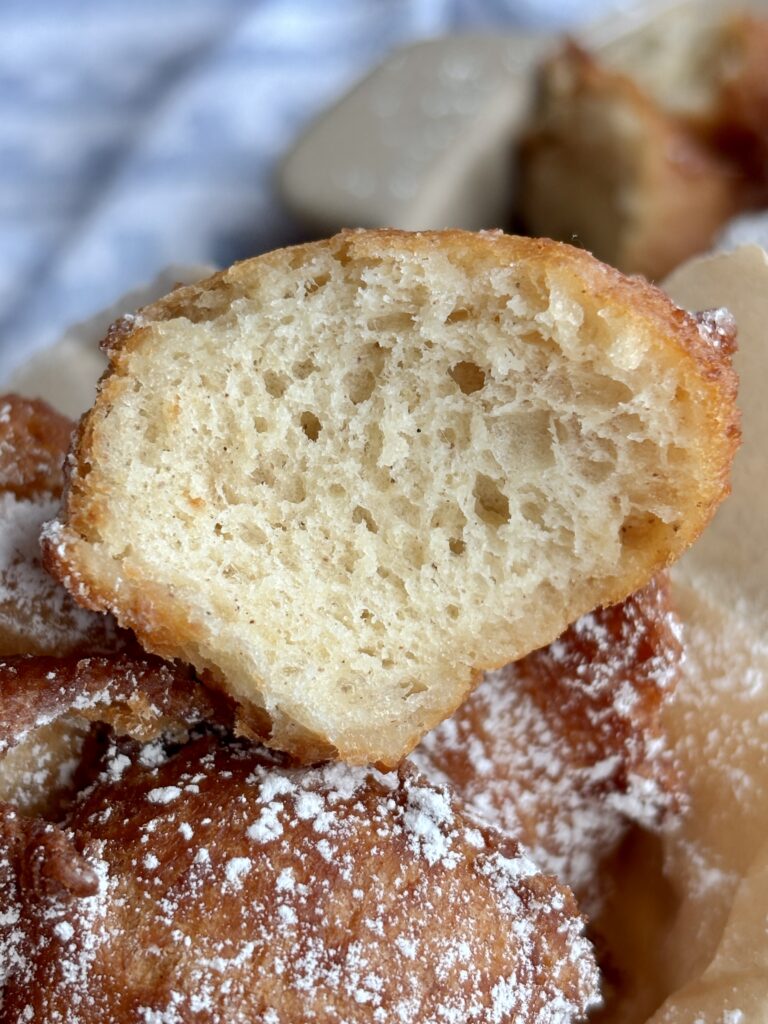
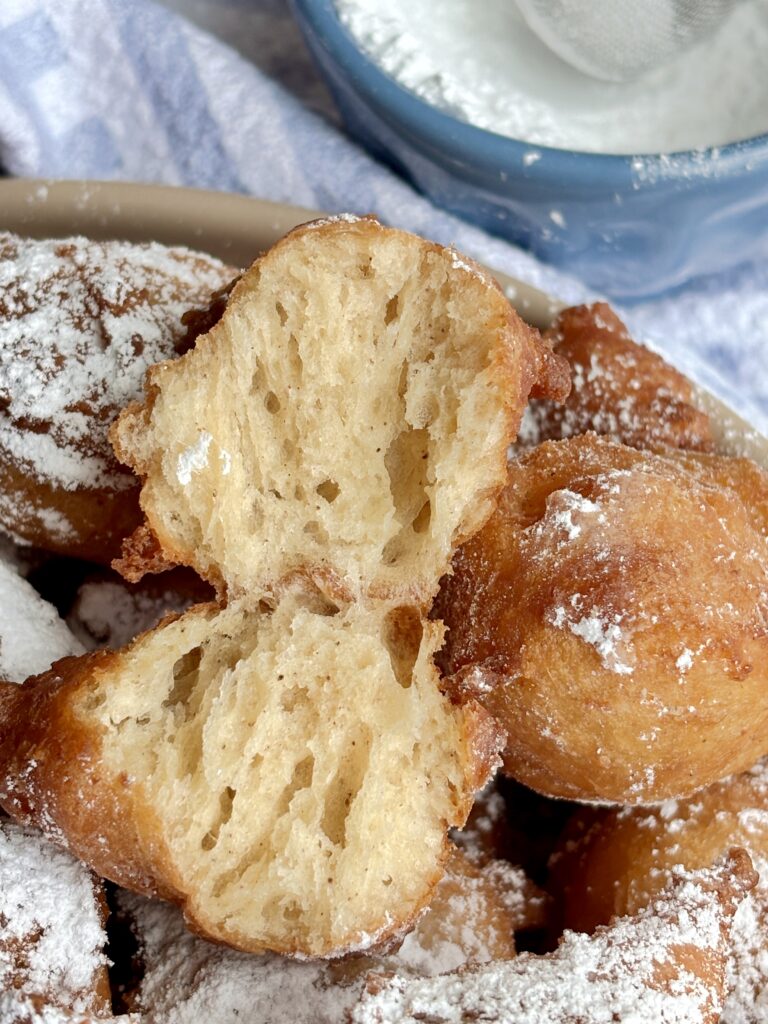
They’re lightly crisp and golden on the outside, with the softest, fluffiest, buttery centers. A little honey, vanilla, and cinnamon add just the right amount of sweetness and warmth without overpowering that delicious, rich dough.
And one of my favorite things about this recipe is how surprisingly easy they are to make. There’s no kneading, rolling, or cutting involved. Everything comes together in one bowl, rises until puffy, and then gets scooped directly into hot oil.
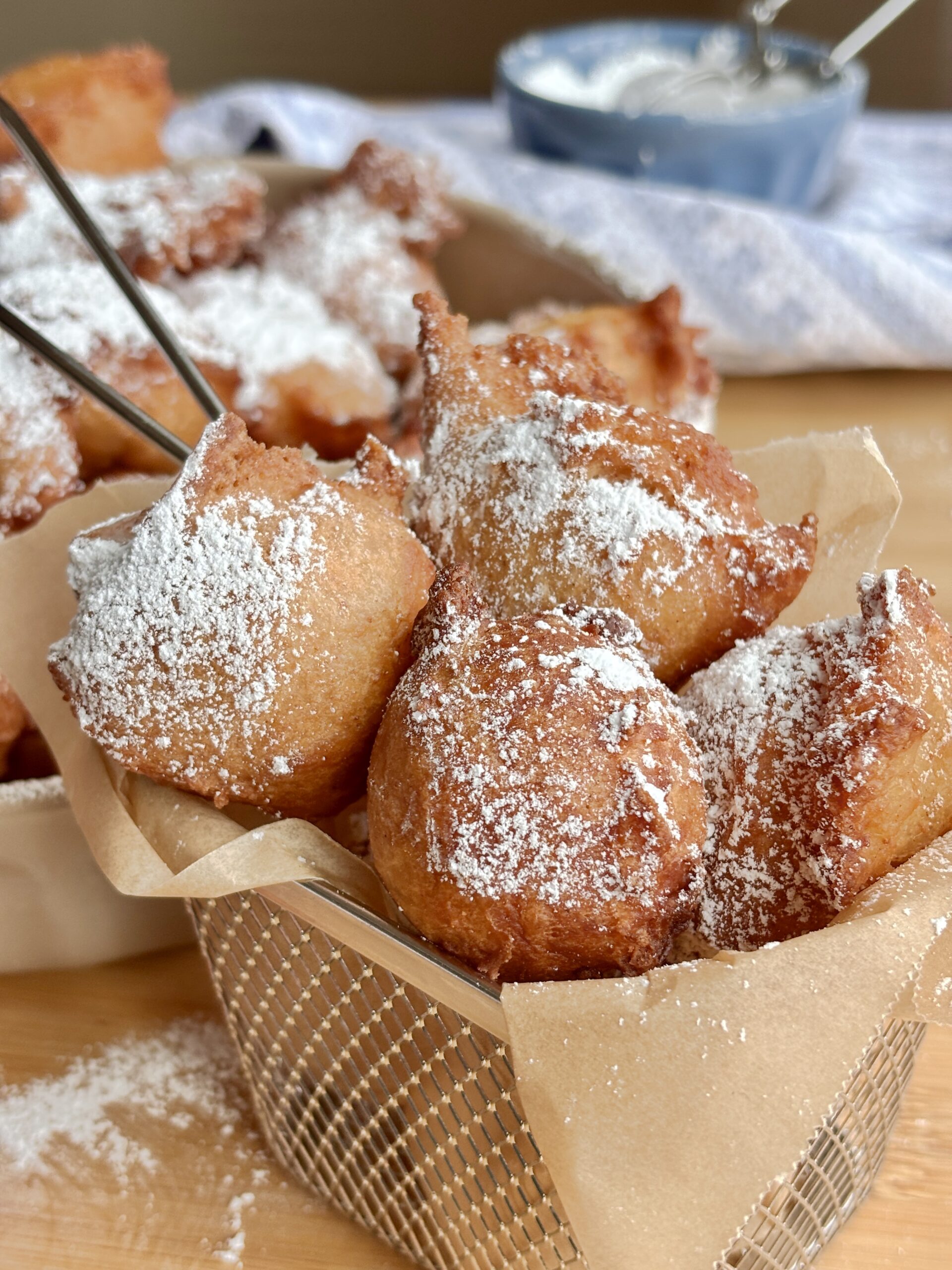
The result is a batch of warm, pillowy little donut bites that taste like a trip to the fair, without ever leaving your kitchen. Finish them with a generous dusting of powdered sugar, and I guarantee they will be gone in minutes!
Why you’ll love this recipe!
What Are Fried Brioche Holes?
Incredible, they are incredible. Not much else you need to know! Jokes aside though, fried Brioche Holes are small, yeast-raised donut bites inspired by the rich, buttery flavor and soft texture of traditional brioche.
Classic brioche is an enriched bread dough made with eggs and butter, typically requiring kneading and a longer rising process. This recipe though takes a simpler approach, using a sticky, scoopable dough rather than a firm dough that needs to be shaped.
The egg yolks, melted butter, and whole milk give these little donuts their brioche-inspired richness, while instant yeast creates a light, airy interior.
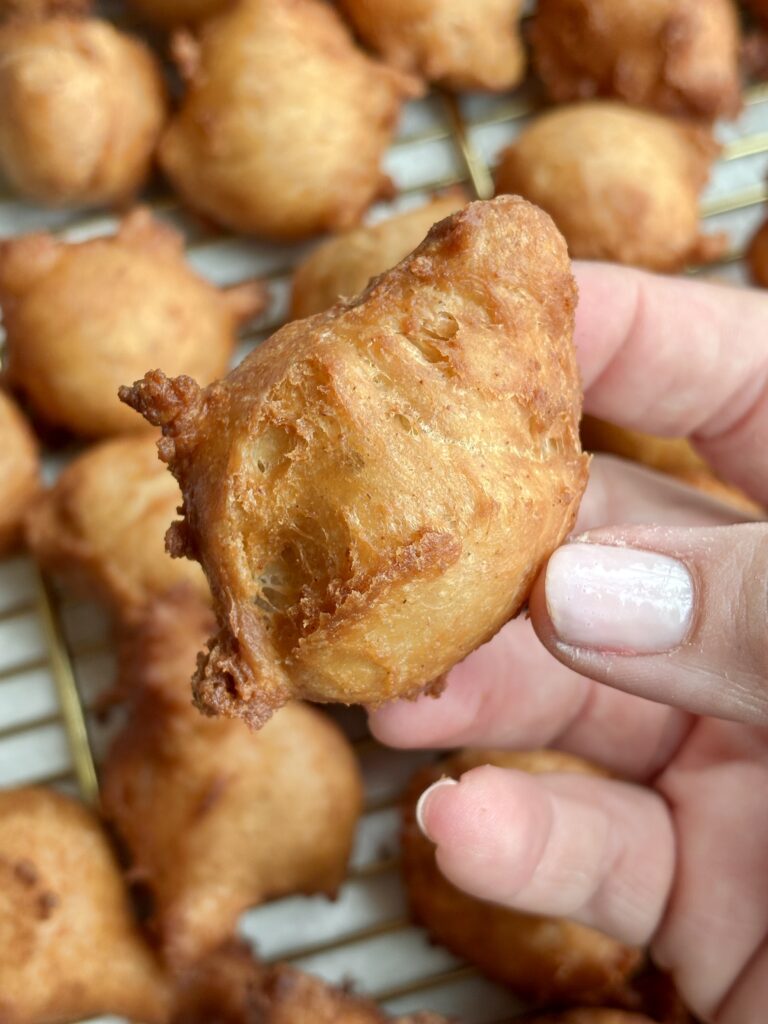
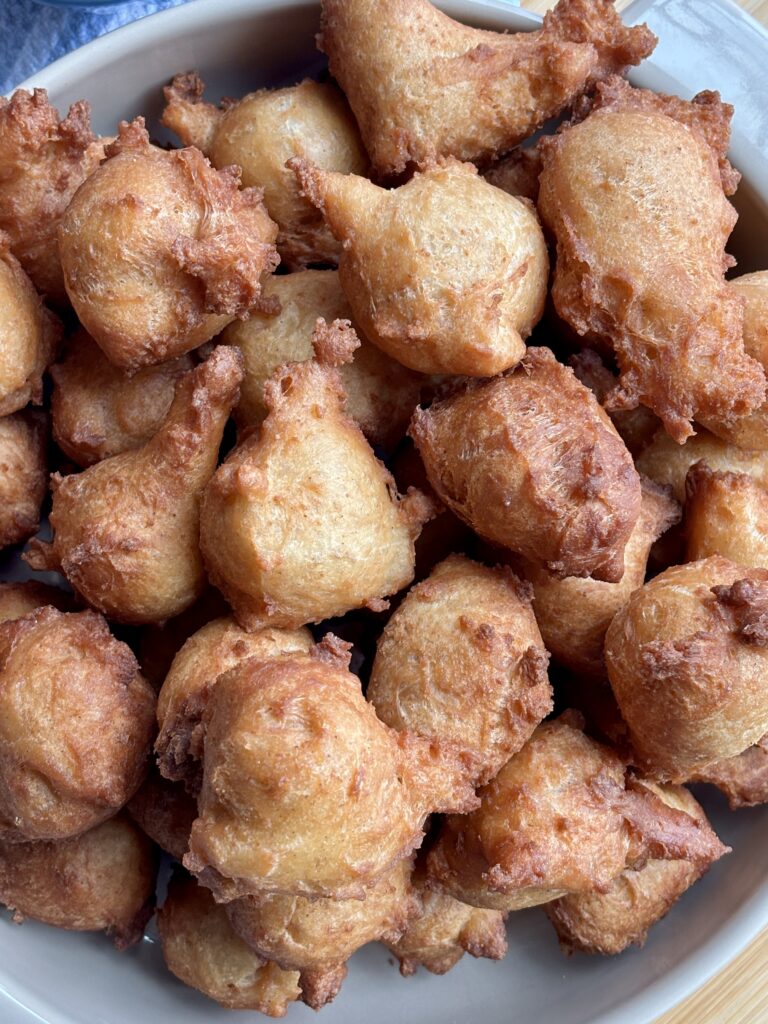
Once fried, they’re golden on the outside and soft and fluffy in the center, with a delicate sweetness that makes them especially delicious covered in powdered sugar.
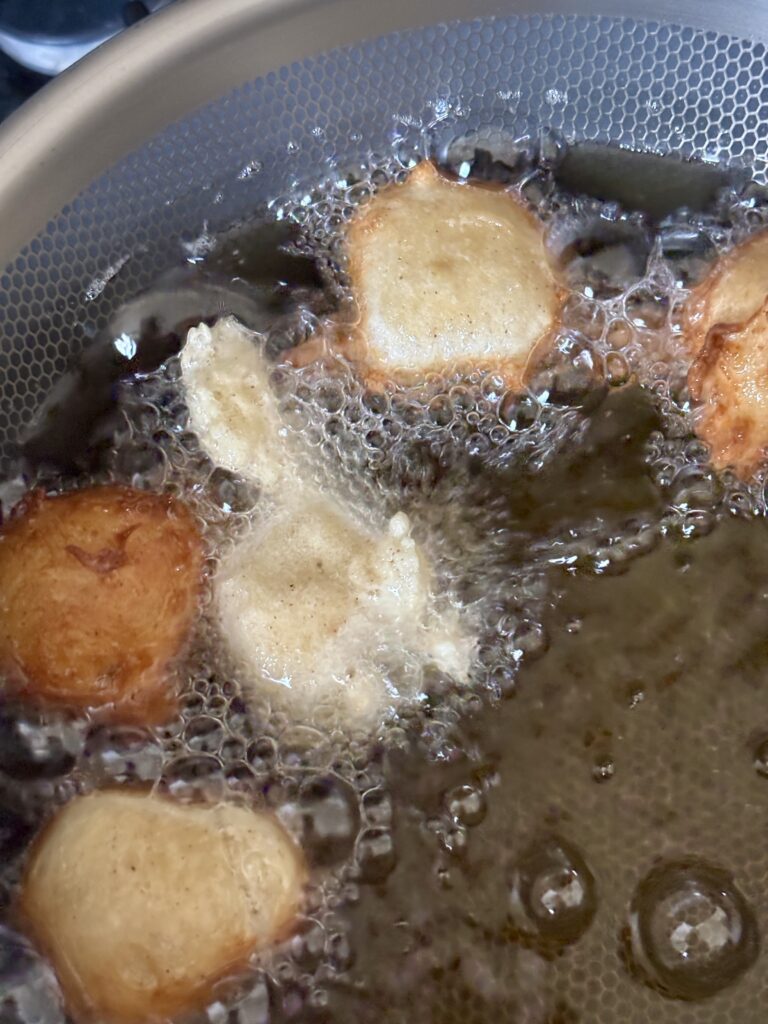
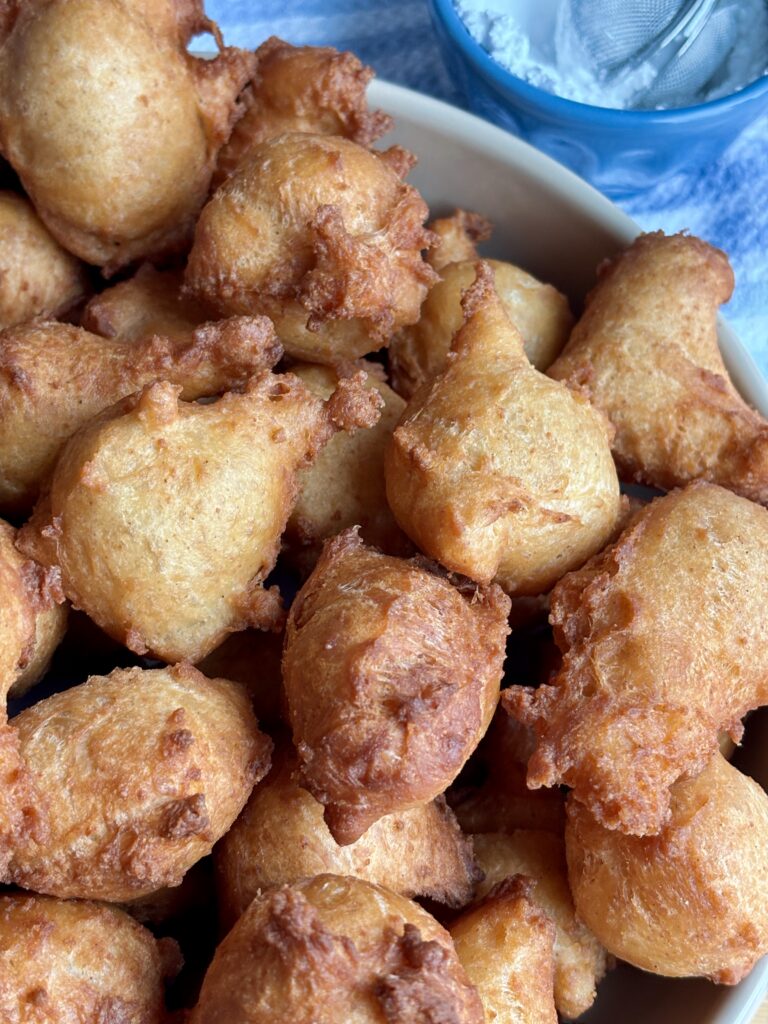
Because the dough is scooped rather than rolled, each one may have a slightly different shape and crispy edges. This is one of the things I love about this recipe!
What ingredients do I need?
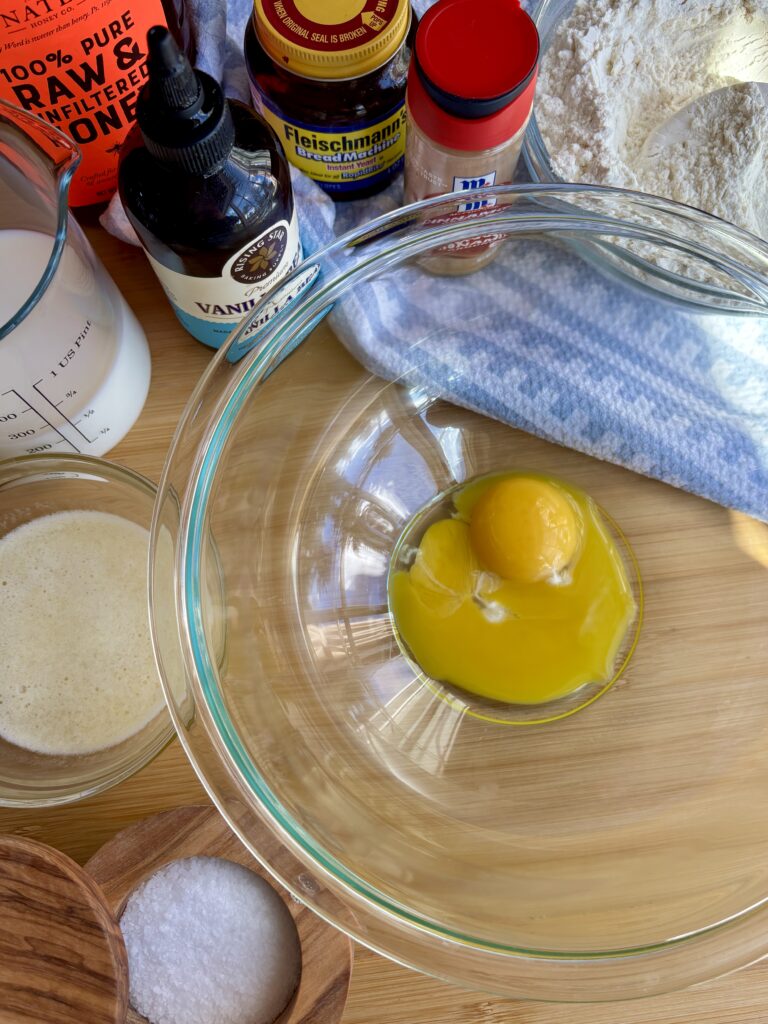
- All-Purpose Flour: Provides the structure for the dough while keeping the centers soft and tender.
- Egg Yolks: Add richness, tenderness, and a beautiful golden color. Using yolks rather than whole eggs helps create that buttery, brioche-inspired texture.
- Unsalted Butter: Melted butter adds richness and flavor. Allow it to cool slightly before mixing it with the other ingredients.
- Whole Milk: Creates a soft, moist dough and helps activate the yeast.
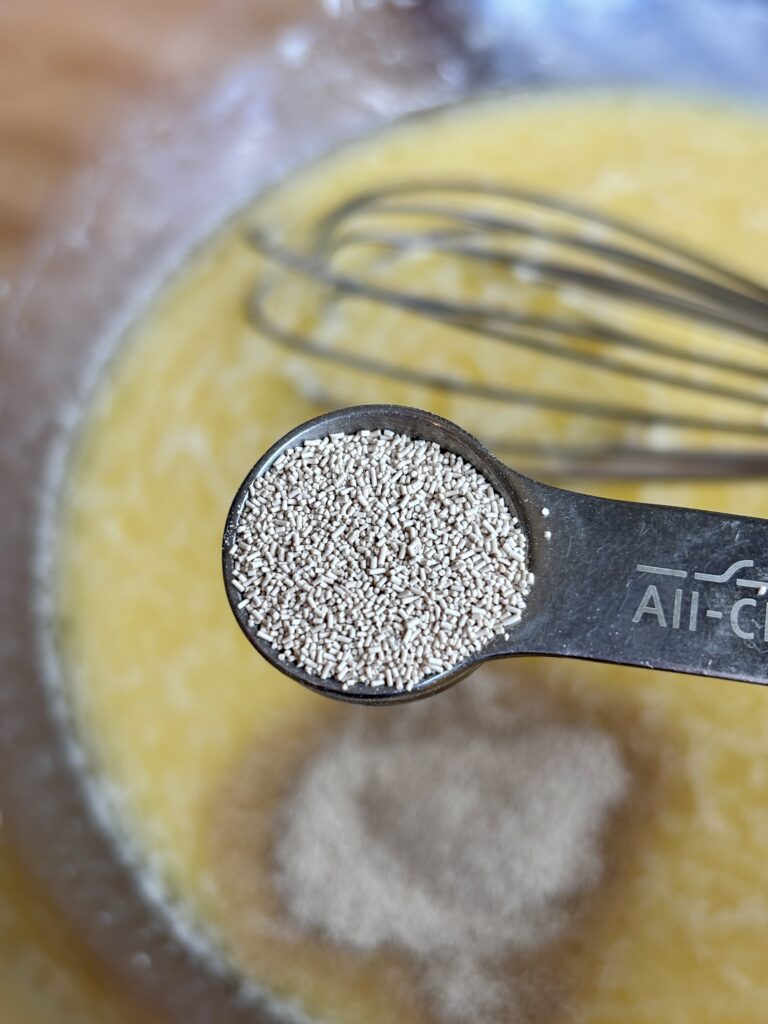
- Instant Yeast: Gives the dough its rise and creates a light, fluffy interior. Make sure your yeast is fresh and active.
- Honey: Adds a gentle sweetness and complements the butter and vanilla without making the dough overly sweet.
- Vanilla Bean Paste: Adds a lovely vanilla flavor throughout the dough. Regular vanilla extract works beautifully, too.
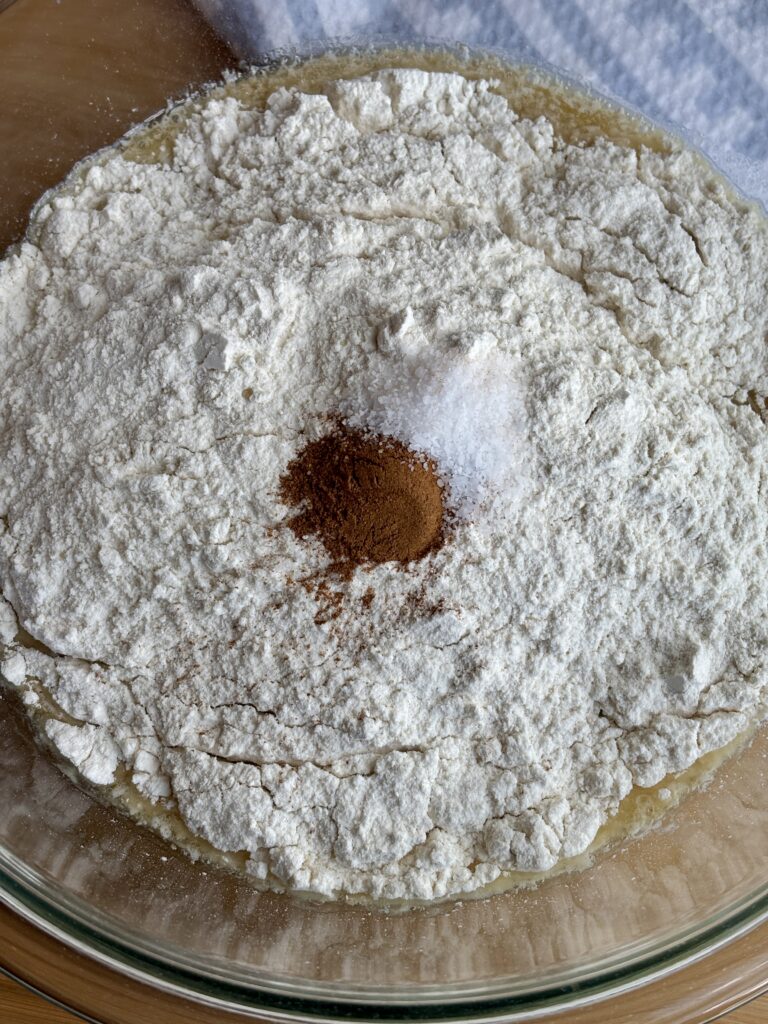
- Ground Cinnamon: Just a little cinnamon adds warmth without overpowering the buttery flavor.
- Kosher Salt: Balances the sweetness and enhances the overall flavor.
- Neutral Oil: Use a neutral oil with a relatively high smoke point, such as canola, vegetable, or peanut oil, for frying.
- Powdered Sugar: A generous dusting of powdered sugar is the perfect finishing touch.
Recipe Variations
- Cinnamon Sugar Brioche Holes: Skip the powdered sugar and toss the warm donut holes in a mixture of ½ cup granulated sugar and 1–2 teaspoons ground cinnamon.
- Vanilla Bean Glazed Brioche Holes: Whisk together powdered sugar, a splash of milk, and vanilla bean paste to create a simple glaze. Dip the slightly cooled donut holes and allow the glaze to set.
- Chocolate-Dipped Brioche Holes: Dip one side of each cooled donut hole into melted chocolate and finish with flaky sea salt or sprinkles.
- Salted Caramel Brioche Holes: Serve the warm donut holes with homemade salted caramel sauce for dipping.
- Orange Cinnamon Brioche Holes: Add a little fresh orange zest to the dough for a bright, fragrant twist.
- Holiday Spiced Brioche Holes: Add a small pinch of nutmeg or cardamom alongside the cinnamon for a cozy holiday flavor.
- Pumpkin Spiced Brioche Holes: Add 1 tsp of pumpkin pie spice to the batter with the cinnamon for an autumn twist.
Pro Tips
- Measure your flour carefully. Too much flour can make the dough stiff and the finished donut holes dense. Make sure to spoon the flour into your measuring cup and level it off rather than packing it down.
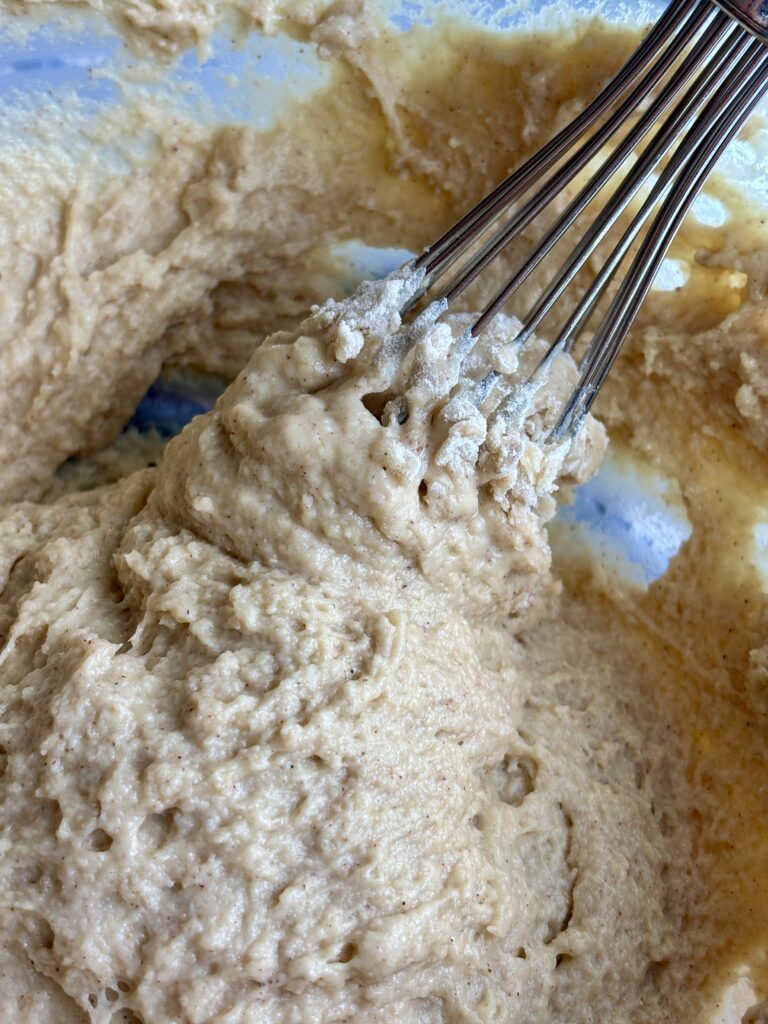
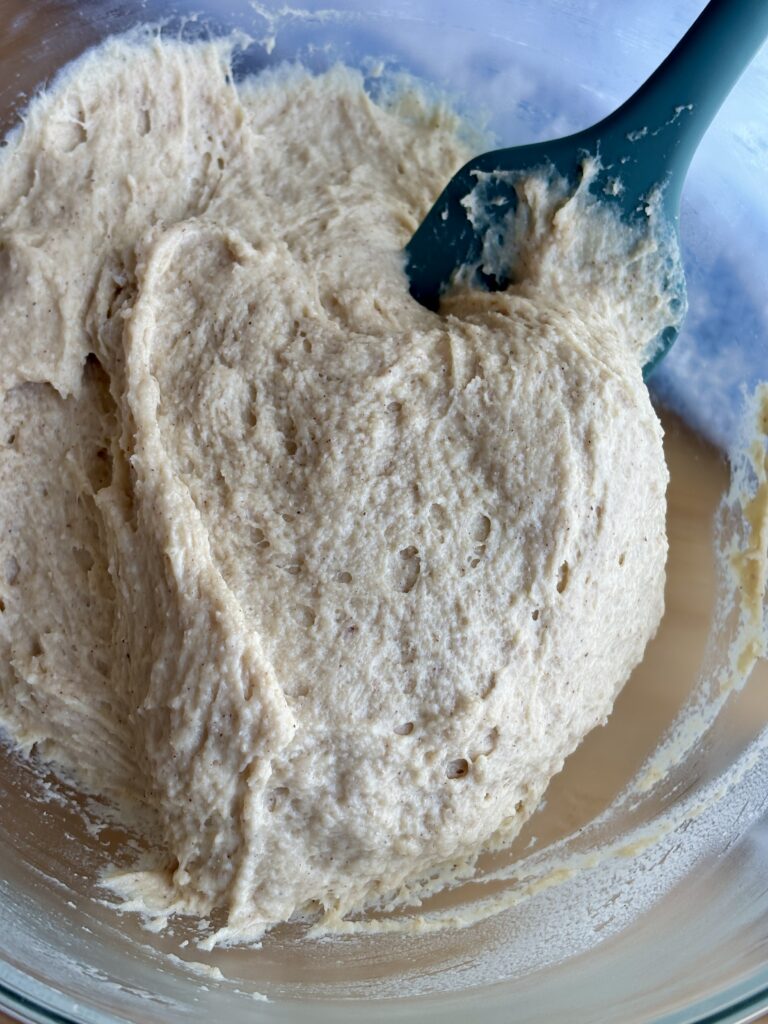
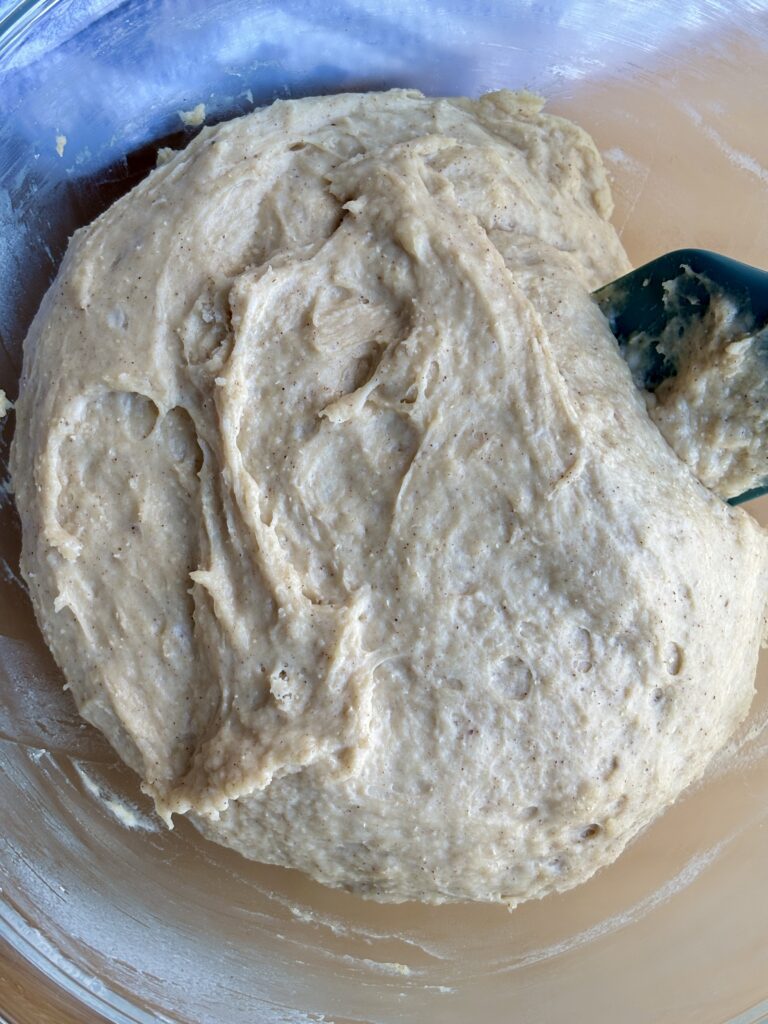
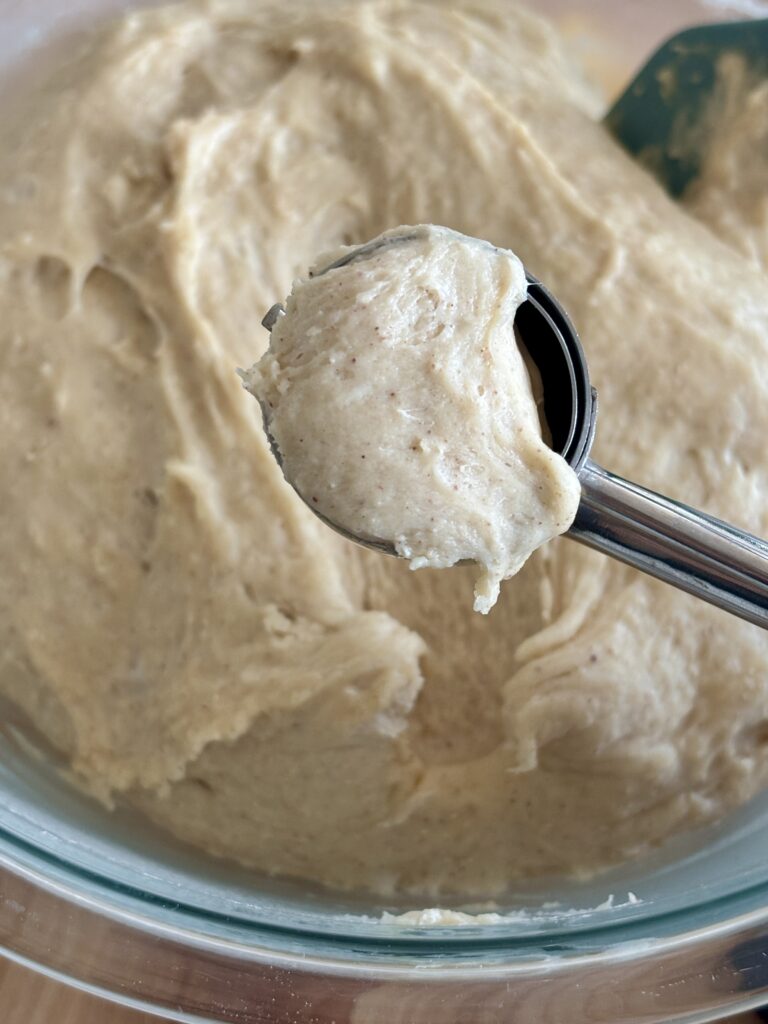
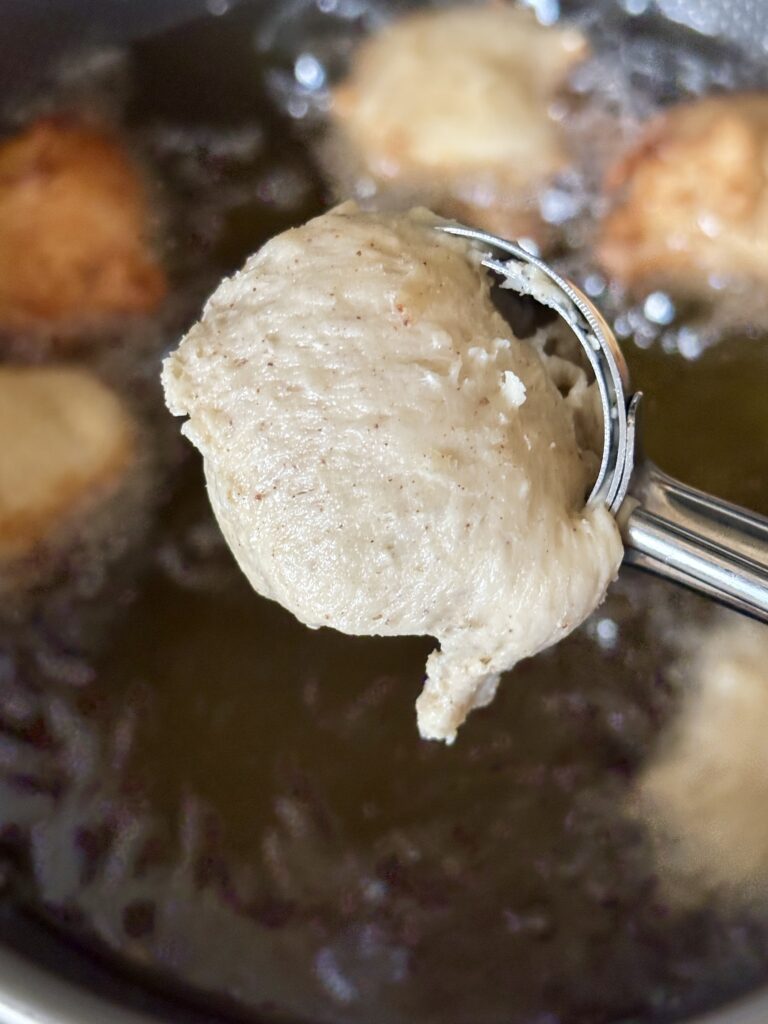
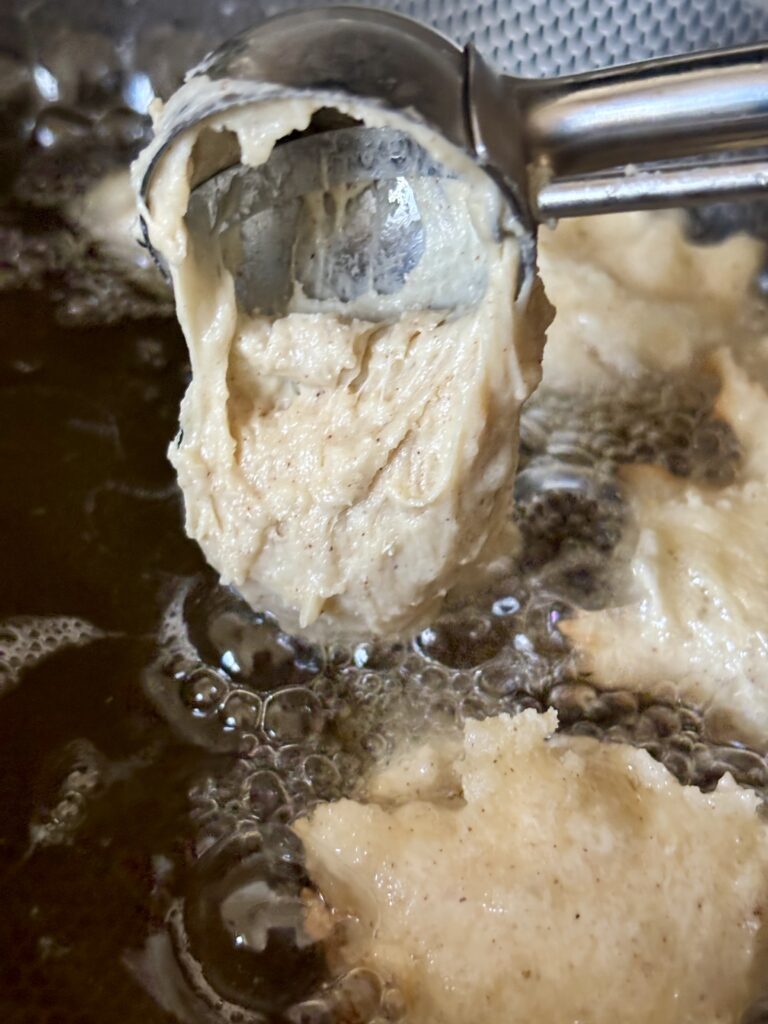
- Pay attention to the dough’s consistency while mixing. You want a thick, sticky dough that can be scooped without spreading into a puddle. It should feel softer than traditional bread dough, but thicker than pancake batter.
- Use warm, not hot, milk. A temperature of approximately 100–110°F is ideal. Milk that’s too hot can interfere with the yeast.
- Give the dough enough time to rise. Rather than watching the clock alone, look for dough that’s visibly puffy and aerated. A cooler kitchen may require a little extra time.
- Don’t stir the dough after rising. Scooping gently helps preserve the air pockets that have developed during the fermentation process..
- Use a small cookie scoop. A 1-tablespoon scoop makes portioning easier and helps the donut holes cook evenly.
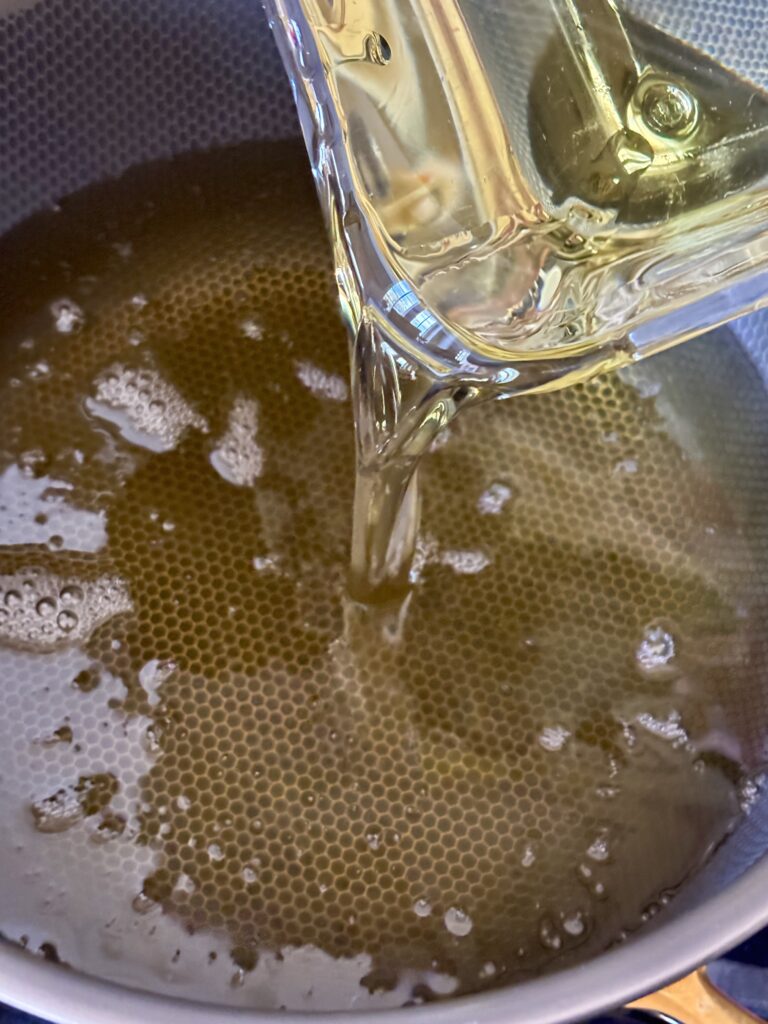
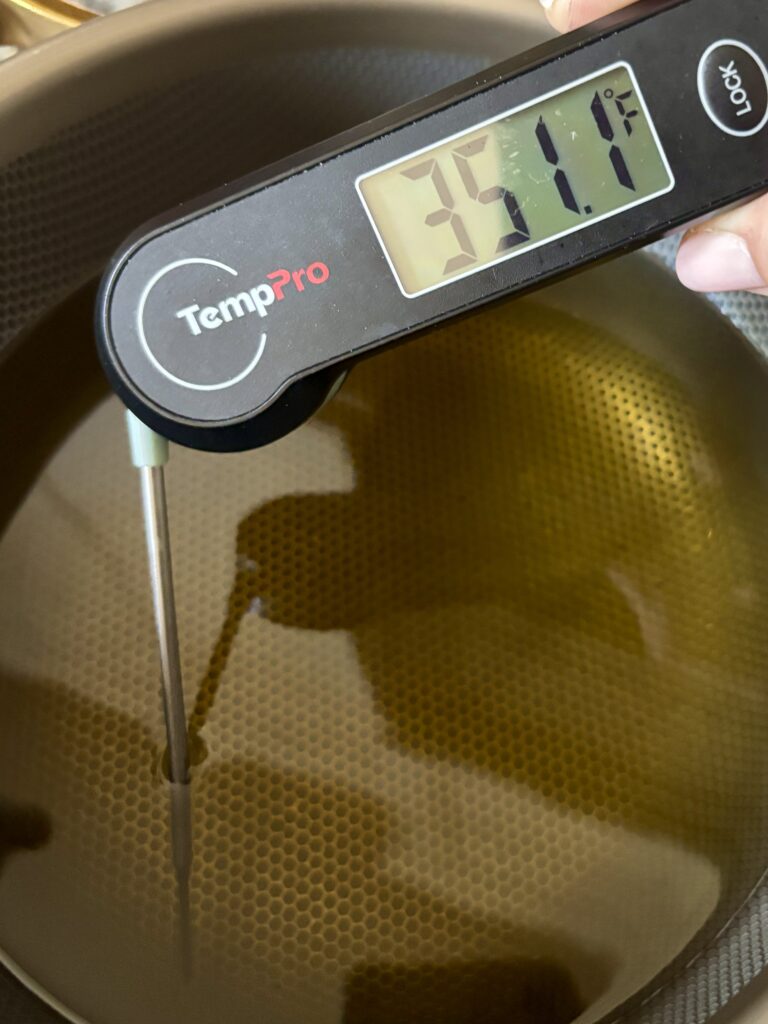
- Monitor your oil temperature carefully. Aim for 350°F and allow the oil to return to temperature between each batch. Oil that’s too hot can brown the outside before the center cooks, while oil that’s too cool can produce greasy donutd. I use an instant read thermometer to help me with this.
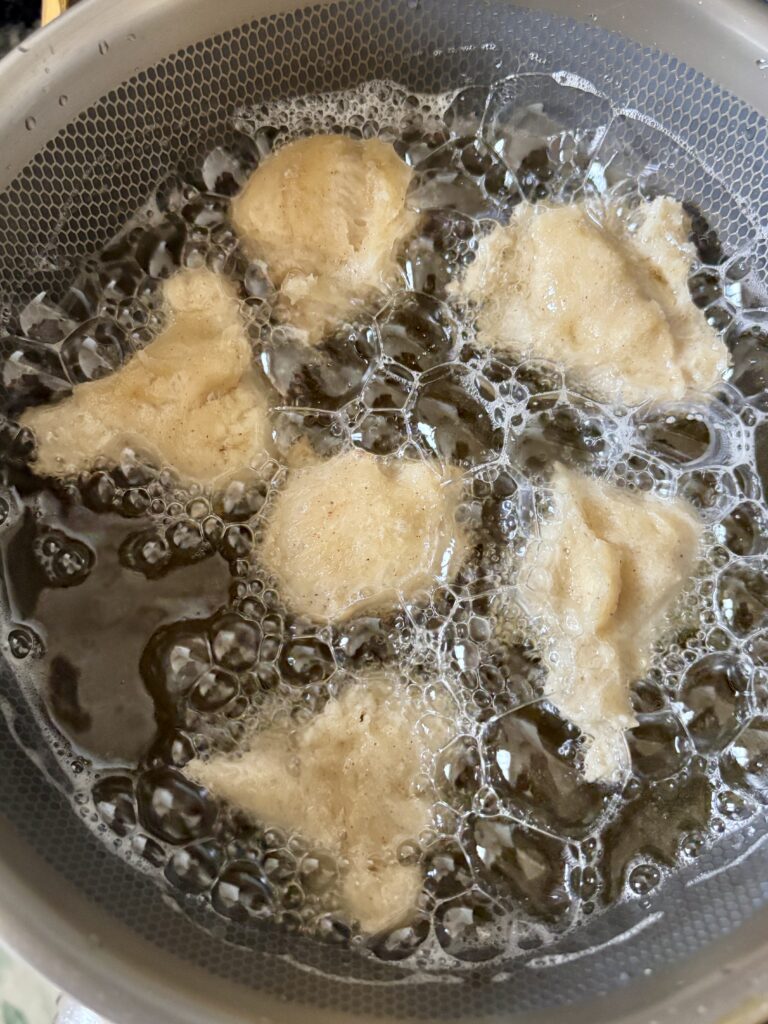
- Avoid overcrowding the pot. Frying too many at once will cause the oil temperature to drop and it will also make it harder to turn the donut holes evenly.
- Test one brioche hole before frying the entire batch. Then cut your first donut hole in half to check the center. If it needs more time, adjust the frying time or portion size before continuing with the rest of the batter.
- Serve them fresh if possible. Like most homemade fried donuts, these are at their absolute best (and crispiest!) shortly after frying.
Can I Substitute?
Yes! Like always though, any substitutions made to the recipe can result in a change in texture and/or flavor.
- All-Purpose Flour: All-purpose flour provides the best balance of tenderness and structure for this recipe. Bread flour can work in a pinch, although it may produce a slightly chewier texture. I have not tested this substitution yet.
- Whole Milk: You can substitute 2% milk if needed. The donut holes may be slightly less rich, but they should still be tender.
- Unsalted Butter: Salted butter works if that’s what you have on hand. Simply reduce the added kosher salt slightly.
- Instant Yeast: Active dry yeast works as a substitute. Use the same amount and dissolve it in the warm milk with the honey for 5–10 minutes before mixing the dough. The rise may take slightly longer.
- Honey: Replace the honey with an equal amount of maple syrup for a subtle maple flavor. Granulated sugar can also work, although it won’t contribute the same moisture to the batter.
- Vanilla Bean Paste: Regular vanilla extract is an easy 1:1 substitution.
- Neutral Frying Oil: Canola, avocado, vegetable, sunflower, or peanut oil are all suitable choices for frying. Choose an oil with a neutral flavor and an appropriate smoke point.
Dietary Substitutions
- Nut-Free Fried Brioche Holes: The original recipe does not contain nuts when prepared with standard all-purpose flour, dairy ingredients, and a nut-free frying oil. If you’re preparing these for someone with a nut allergy, check the labels on your ingredients and avoid peanut oil if appropriate for their allergy management. Also consider potential cross-contact during preparation.
- Reduced-Sugar Option: The dough itself contains only a modest amount of honey, so most of the finished sweetness comes from the powdered sugar topping. Therefore for a less sweet version, use a lighter dusting of powdered sugar or serve the donut holes plain. I wouldn’t eliminate the honey entirely without testing, since it contributes flavor, moisture, and helps support yeast fermentation.
Leftovers and Storage
These Fried Brioche Holes are best enjoyed fresh, preferably within a few hours of frying. Their delicate, crispy exterior will gradually soften as they sit.
- Room Temperature: Allow the donut holes to cool completely before transferring them to an airtight container. Store at room temperature for up to 1–2 days.
- For the best texture, add powdered sugar just before serving rather than before storing.
- Refrigerator: I don’t generally recommend refrigerating these donut holes because the cold temperature can cause the bread-like interior to firm up and lose some of its softness. If you do decide to refrigerate them, store them in an airtight container and gently rewarm before serving.
- Freezer: For longer storage, freeze completely cooled donut holes without powdered sugar. Arrange them in a single layer on a baking sheet and freeze until firm, then transfer to a freezer-safe container or bag. Freeze for up to 2 months for best quality.
- How to Reheat: For the best results, warm the donut holes in a 300°F oven for approximately 5–8 minutes, or until heated through. You can also microwave them briefly, but they won’t have the same lightly crisp exterior that they did before. Dust with fresh powdered sugar immediately before serving.




Troubleshooting
The Dough Is Too Runny
The dough may contain too much liquid, or not enough flour. Stir in additional flour, 1 tablespoon at a time, until it becomes thick enough to scoop. Keep in mind that the dough should still be quite sticky and soft.
The Dough Is Too Thick or Stiff
Too much flour may have been added. Mix in a small splash of milk, approximately 1 tablespoon at a time, until the dough softens. Avoid adding too much liquid, which will cause the dough to lose its structure.
The Dough Isn’t Rising
Check that your yeast is fresh and that the dough is resting somewhere warm. A cool kitchen can really slow down fermentation. If the milk was excessively hot, it may have damaged the yeast.
The Donut Holes Are Brown Outside but Raw Inside
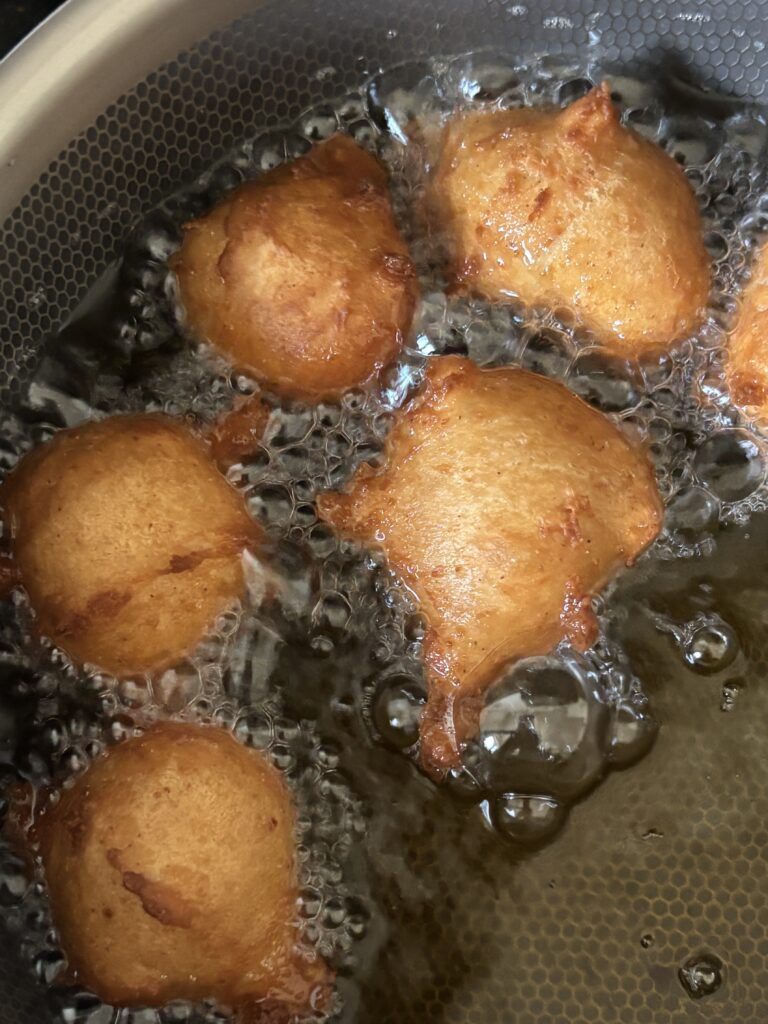
The oil is likely too hot, or the dough portions are too large. Lower the oil temperature slightly and use smaller, consistent scoops. Aim for approximately 350°F and test a donut hole before frying the next batch.
The Donut Holes Are Greasy
The oil may be too cool, especially after adding a batch of dough. Allow the oil to return to temperature between batches and avoid overcrowding the pot.
The Donut Holes Are Dense Instead of Fluffy
The dough may not have risen long enough, too much flour may have been added, or the dough may have been deflated before frying. Allow the dough to become noticeably aerated and scoop it gently.
The Donut Holes Have Irregular Shapes
This is completely normal for a soft, scoopable dough. Lightly oiling your scoop and releasing the dough close to the oil’s surface can help create more uniform shapes, but a slightly rustic appearance is expected.
The Powdered Sugar Disappears After Dusting
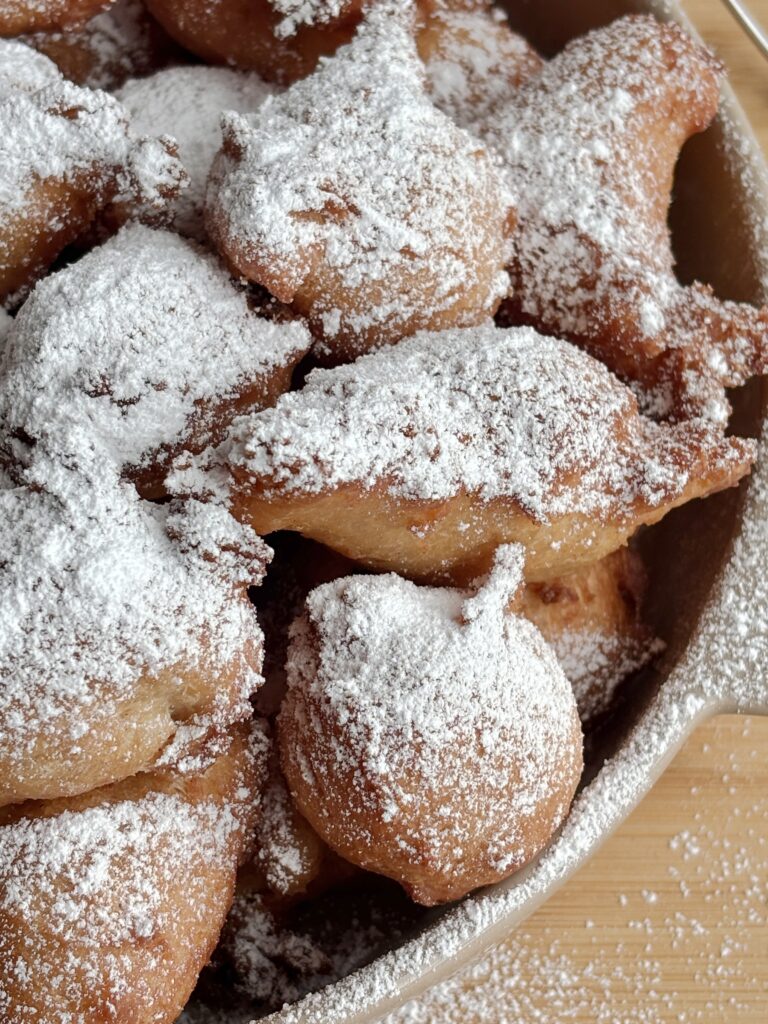
Allow the donut holes to cool for a few minutes before adding the sugar. For a more pronounced powdered sugar coating, dust them again immediately before serving.

But, I Still Have A Few Questions…
Are these traditional brioche donuts?
Not exactly. Traditional brioche uses a rich, kneaded dough with plenty of butter and eggs. These Fried Brioche Donut Holes are inspired by that same buttery flavor and soft, fluffy texture, but use a much simpler, scoopable yeast dough. You get that delicious brioche-inspired richness without all the extra work.
Do I need a stand mixer to make homemade donut holes?
Nope! One of my favorite things about this recipe is that everything comes together in one bowl with a sturdy spoon or spatula. There’s no stand mixer, kneading, rolling, or cutting required. Easy, peasy!
Can I make the donut dough ahead of time?
Absolutely! You can cover the dough tightly and refrigerate it overnight for a slower rise. Before frying though, let it sit at room temperature until it’s visibly puffy and aerated. Keep in mind that the timing will depend on how much the dough rose in the refrigerator.
Can I use active dry yeast instead of instant yeast?
Yes. Use the same amount of active dry yeast and dissolve it in the warm milk with the honey for 5–10 minutes before adding the remaining ingredients. The dough may need a little extra time to rise. Check out my How To Work With Yeast guide if you have more questions regarding working with yeast.
Can I bake or air fry these brioche donut holes?
I wouldn’t recommend it for this particular recipe. The dough is intentionally soft and sticky so you can scoop it directly into hot oil. It isn’t designed to hold its shape on a baking sheet or in an air fryer basket.
Can I fill these donut holes with cream or jam?
You can certainly experiment! Once the donut holes have cooled slightly, use a piping bag with a small filling tip to add pastry cream, jam, peanut butter, or chocolate hazelnut spread. Because they’re smaller and more irregularly shaped than traditional donuts, some may be easier to fill than others. I have not tried to do this yet, but maybe I will soon!
Can I use different toppings instead of powdered sugar?
Absolutely! Toss the warm donut holes in cinnamon sugar, dip them in a simple vanilla glaze, or drizzle them with melted chocolate. You could also serve them with salted caramel sauce, toffee sauce, homemade strawberry jam, or warm chocolate sauce for dipping.
When is the best time to serve fried brioche donut holes?
Fresh and warm, without question! That’s when the outside has that delicate golden crust and the center is at its softest and fluffiest. They’re especially delicious for weekend brunch, holiday mornings, or an afternoon treat with coffee.
Other Recipes You’ll Love
Let’s engage!
Make sure to tag @thehomechefmomma on Instagram or Facebook, and leave a review or comment if you make these. I always get so excited to see your creations, variations of the recipe, and feedback! Just remember to be kind in your comments, there is still a person behind this screen! 🙂
Fried Brioche Holes
Ingredients
- 2 cups all-purpose flour
- 2 large egg yolks
- 4 tablespoons unsalted butter melted and slightly cooled
- 1 cup whole milk warmed to approximately 100–110°F
- 1½ teaspoons instant yeast
- 2 tablespoons honey
- 1 teaspoon vanilla bean paste or vanilla extract
- ½ teaspoon ground cinnamon
- ½ teaspoon kosher salt
- Neutral oil such as canola or vegetable oil, for frying
- Powdered sugar for dusting
Instructions
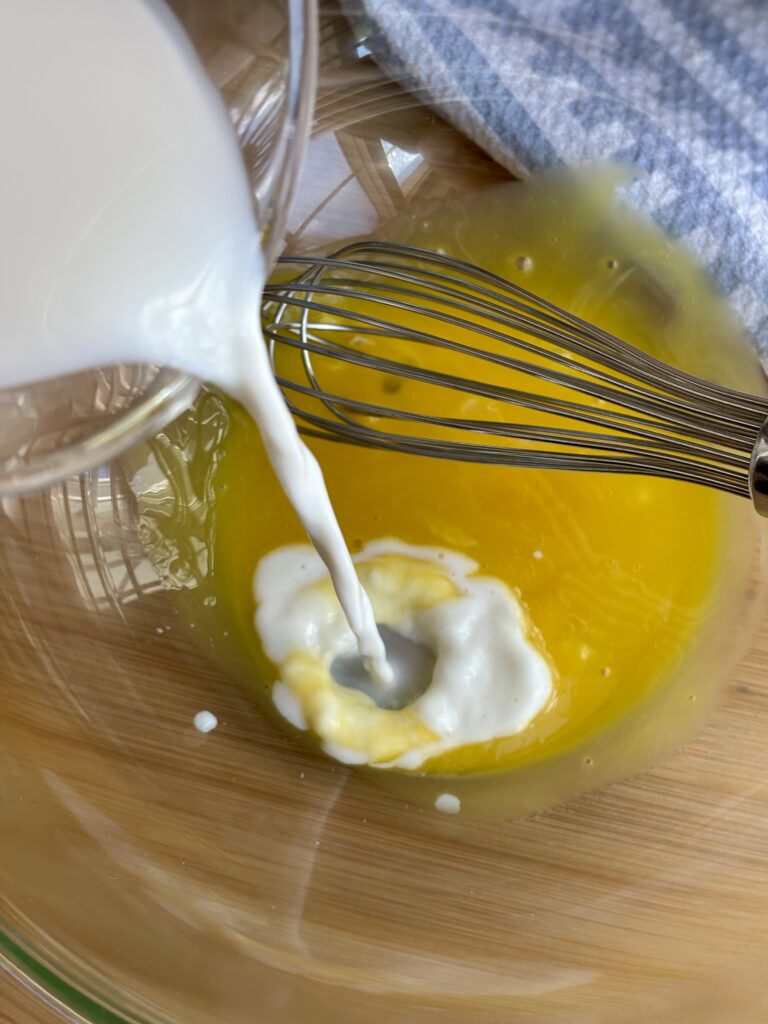
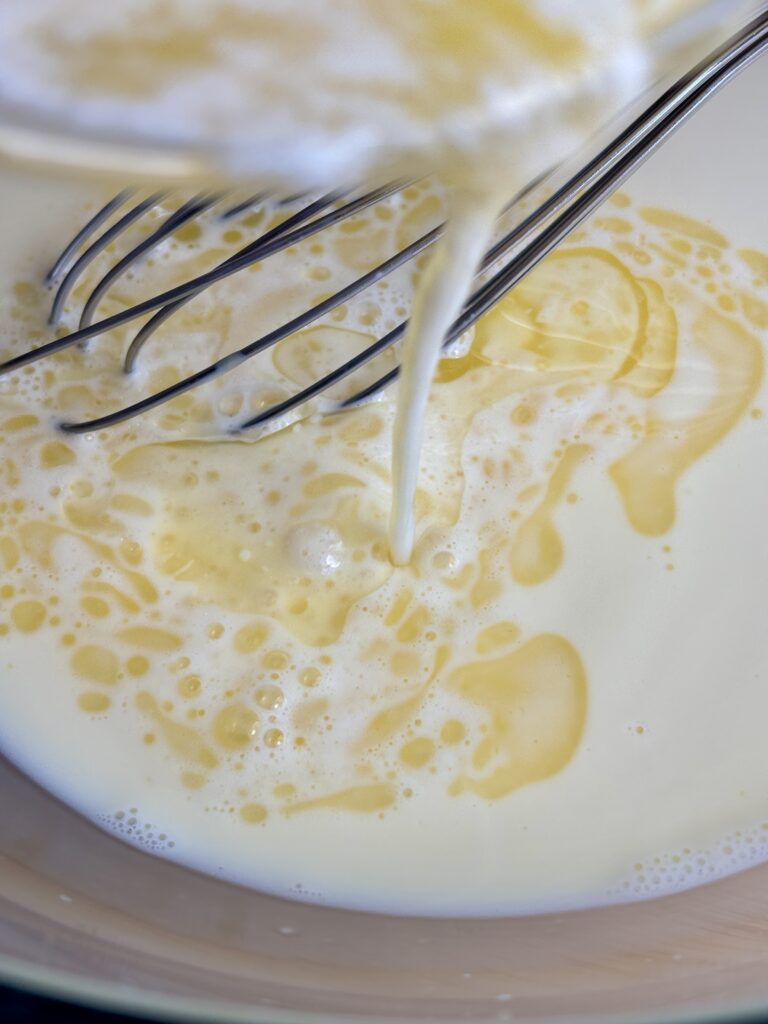
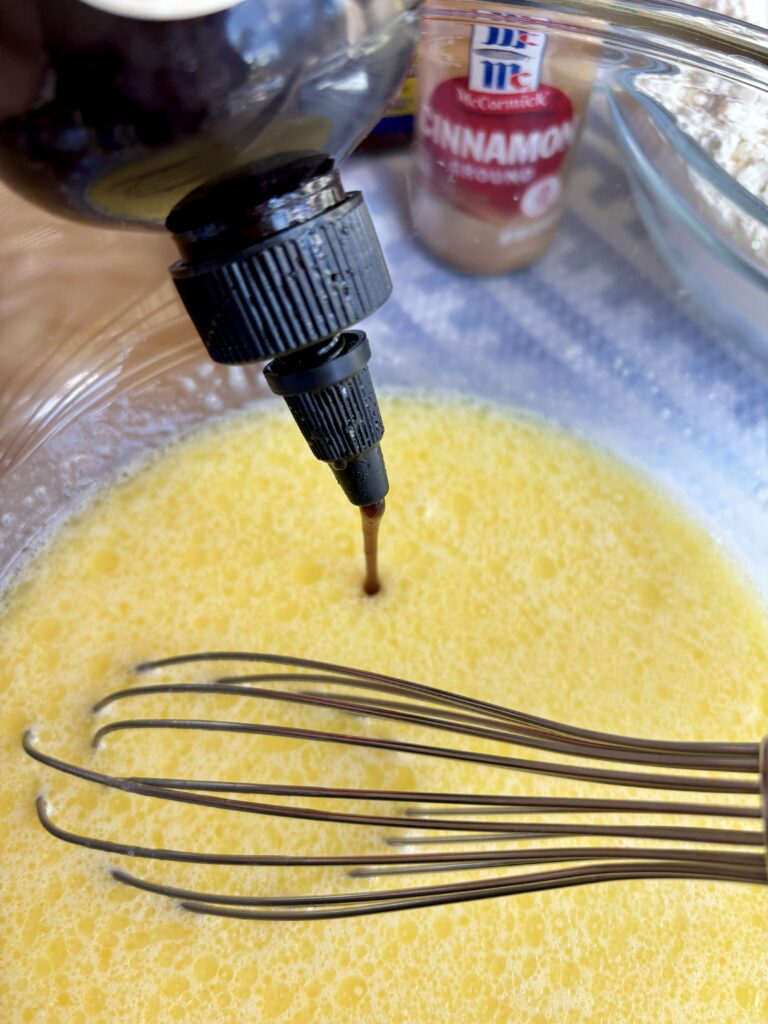
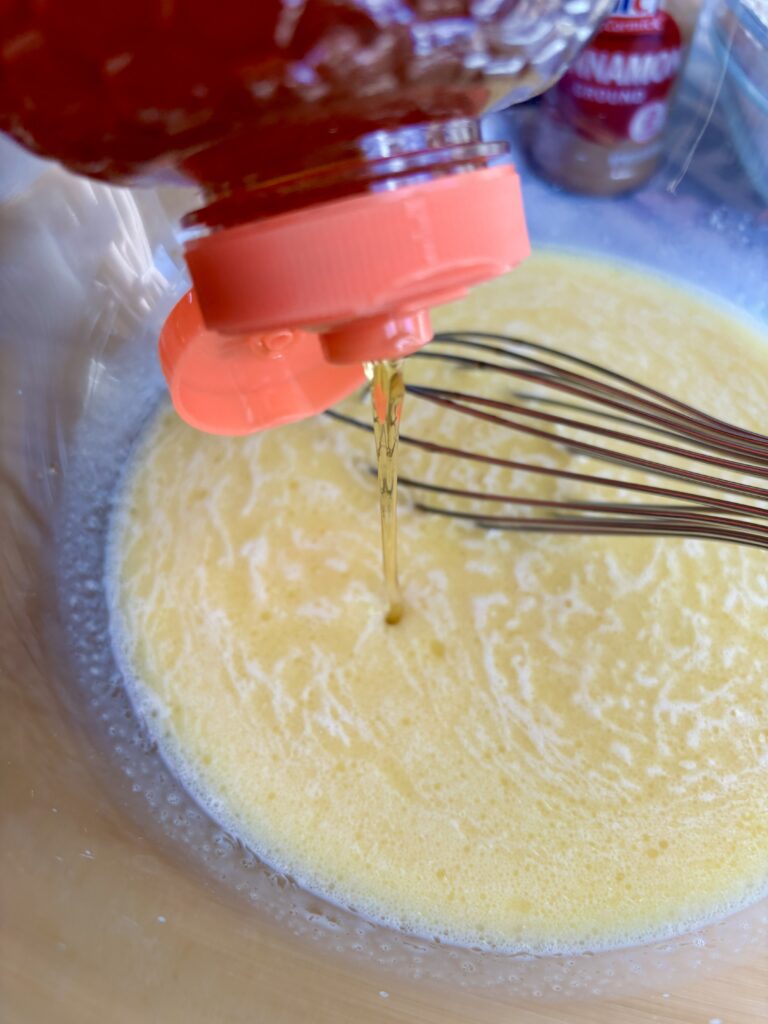
- In a medium mixing bowl, whisk together the warm milk, egg yolks, melted and cooled butter, honey, and vanilla until well combined.
- Add the flour, instant yeast, cinnamon, and kosher salt. Stir vigorously for approximately 1–2 minutes, until a thick, sticky, smooth dough forms. The dough should hold some shape when scooped but remain too sticky to roll by hand.
- Cover the bowl with plastic wrap, or a clean kitchen towel, and let the dough rise in a warm, draft-free place for approximately 45–60 minutes, or until visibly puffy and aerated.
- Pour approximately 3-4 inches of neutral oil into a heavy-bottomed pot, or Dutch oven. Heat to 350°F, using a thermometer to monitor the temperature.
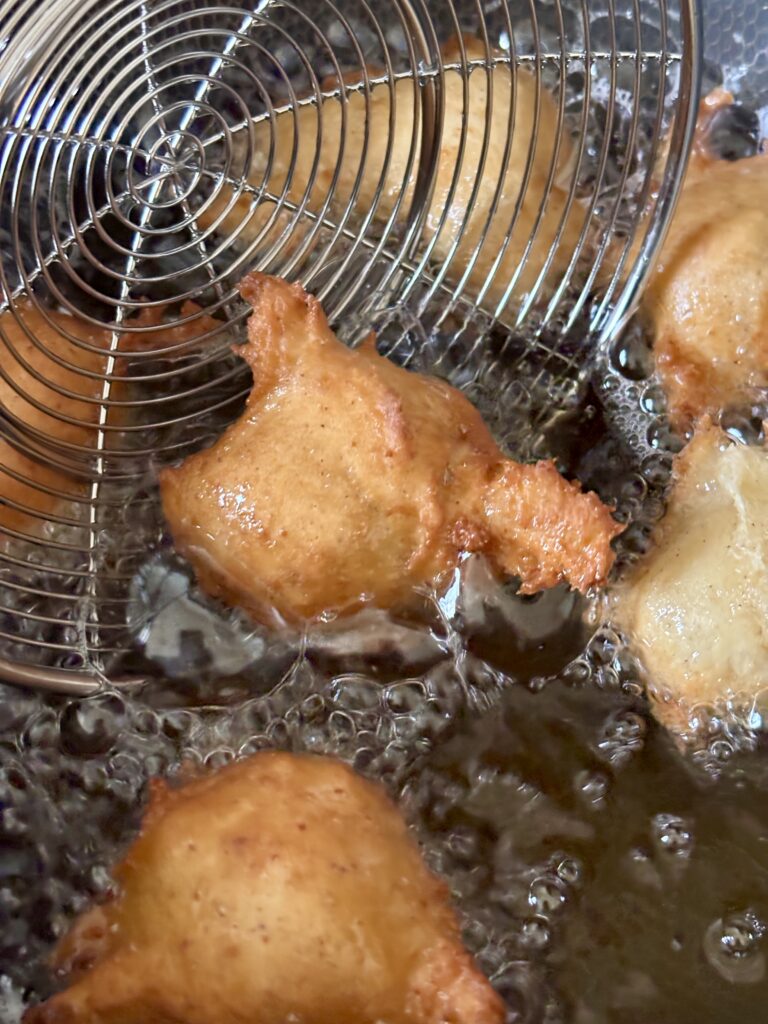
- Using a lightly oiled 1-tablespoon cookie scoop or two spoons, gently drop small portions of the risen dough into the hot oil. Avoid stirring or deflating the dough before scooping.
- Fry in small batches for approximately 3–4 minutes, turning occasionally, until deeply golden brown and cooked through. Adjust the heat as needed to maintain the oil temperature.
- Carefully transfer the fried donut holes to a wire rack set over a baking sheet or a paper towel-lined plate to drain.
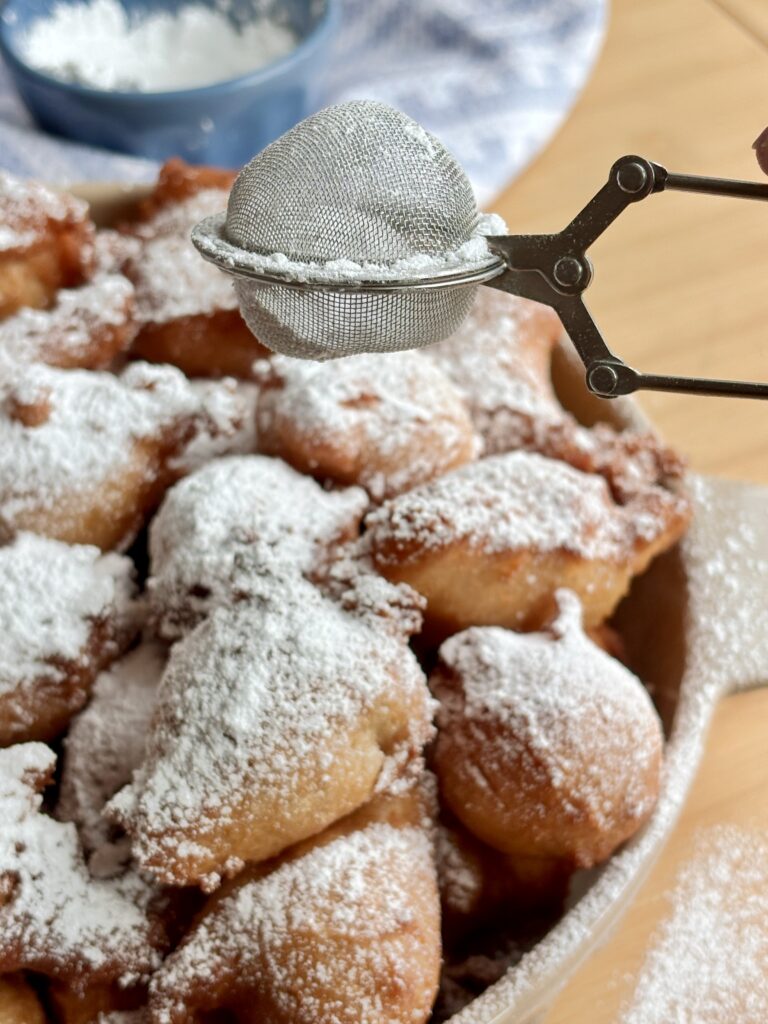
- Allow the donut holes to cool slightly, then dust generously with powdered sugar. Serve warm.
Notes
- Dough consistency: The dough should be thick, soft, and sticky, not firm enough to roll. If necessary, adjust with a small amount of flour or milk.
- Frying temperature: Maintain the oil around 350°F for even cooking and a golden exterior.
- Portion size: A 1-tablespoon scoop produces small donut holes that cook more evenly than larger portions.
- Make ahead: The dough can be refrigerated overnight for a slow rise. Allow it to become visibly puffy before frying.
- Storage: Store cooled donut holes in an airtight container at room temperature for 1–2 days, or freeze for up to 2 months.
- Serving: These are best enjoyed freshly fried and dusted with powdered sugar.
Fried Brioche Holes | Homemade brioche donut holes | Fried brioche donut holes | Easy homemade donut holes | Yeast donut holes recipe | Fluffy homemade donut holes | Brioche doughnut holes | Homemade fried doughnut bites | No-knead donut holes | Powdered sugar donut holes | Soft and fluffy fried donuts

Nutritional Content Disclaimer
I choose not to include nutritional information with my recipes, as these values can be calculated from the ingredients provided. With my background as a pediatric nurse practitioner and my own family experience with disordered eating, I understand how focusing on numbers can affect our relationship with food. My philosophy is that all foods have a place—sweet, savory, nourishing, or indulgent. I aim to share recipes that support a healthy, joyful approach to eating. My hope is that this space also encourages a balanced, healthy relationship with food for you and your family too.