
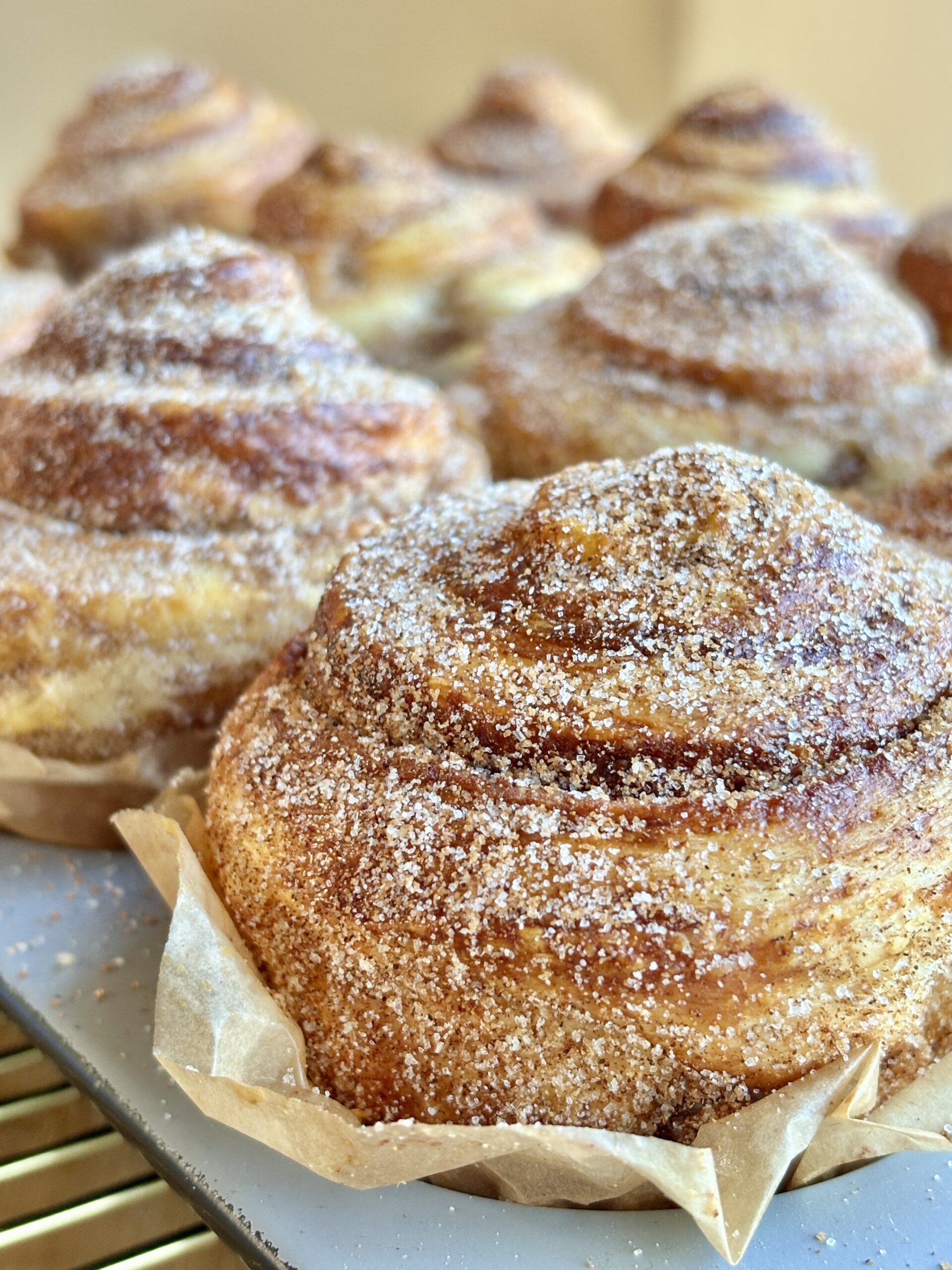
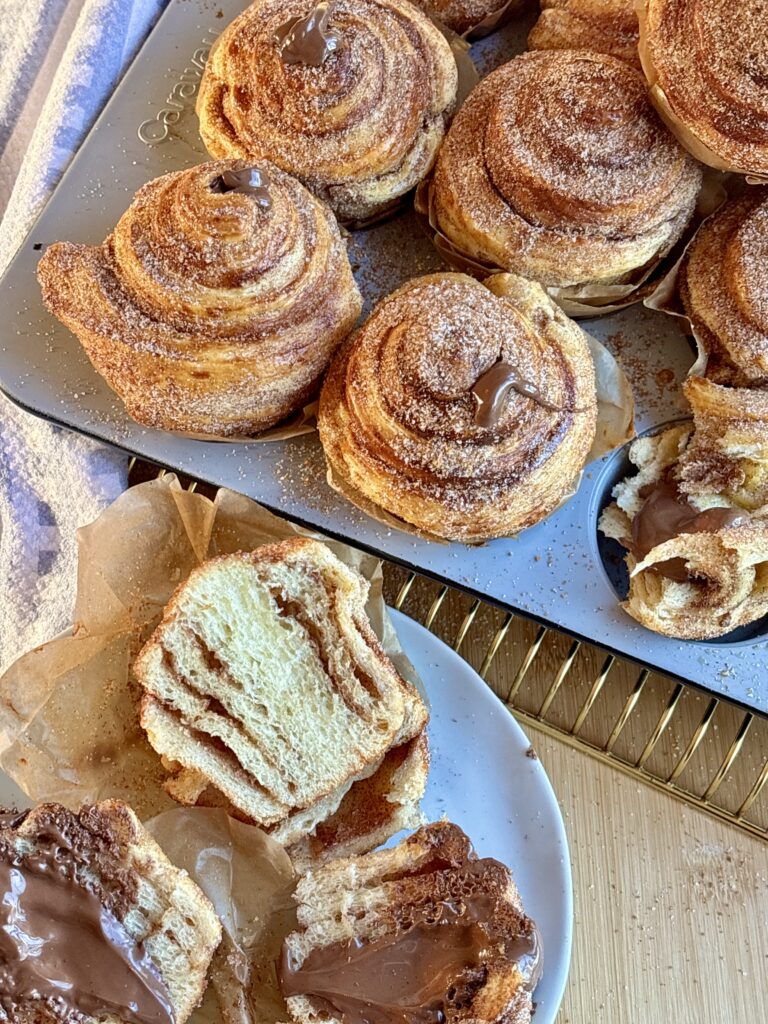
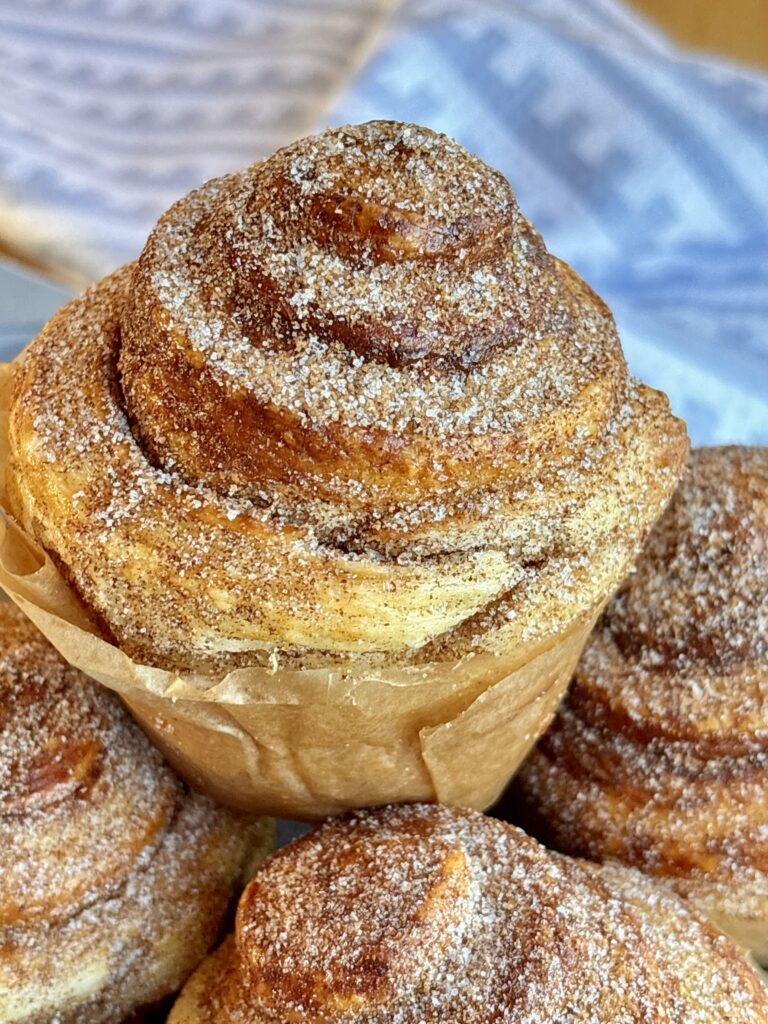
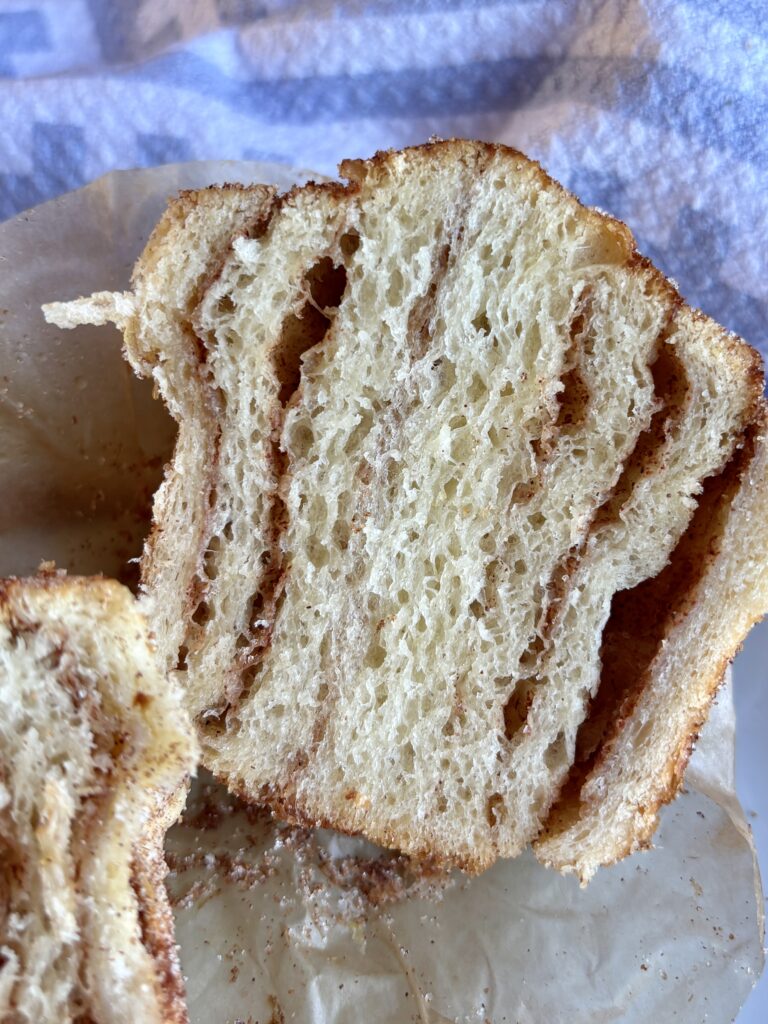
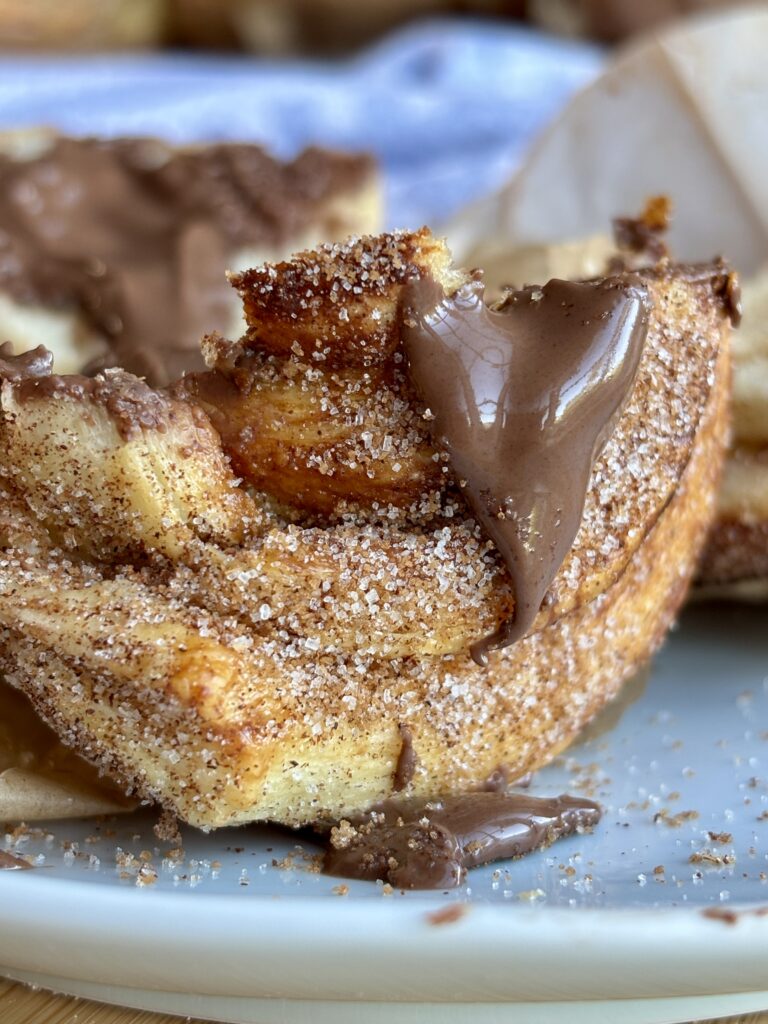
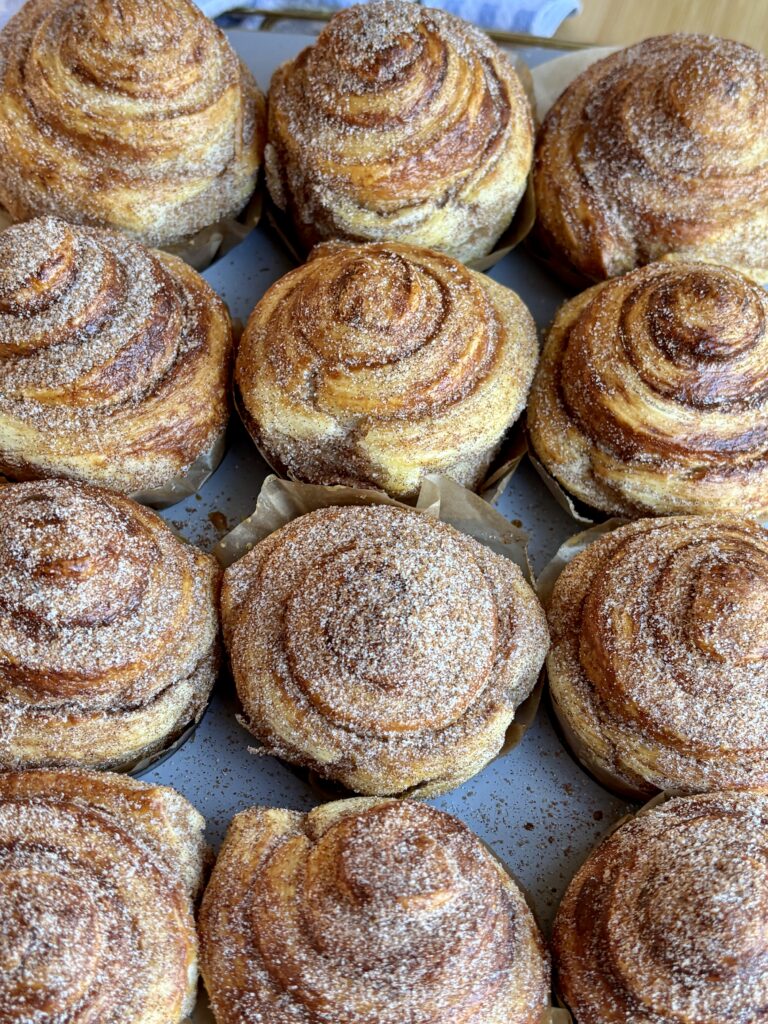
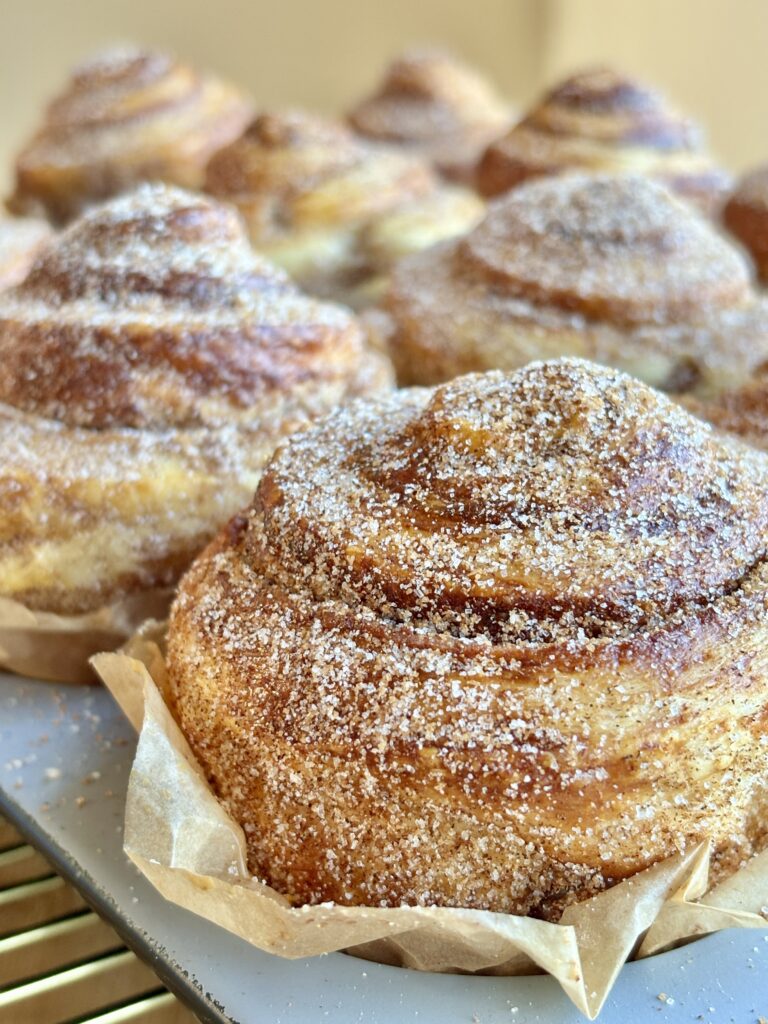
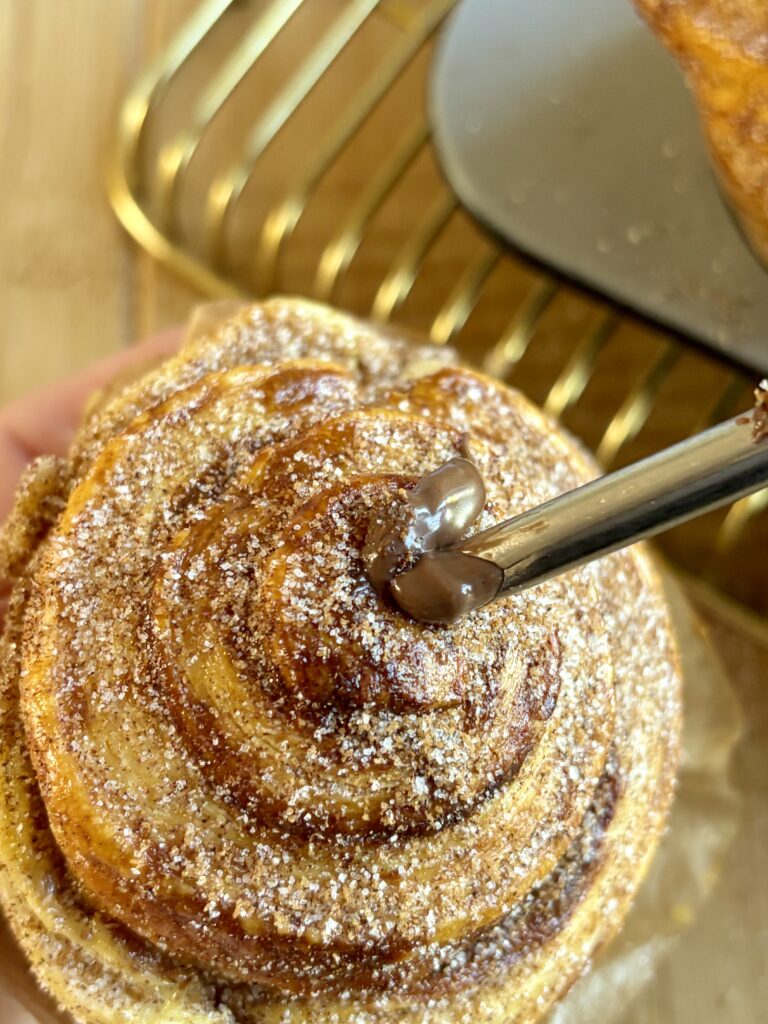
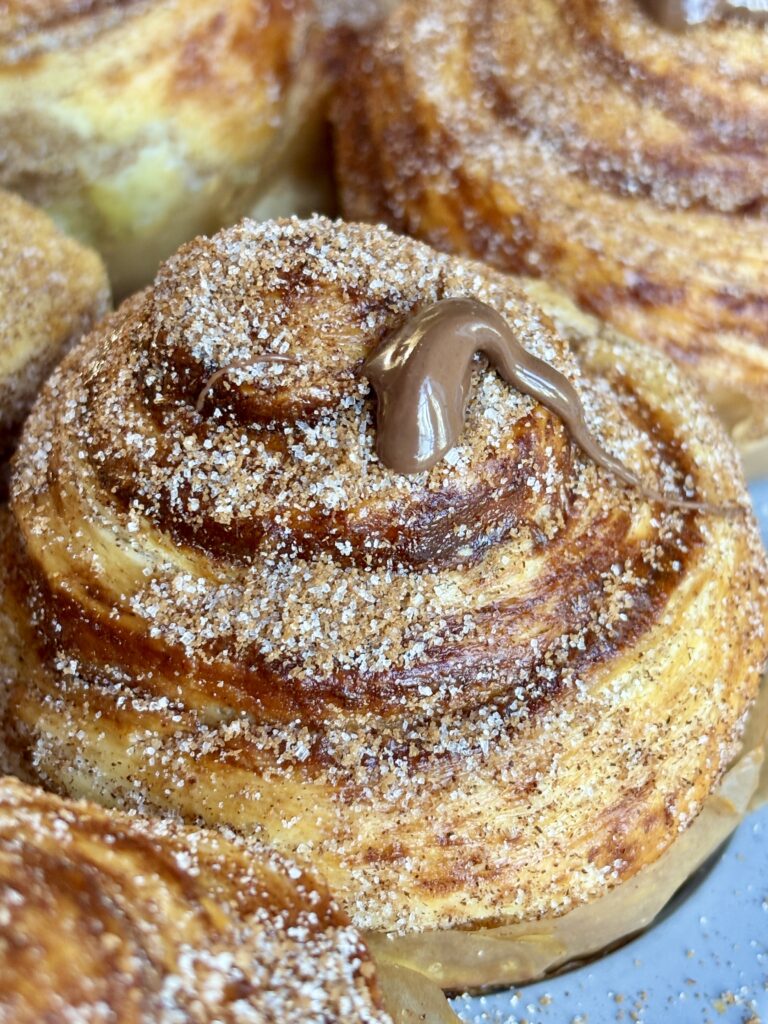
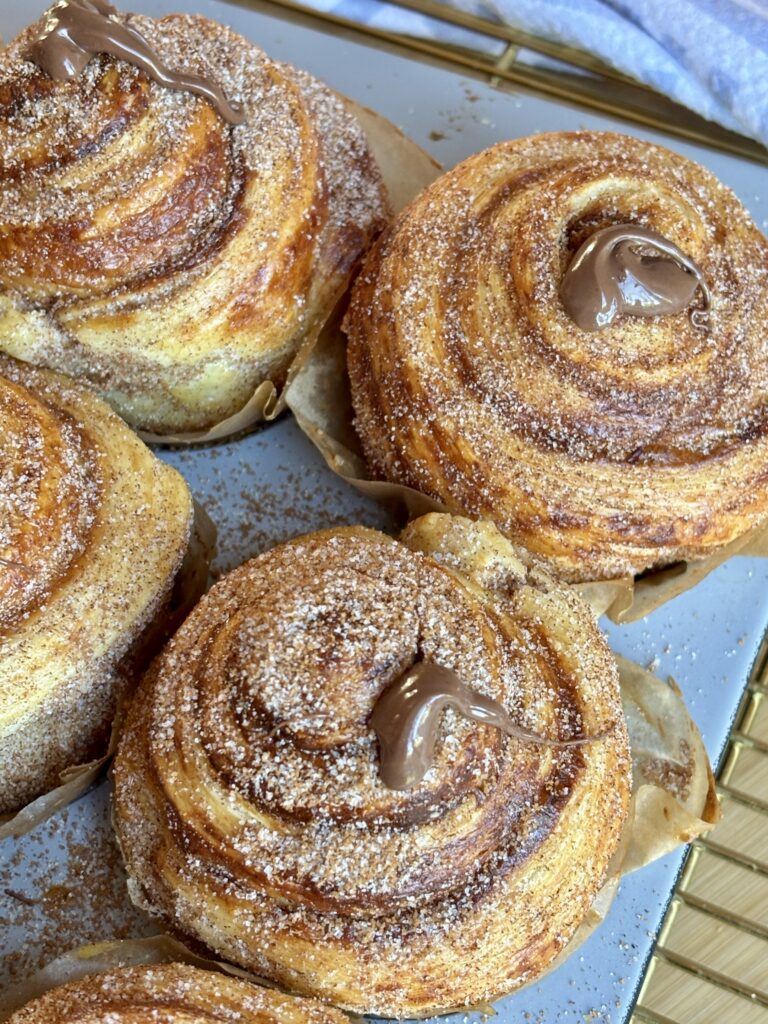
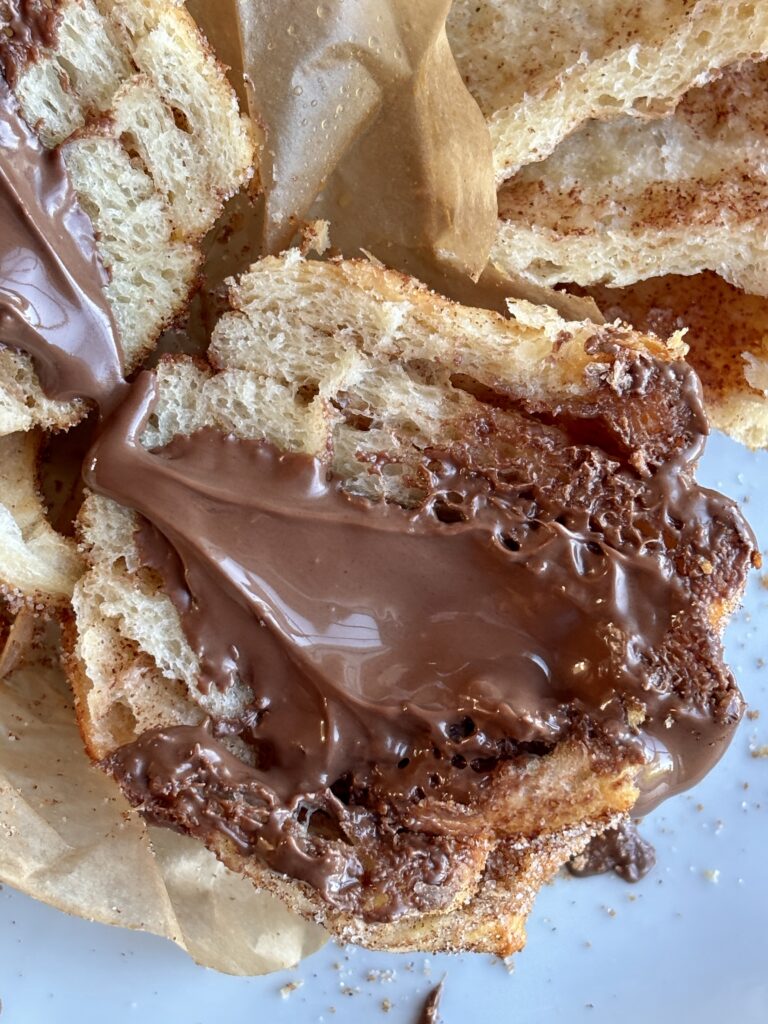
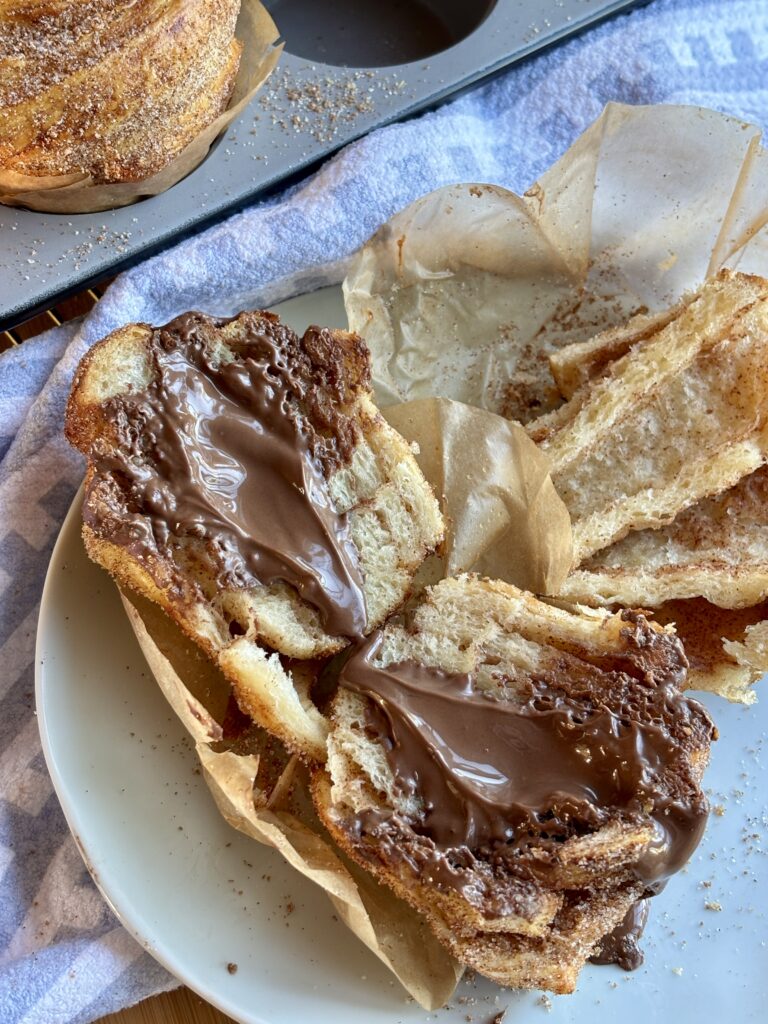
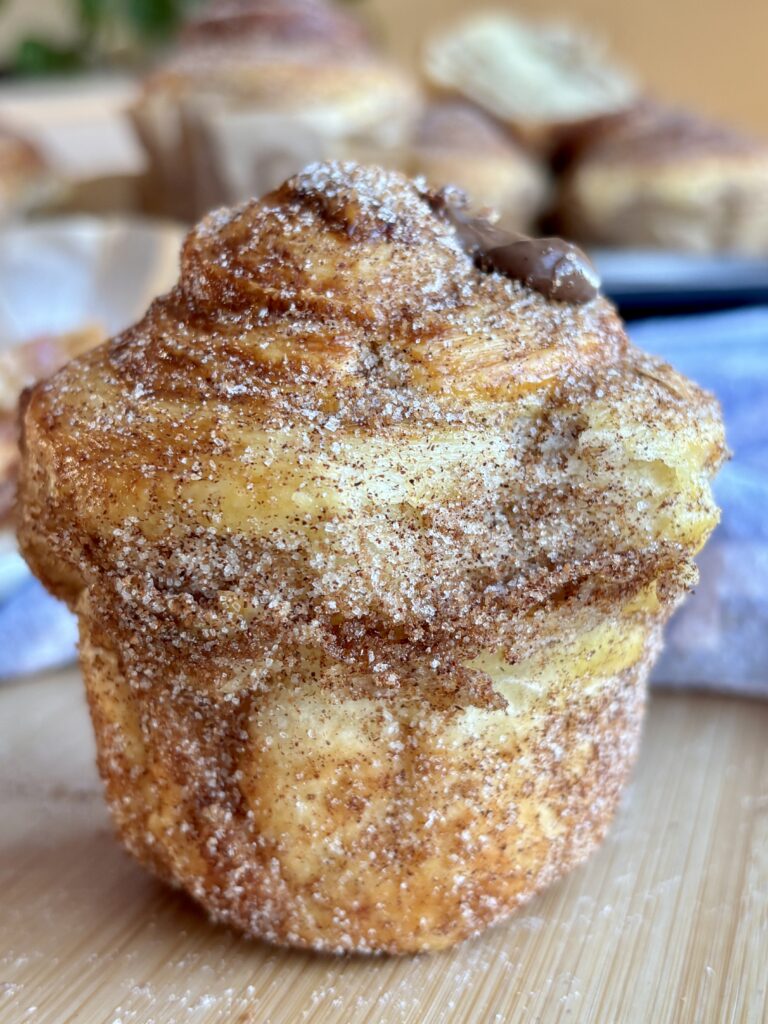
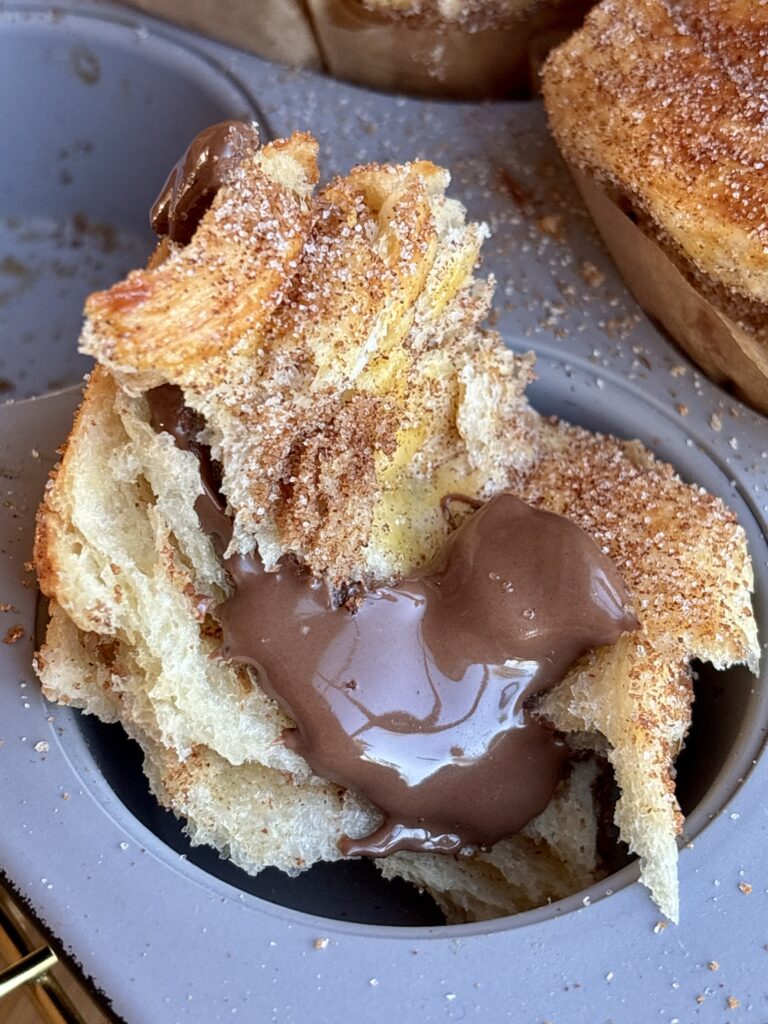
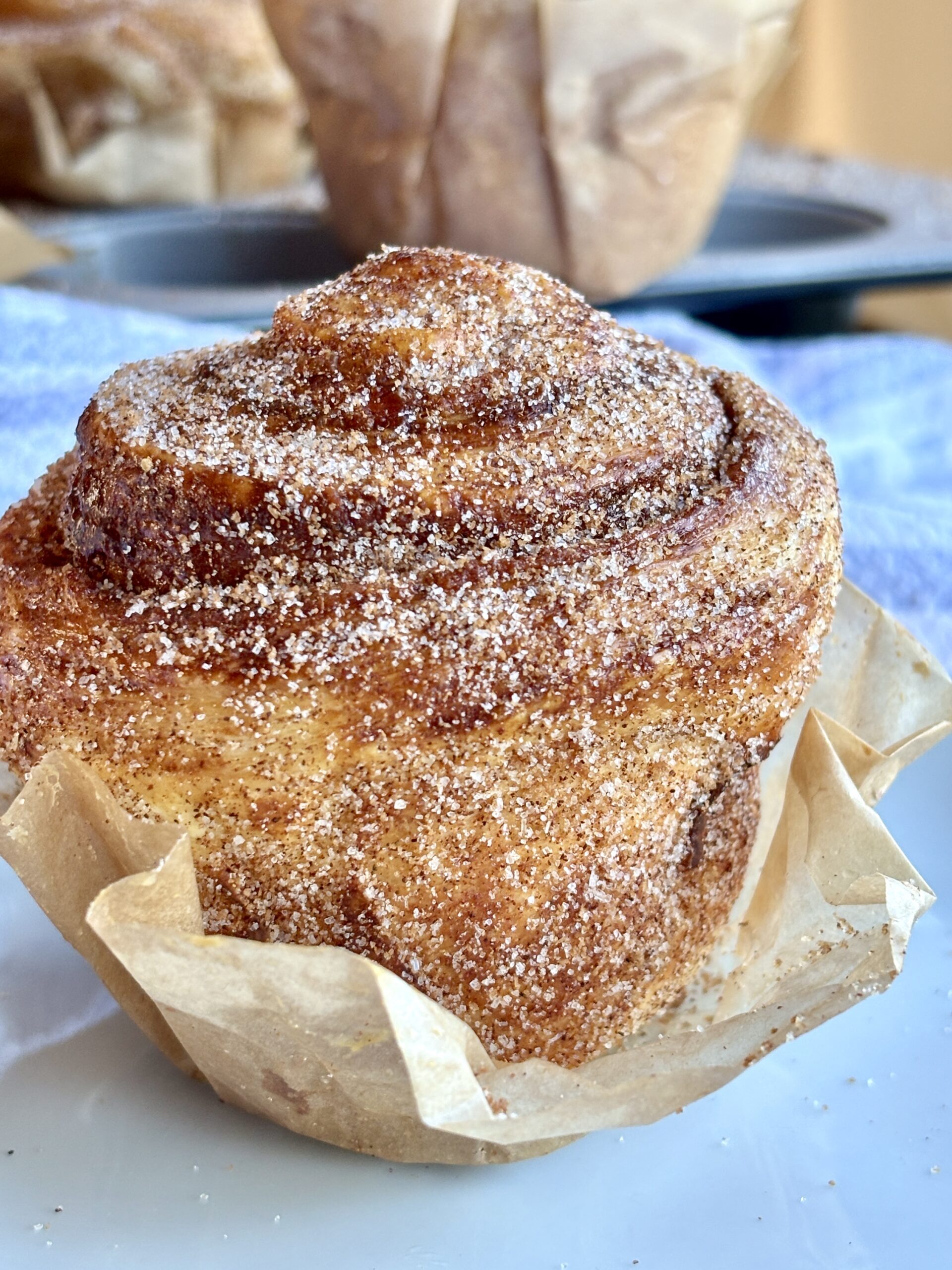
Golden, buttery, flaky, and rolled in sweet cinnamon sugar, these homemade Cinnamon Sugar Cruffins are everything you love about bakery style croissants, muffins, and cinnamon rolls combined into one glorious pastry. Made with rich laminated dough, these cruffins bake up with crisp caramelized edges, delicate pull-apart layers, and a soft honeycomb interior. And if you really want to take them over the top? Stuff them with creamy Nutella for the ultimate chocolate hazelnut treat.
While croissant dough takes time and patience, I find that the process itself is incredibly rewarding and much easier than people expect once you understand the basics. This recipe will walk you through every stage, from making the dough and preparing the butter block to folding, chilling, shaping, proofing, and baking. All so you can confidently create these right at home.
These cinnamon sugar cruffins are ideal for holiday mornings, brunch spreads, weekend baking projects, or anytime you want a pastry that feels truly special. The layers become deeply golden and crisp in the oven while the cinnamon sugar coating creates the perfect sweet crunch on the outside. And because the dough can be prepared ahead of time, they’re also perfect for prepping in stages over a couple of days.
Regardless of whether you’re making classic cinnamon sugar cruffins, or stuffing them with Nutella, this recipe creates buttery layers, incredible texture, and bakery style flavor every single time.
What is a Cruffin?
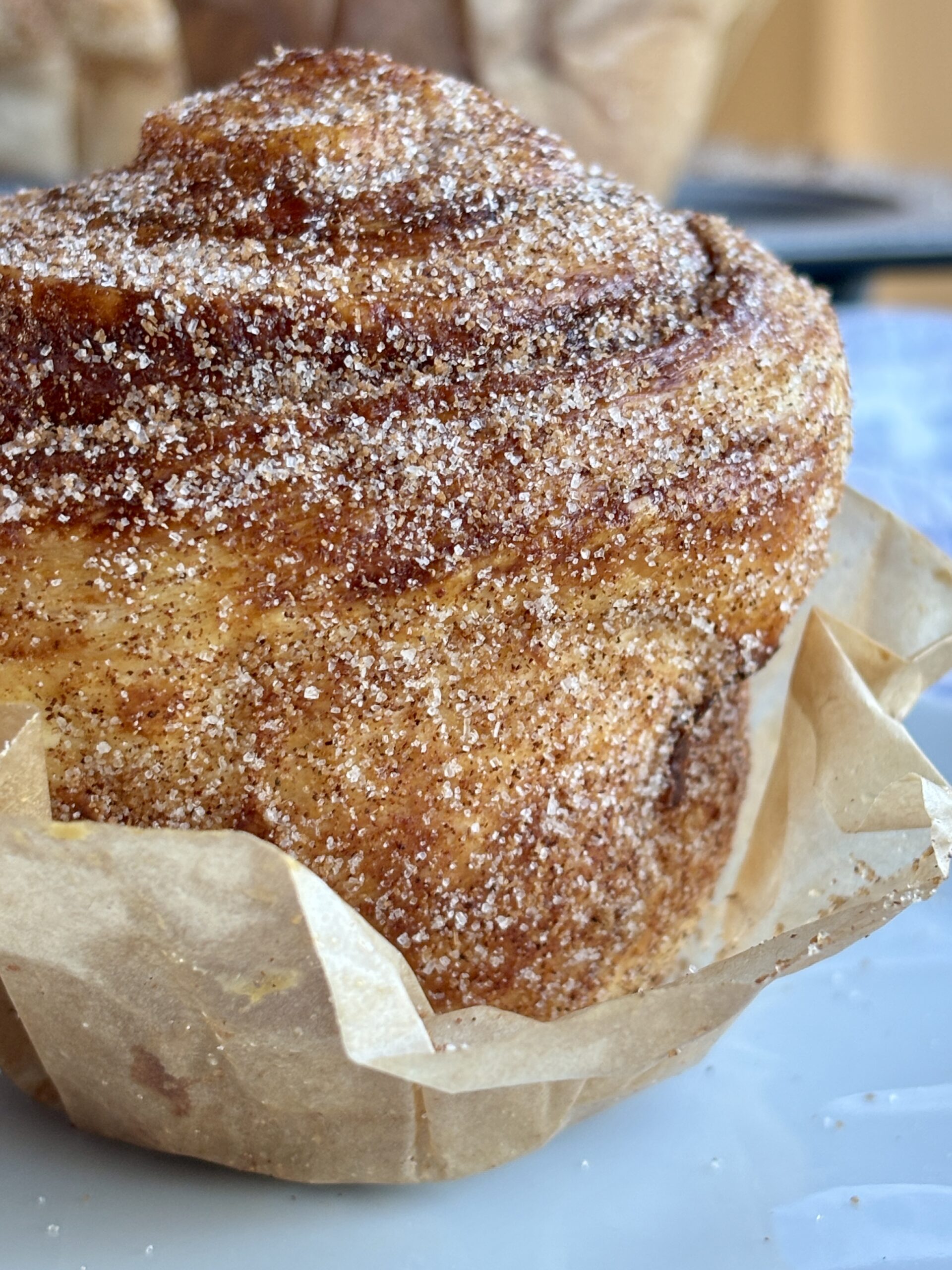
Great question! A cruffin is a hybrid pastry made by combining the flaky laminated layers of a croissant with the shape and structure of a muffin. The dough is rolled, layered, sliced into strips, and spiraled into muffin tins where it bakes into tall, crisp, beautifully layered pastries with a soft interior.
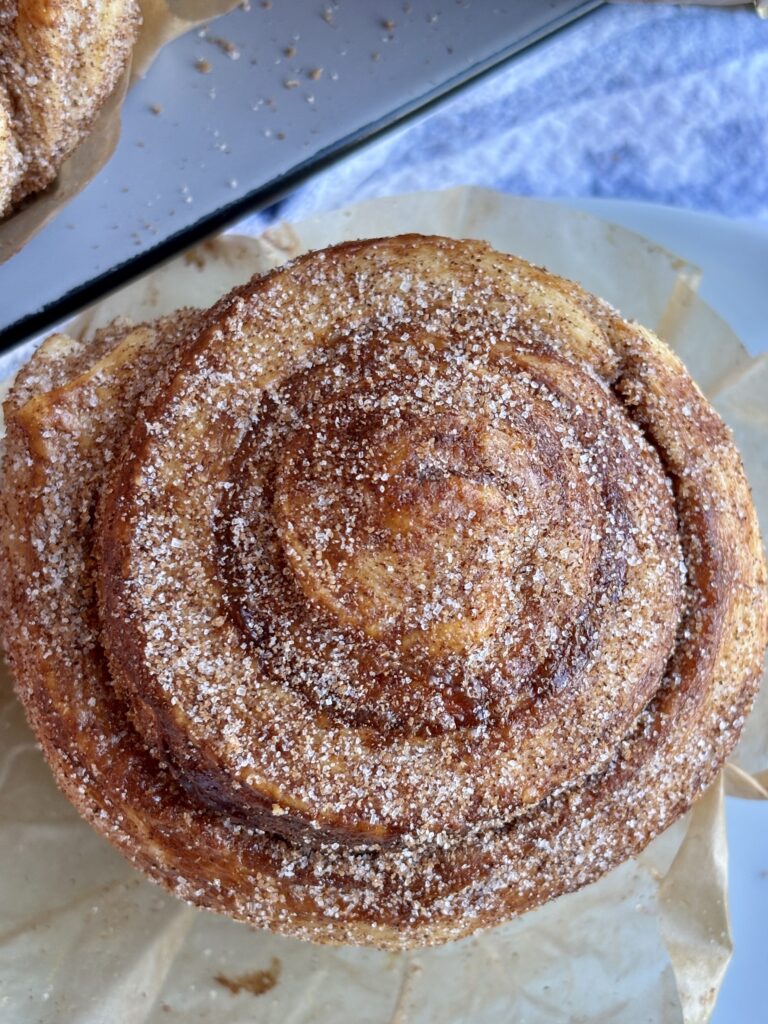
Unlike traditional croissants that are shaped into crescents, cruffins are rolled vertically, which helps showcase all of those buttery layers after baking. The result is a pastry that’s crisp on the outside, airy inside, and perfect for fillings, sugars, jams, or flavored coatings.
Why you’ll love this recipe!
What ingredients do I need?
- Warm Milk: Warm milk helps activate the yeast and adds richness and tenderness to the dough. The milk should feel warm to the touch, but not hot, as excessive heat can kill the yeast.
- Granulated Sugar: Sugar lightly sweetens the dough while also helping feed the yeast during activation. It also contributes to browning during baking.
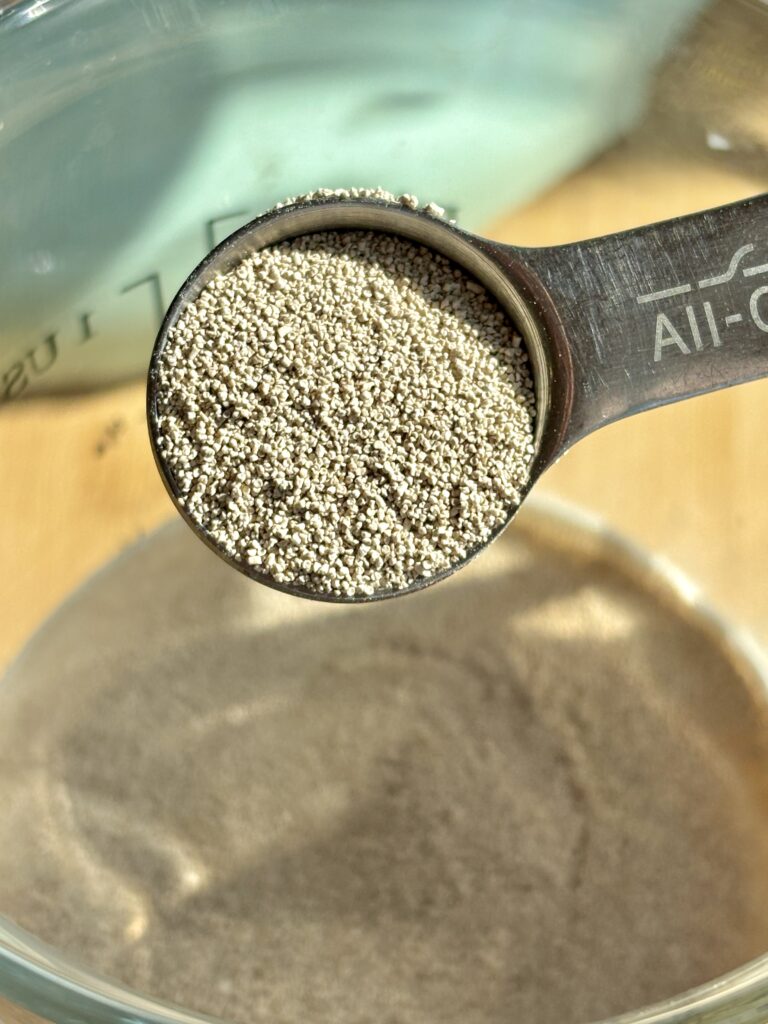
- Active Dry Yeast: Yeast helps the dough rise and creates the airy honeycomb texture inside the cruffins. Make sure your yeast becomes foamy during activation to ensure it is fresh and active.
- Cold Water: Cold water helps regulate the dough temperature during mixing, which is especially important when making laminated dough.
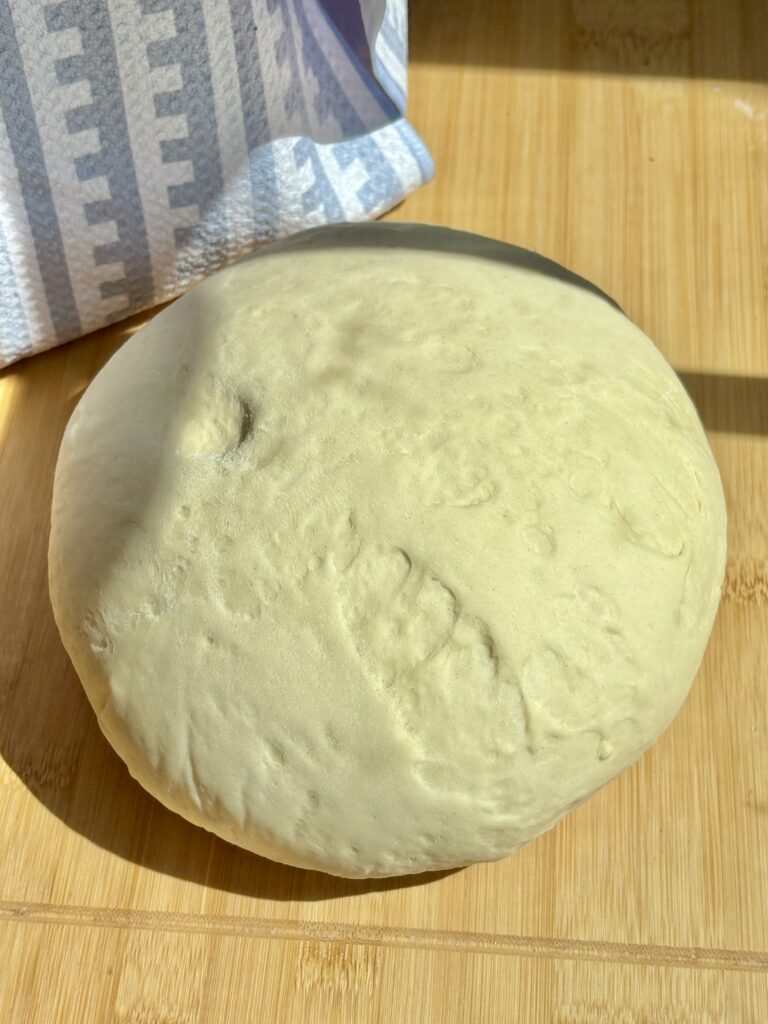
- Bread Flour: Bread flour provides strength and elasticity to the dough, helping support all of the delicate laminated layers while still creating a chewy, airy texture.
- All Purpose Flour: All purpose flour balances the bread flour by keeping the dough tender and easier to roll out.
- Salt: Salt enhances the flavor of the dough while also helping strengthen gluten structure for better texture.
- Unsalted Butter (In the Dough): A small amount of butter enriches the dough itself, adding flavor and softness.
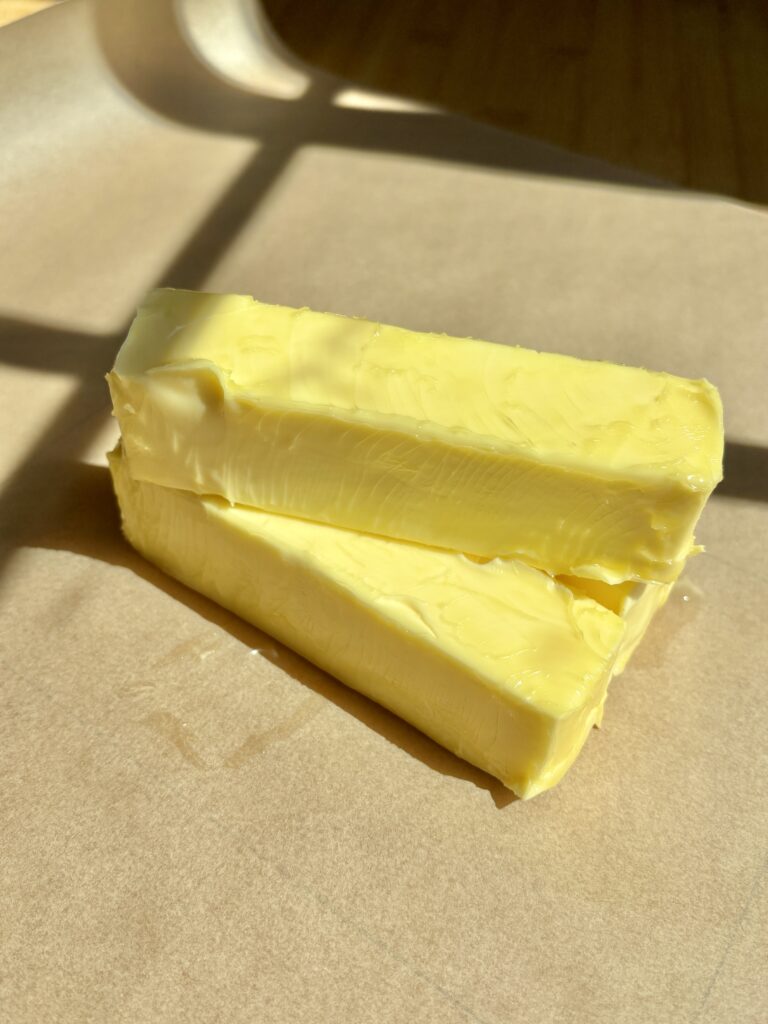
- Unsalted Butter (For Lamination): This is the most important ingredient in laminated dough, so you want to make sure it is quality too. The butter creates the flaky layers that puff and separate during baking. Use cold butter that is pliable but not soft for the best results. I like to use Kerrygold brand.
- Egg: The egg in the egg wash helps create a shiny, deeply golden crust during baking.
- Heavy Cream: Heavy cream is mixed with the egg wash to encourage even browning and a beautiful bakery-style finish.
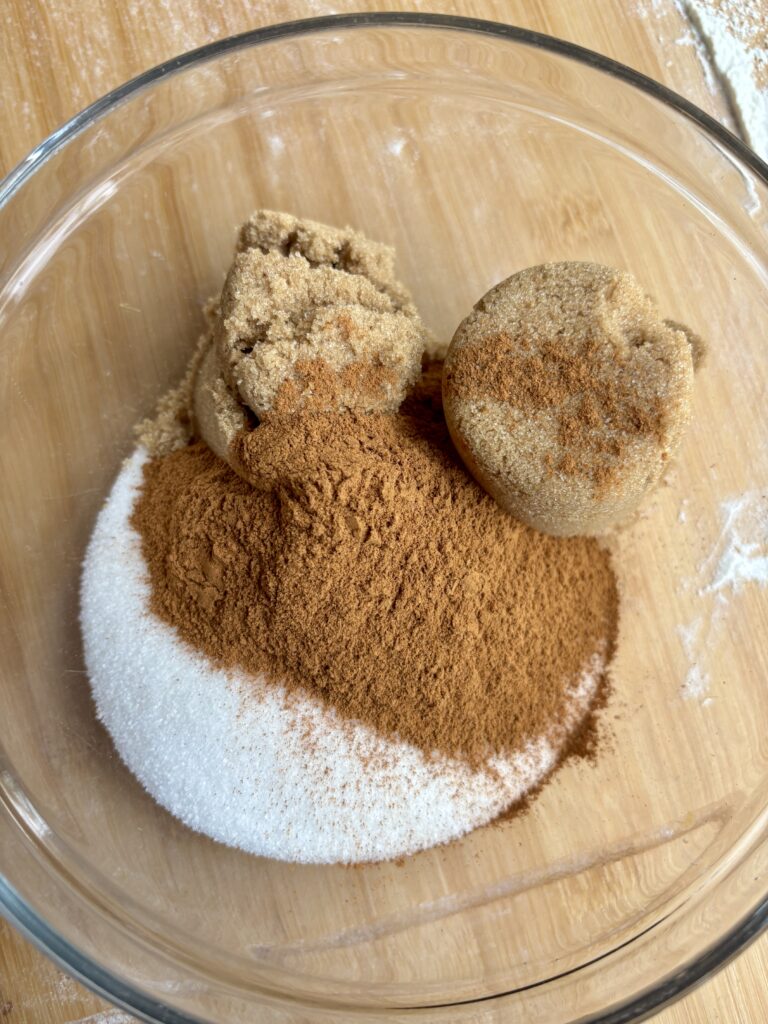
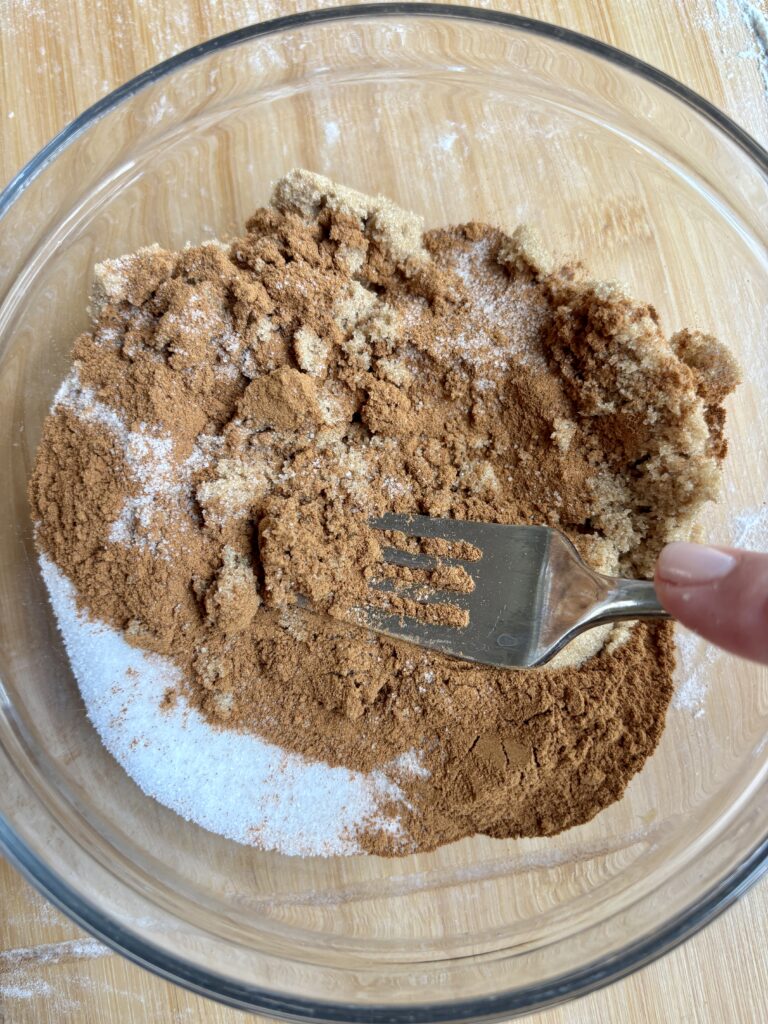
- Dark Brown Sugar: Dark brown sugar adds warmth, moisture, and a subtle caramel flavor to the cinnamon sugar coating.
- Cinnamon: Cinnamon gives the cruffins their classic warm spiced flavor and pairs perfectly with the buttery pastry layers.
- Nutella (Optional): Nutella adds a rich chocolate hazelnut filling that makes these cruffins feel even more decadent and bakery worthy. It’s completely optional, but highly recommended, if you love chocolate filled pastries.
Recipe Variations
- Stuff them! Fill with Nutella, pastry cream, your favorite fruit jam, or even some apple butter!
- Citrus version: Add a little orange zest to the cinnamon sugar, rubbing it all between your fingers to distribute the flavor
- Vanilla Drizzle: Make a quick vanilla glaze and drizzle on top.
- Autumn Ready: Use pumpkin spice instead of cinnamon.
- Chocolate Studded: Add mini chocolate chips before rolling the cruffin dough up.
Pro Tips
- Do your best to keep the dough and laminated butter at a similar temperature. This is one of the biggest keys to successful lamination (and why I prefer to make my croissants in 1 day — explanation below!). If the butter is too hard, it will crack and break through the dough. If it’s too soft, it will smear into the dough and ruin the layers. The butter should feel cold but flexible, almost like cold clay.
- Chill the dough frequently during lamination. If the dough starts feeling soft, sticky, or difficult to roll, stop and refrigerate it before continuing. Warm dough will cause the butter to leak and compress the layers. A quick chill can save it.
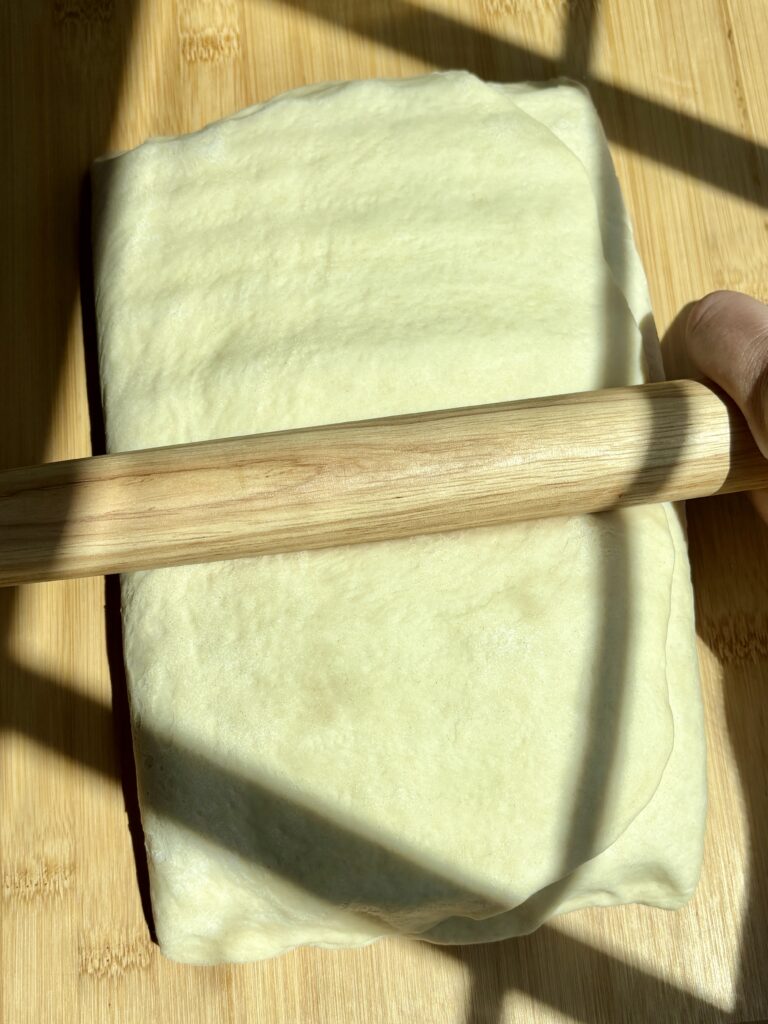
- Don’t rush the process. Gentle, even rolling will create cleaner layers. If you press too hard with the rolling pin, you can force the butter into the dough instead of keeping the distinct layers intact.
- Try not to use too much flour when rolling. Too much will dry out the dough and make the layers tough. Use just enough to prevent sticking, and always brush away excess flour before folding.
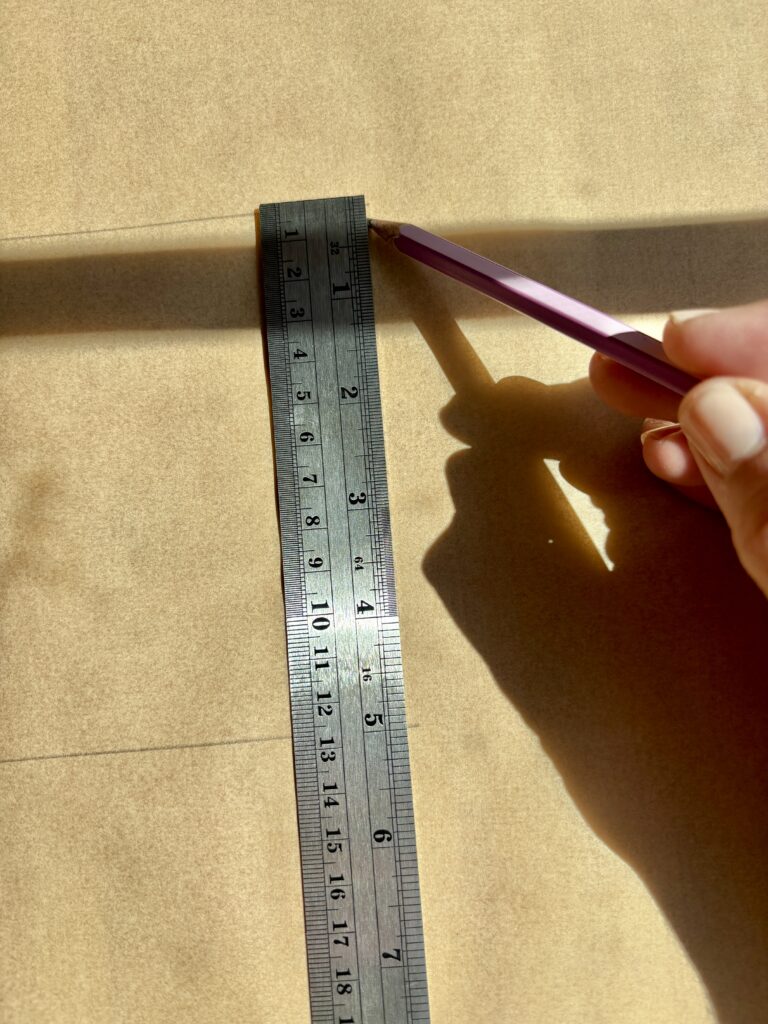
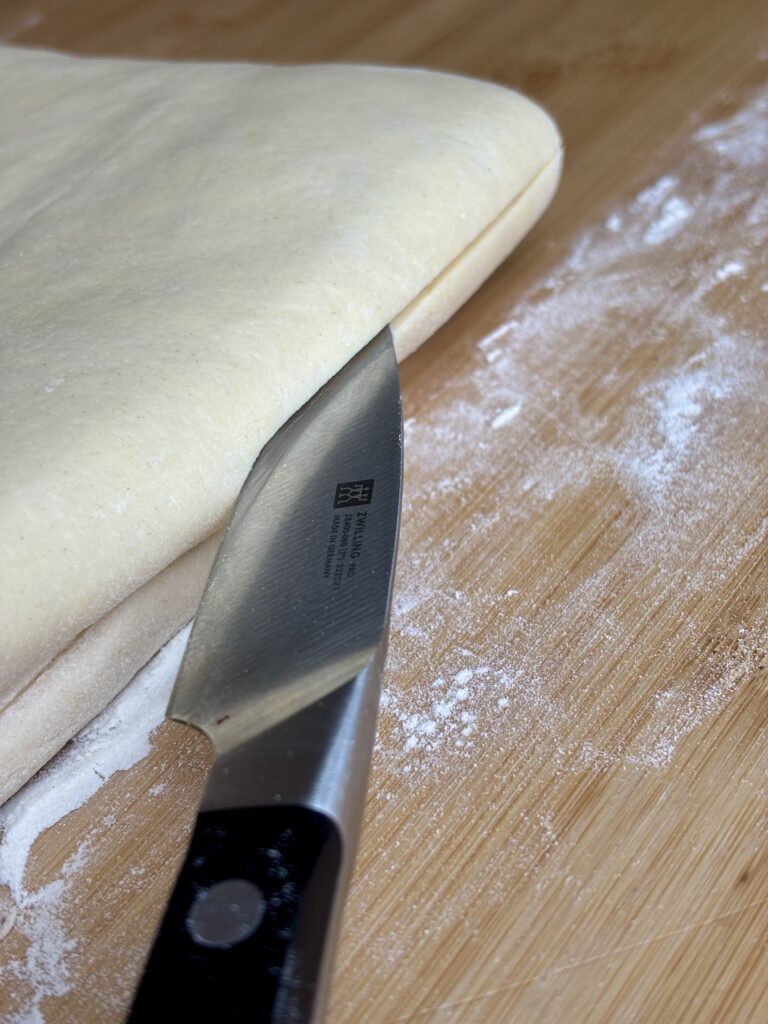
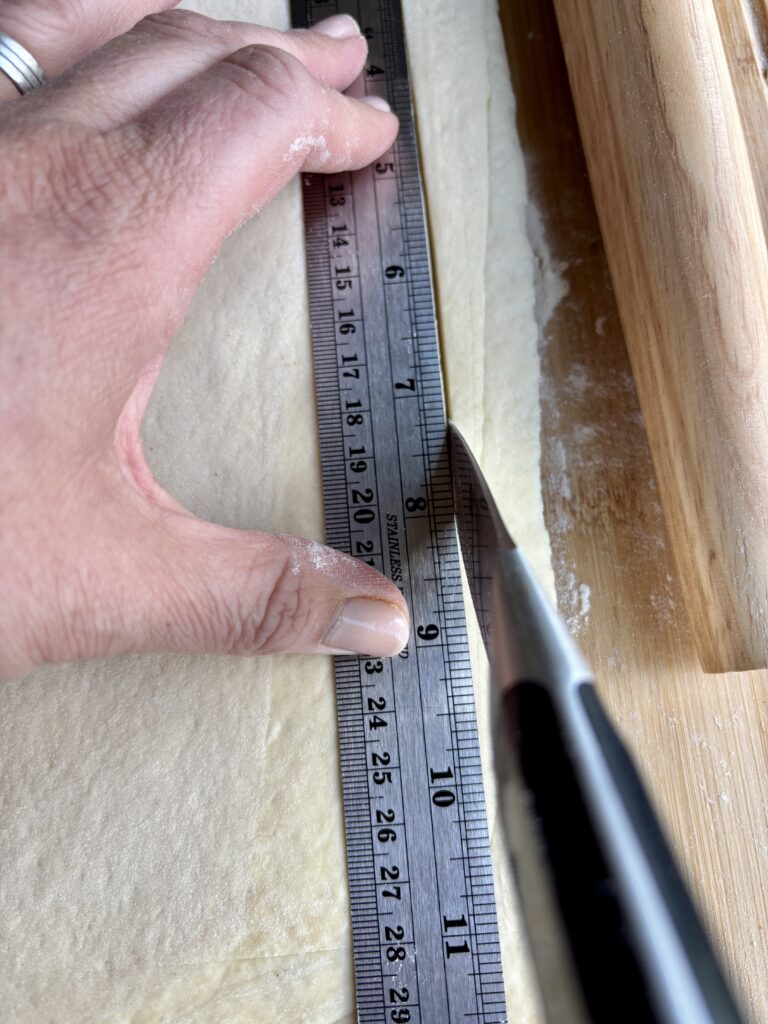
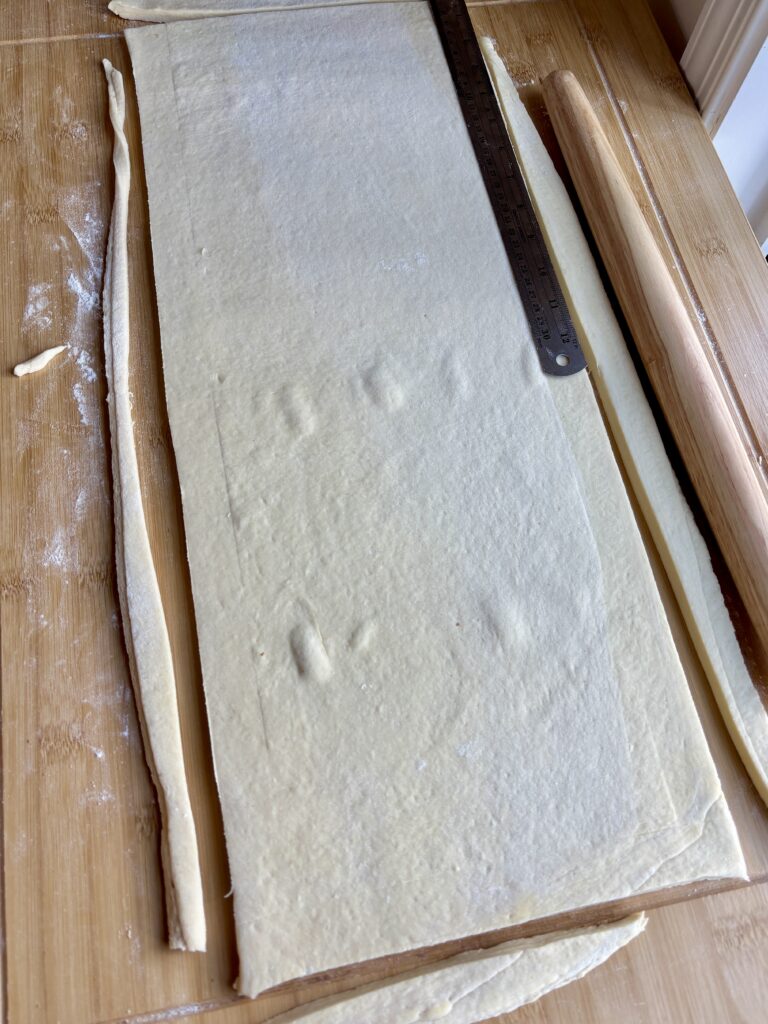
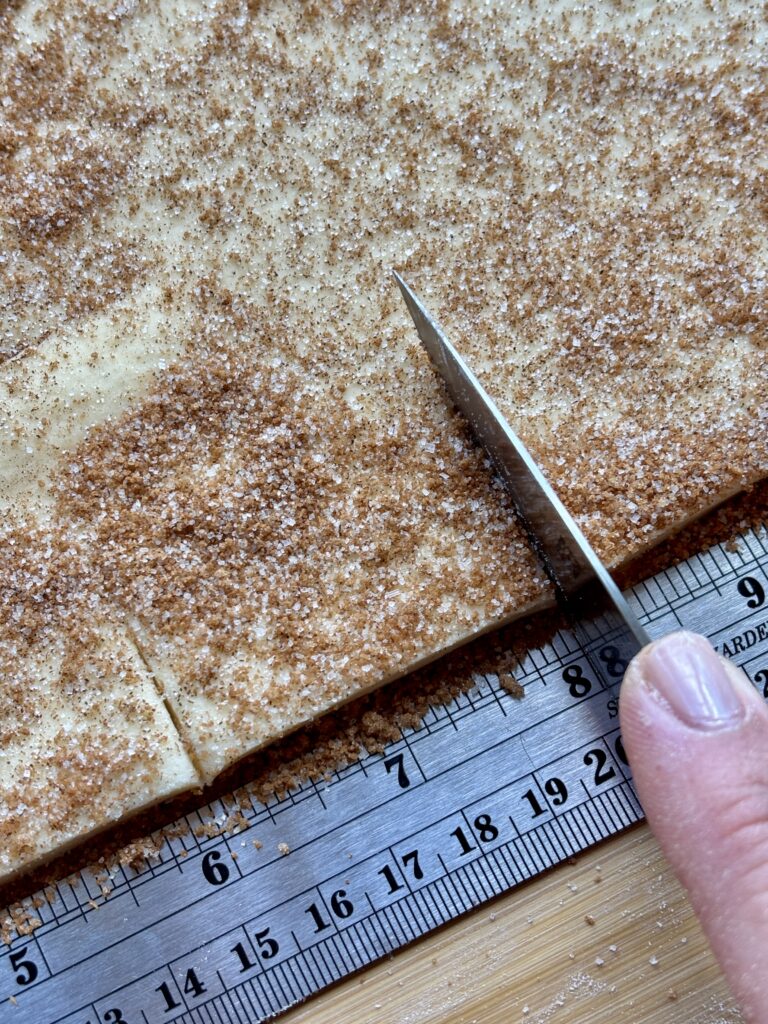
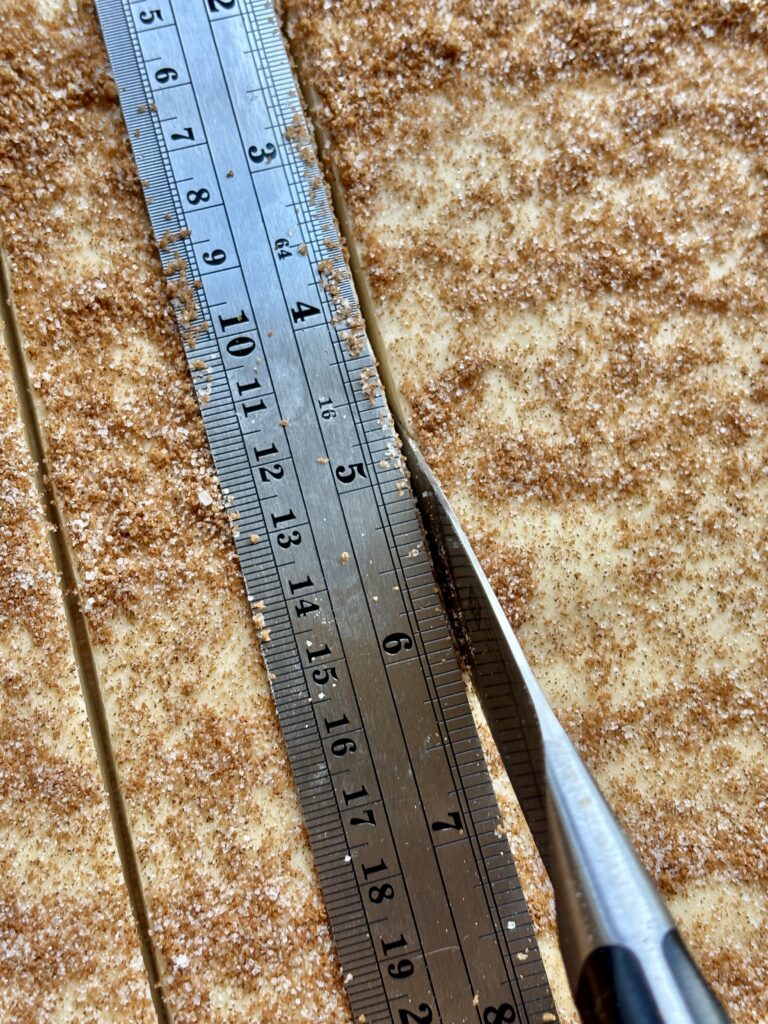
- Yes, the straight edges and trimming are important! Try to keep the dough as rectangular and even as possible during folds. Uneven dough leads to uneven layers and therefore inconsistent baking. Trimming the outer edges before cutting strips helps expose clean layers and encourages better rise and flakiness. I like using this ruler to help me.
- Watch for any butter breaking through. If you notice butter starting to poke through the dough while rolling, lightly dust the spot with a tiny amount of flour and gently patch it. Then chill the dough if needed before continuing.
- Roll the final dough thin enough, it should be about ⅛-inch thick. If it’s too thick, the cruffins can end up doughy or bread like instead of light and flaky.
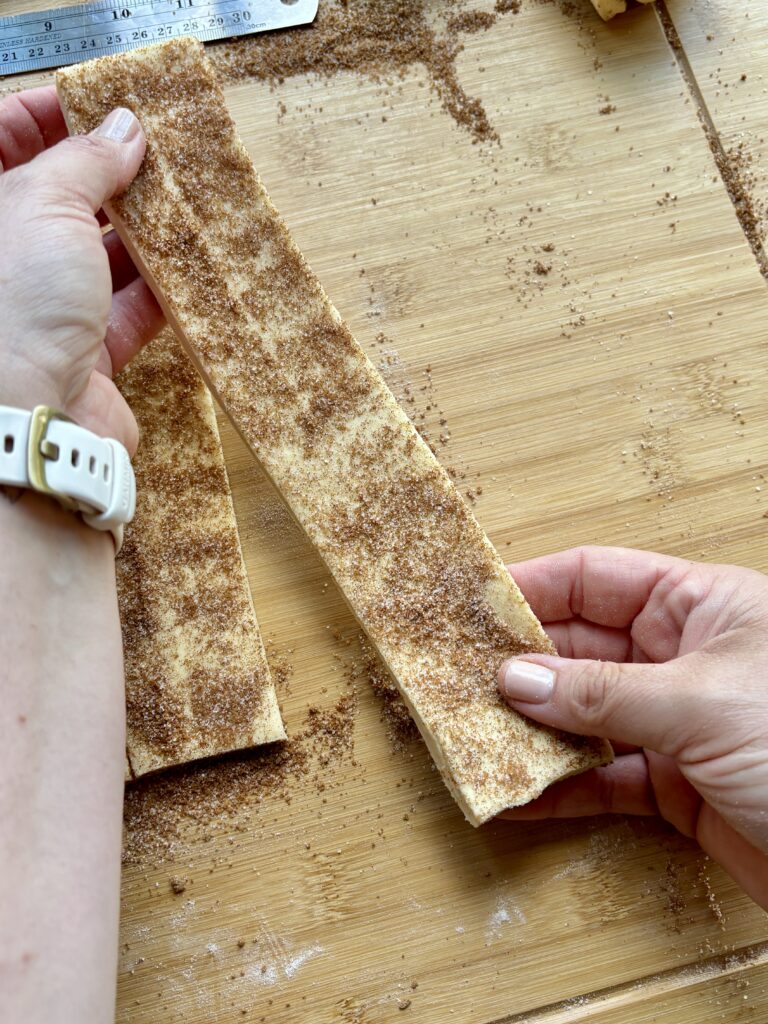
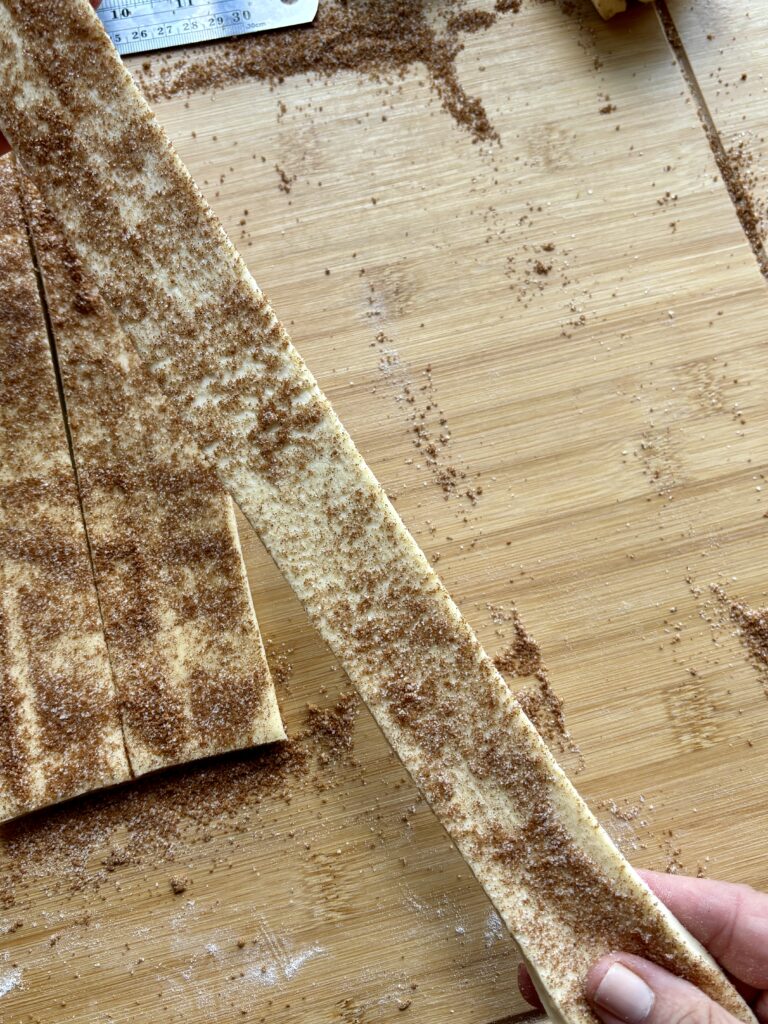
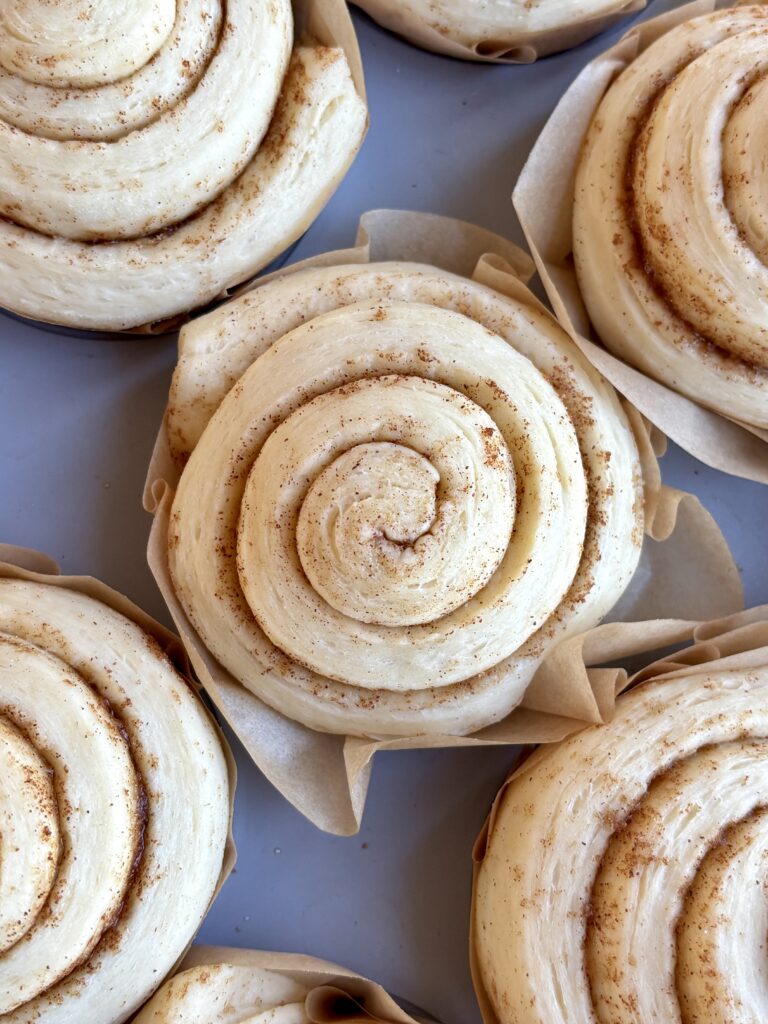
- Stretch the strips slightly before shaping. Gently stretching each strip before spiraling helps create more visible layers and height in the finished cruffins.
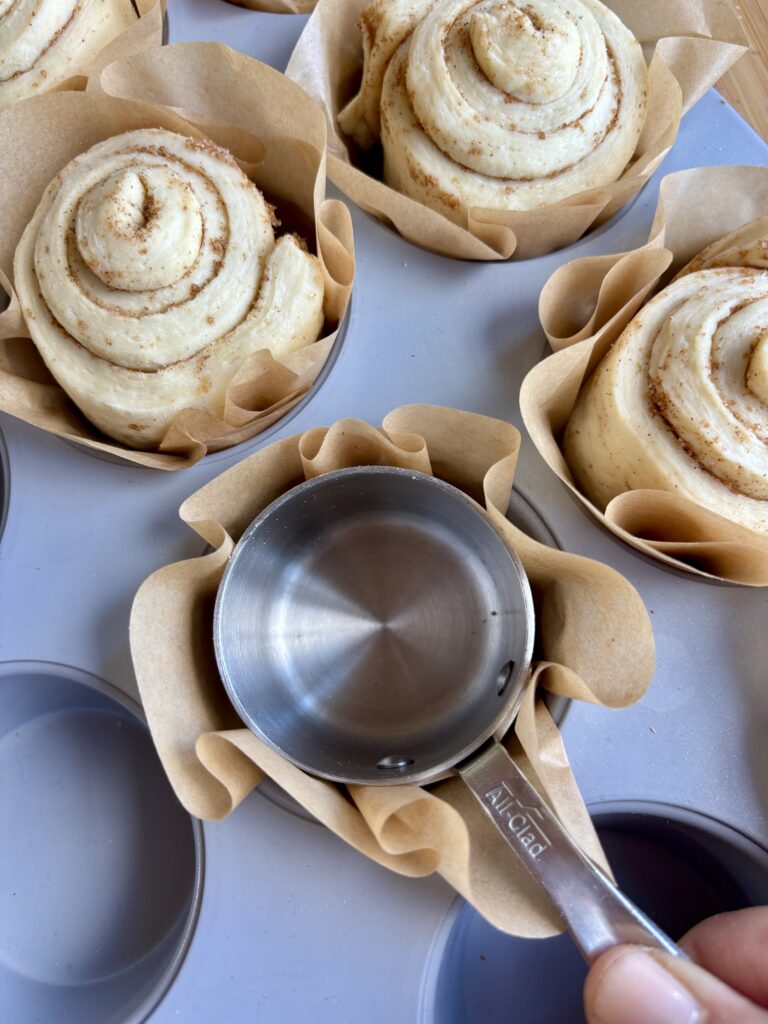
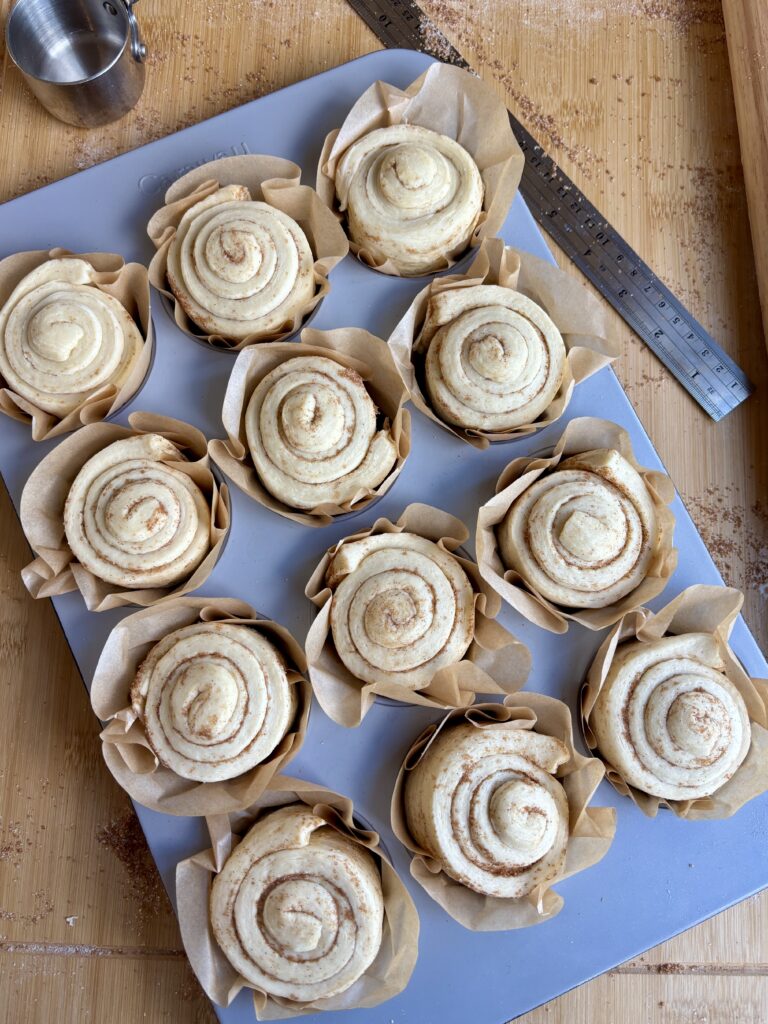
- Don’t pack the cruffins too tight into the muffin tin. The cruffins need room to expand while proofing and baking. If they are packed too tightly, the layers can compress together instead of rising upward.
- Proper proofing is so important! Under proofed cruffins are dense and often leak butter. Properly proofed dough should look noticeably puffy, slightly jiggly, and airy before baking. If your kitchen is cooler, proofing may take longer than expected. If the cruffins over proof, the butter can melt into the dough and create greasy pastries. The layers may collapse during baking instead of lifting.
- If your kitchen runs warm, it can soften the butter too quickly. I would try proofing near a slightly cooler room or shortening proofing intervals with quick refrigerator chills if needed.
- Preheat the oven thoroughly before baking. A fully preheated oven helps create strong steam quickly, which is what separates the laminated layers during baking. I like to preheat my oven for at least 40 minutes before baking.
- Start with high heat. The initial higher baking temperature helps create oven spring and crisp flaky layers before reducing the heat to finish baking evenly.
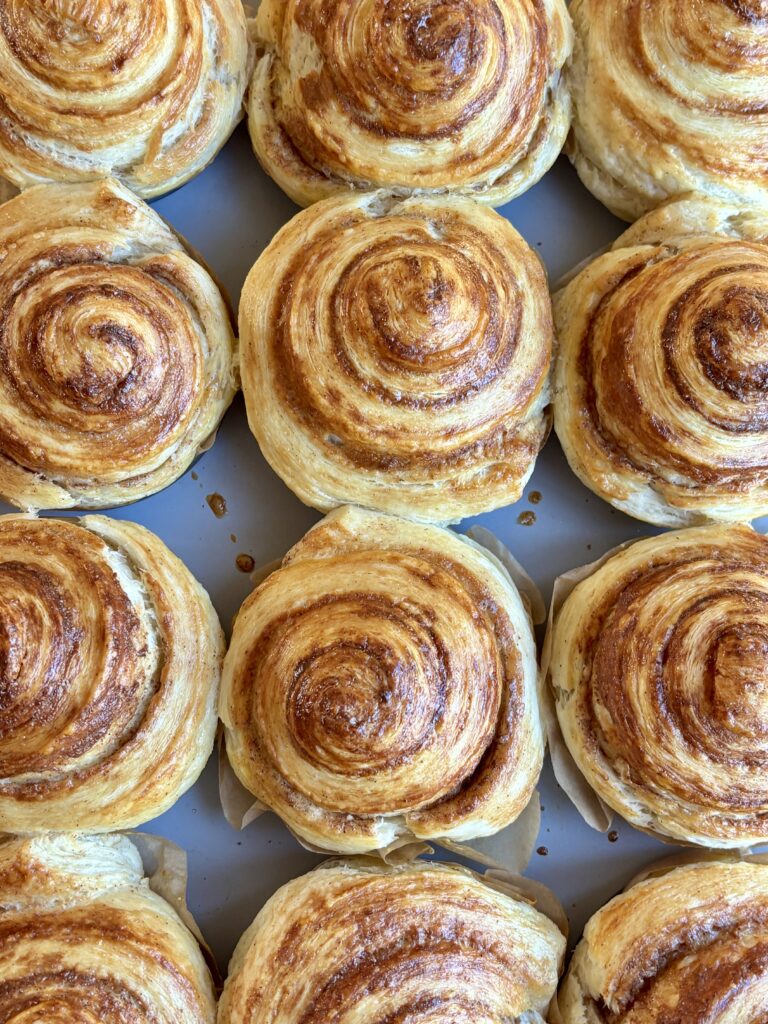
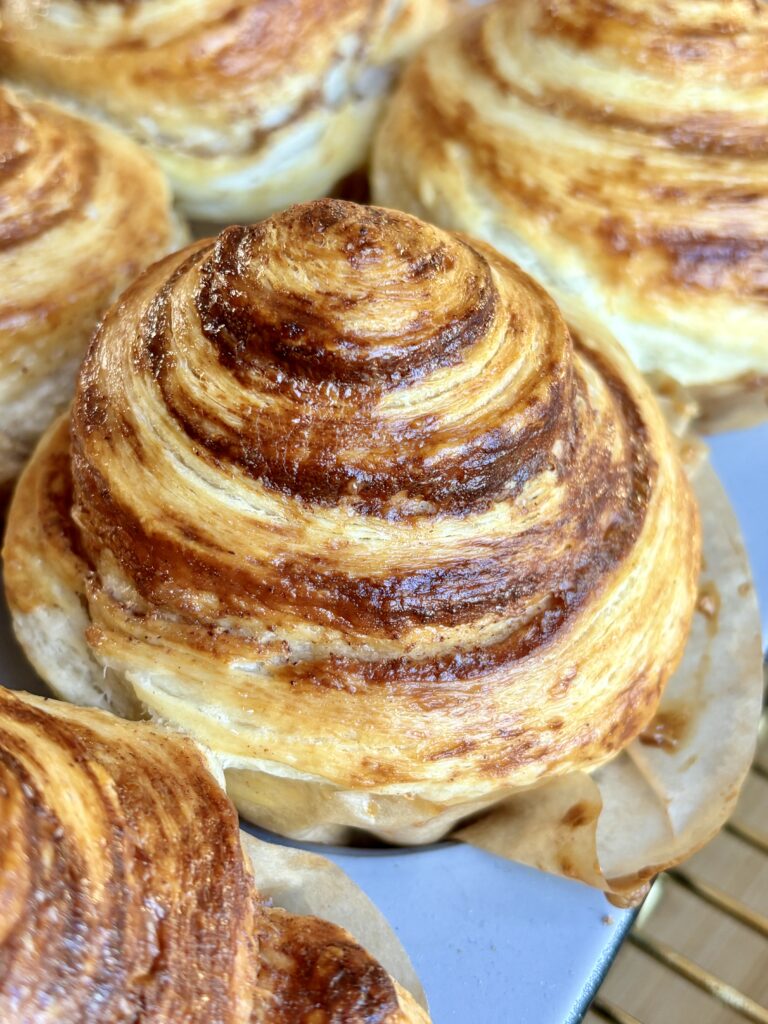
- Croissants and laminated pastries should be deeply golden for the best flavor and texture. If the cruffins are pale they will most likely be underbaked inside.
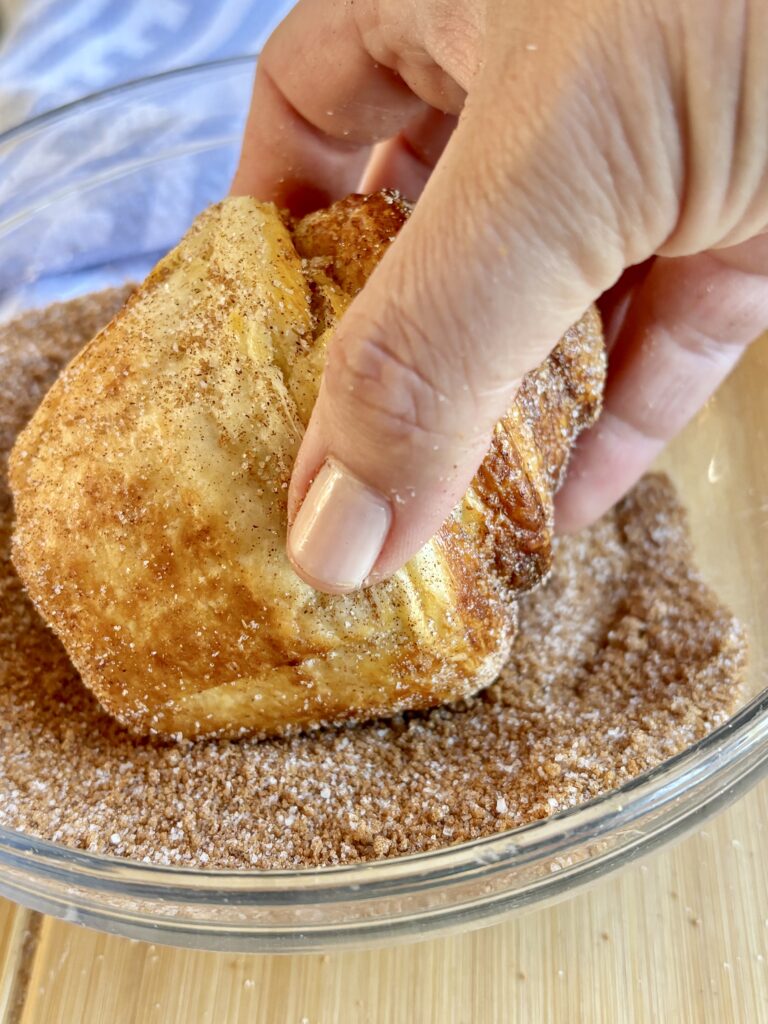
- Cool the cruffins a little before coating in the cinnamon sugar. If they are too hot, the sugar coating can melt too aggressively. Slightly warm cruffins hold the coating beautifully.
- Stuff with Nutella (or other preferred filling) after they have cooled a little. If the cruffins are piping hot, the filling will become too thin and messy. Let them cool just enough so the filling stays creamy and rich inside.
Can I Substitute?
Yes! Like always though, any substitutions made to the recipe can result in a change in texture and/or flavor.
- Active Dry Yeast: Instant yeast can be used instead, you just don’t need to activate the yeast first.
- Dark Brown Sugar: Lightly brown sugar can replace dark.
Dietary Substitutions
- Egg Free: Omit the egg and just use the heavy cream to brush on the cruffins before baking, the browning will be slightly lighter.
- Nut Free: Don’t stuff with Nutella, try a different filling or enjoy a delicious plain cruffin.
Leftovers and Storage
- Room Temperature Storage: Store croissants in an airtight container at room temperature for up to 2 days. They’re best enjoyed fresh, but still delicious reheated.
- For best texture, reheat in a 325°F oven for 5–8 minutes to crisp the layers again.
- Refrigeration: Not recommended for baked croissants, as it can dry them out and affect texture.
- Freezing (Your Best Option for Longevity)
- Option 1: Freeze Before Baking
- Shape croissants
- Place on tray and freeze until solid
- Transfer to freezer bag
- When ready to bake: thaw overnight in fridge, then proof and bake per instructions
- Option 2: Freeze After Baking
- Let croissants cool completely
- Wrap tightly and freeze up to 2 months
- Option 1: Freeze Before Baking
- How to Reheat Croissants
- Preheat oven to 325°F
- Bake 5–8 minutes (from room temp)
- Bake 10–12 minutes (from frozen-unbaked)
- This brings back that crisp, flaky exterior.
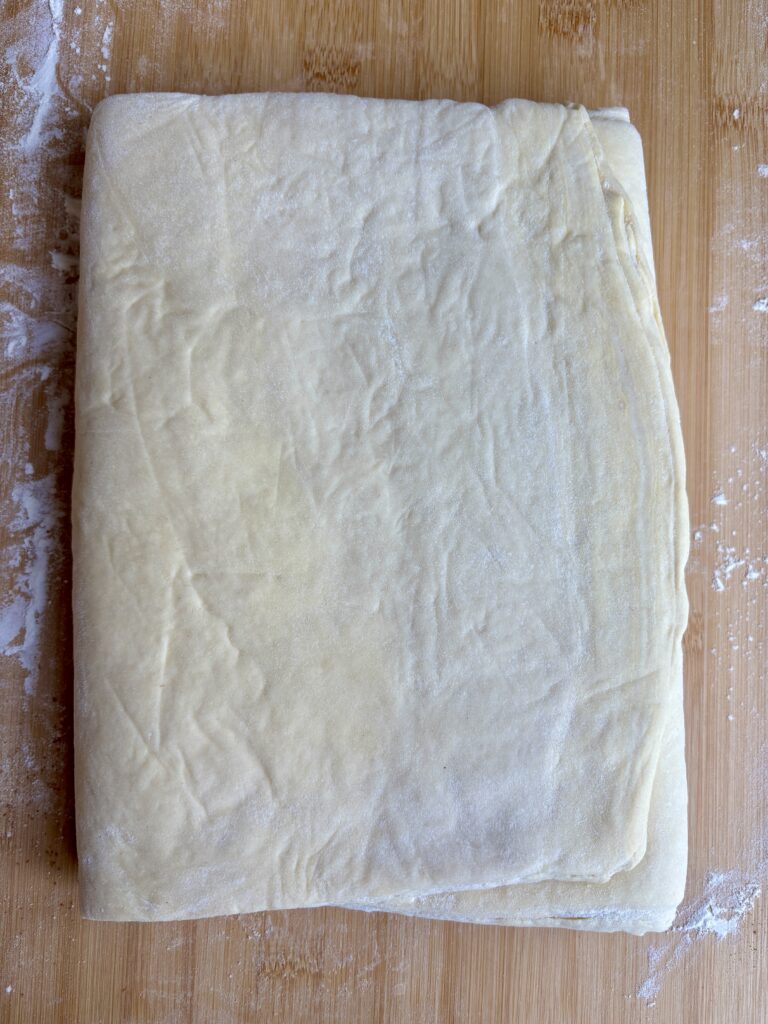
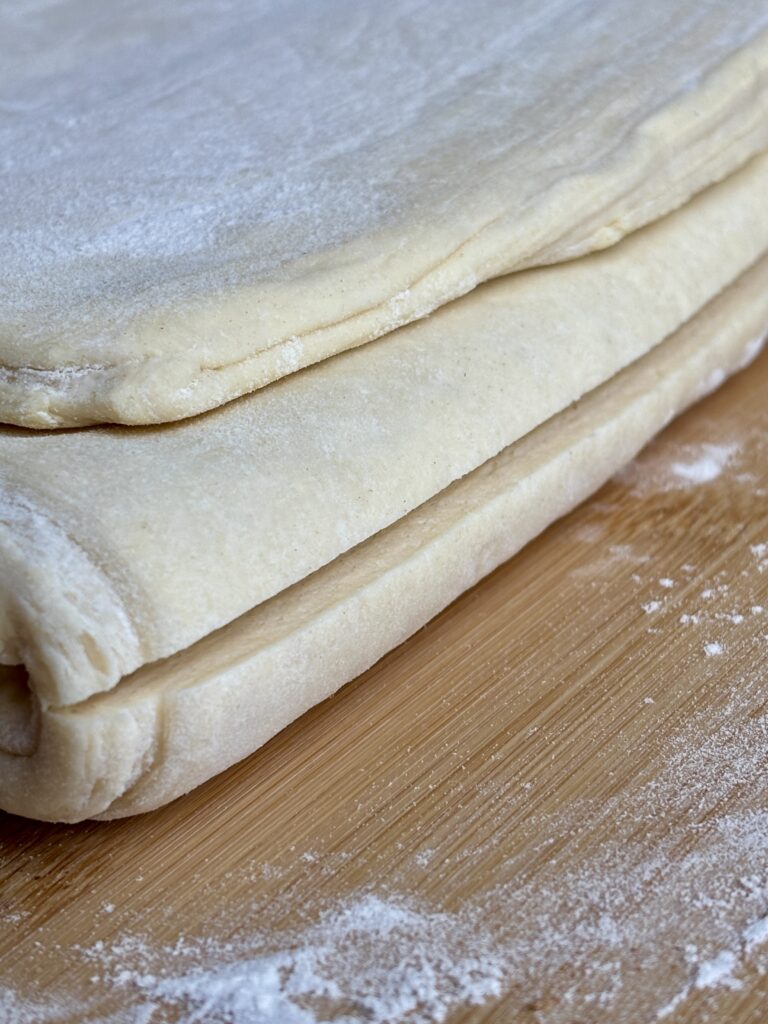
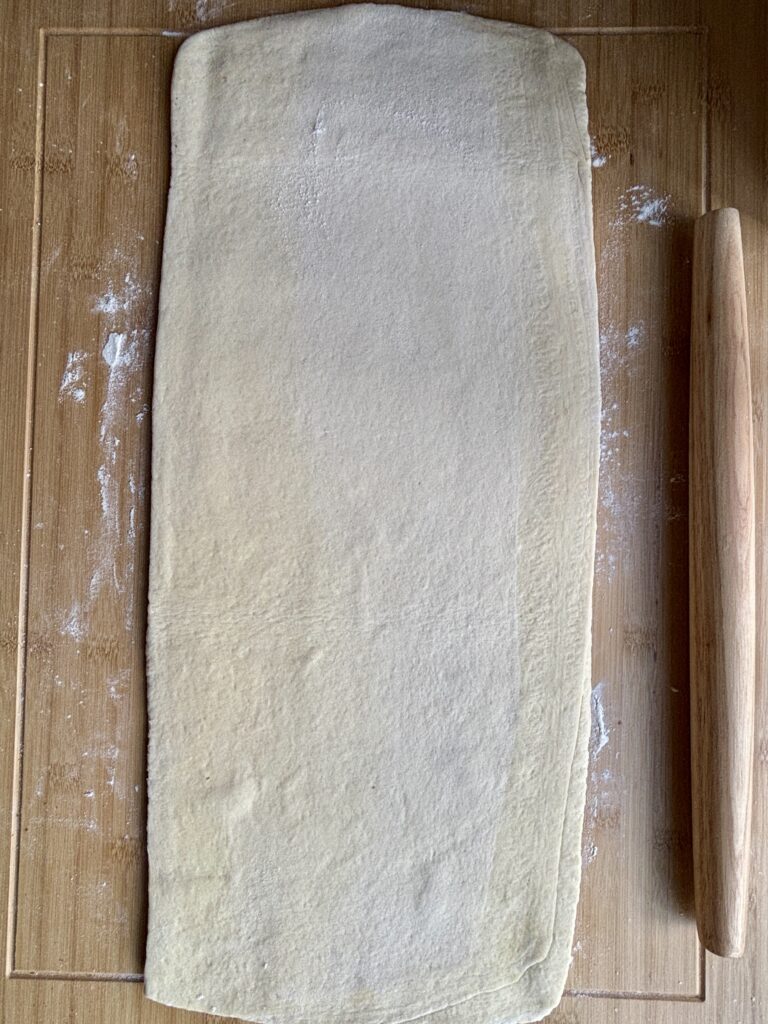
Understanding Lamination. Why does it matter?
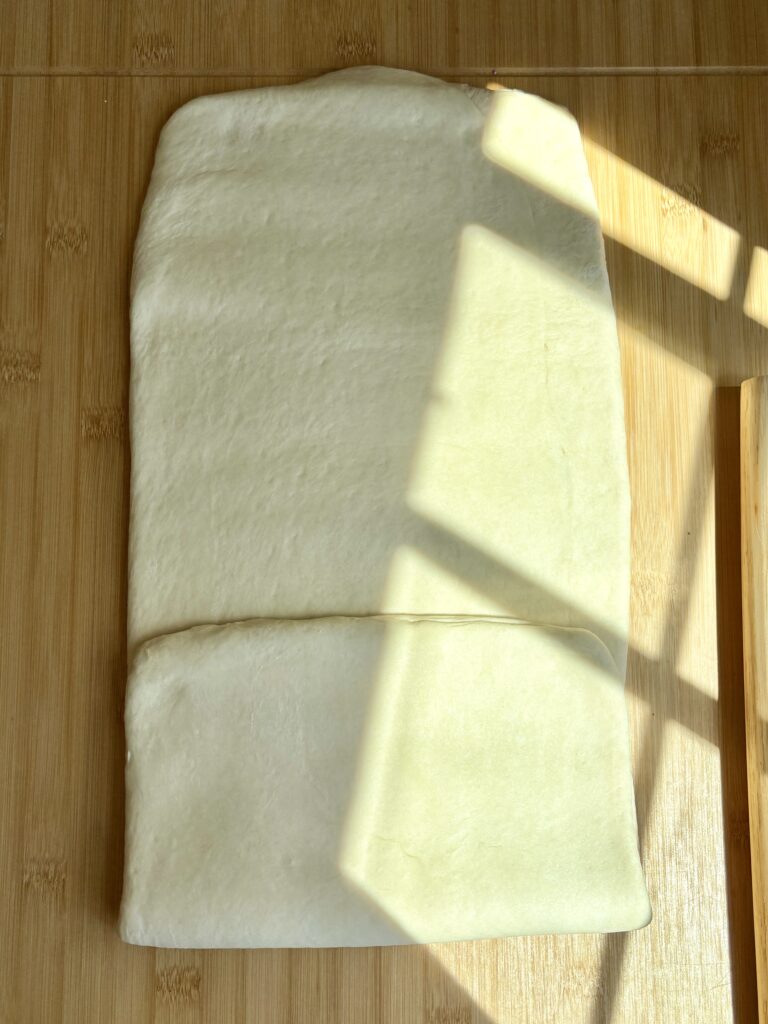
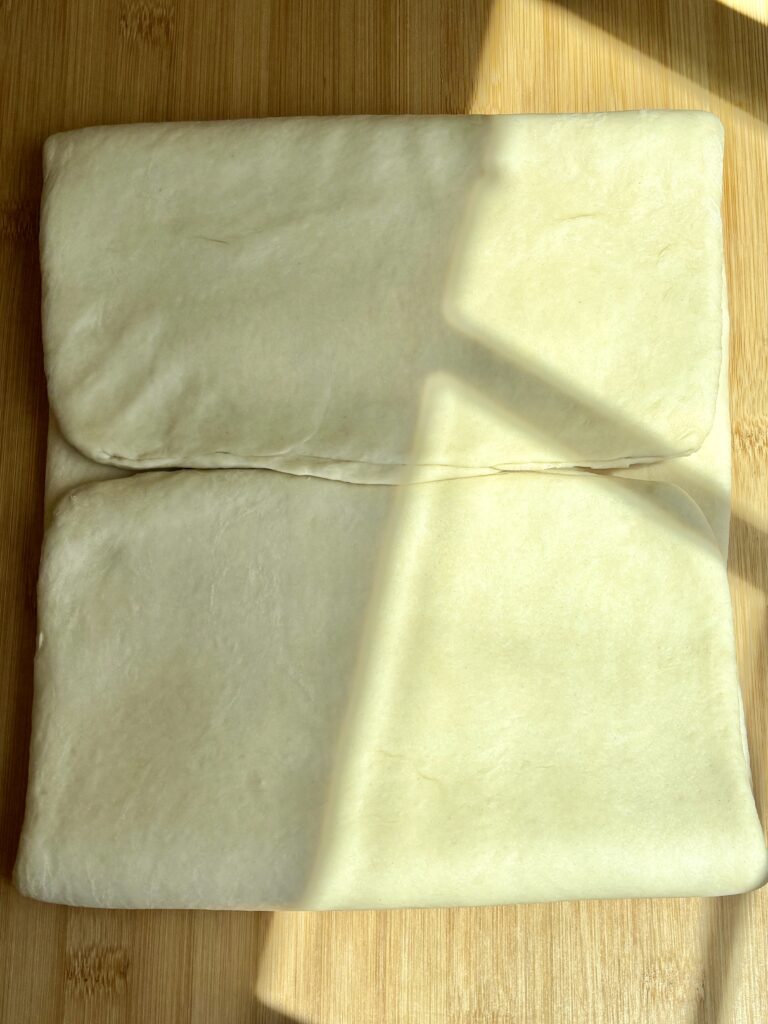
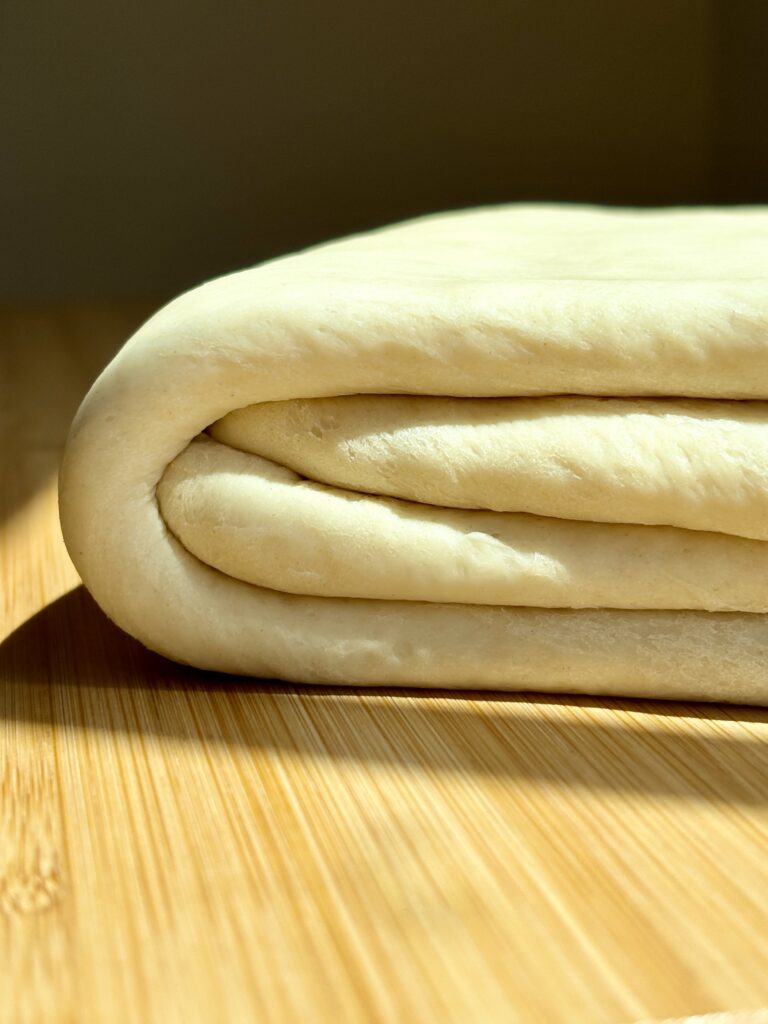
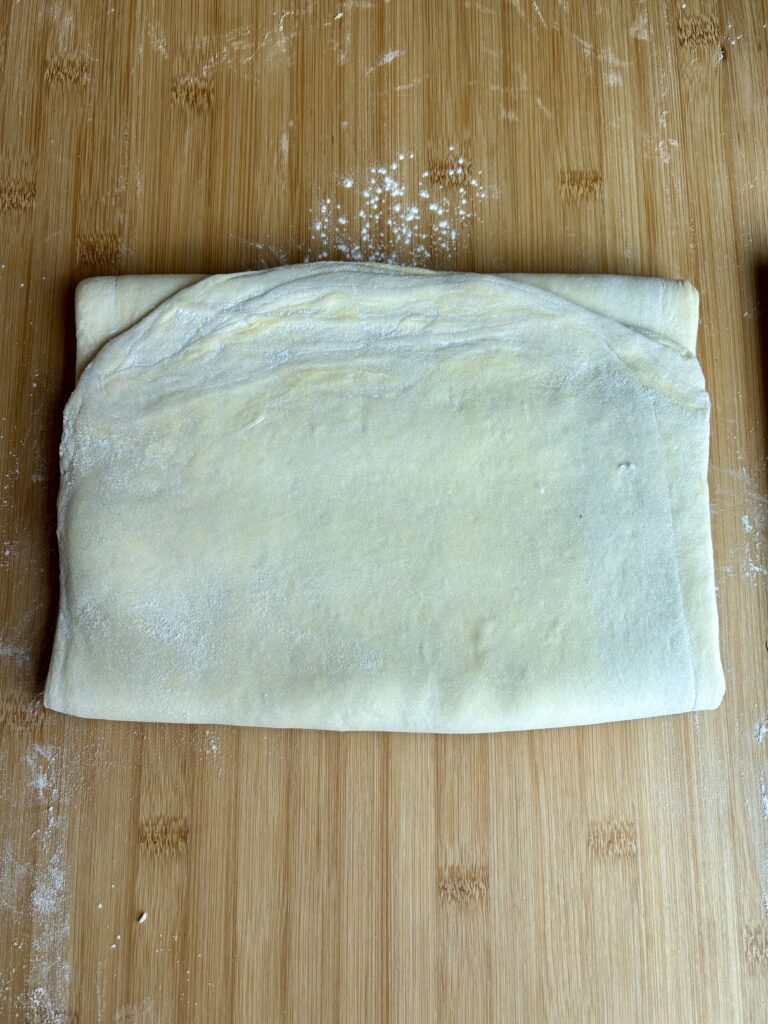
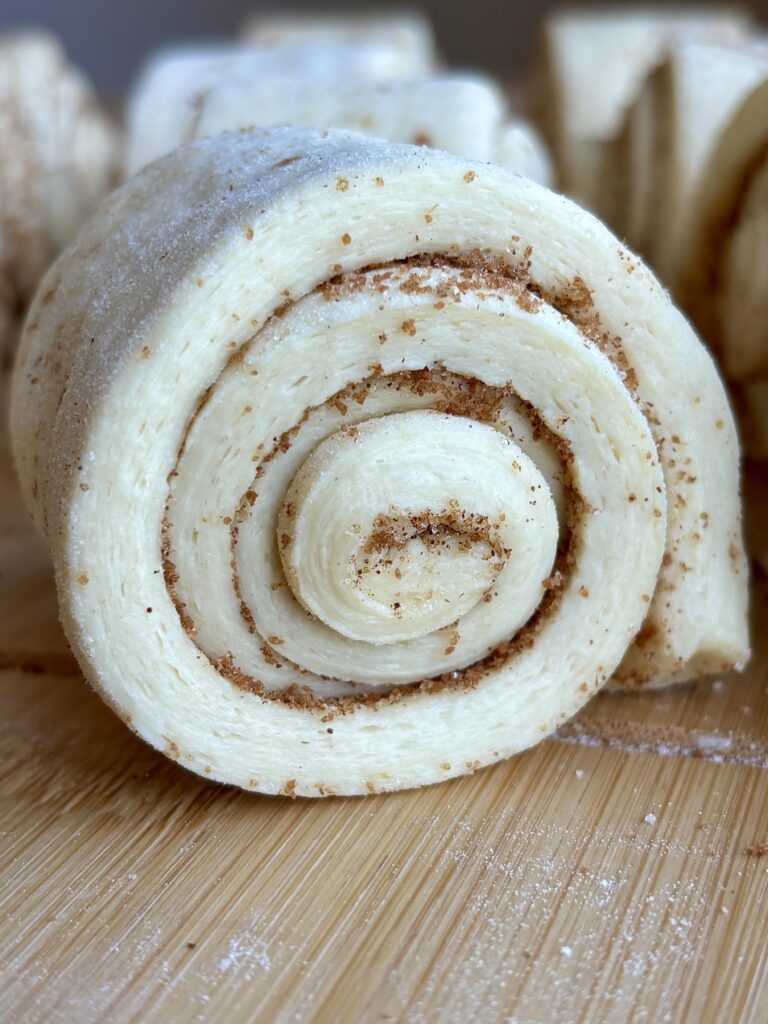
Lamination is the process of folding the butter into dough repeatedly to create many thin alternating layers of butter and dough. When baked, the butter releases steam which separates those layers and creates the flaky, airy texture croissants are known for.
The biggest key to successful lamination is temperature control. Your butter should stay cold enough to remain distinct between the layers, but pliable enough that it bends without cracking. If the butter becomes too warm, it will smear into the dough instead of forming layers. And if it’s too cold, it will crack and break through the dough.
Ideally, the dough and butter should feel similar in their firmness throughout the entire lamination process.
During each fold:
- Roll gently and evenly
- Avoid pressing too aggressively
- Keep the edges as straight as possible
- Brush away any excess flour before folding
- Chill the dough anytime the butter starts softening
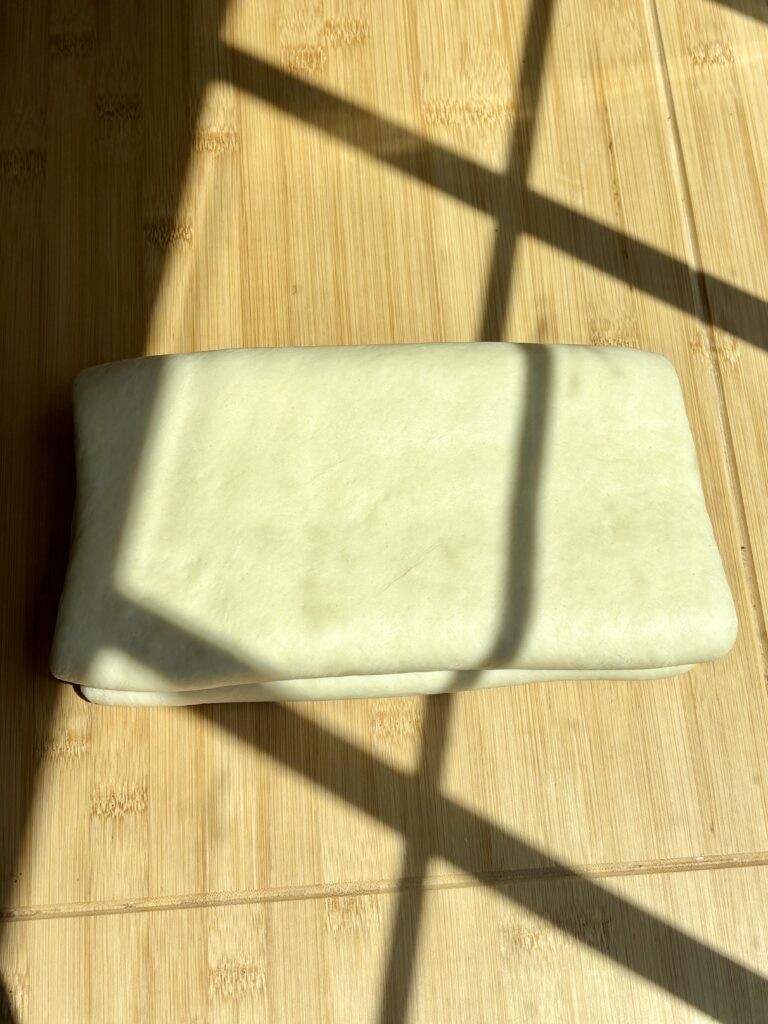
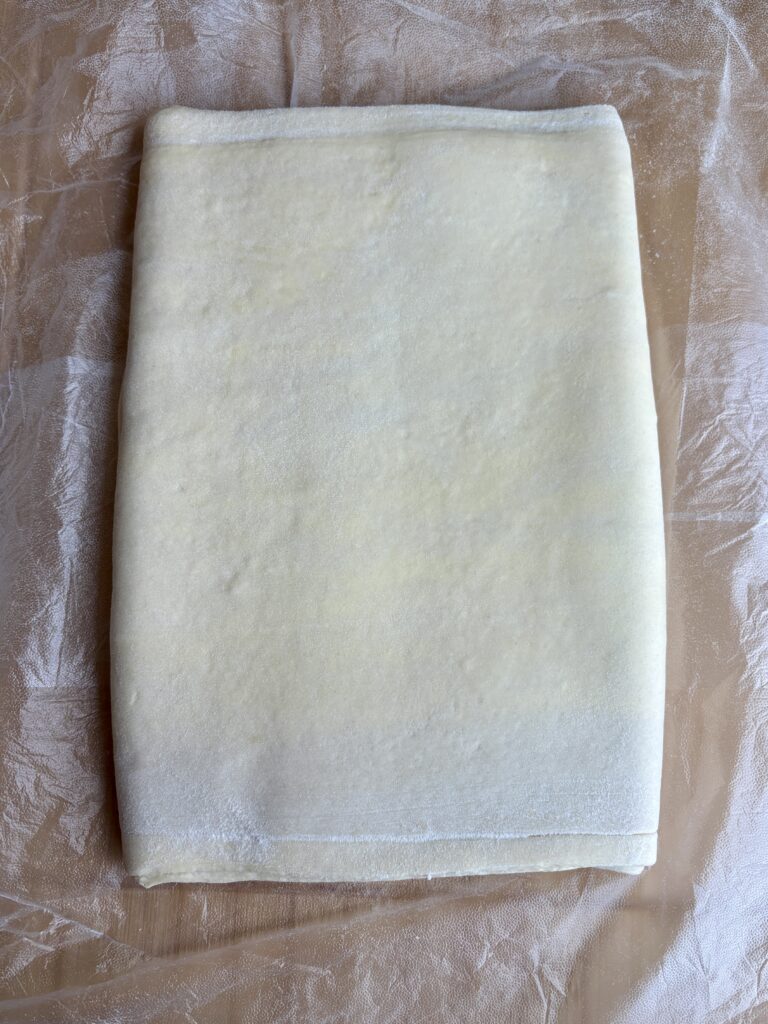
You’ll complete four folds in this recipe which creates dozens and dozens of thin buttery layers. Those layers are what produce the beautiful honeycomb interior and flaky exterior after baking.
Why did my butter leak out?
While learning how to make croissants, this was my biggest issue! My butter was leaking often and it is one of the most common issues. Typically this comes down to temperature or proofing problems.
Common Reasons Butter Leaks During Baking:
- The dough became too warm during lamination: If the butter softens too much while rolling and folding, it begins blending into the dough instead of staying layered. This causes butter to melt out during baking instead of creating steam pockets.
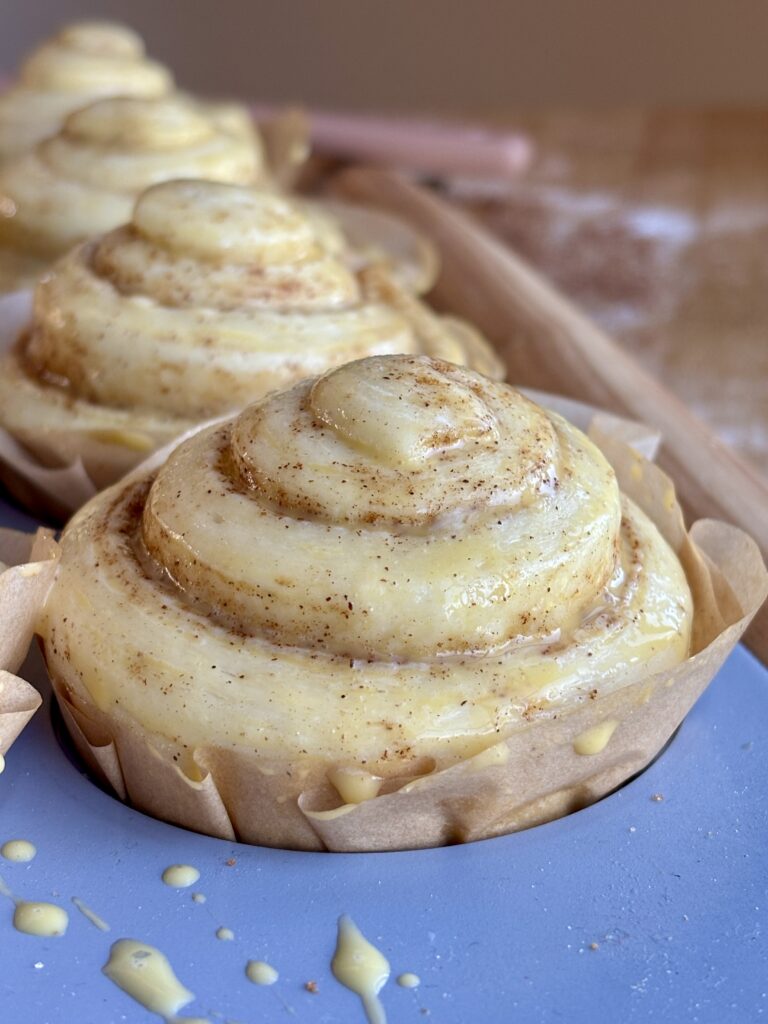
- The cruffins were under proofed: Under proofed dough doesn’t have enough air structure to hold the butter properly while baking. Instead of expanding, the butter leaks out into the pan. Your cruffins should look noticeably puffy with rounded edges and have a slight jiggle before baking.
- The butter block cracked during folding: If the butter was too cold during lamination and cracked while rolling, then it can create uneven spots where butter pools and leaks.
- The dough tore during rolling: These small tears allow butter to escape from the layers. If you notice butter peeking through, lightly dust with that spot with flour.
- The kitchen was too warm: Warm kitchens soften butter quickly during shaping and proofing. If your kitchen runs warm, chill the dough more often and proof in a cooler area.
- Over proofing: If the dough over proofs, the structure of the dough weakens and collapses during baking, causing greasy pastries and butter loss.
Common Mistakes
Dense or Heavy Cruffins
This is typically caused by under proofing or rolling the dough too thick.
No Visible Layers
The butter likely melted into the dough during lamination instead of remaining separate.
Butter Breaking Through the Dough
This is likely caused because the butter was too cold compared to the dough while rolling.
Greasy Cruffins
This is often caused by over proofing, or dough that is too warm.
Tough Dough
Adding too much flour during the rolling process, or overworking the dough, can create a tougher texture.
Uneven Layers
Rolling unevenly or applying inconsistent pressure can distort the lamination.
Burned Bottoms
Dark pans or excessive butter leakage can cause bottoms to brown too quickly. Place the muffin tin on a second baking sheet if needed.
1 Day vs 2 Day Cruffin Schedule
When it comes to laminated dough, many bakers recommend spreading the process out over 2 days because the extra chilling time helps relax the gluten, deepen the flavor, and makes the dough easier to work with overall. However, after making these multiple times, I’ve actually found that I personally prefer doing the entire process in 1 day.
Why? Because I find it much easier to control the temperature of both the dough and the butter when everything is happening within the same timeframe. Once the dough sits overnight in the fridge, I find the dough and butter become uneven in firmness making the lamination process harder for me. Doing it all in one day helps me keep the butter pliable and the dough consistently cold without needing as much readjusting.
Regardless, both methods absolutely work and it really comes down to your schedule, comfort level, and preference. No matter which method you choose, the most important part is keeping the dough and butter cold, pliable, and at a similar consistency throughout the lamination process.
2-Day Schedule
Day 1
- Make dough
- Chill dough
- Prepare butter block
- Complete lamination folds
- Refrigerate overnight
Day 2
- Roll and shape cruffins
- Final proof
- Bake and coat in cinnamon sugar
1-Day Schedule (My Preferred Method)
Morning
- Make dough
- First rise
- Chill dough
Midday
- Prepare butter block
- Complete all lamination folds with chilling between each fold
Afternoon / Evening
- Roll and shape cruffins
- Final proof
- Bake and finish with cinnamon sugar
But, I Still Have A Few Questions…
What temperature should my milk be for yeast?
Your milk should be between 100–110°F. This is warm enough to activate the yeast without killing it. If it feels like warm bath water, you’re in the right range.
Are cruffins difficult to make?
Cruffins take time and patience more than actual difficulty. The process is very manageable when broken into stages, and most of the total time is hands off chilling and proofing. The biggest thing to focus on is keeping the dough and butter cold throughout lamination.
Can I refrigerate shaped cruffins overnight?
Yes! After shaping the cruffins, cover the muffin tin tightly and refrigerate overnight. The next day, allow them to continue proofing at room temperature until puffy before baking.
Why did my butter leak out during baking?
Butter leakage usually happens because the dough became too warm during lamination, or the cruffins were under proofed before baking. If the butter melts before the dough structure fully expands, it leaks out instead of creating steam pockets between the layers.
How do I know if the cruffins are proofed enough?
Properly proofed cruffins should look noticeably puffy with softened, rounded edges and a slight jiggle when the pan is gently shaken. If they still look tight, dense, or compact, they likely need more time.
Why don’t my cruffins have visible flaky layers?
If the butter melts into the dough during folding, the layers won’t separate properly during baking. Keeping the dough cold and chilling often during lamination helps preserve distinct layers.
Can I freeze baked cruffins?
Absolutely. Let them cool completely, then wrap tightly and freeze for up to 2 months. Reheat in the oven at 325°F until warmed through and crisp again.
Can I use all all purpose flour instead of bread flour?
You can, but bread flour gives the dough more strength and elasticity which helps support the laminated layers. Using all purpose flour alone may result in slightly softer, less structured pastries.
Can I use instant yeast instead of active dry yeast?
Yes. Instant yeast can be substituted directly and does not need to be activated first.
Can I make these without a muffin pan?
A muffin pan helps create the signature tall cruffin shape, but you can bake them close together on a parchment-lined baking sheet for a more freeform pastry.
What’s the best butter to use for laminated dough?
Higher fat European style butter is often preferred because it creates richer flavor and more pliable layers. I prefer the brand Kerrygold for laminated dough.
What other fillings work well besides Nutella?
Pastry cream, cookie butter, fruit jam, whipped ganache, caramel, lemon curd, and pistachio butter are all delicious options.
Can I reheat cruffins?
Yes. Reheat at 325°F for about 5–8 minutes to help restore crisp flaky layers. Microwaving works in a pinch but softens the exterior.
How many cruffins does this recipe make?
This recipe typically makes 12 cruffins depending on how evenly the dough is rolled and trimmed, plus a few smaller “scrap” pastries from the leftover edges (DO NOT THROUGH THOSE OUT, YOU WORKED HARD FOR THOSE!).
Other Recipes You’ll Love
Let’s engage!
Make sure to tag @thehomechefmomma on Instagram or Facebook, and leave a review or comment if you make these. I always get so excited to see your creations, variations of the recipe, and feedback! Just remember to be kind in your comments, there is still a person behind this screen! 🙂
Cinnamon Sugar Cruffins (Optional Nutella Stuffed)
Ingredients
Dough
- ¾ cup warm milk
- 2 tablespoons granulated sugar
- 3 teaspoons active dry yeast
- ¾ cup cold water
- 2½ cups bread flour
- 1½ cups all purpose flour
- 1 teaspoon salt
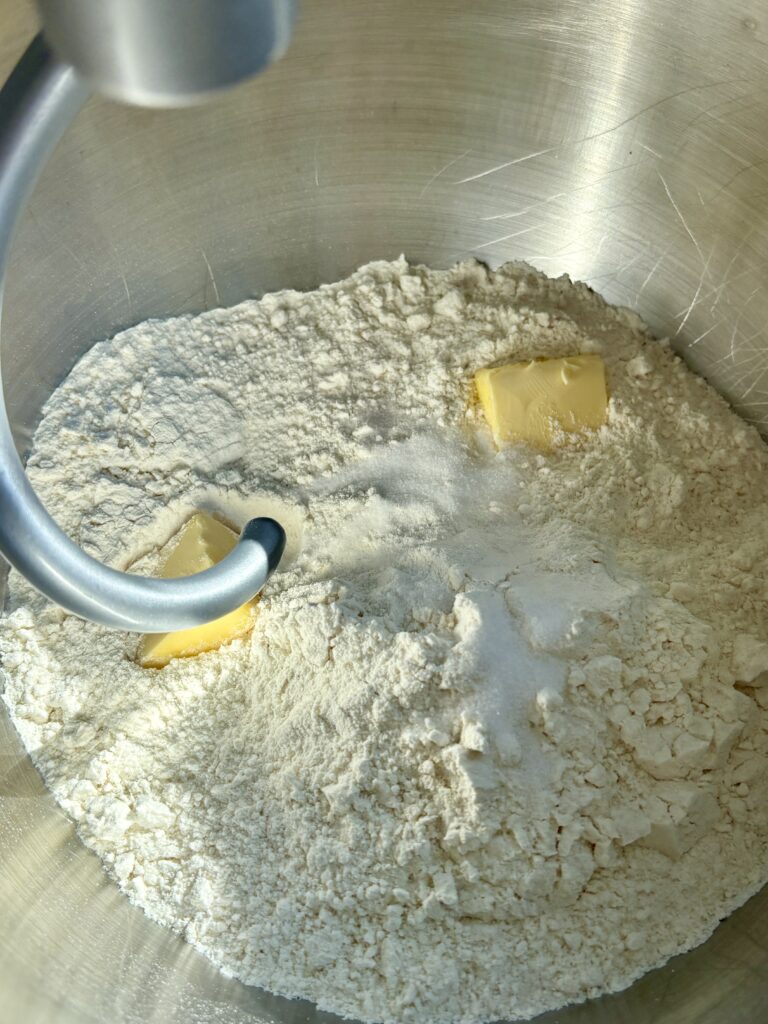
- 2 tablespoons unsalted butter softened
Lamination Butter
- 1½ cups 3 sticks unsalted butter, cold
Egg Wash
- 1 egg
- 1 tablespoon heavy cream
Cinnamon Sugar
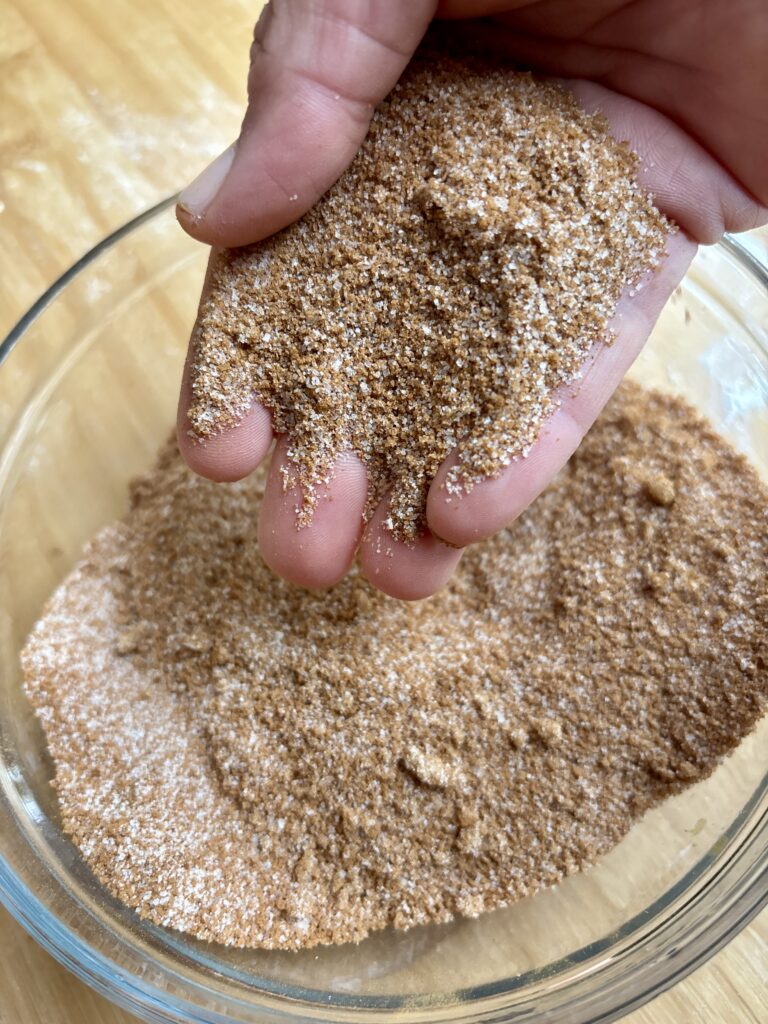
- ½ cup dark brown sugar
- ½ cup granulated sugar
- 3 tablespoons cinnamon
Optional Filling
- Nutella
Instructions
Make the Dough
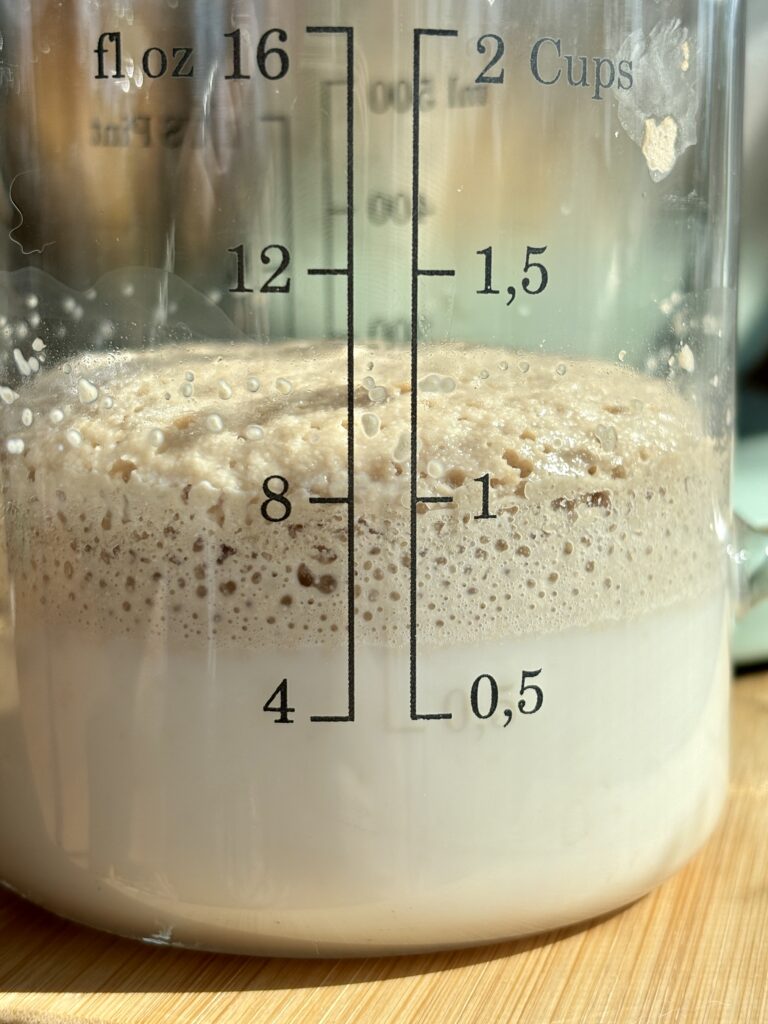
- In a measuring cup or small bowl, combine warm milk, granulated sugar, and active dry yeast. Let sit for 5–10 minutes until foamy.
- In the bowl of a stand mixer, combine bread flour, all purpose flour, and salt.
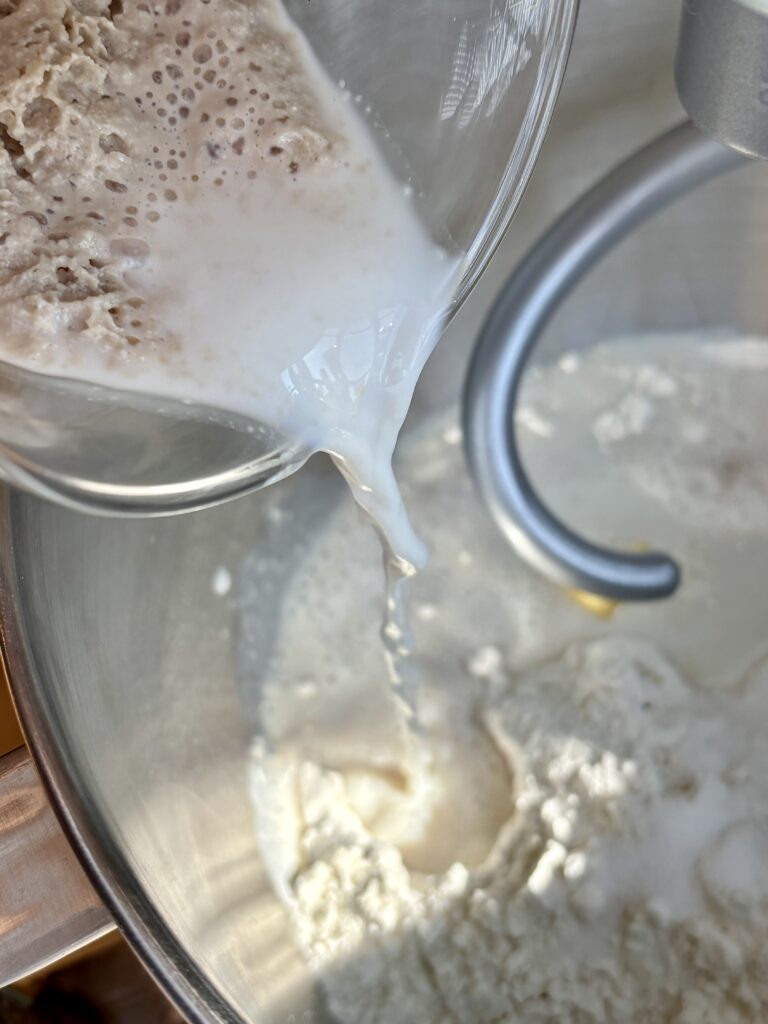
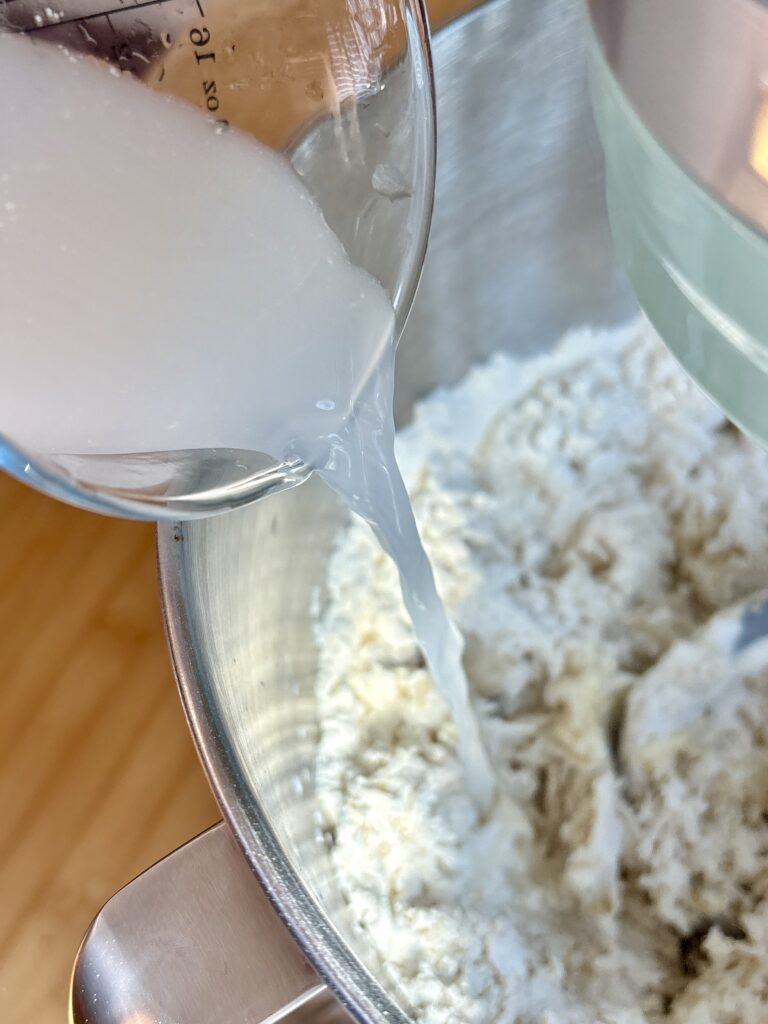
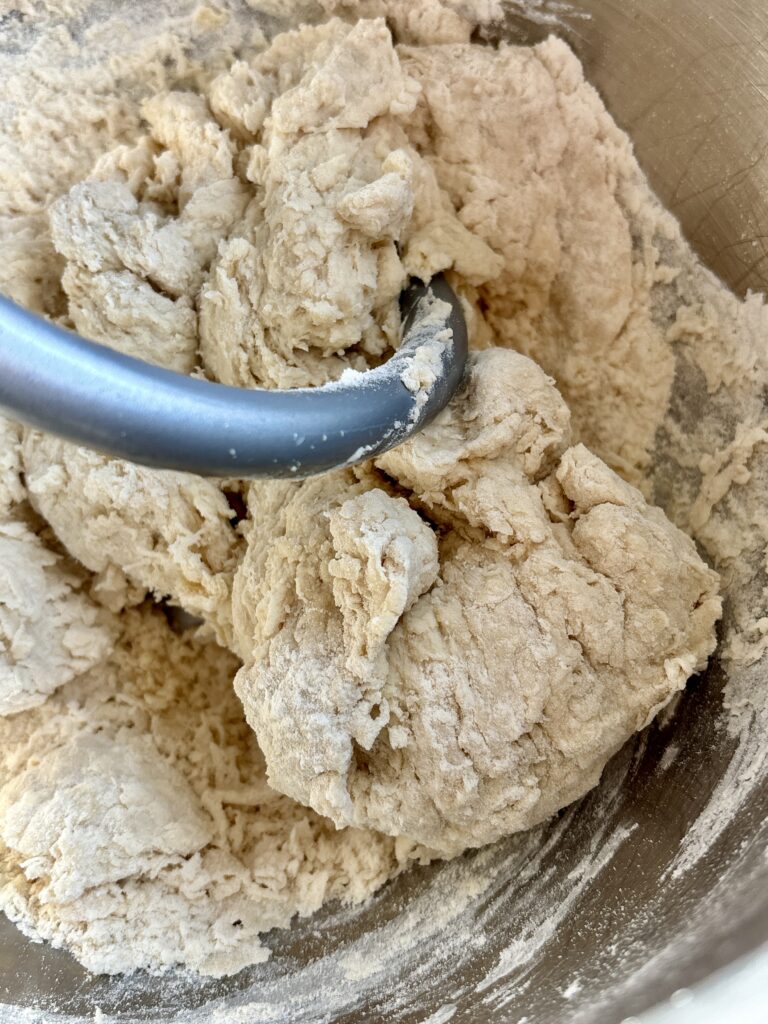
- Add the yeast mixture and cold water. Mix until a shaggy dough forms.
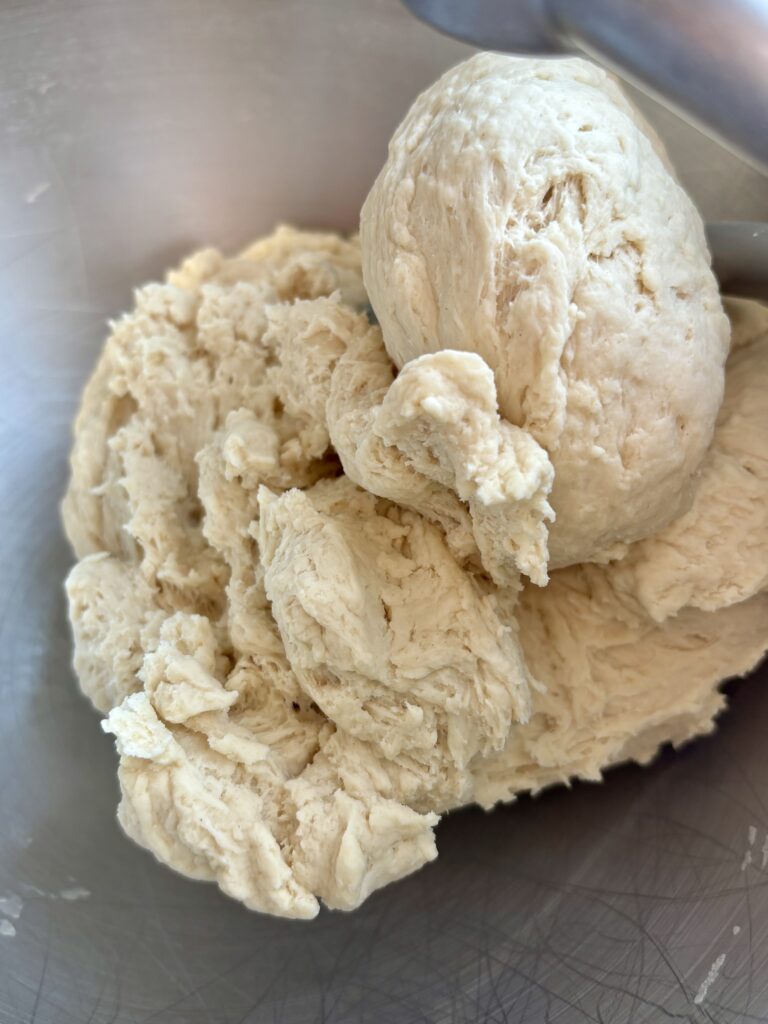
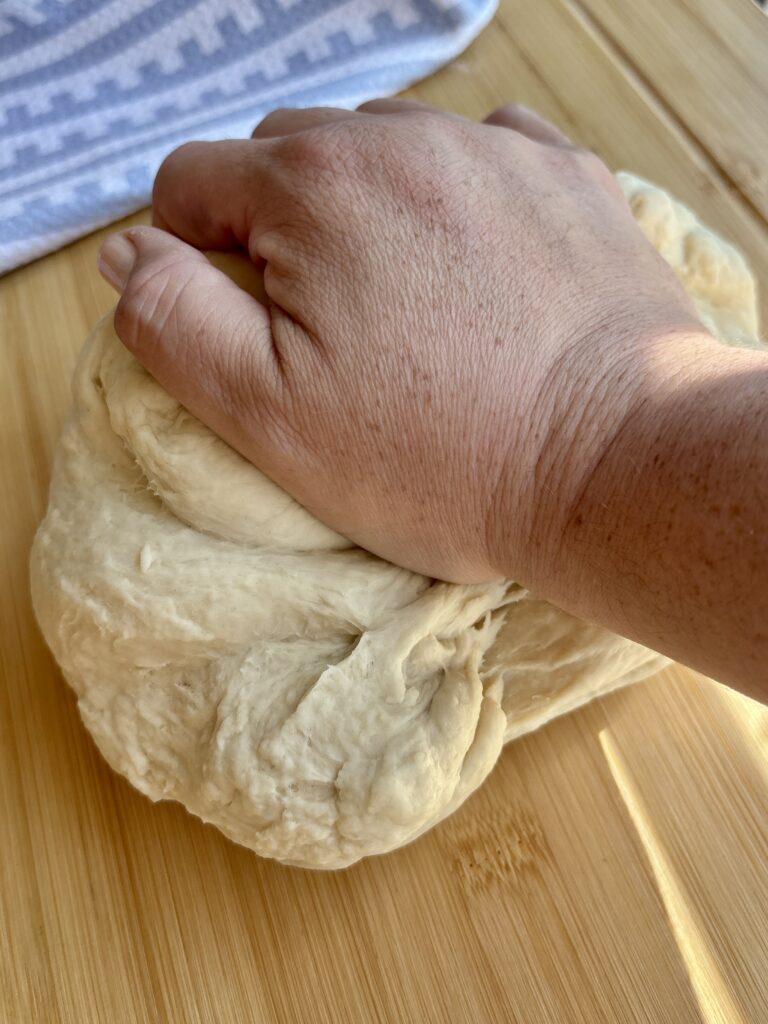
- Add softened butter and knead for 6–8 minutes until the dough becomes smooth and elastic. The dough should feel slightly tacky but not sticky.
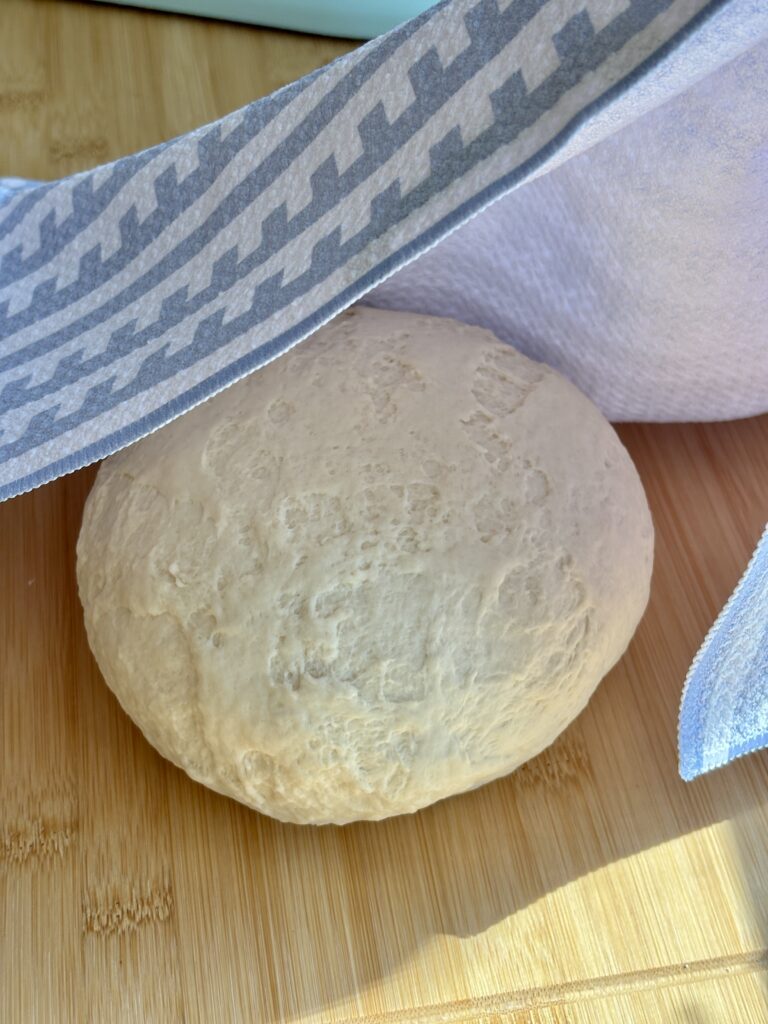
- Cover the dough and let rest for 1 hour until slightly puffy.
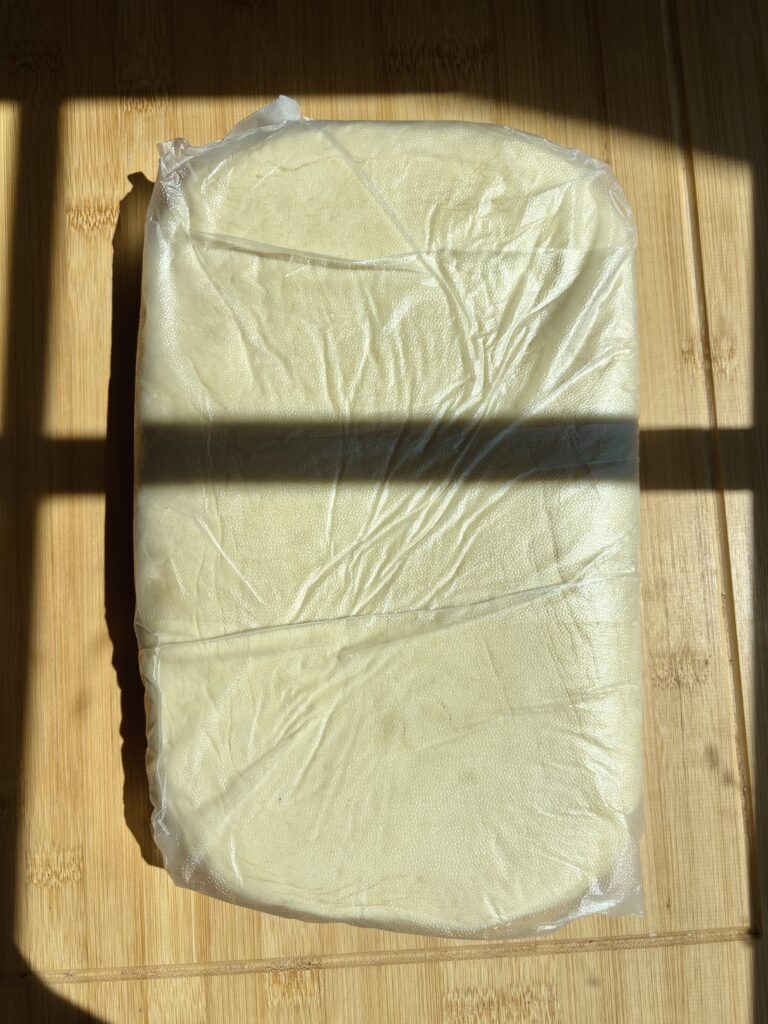
- Shape dough into an 8×10-inch rectangle. Wrap tightly and refrigerate for 1–2 hours or overnight.
Prepare the Butter Block
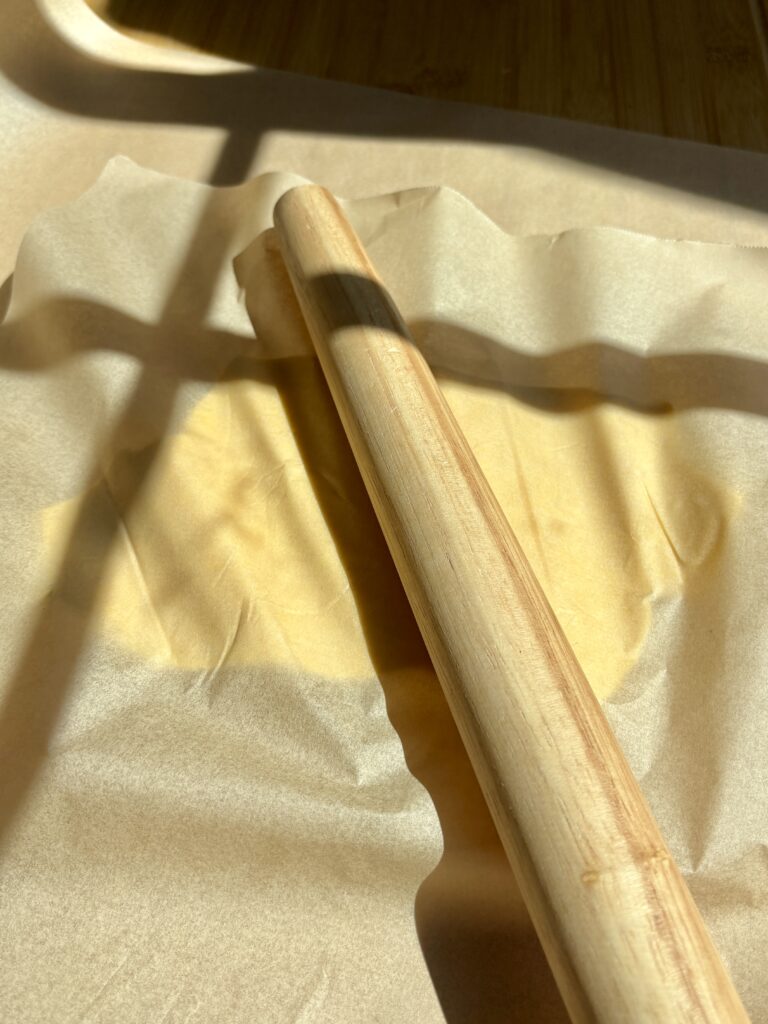
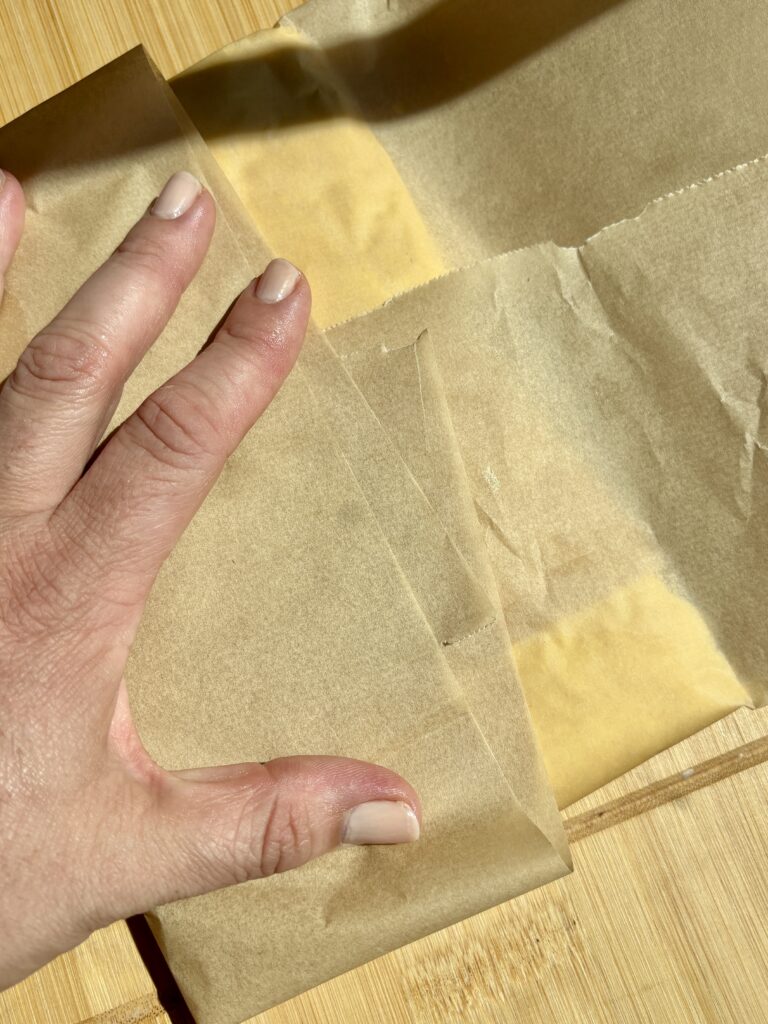
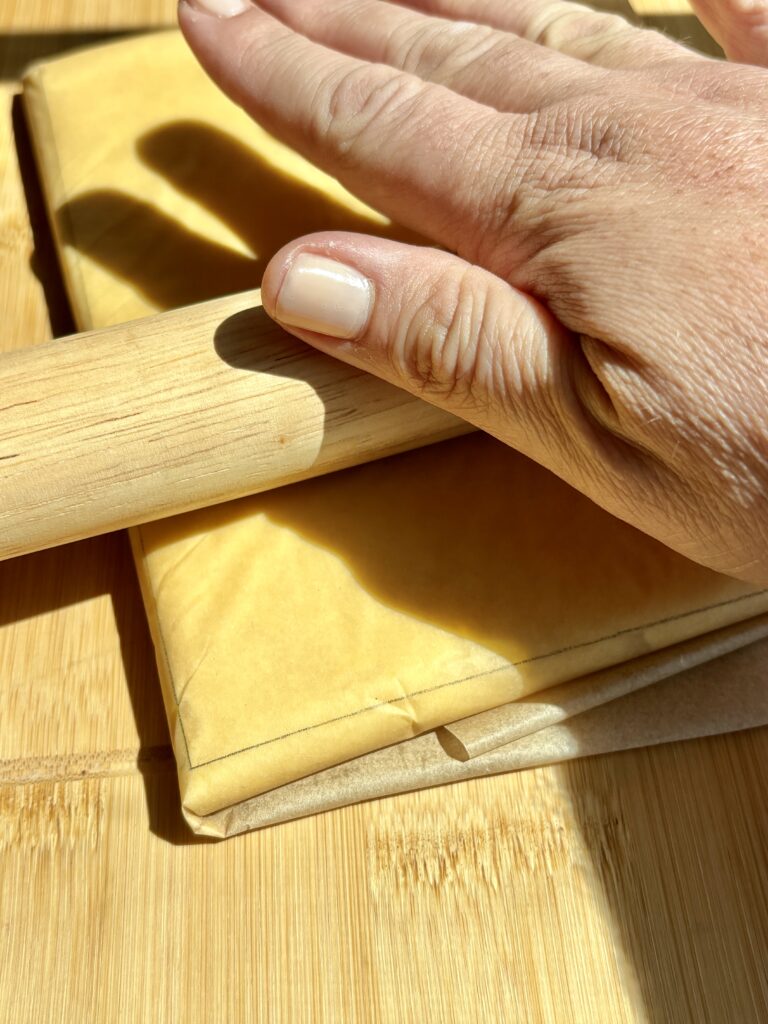
- Place cold butter between two sheets of parchment paper.
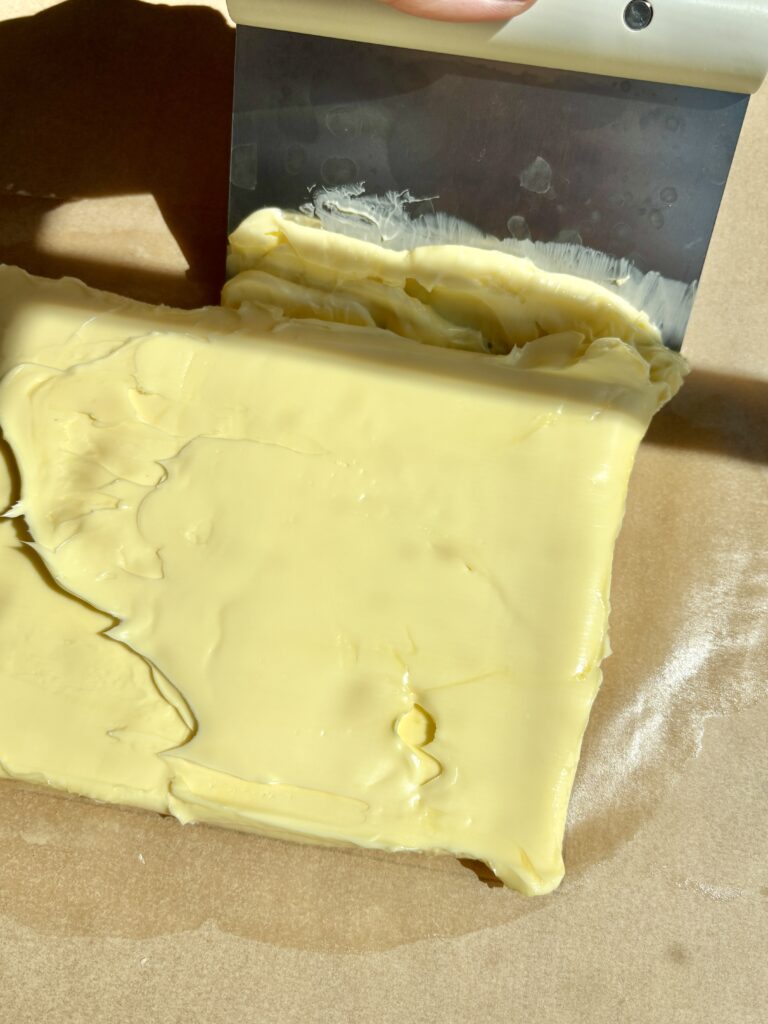
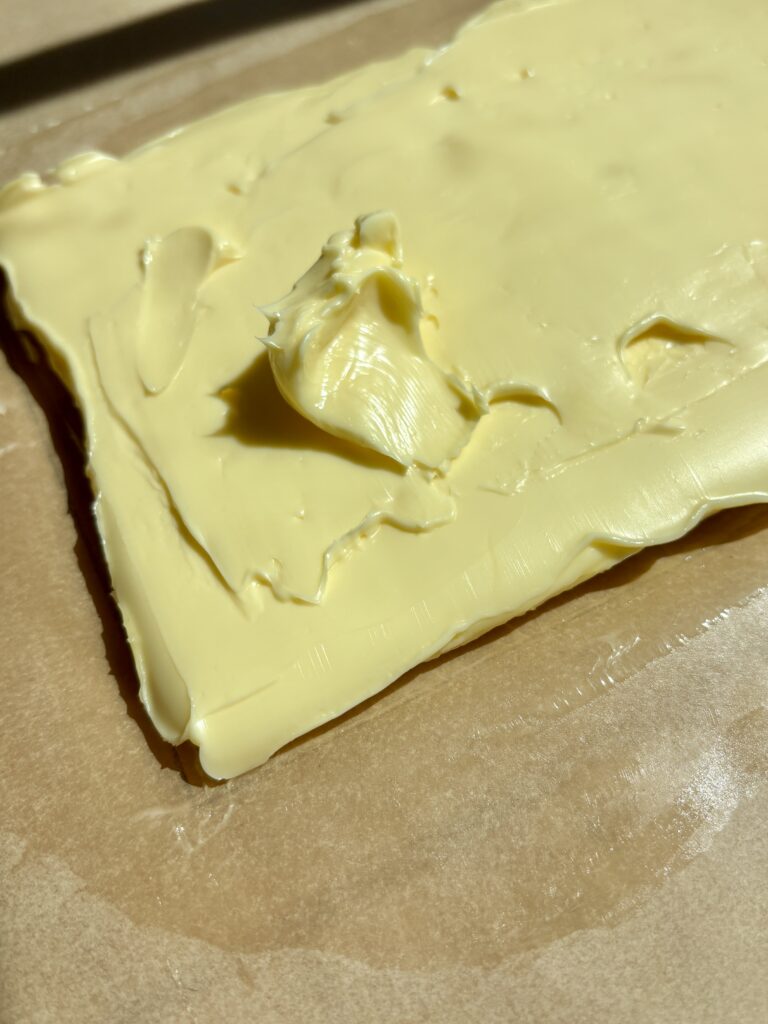
- Using a rolling pin, pound and roll the butter into an 8×5-inch rectangle.
- The butter should be cold but pliable and evenly flattened. If it feels too hard, lightly pound it again until flexible.
- Refrigerate until ready to use.
Laminate the Dough
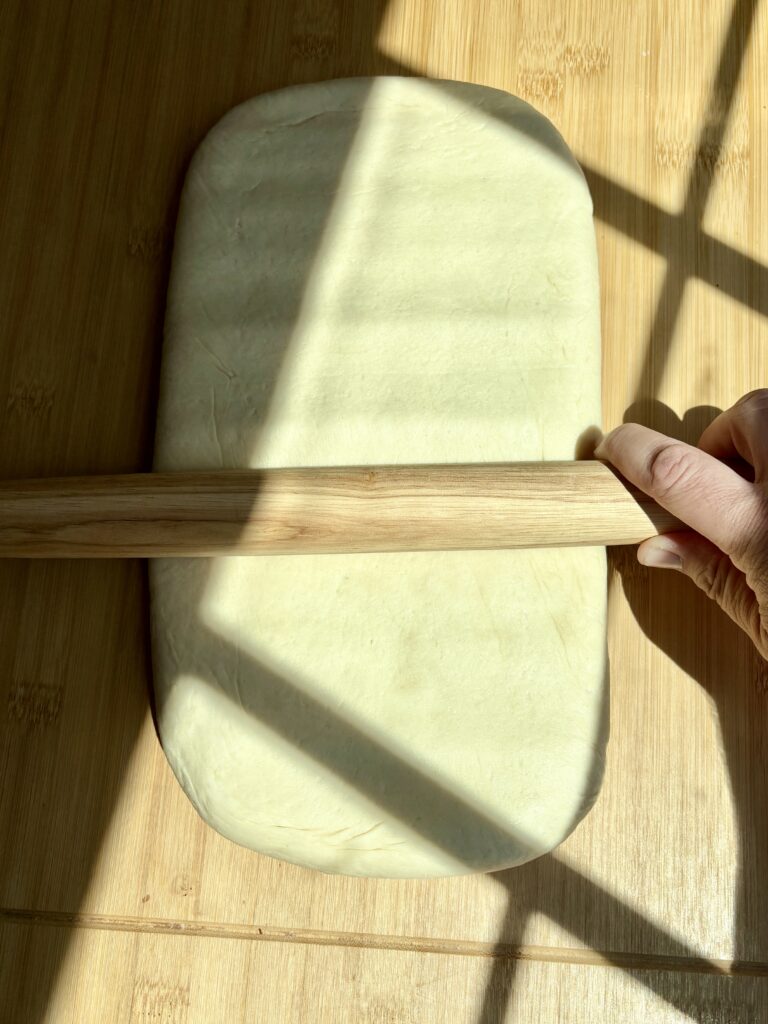
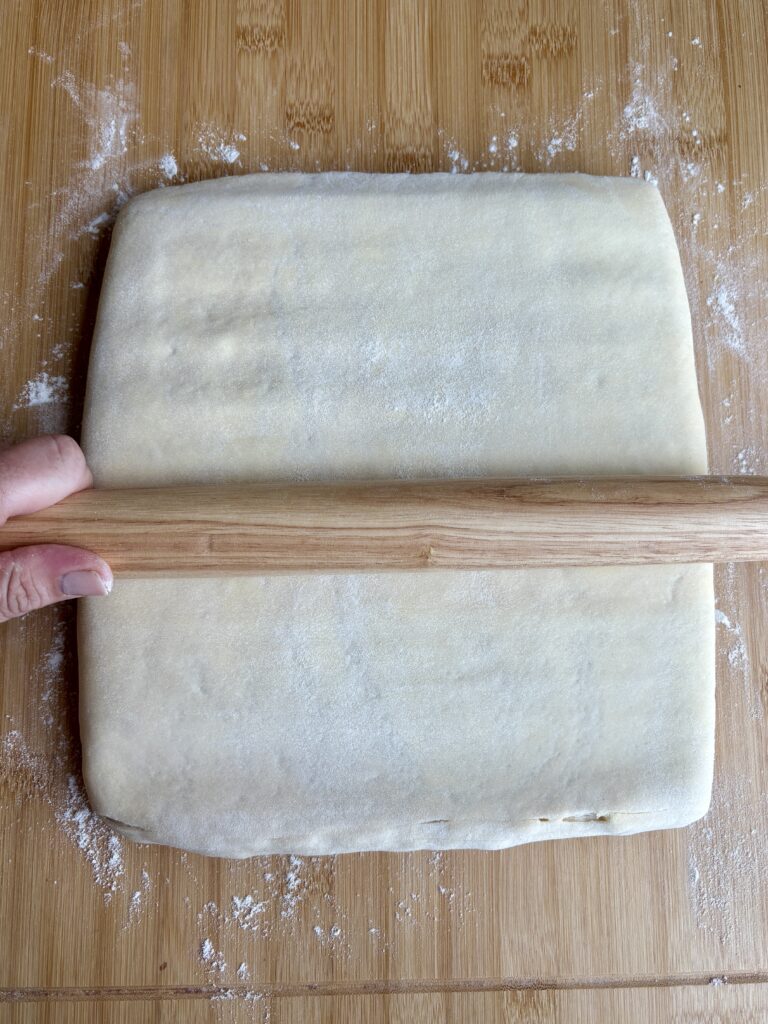
- Roll chilled dough into an 8½x12-inch rectangle.
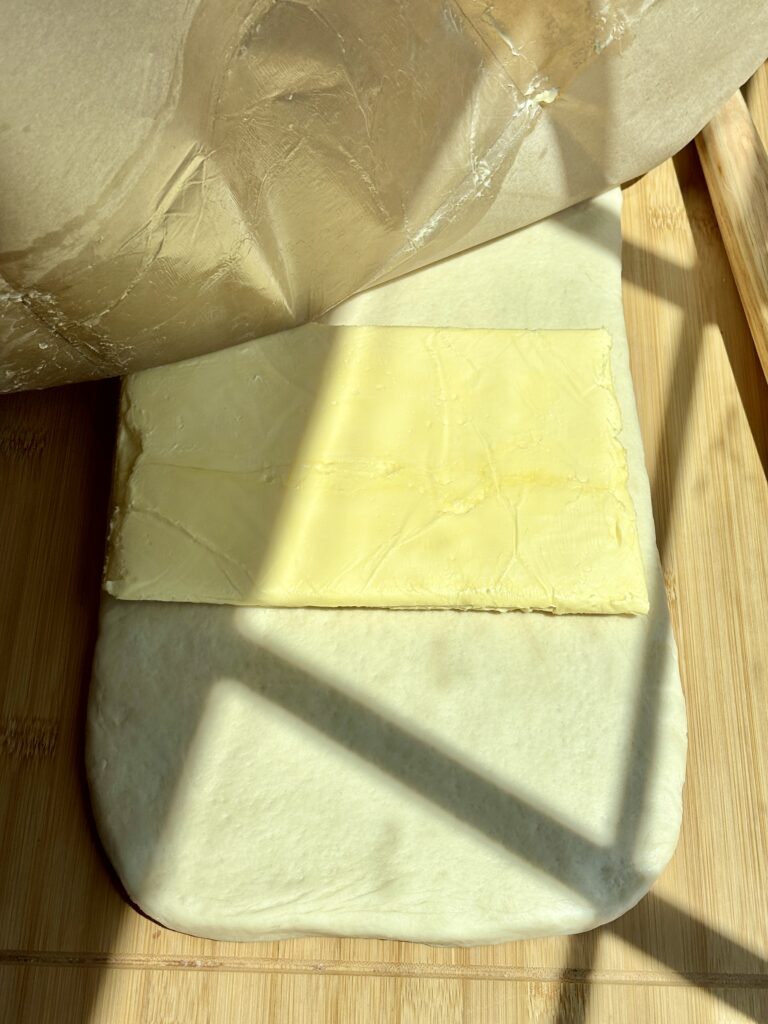
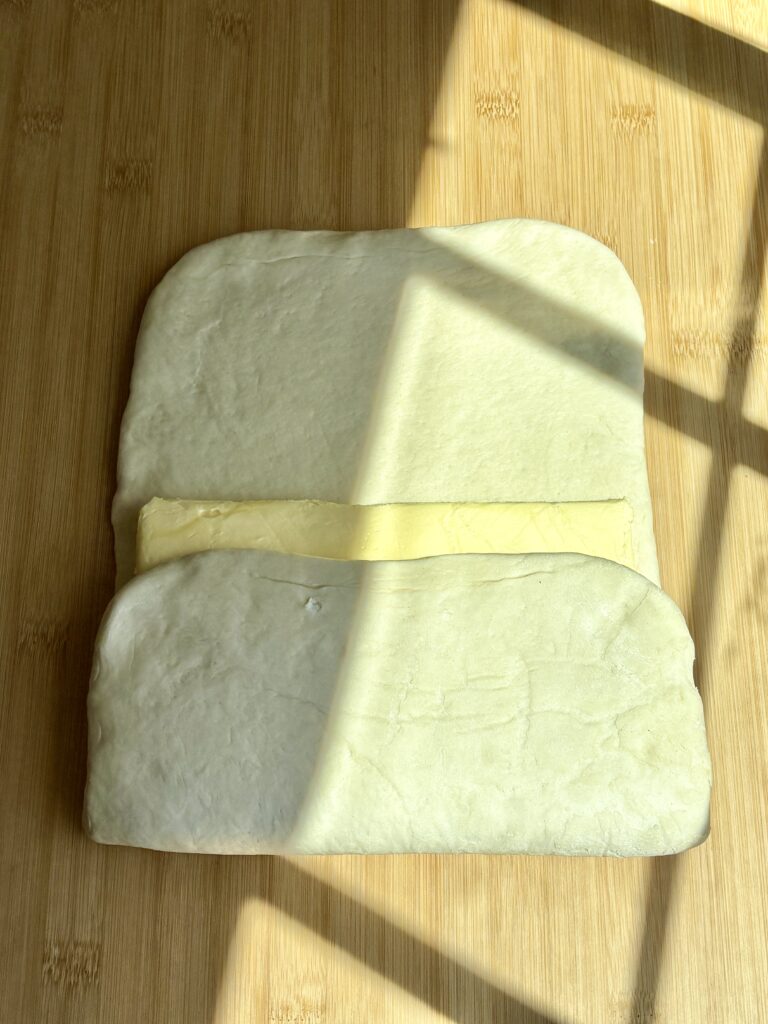
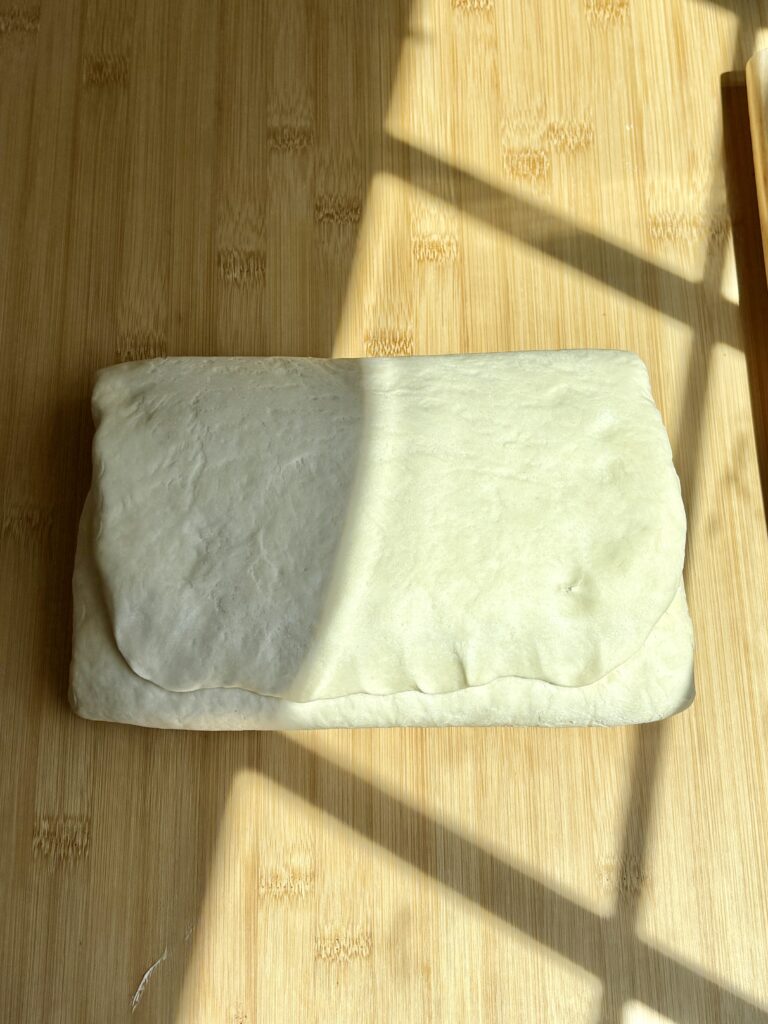
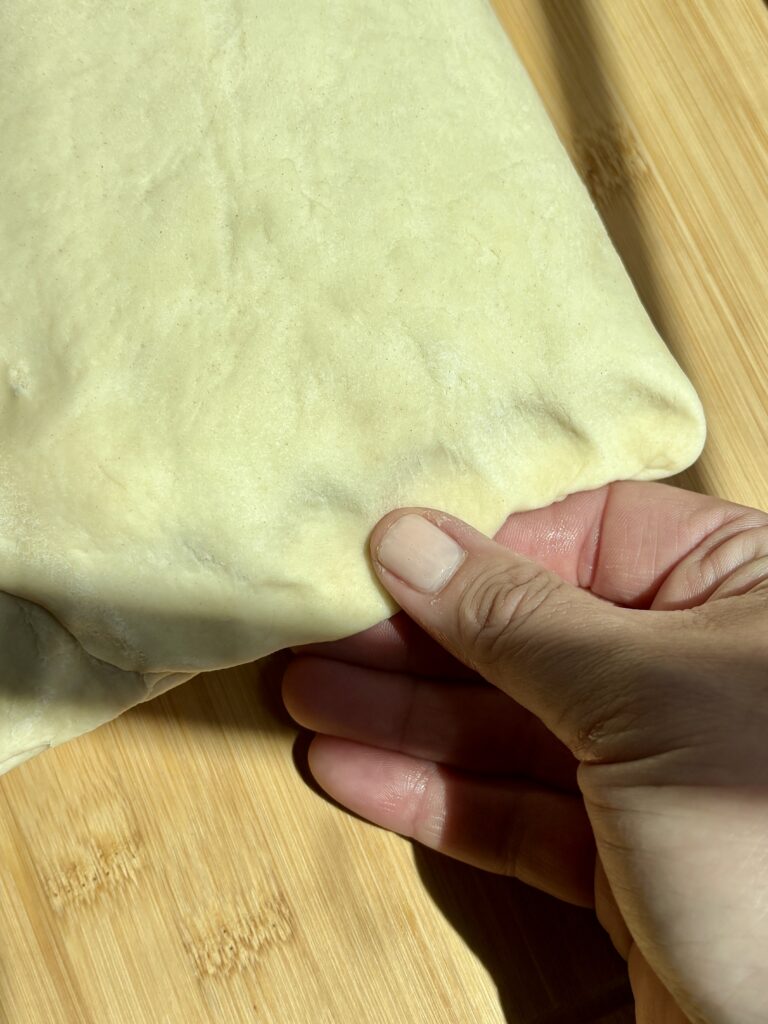
- Place the butter block in the center and fold the dough over the butter, sealing the edges.
First Fold
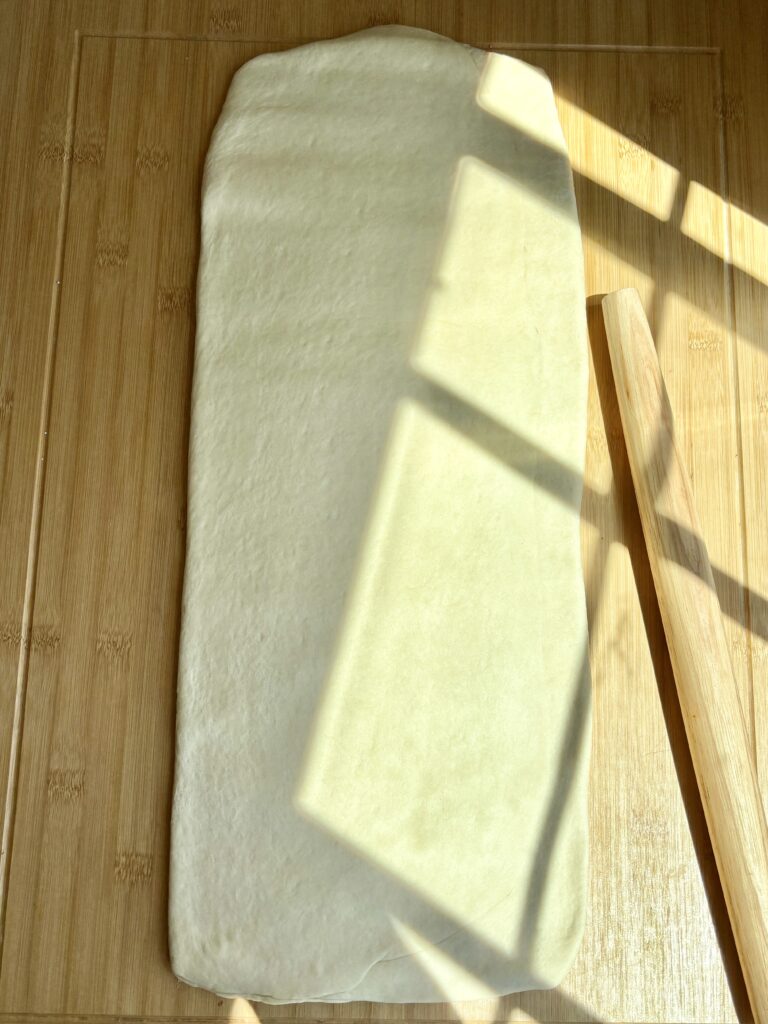
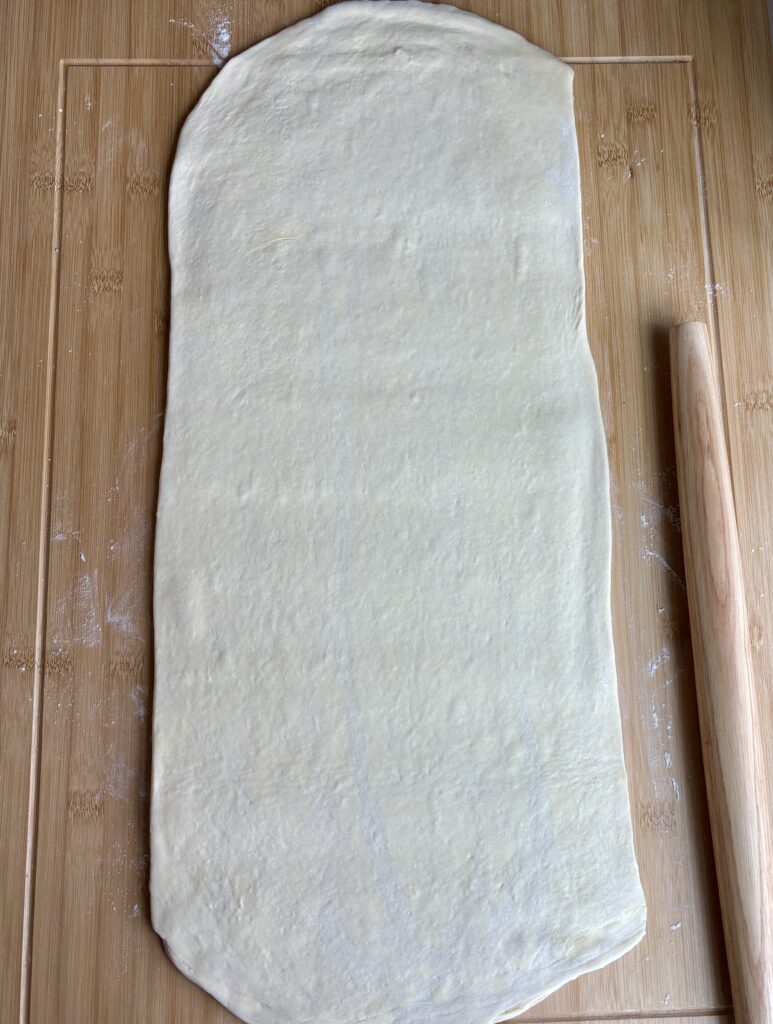
- Roll dough into an 8×24-inch rectangle.
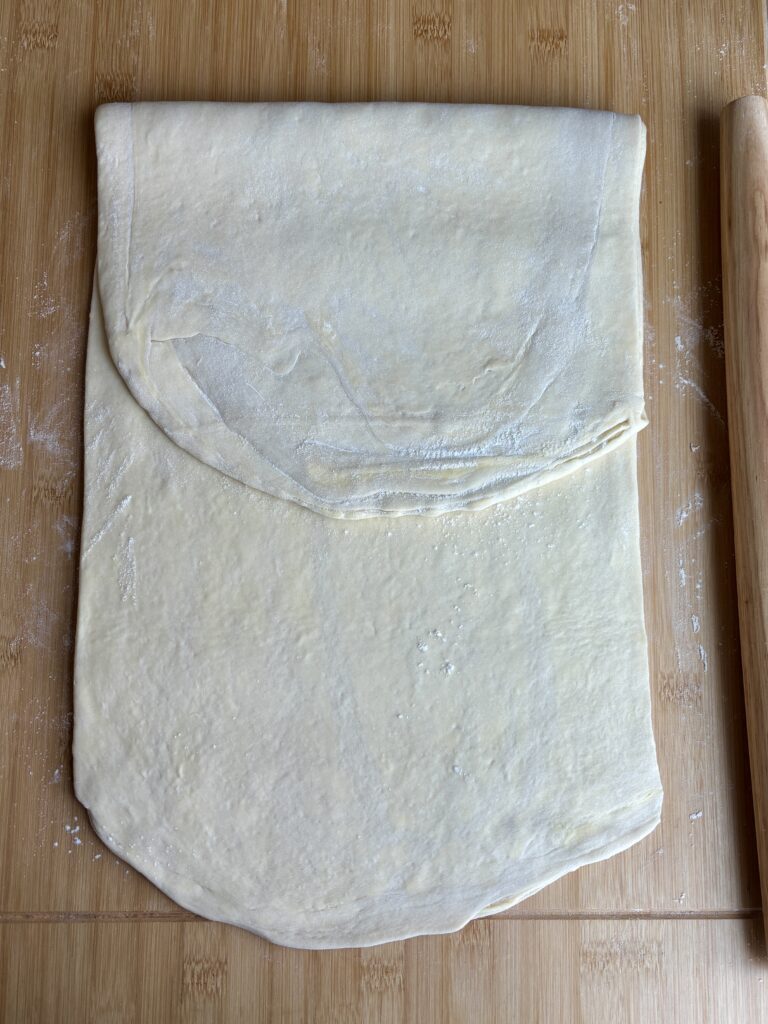
- Fold into thirds like a letter.
- Wrap and refrigerate for 30–45 minutes.
Second to Fourth Fold
- Roll dough back into an 8×24-inch rectangle.
- Fold into thirds again.
- Chill for 30–45 minutes.
After final fold
- Wrap tightly and chill at least 1 hour or overnight, up to 24 hours.
- If the butter softens, smears, or starts breaking through the dough at any point, refrigerate until cold again before continuing.
Shape the Cruffins
- Roll laminated dough into a 10×24-inch rectangle about ⅛-inch thick.
- Trim the uneven edges.
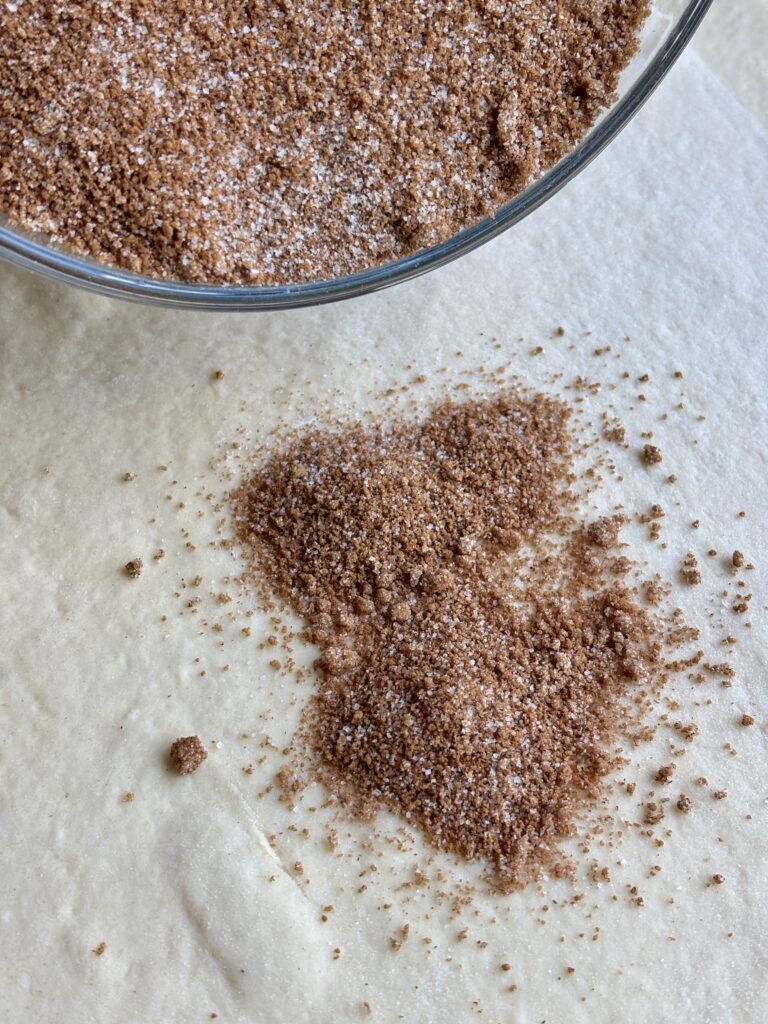
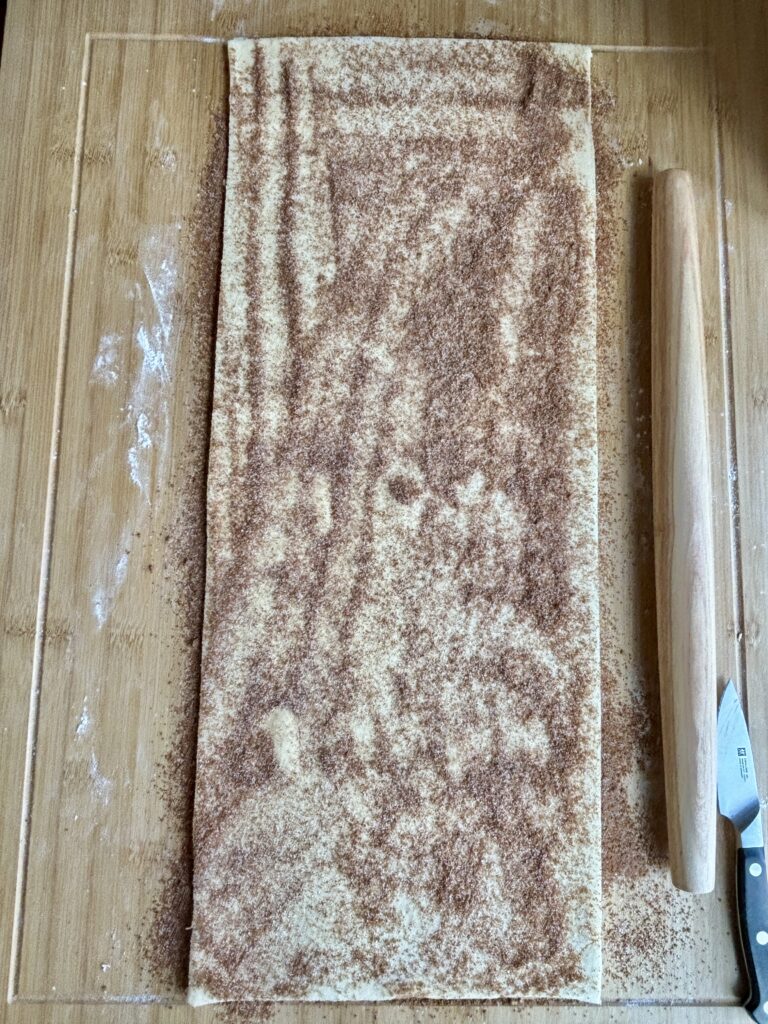
- Sprinkle half of the cinnamon sugar mixture evenly over the dough.
- Cut dough into approximately 2-inch strips.
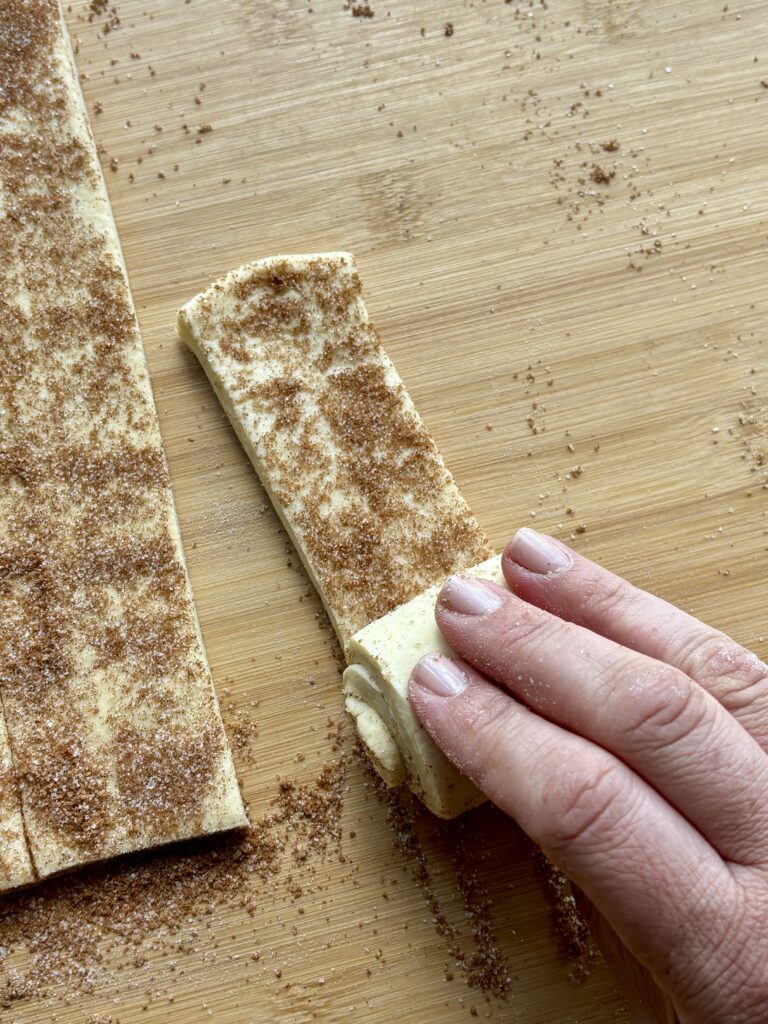
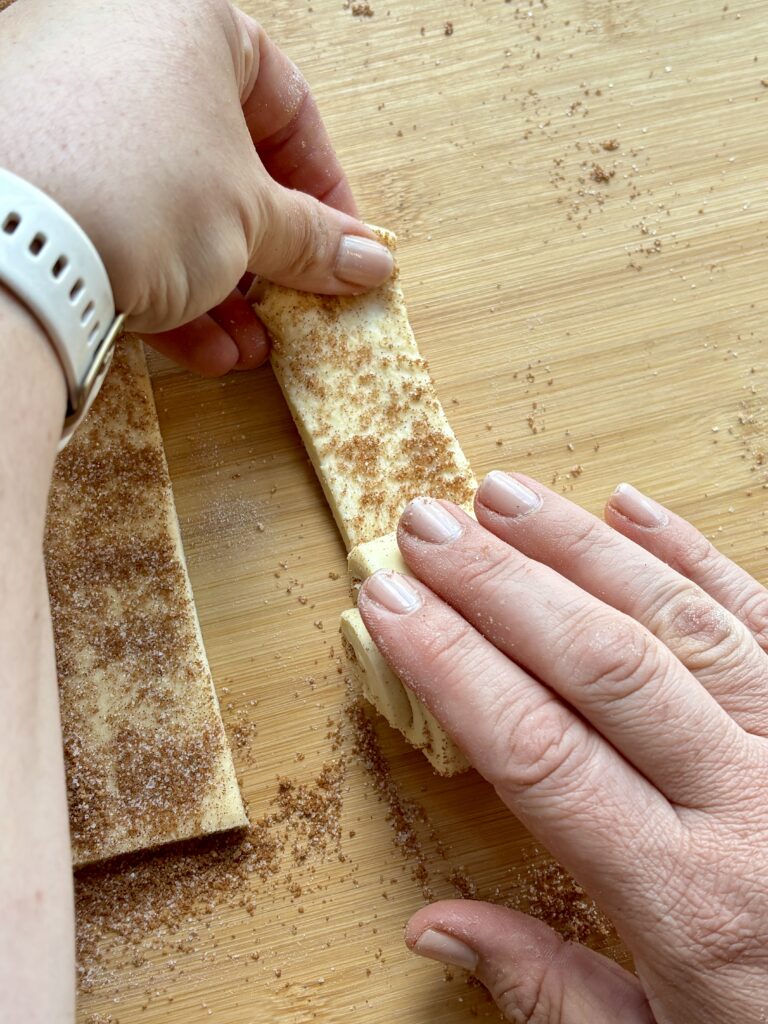
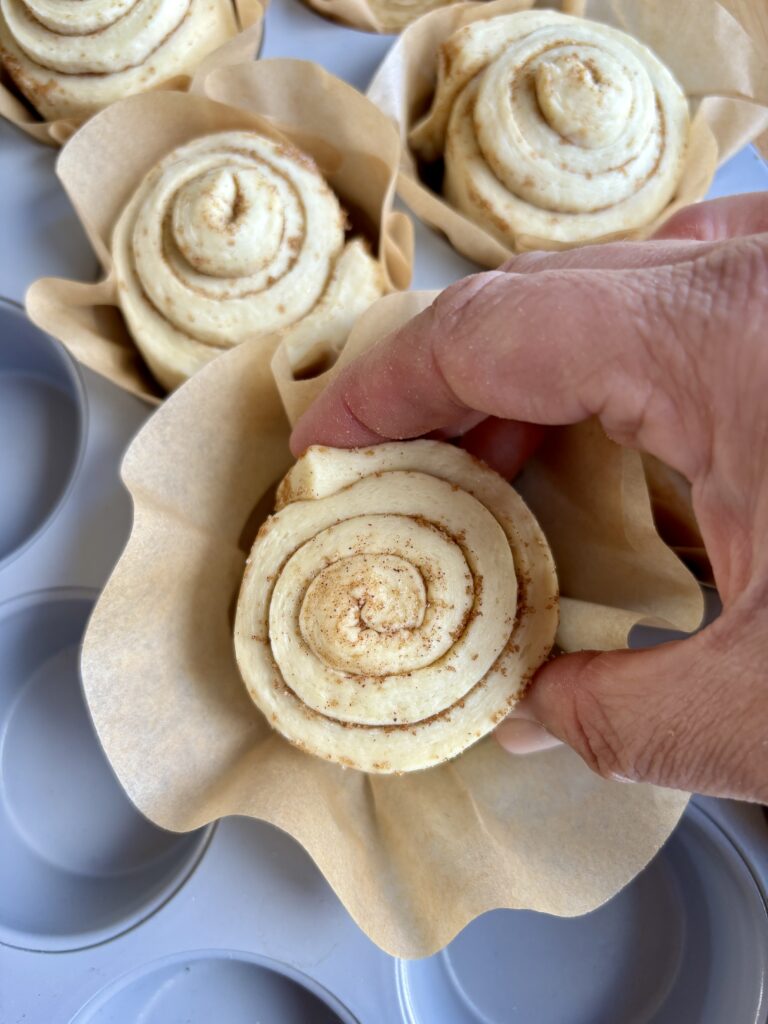
- Gently stretch each strip slightly and then roll into spiral pinwheel and tuck the ends underneath.
- Place each cruffin into a parchment lined muffin well.
Final Proof
- Allow cruffins to proof at 70–75°F for 2–3 hours until noticeably puffy with rounded edges and a slight jiggle. (Proofing time may take longer if your kitchen is cool. If your kitchen is warm, proof in a slightly cooler area to prevent butter from softening too much.)
- Optional: Cover tightly and refrigerate overnight after shaping.
Bake
- Preheat oven for 40 minutes at 400°F if possible.
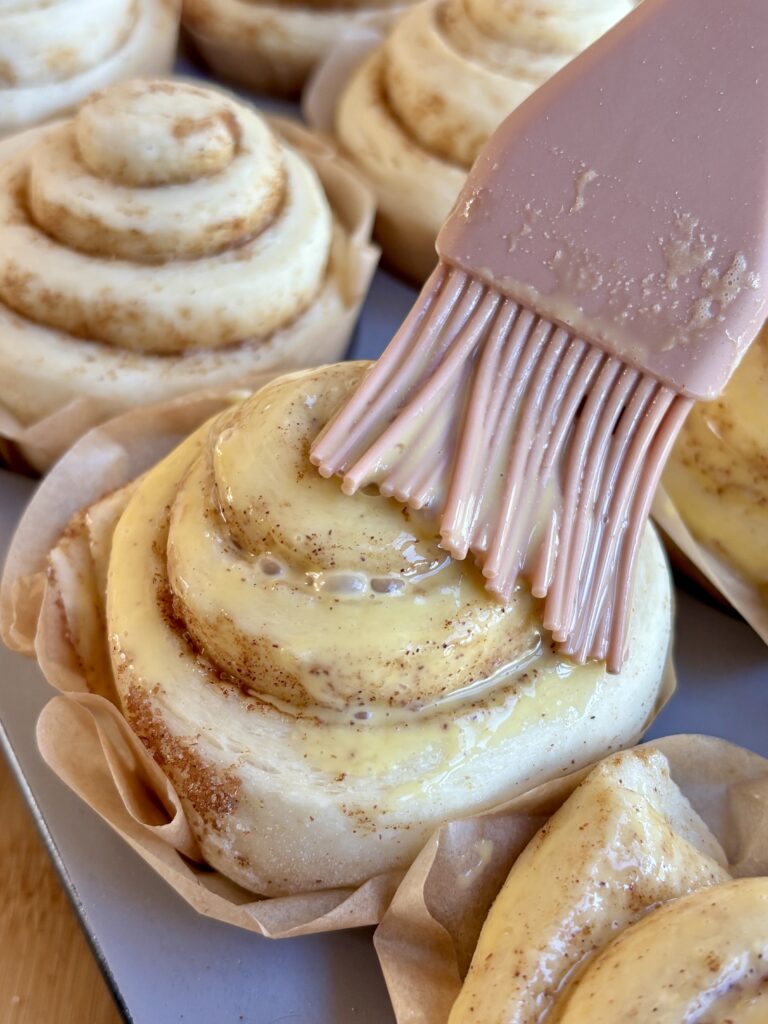
- Whisk together egg and heavy cream for the egg wash. Brush the tops of the cruffins gently.
- Bake at 425°F for 8 minutes.
- Reduce oven temperature to 375°F and continue baking for 18–20 minutes until deeply golden brown.
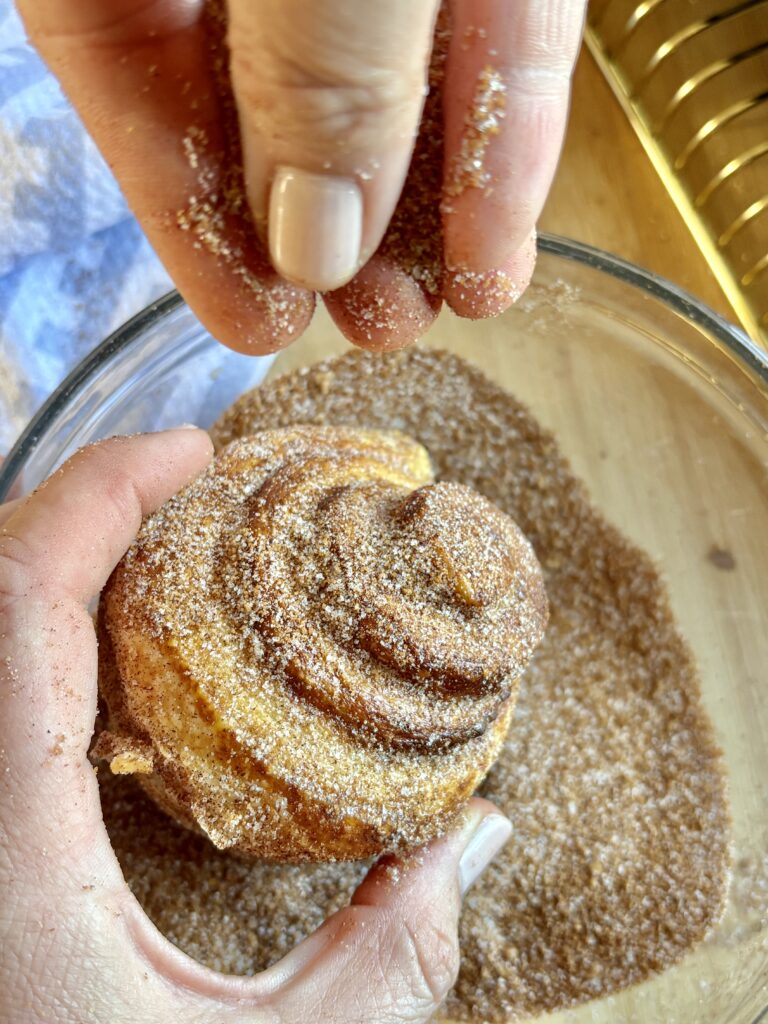
- Allow cruffins to cool slightly until comfortable to handle and then roll the warm chugging in the remaining cinnamon sugar mixture.
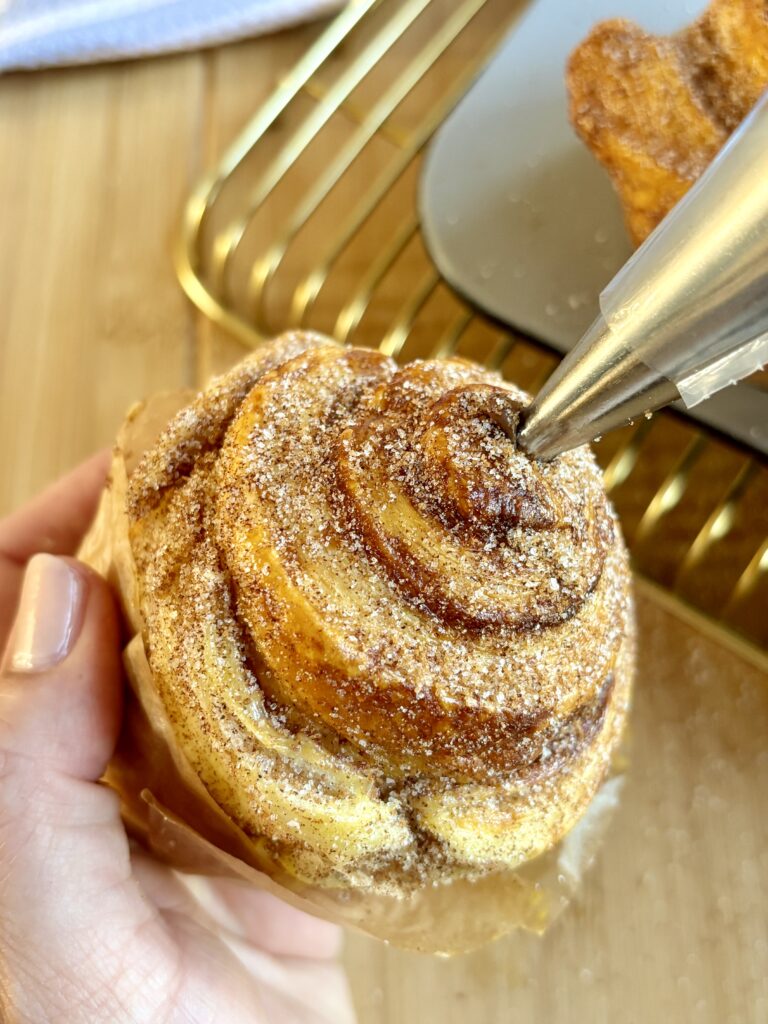
- If desired, fill with Nutella using a piping bag after cooling slightly.
- Cool about 10 minutes before serving.
cinnamon sugar cruffins | homemade cruffins recipe | Nutella cruffins | laminated dough recipe | croissant muffin recipe | flaky cruffins | bakery style cruffins | cinnamon sugar pastry | homemade croissant dough | cruffin tutorial | croissant lamination guide | flaky breakfast pastry | cinnamon croissant muffins | laminated pastry dough | homemade pastries

Could this be converted into grams rather than cups?
Hello! Currently I don’t have the recipe in grams, but you are free to convert it if needed. I hope to have the conversions available in the future. – Jenn