
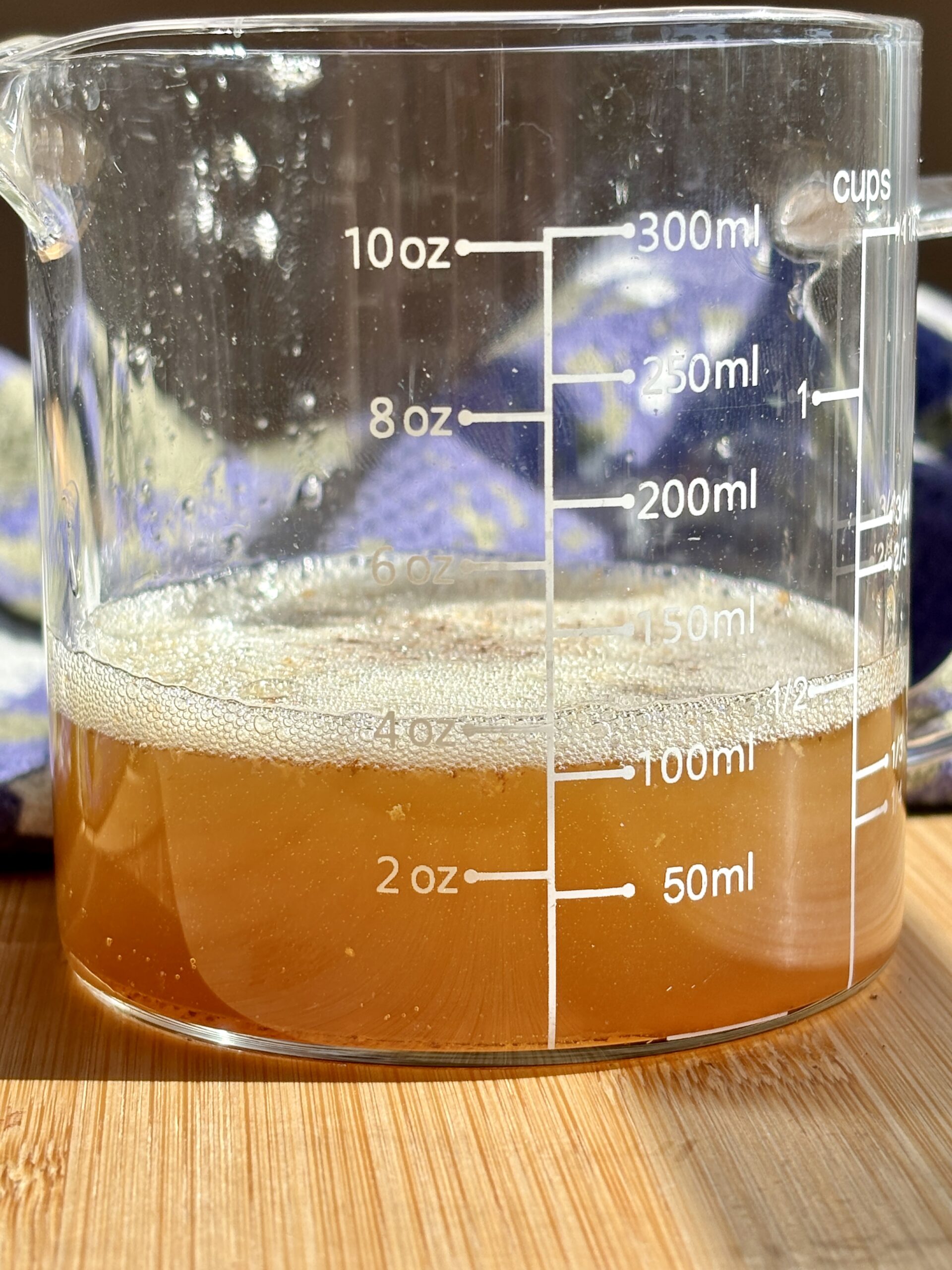
Brown butter is one of my favorite ways to take a recipe from good to fantastic! It takes one simple ingredient, regular butter, and turns it into something nutty, rich, toasted, and incredibly flavorful.
But if you’ve never browned butter before, it can be a little nerve wracking. The butter starts foaming, the milk solids sink to the bottom, everything starts changing color, and suddenly you’re wondering, Is this brown? Is it burned? Should I take it off the heat?! WHAT DO I DO NEXT?
I’ve been there (and often when I was first learning)!
However, once you know what to look for, browning butter is actually really simple and easy. The trick is paying close attention to the color, smell, and sound rather than relying only on a timer.
In this guide, I will walk you through the in’s and out’s of how to brown butter, what those little brown flecks are, how to tell when it’s perfectly browned, how to know if you’ve gone too far, and all the ways you can use it in baking and cooking.
Ultimately, brown butter sounds fancy, but it’s really just butter that’s been given a little extra love and time on the stove. Transforming it into something unbelievable, true liquid gold. Once you start browning butter, regular melted butter in your recipes is going to feel just a little bit boring.
What Is Brown Butter?
Brown butter is simply butter that has been gently cooked until the water evaporates and the milk solids toast and turn golden brown.
Regular butter is made up primarily of butterfat, water, and milk solids. When you heat it, the water begins to evaporate. Once enough of the water has cooked off, the milk solids begin to toast and caramelize, creating the gorgeous golden-brown color and rich, nutty flavor that brown butter is known for.
That’s it. No special ingredients required and not a major time commitment. The transformation of the butter is small, but the flavor difference is huge.
What Does Brown Butter Taste Like?
Brown butter has a completely different flavor from regular melted butter.
It’s nutty, toasted, rich, buttery, slightly caramel-like, deep and complex, warm and almost hazelnut-like in flavor. Yet it doesn’t actually contain nuts, but the toasted milk solids give it a naturally nutty flavor. All of that is why brown butter can make such a difference in baked goods. You’re not just adding butter, you’re adding a whole other layer of flavor.
What Are the Brown Flecks in Brown Butter?
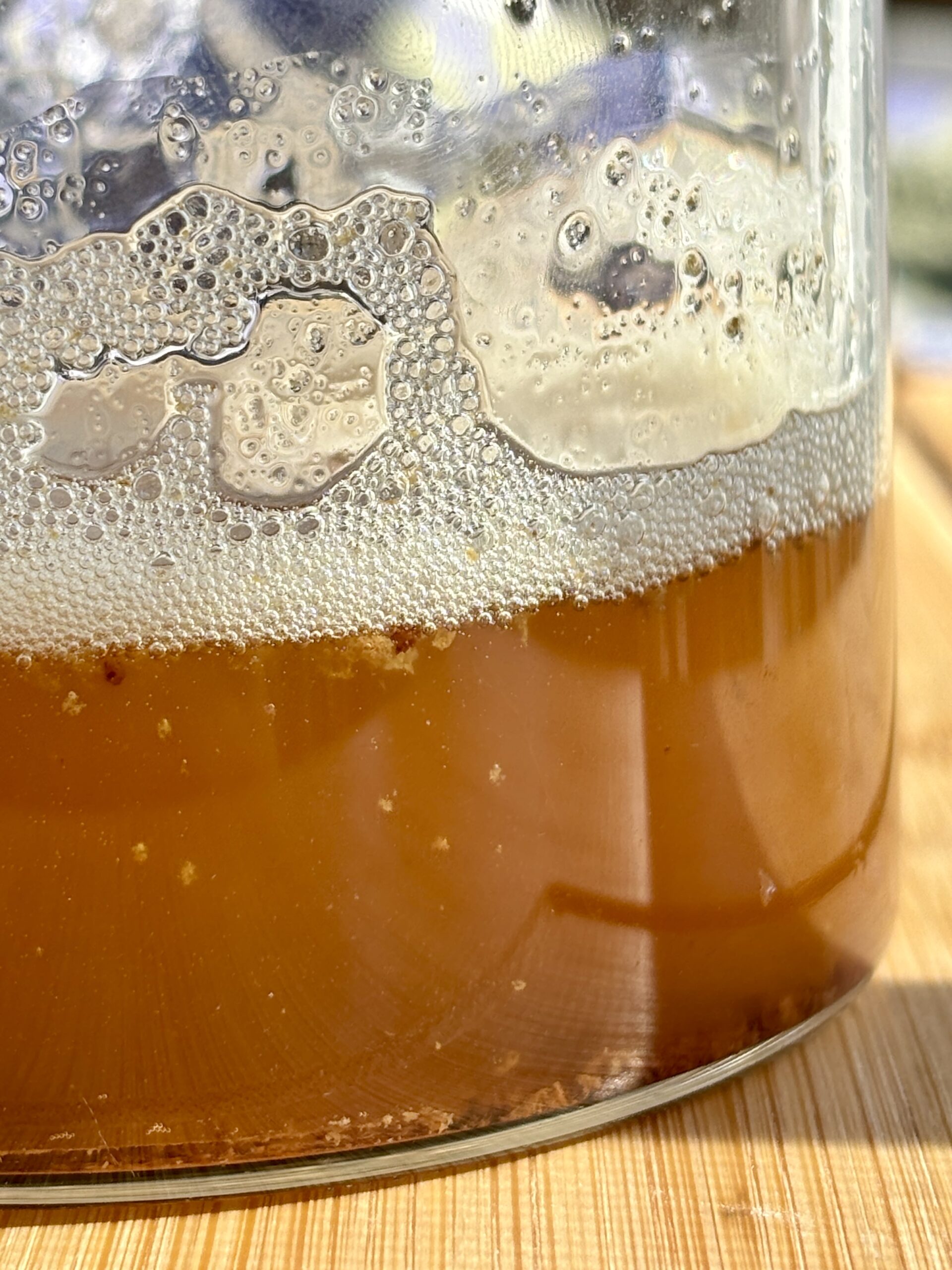
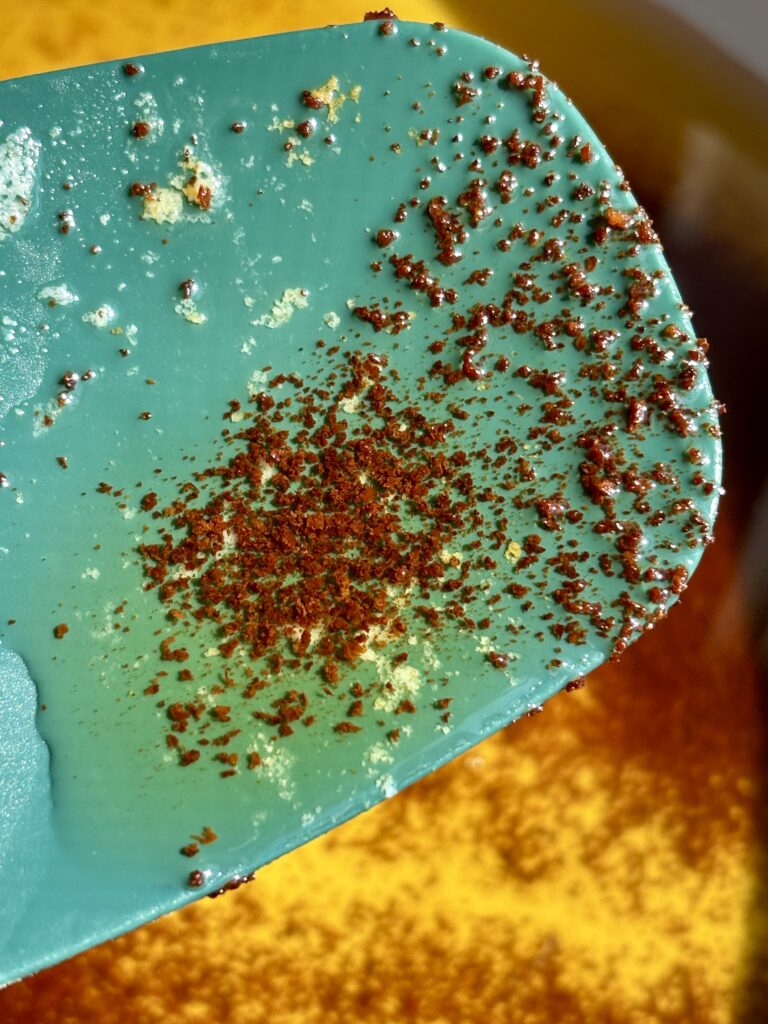
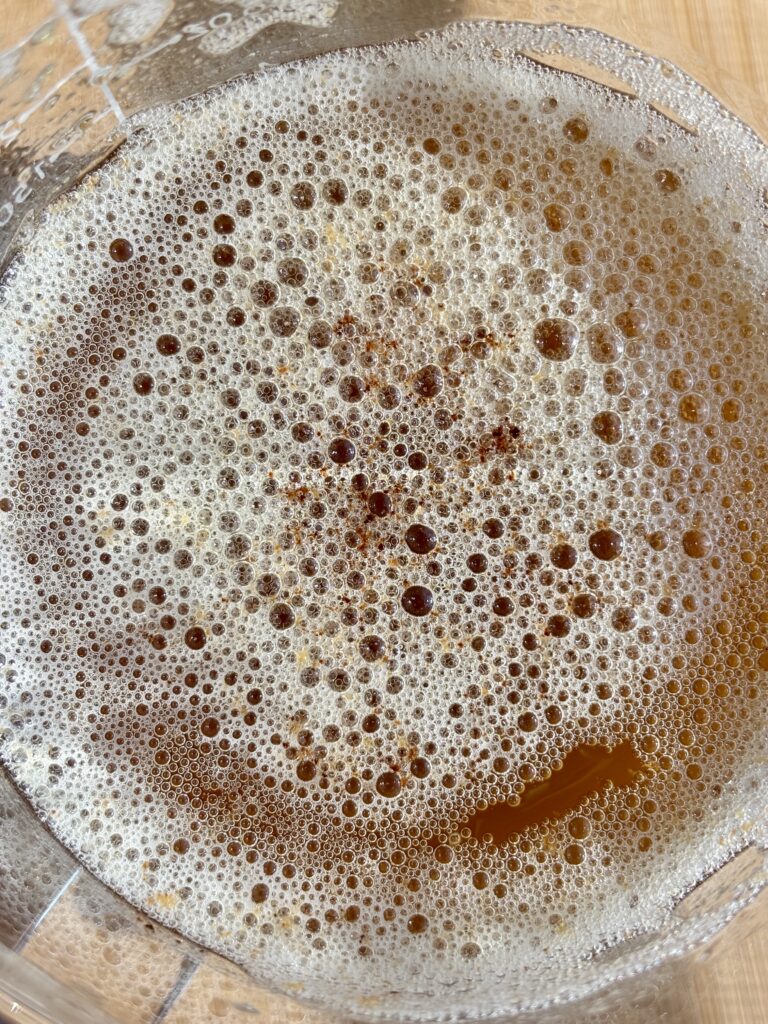
Those little golden-brown flecks at the bottom of your pan are the milk solids that have been toasted. Do not confuse them with burnt bits. What a travesty that would be! Do not strain them or throw them out. Those toasted milk solids are where so much flavor comes from!
As the butter cooks, the water evaporates and the milk solids separate from the butterfat. They eventually sink to the bottom of the pan and begin to toast. You’ll see them change from pale to golden to a deeper amber brown. That’s exactly what you’re looking for.
Those little brown flecks are the good stuff!
Salted vs. Unsalted Butter for Brown Butter
You can brown both salted and unsalted butter. The browning process itself works with either one, but I generally prefer unsalted butter for baking because it gives you more control over the amount of salt in the finished recipe.
Salted butter just contains added salt, which remains behind as the butter cooks. The salt itself doesn’t brown the way the milk solids do.
Can I Brown Salted Butter?
Yes! If salted butter is what you have, you can absolutely brown it. Just keep in mind that the finished brown butter will contain the salt from the butter, so you may want to adjust the salt elsewhere in your recipe.
For recipes where the amount of salt matters, unsalted butter is the more predictable choice.
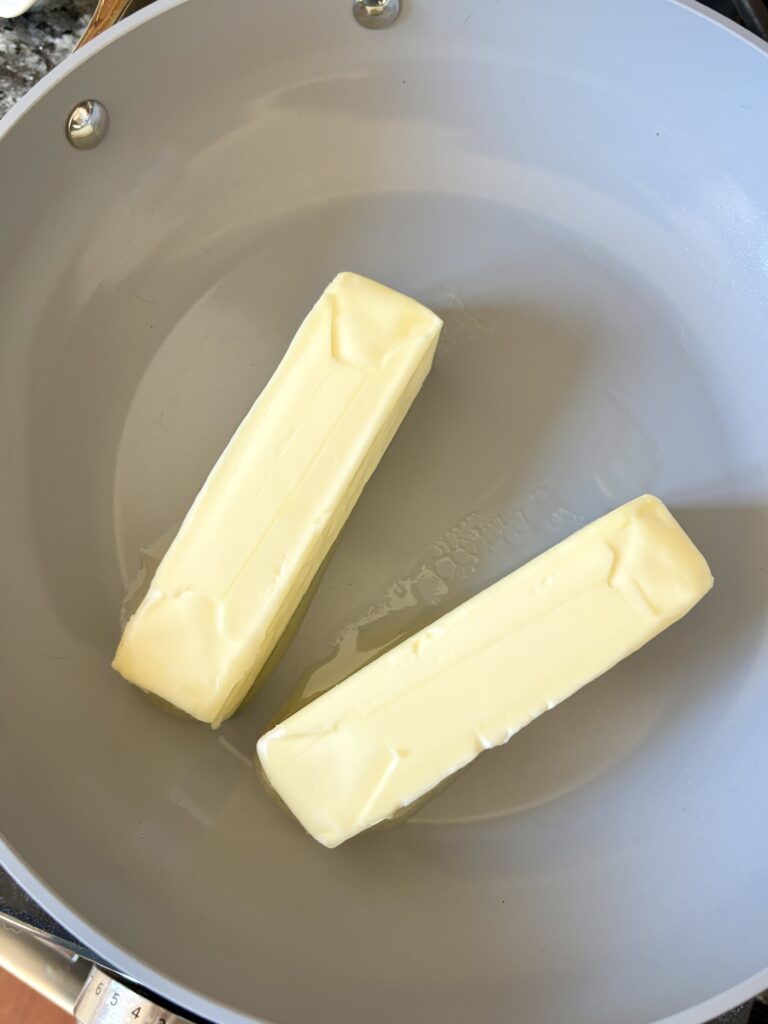
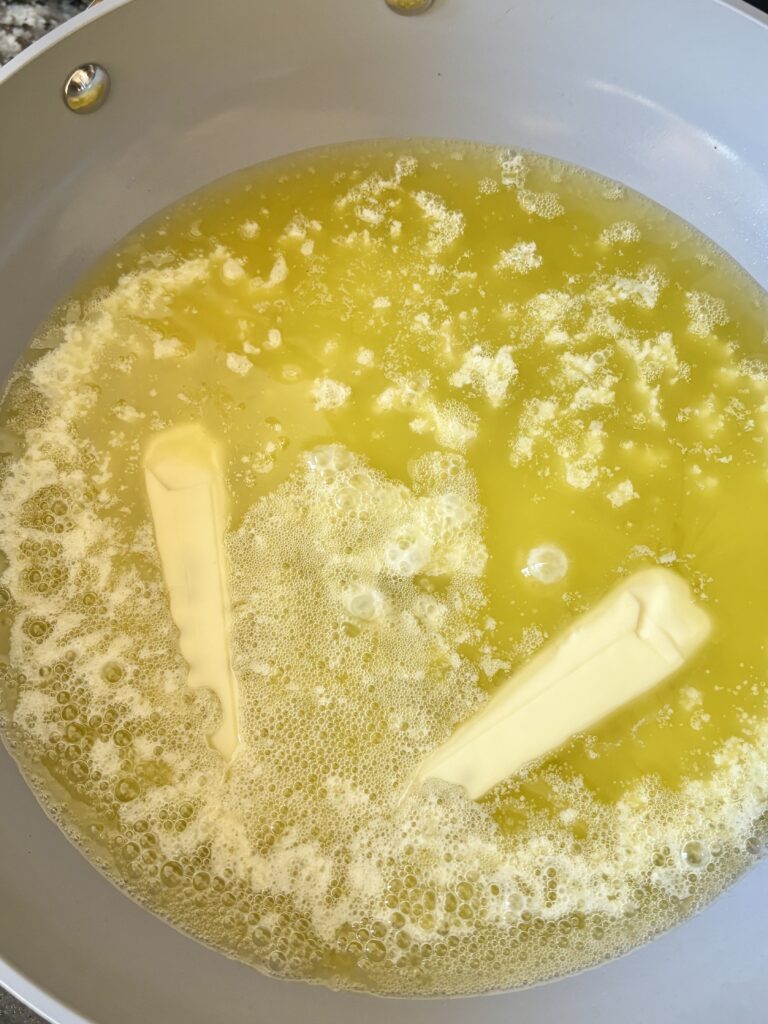
How to Brown Butter Step-by-Step
Step 1: Add the butter to a light-colored pan.
Add e butter to a light-colored skillet or saucepan. You can cut it into smaller pieces, if you want. It can help the butter melt evenly. However, I often just throw the whole stick in. One less thing is always good a good idea to me!
Step 2: Melt the butter over medium heat.
Let the butter melt completely, stirring or swirling the pan occasionally.
Step 3: Foaming begins.
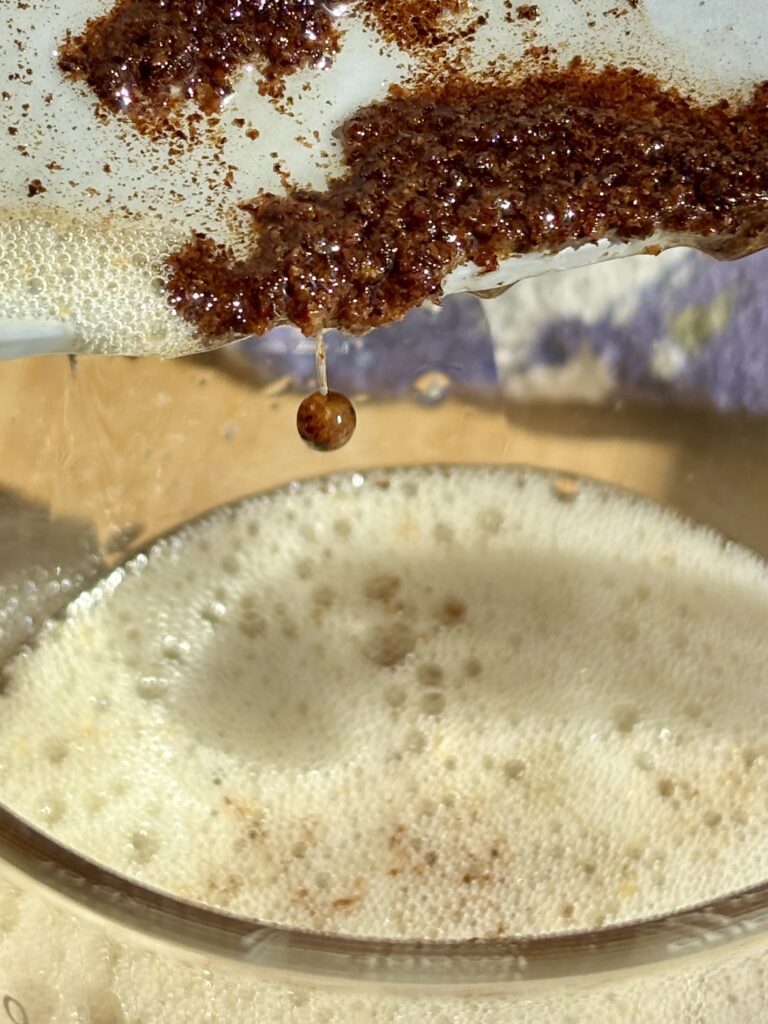
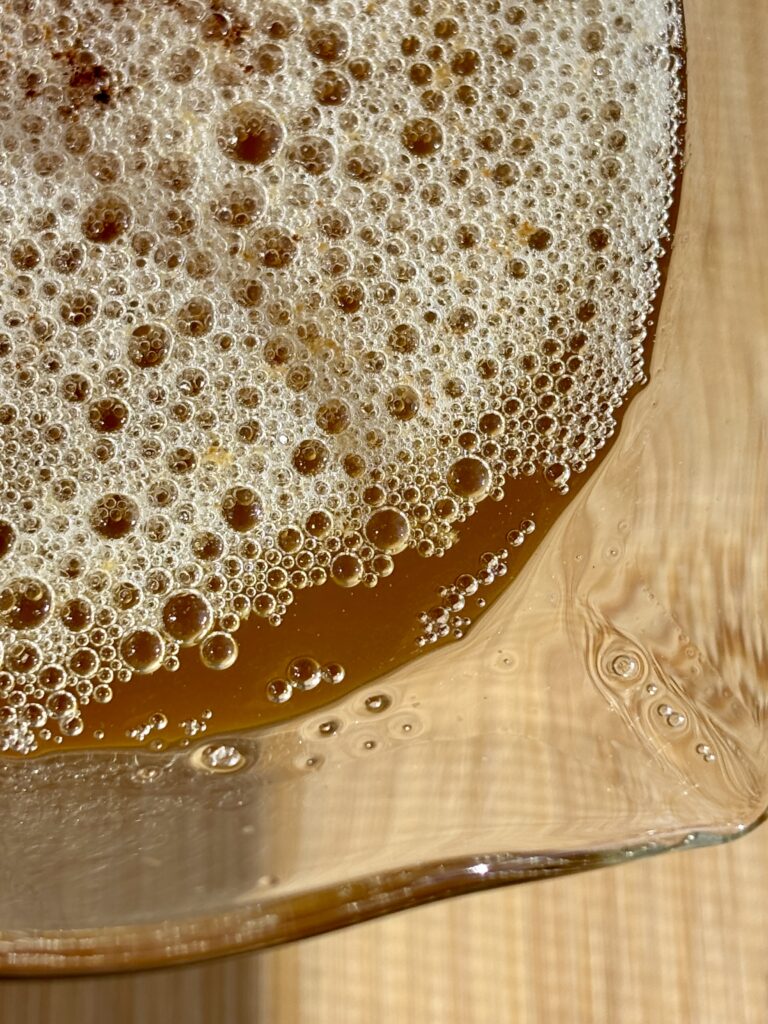
Once the butter melts, it will begin to foam and bubble as the water cooks out.
Keep stirring or swirling the pan regularly while this happens.
Step 4: Watch the milk solids start turning.
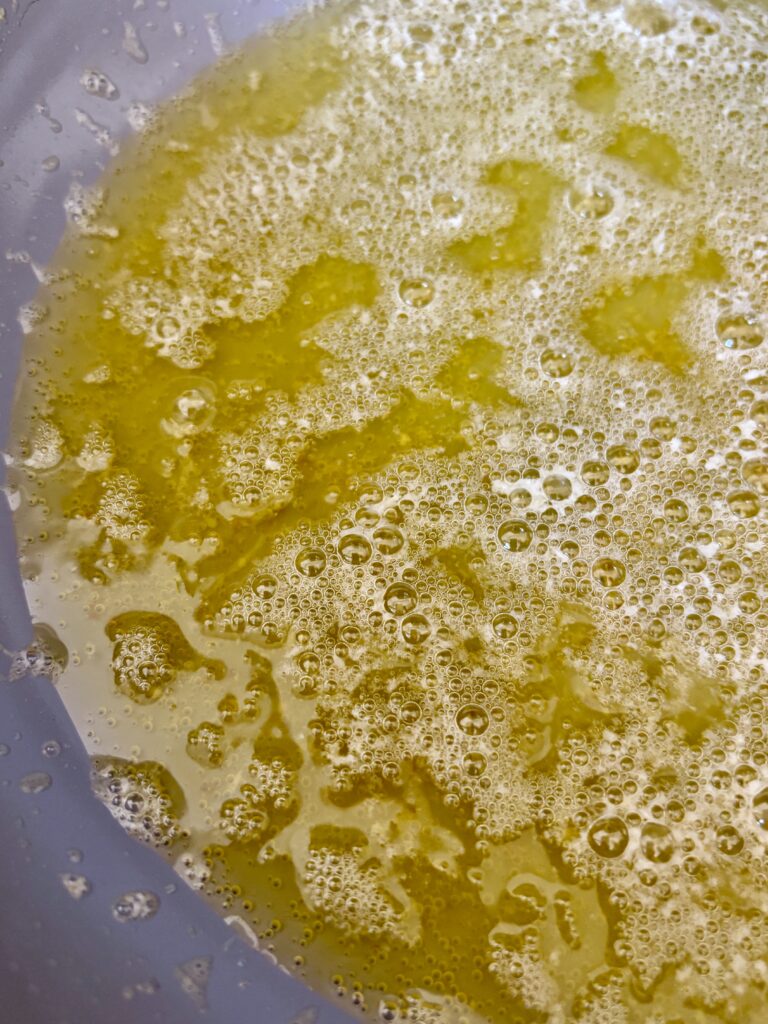
Once the butter has cooked for a few minutes, you’ll begin to see little flecks collecting on the bottom of the pan.
Keep stirring and watch the color closely.
Step 5: Look for golden brown.
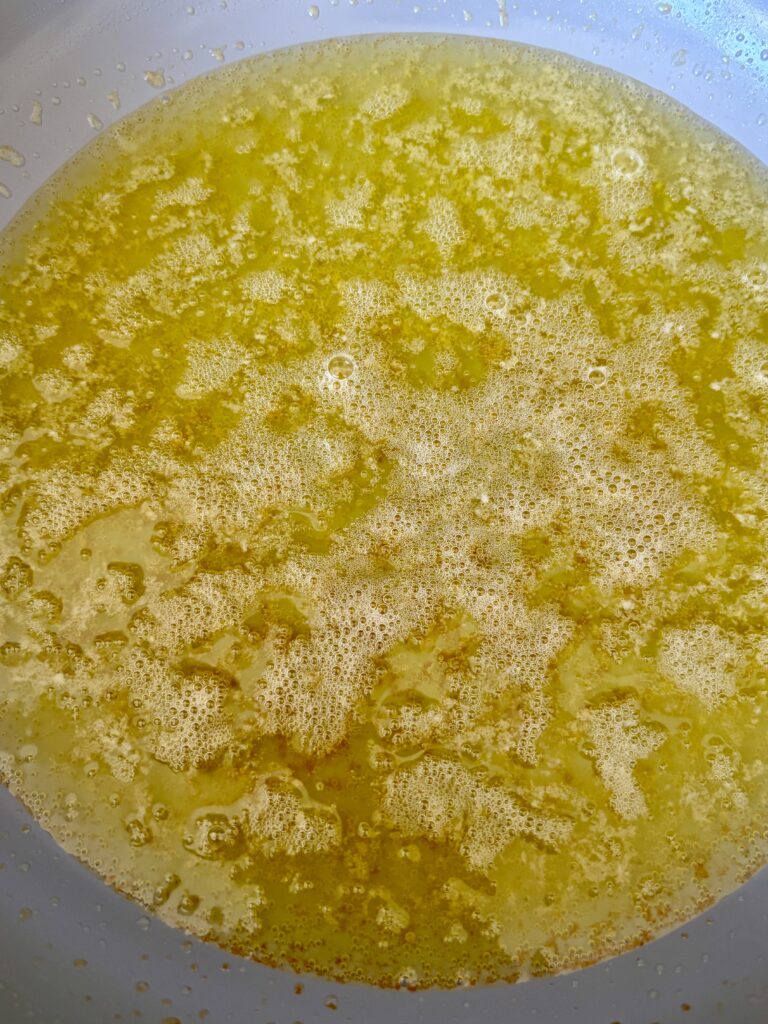
The milk solids will gradually turn golden brown and then a deeper amber color. The butter should also smell nutty and toasted.
Step 6: Immediately take it off the heat.
As soon as the butter reaches the color and aroma you want, remove the pan from the heat.
Remember: the butter will continue cooking in the hot pan.
Step 7: Transfer it immediately.
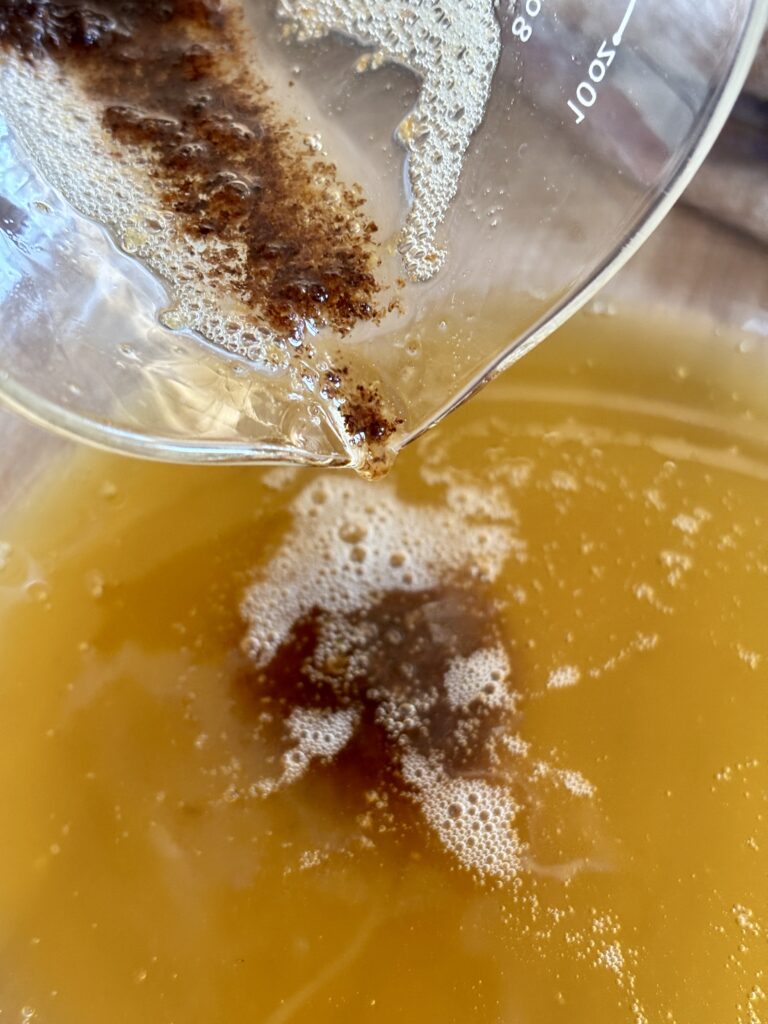
Pour the brown butter into a heatproof bowl or container, making sure to scrape all of those delicious brown milk solids from the bottom of the pan into the butter.
Let it cool according to your recipe.
How Do I Know When Brown Butter Is Ready?
This is the part that seems intimidating, but there are a few very easy visual and sensory cues to watch for.
- The butter melts: Start with your butter in a light-colored skillet or saucepan over medium heat. A light-colored pan makes it much easier to see the milk solids changing color.
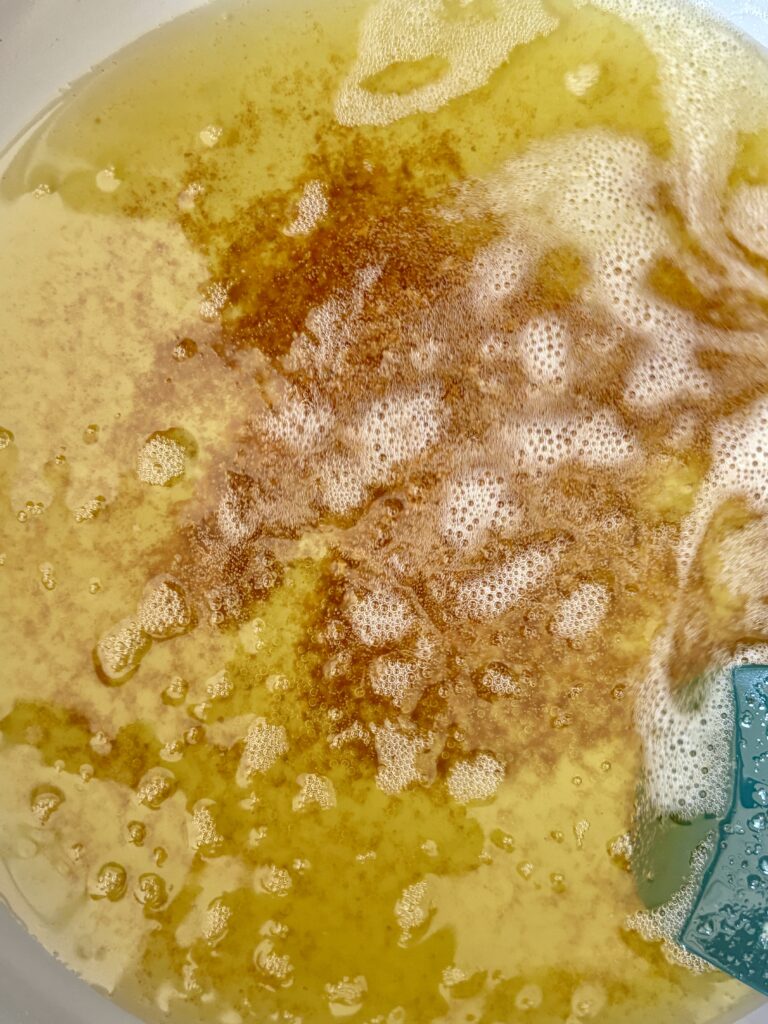
- The butter begins to foam: As the butter heats, the water starts evaporating. The butter will become very foamy, and you may have trouble seeing the bottom of the pan.Keep stirring or swirling the pan regularly.
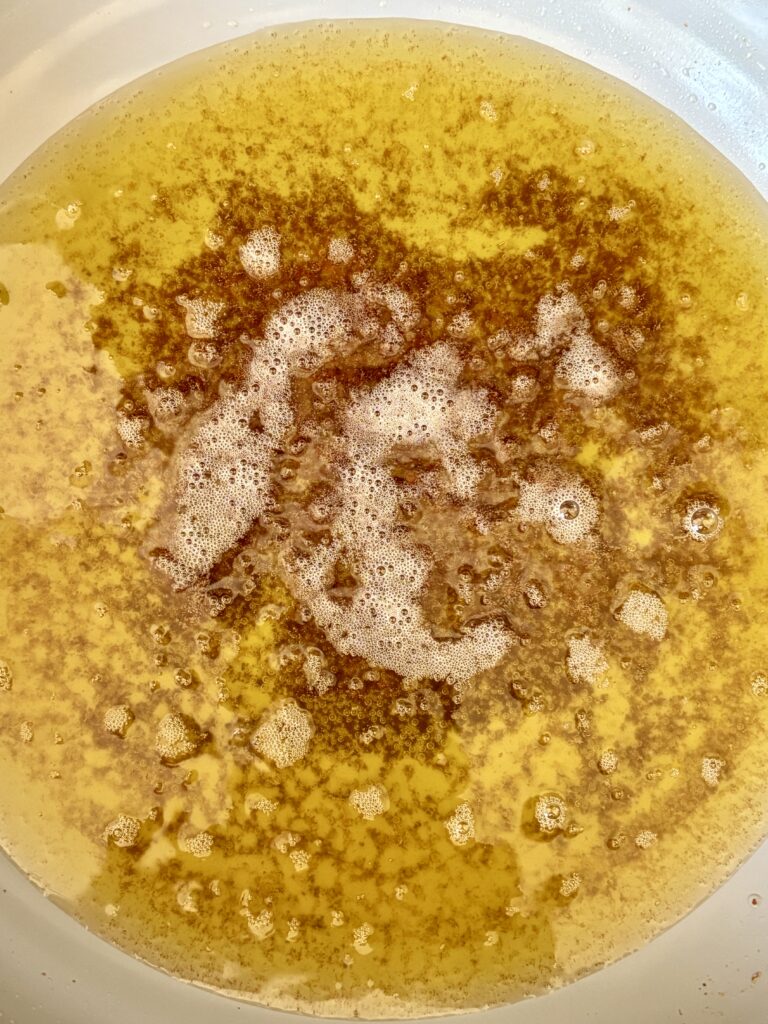
- That foam begins to settle: As more of the water cooks out, the bubbling and foaming will start to change. You’ll begin to see the milk solids collecting on the bottom of the pan.
- The milk solids start turning golden brown:This is when you really need to pay attention. The little flecks will go from pale to golden yellow, then golden brown. Keep stirring or swirling so they toast evenly.
- It smells wonderfully nutty: Your nose is one of your best tools here. Once the butter smells noticeably nutty, toasted, and rich, you’re very close.
- Remove it from the heat when the butter is amber brown: When the milk solids are a beautiful golden-amber to medium brown and the butter smells nutty, take it off the heat. Don’t wait for it to become very dark in the pan. Brown butter continues cooking from residual heat after you remove it from the burner. Pour it into a heatproof bowl or container right away to stop the cooking.
Pro Tips
- Use a light-colored pan! This is probably my biggest tip. It makes it SO much easier to see the milk solids changing color.
- Don’t walk away from the pan. Brown butter can go from perfectly golden to burned surprisingly quickly toward the end.
- Keep stirring or swirling during the process. This helps the milk solids brown evenly and keeps them from sitting in one hot spot on the bottom of the pan.
- Use and trust your nose. When brown butter is ready, you’ll know it. The aroma changes from plain buttery to warm, nutty, and toasted.
- Watch the color of the butter, not the clock. The exact cooking time can vary depending many things, like your pan, burner, butter, or the amount of butter you’re browning.
- Take it off the heat before you think it’s completely done. The residual heat from the pan will continue cooking the milk solids.
- Transfer it immediately to a different bowl. If you’re happy with the color, don’t leave the butter sitting in the hot pan. Pour it into a heatproof bowl or container.
- Don’t leave the brown bits behind. Scrape all those beautiful bits off the bottom of the pan! Those toasted milk solids are where so much of the flavor lives.
How Do I Know If My Brown Butter Is Burned?
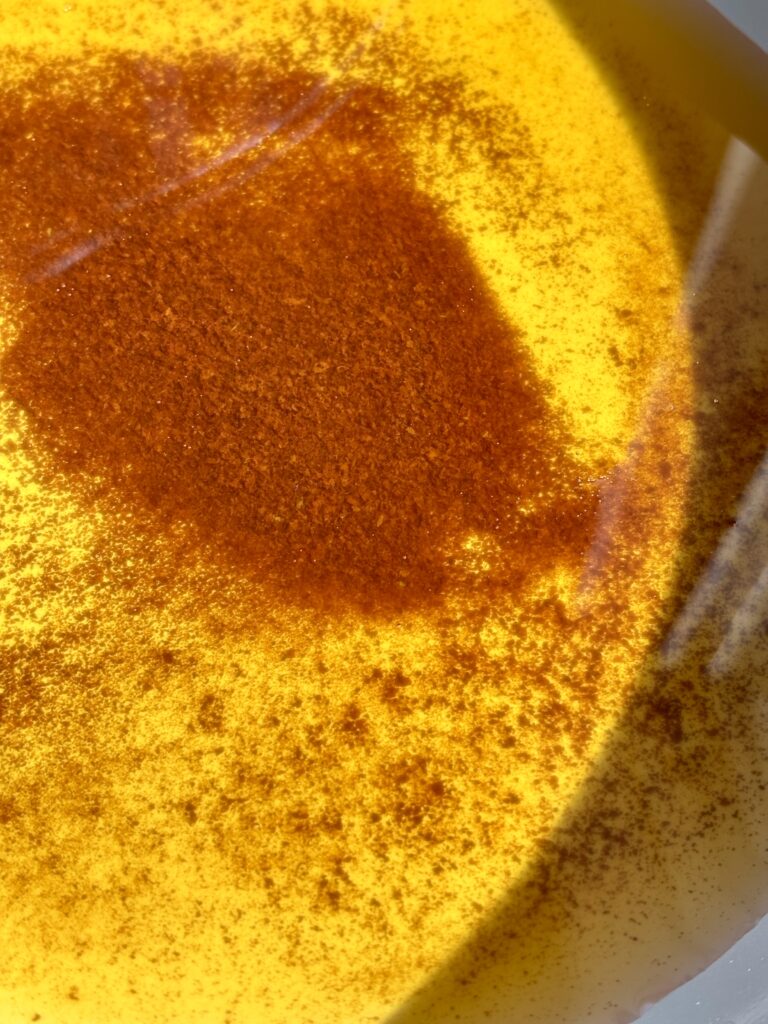
Burned butter and brown butter are not the same thing. Brown butter should smell nutty, toasted, and rich. But burned butter will smell acrid, bitter, smoky, or unpleasant.
The milk solids should be golden brown to amber, not black. If you see blackened milk solids and the butter smells smoky or bitter, you’ve gone too far. Unfortunately, there’s no real way to rescue burned brown butter. Your best bet is to start over with fresh butter so you don’t ruin the recipe you are working on.
A little dark is okay though.
Don’t panic if your milk solids get quite dark brown. Brown butter can range from a light golden brown to a deeper amber depending on how far you take it.
The important distinction is brown and nutty vs. black and bitter.
If you’re new to browning butter, I recommend stopping a little earlier rather than pushing it too far. You can always brown your next batch a little more.
Common Brown Butter Mistakes
- Using a dark pan: You can absolutely brown butter in a dark pan, but it makes it much harder to judge the color of the milk solids.
- Turning the heat too high: Higher heat isn’t necessary. Medium heat gives you more control and reduces the chance of scorching the milk solids.
- Walking away: Brown butter needs your attention, especially during the final few minutes.
- Waiting until it’s very dark: You don’t need nearly-black milk solids for good brown butter. If it smells burnt or smoky, you’ve gone too far.
- Straining the brown bits out: Don’t do it! Those brown flecks are toasted milk solids and they’re one of the best parts of brown butter.
- Leaving it in the hot pan: Once your butter is perfectly browned, transfer it out of the pan immediately. The hot pan can continue cooking the milk solids.
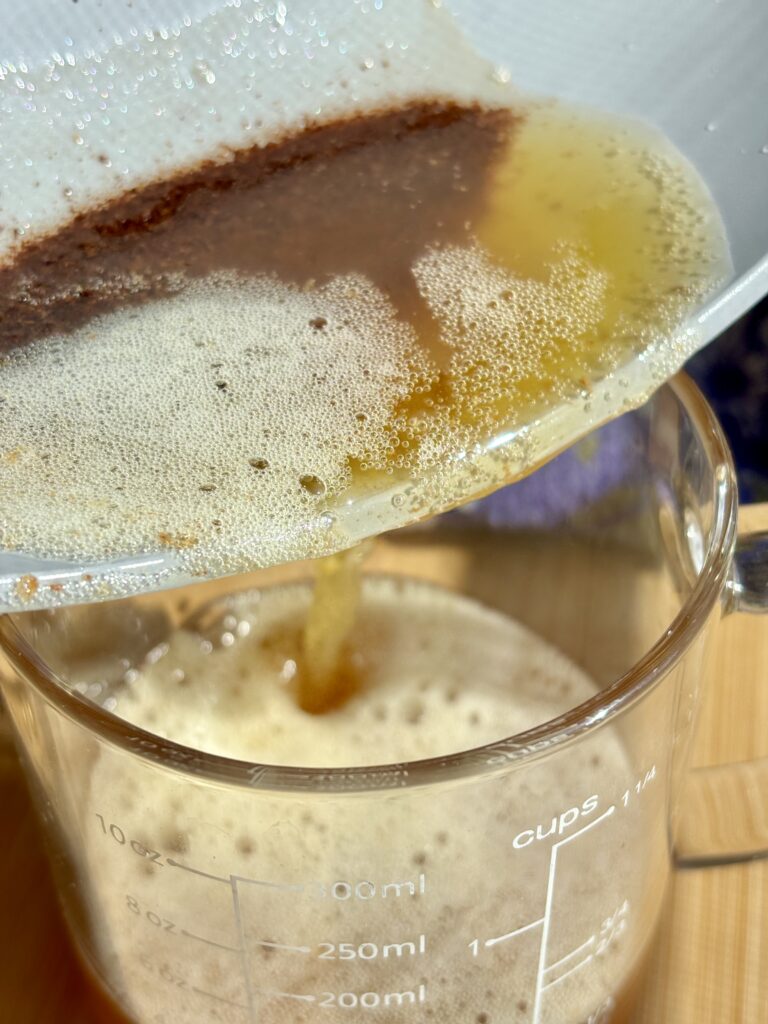
How to Brown Butter and Use It Softened in Baking
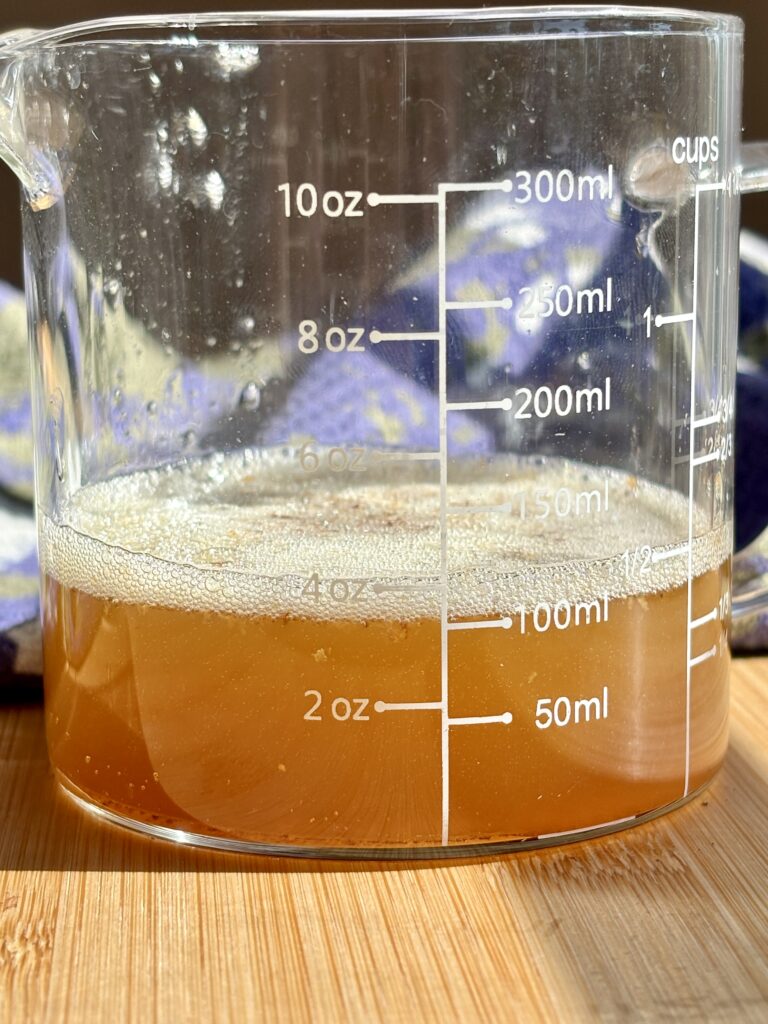
This is one of my favorite brown butter tricks. Some recipes call for softened butter, but you can still brown the butter first and use it in that recipe.
The key is remembering that browning butter removes some of its water.
Here’s how I do it:
- Brown the butter as directed above.
- Pour the hot brown butter into a heatproof bowl, making sure to scrape in all the toasted milk solids.
- Let it cool until it is no longer hot.
- Chill the brown butter until it becomes solid again.
- Let it sit at room temperature until softened.
- Use it as you would softened butter in your recipe.
Do I need to add water back to brown butter?
Possibly. If you’re replacing softened butter by weight, the water lost during browning can matter, particularly in recipes where the butter’s water content is important to the structure.
For the most consistent results, weigh your butter before browning and weigh the finished brown butter afterward. If your recipe was developed specifically with browned butter, follow its instructions.
If you’re taking a recipe that was originally written for regular softened butter and simply deciding to brown the butter, I recommend testing the recipe rather than assuming a straight one-to-one substitution will behave exactly the same.
Remember: Brown butter changes both the flavor and the moisture content of the butter. Therefore I would stick to the recipe instructions if you are new to baking.
Can I Freeze Brown Butter?
Heck yes!
Brown butter freezes really well, which makes it easy to have some ready whenever a recipe calls for it. Just let the brown butter cool completely, then transfer it to an airtight freezer-safe container or wrap it tightly. For the best flavor and quality, I recommend using the frozen brown butter within 3 months.
- You can also freeze it in smaller portions so you don’t have to thaw an entire batch for a recipe.
- Thaw it in the refrigerator, then bring it to room temperature if your recipe calls for softened butter.
How to Use Brown Butter
Honestly, the possibilities are endless! Once you start browning butter, you’ll probably find yourself wanting to put it in everything.
Brown butter is especially delicious in:
- Cookies
- Brownies
- Cakes
- Cupcakes
- Muffins
- Coffee cakes
- Banana bread
- Blondies
- Rice Krispie treats
- Frosting and buttercream
- Pancakes and waffles
- French toast
- Pasta
- Mashed potatoes
- Risotto
- Roasted vegetables
- Sauces
- Compound butter
It’s particularly good with flavors that naturally complement its nutty, toasted flavor, including chocolate, vanilla, cinnamon, maple, caramel, apples, pears, pumpkin, pecans, walnuts, and warm spices. This is why you will likely see brown butter in recipes a lot come Fall.
Here are some of my personal favorite recipes using brown butter: Brown Butter Banana Bread, Maple Roasted Squash with Brown Butter Mushroom Farro
But, I Still Have A Few Questions…
Can I brown butter in any pan?
Yes, but a light-colored stainless steel pan or skillet is ideal because you can easily see the milk solids changing color. Avoid relying on a dark nonstick pan when you’re learning because it can be difficult to judge the exact shade of brown.
How long does it take to brown butter?
The timing depends on how much butter you’re browning, the pan you’re using, and the heat level. Rather than relying on an exact number of minutes, watch for the butter to foam, the milk solids to turn golden brown, and the aroma to become nutty and toasted.
Why does butter foam when I brown it?
Butter contains water. As the butter heats, that water turns to steam and creates the foaming and bubbling you see in the pan. The butter will foam throughout the browning process. As the water evaporates, the bubbling will change and eventually become less vigorous, but don’t wait for all of the foam to disappear. Brown butter can be ready while there is still foam on the surface. Instead, focus on the color of the milk solids, the nutty aroma, and the sound of the bubbling.
Why are there brown specks in my butter?
Those brown specks are toasted milk solids. They’re completely normal and are actually the most flavorful part of brown butter. They are exactly what you are looking for!
Should I strain the brown butter?
Usually, no. If you’re making brown butter specifically for its flavor, you generally want those toasted milk solids mixed into the butter.
Can I brown butter without stirring it?
You can, but stirring or swirling helps the milk solids brown more evenly and makes it easier to monitor the process. I recommend stirring frequently once the butter begins to foam.
Why does my brown butter look separated?
That’s normal. As butter cooks, its water evaporates and the milk solids separate from the butterfat. This is part of the browning process.
Why isn’t my butter turning brown?
Make sure you’re giving the water time to evaporate. The butter will go through several stages before the milk solids begin browning. If you’re cooking a very large amount of butter, it can also take longer.
Can I brown butter on high heat?
You can, but I don’t recommend it. Medium heat gives you much more control and makes it easier to brown the milk solids without burning them.
Can I use salted butter to make brown butter?
Yes. Salted butter browns just like unsalted butter. The main difference is that the finished brown butter will contain the salt from the butter, so you may want to adjust the salt in your recipe.
Does brown butter weigh less than regular butter?
Yes. Some of the water in butter evaporates during the browning process, so the finished brown butter will weigh less than the butter you started with.
Can I substitute brown butter for regular butter?
Sometimes, but it depends on the recipe. Browning butter changes both its flavor and water content, so recipes developed specifically for brown butter may behave differently from recipes written for regular butter.
Can I use brown butter while it’s still liquid?
Absolutely. Brown butter can be used warm or liquid in recipes that call for melted butter. Just be mindful of the temperature if you’re adding it to ingredients like eggs or chocolate.
How do I make softened brown butter?
Brown the butter first, then let it cool and chill it until solid. Once solid, let it sit at room temperature until it reaches the softened consistency your recipe calls for.
How long does brown butter last in the refrigerator?
Store cooled brown butter in an airtight container in the refrigerator for up to about 1 week for the best quality.
Can I freeze brown butter?
Yes! Store it tightly wrapped or in an airtight freezer-safe container and use it within about 3 months for the best quality.
How do I thaw frozen brown butter?
Thaw it in the refrigerator overnight, or let it soften at room temperature if you need softened brown butter for baking.
Why does my brown butter taste bitter?
The most likely reason is that the milk solids were cooked too far. Brown butter should taste nutty and toasted. If it smells smoky or tastes distinctly bitter, it is likely burned.
Can I save burned brown butter?
Unfortunately, no. If the milk solids are black and the butter smells smoky or bitter, it’s best to start over. Burned butter will bring that bitter flavor into whatever you’re making.
What if my brown butter is darker than the recipe photo?
That’s not necessarily a problem. Brown butter can range from golden to a deeper amber color. Focus on the aroma and the color of the milk solids rather than trying to match a photo exactly.
Why did my brown butter turn solid?
That’s completely normal. Once brown butter cools, the butterfat solidifies again. You can refrigerate it until firm and then bring it back to room temperature when a recipe calls for softened butter.
Can I brown butter ahead of time?
Yes! Brown butter is an excellent make-ahead ingredient. Cool it completely, refrigerate it in an airtight container, and bring it back to the consistency you need when you’re ready to bake.
Can I brown butter for cookies ahead of time?
Absolutely. In fact, I often prefer to brown it ahead of time so it has plenty of time to cool before I start making cookie dough. Just make sure it is cooled to the temperature and consistency called for in your recipe.
What is the best butter for browning?
Regular unsalted butter works beautifully. Higher-fat butter can also be browned, but the exact amount of water and milk solids varies between butter brands, so the finished amount of brown butter can vary.
Other Recipes You’ll Love
Let’s engage!
Make sure to tag @thehomechefmomma on Instagram or Facebook, and leave a review or comment if you make these. I always get so excited to see your creations, variations of the recipe, and feedback! Just remember to be kind in your comments, there is still a person behind this screen! 🙂
brown butter | how to brown butter | how to make brown butter | browned butter | brown butter recipe | how to brown butter perfectly | brown butter tips | browned butter recipe | brown butter baking | how to tell when brown butter is done | how to tell if brown butter is burned | brown butter milk solids | can you freeze brown butter | salted vs unsalted brown butter | brown butter for baking | softened brown butter | how to use brown butter | how to store brown butter | step by step browning butter

Nutritional Content Disclaimer
I choose not to include nutritional information with my recipes, as these values can be calculated from the ingredients provided. With my background as a pediatric nurse practitioner and my own family experience with disordered eating, I understand how focusing on numbers can affect our relationship with food. My philosophy is that all foods have a place—sweet, savory, nourishing, or indulgent. I aim to share recipes that support a healthy, joyful approach to eating. My hope is that this space also encourages a balanced, healthy relationship with food for you and your family too.