
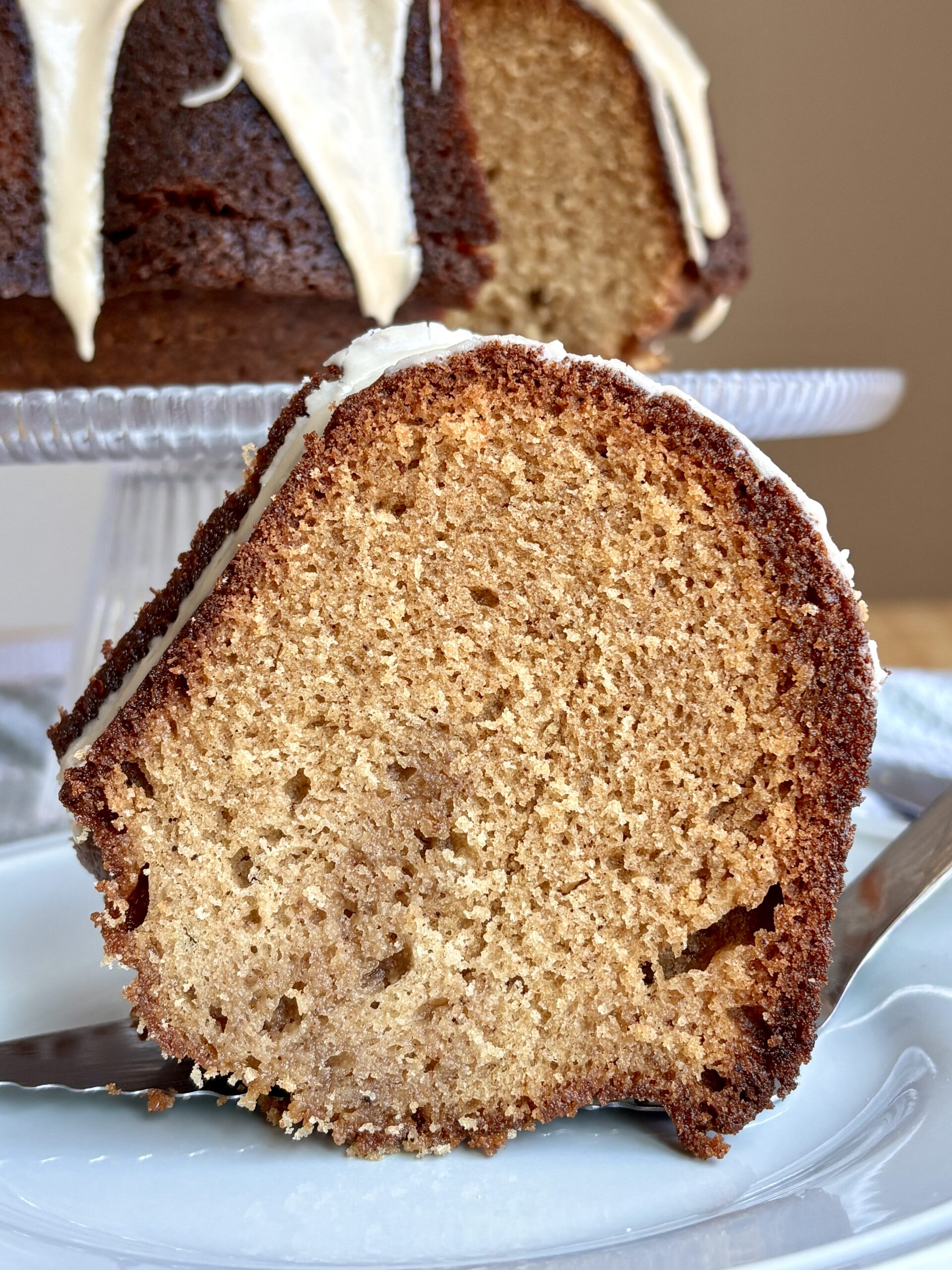
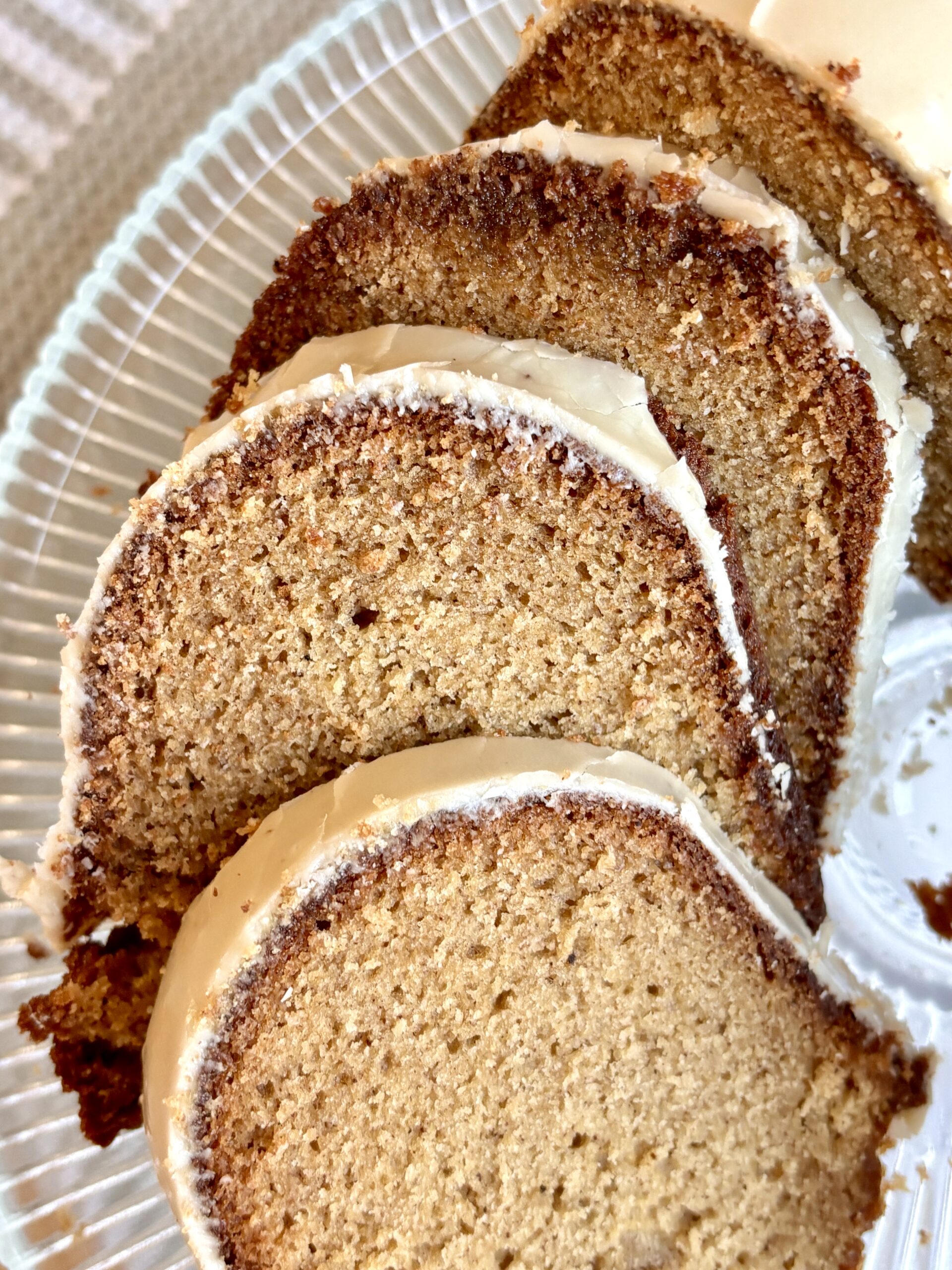
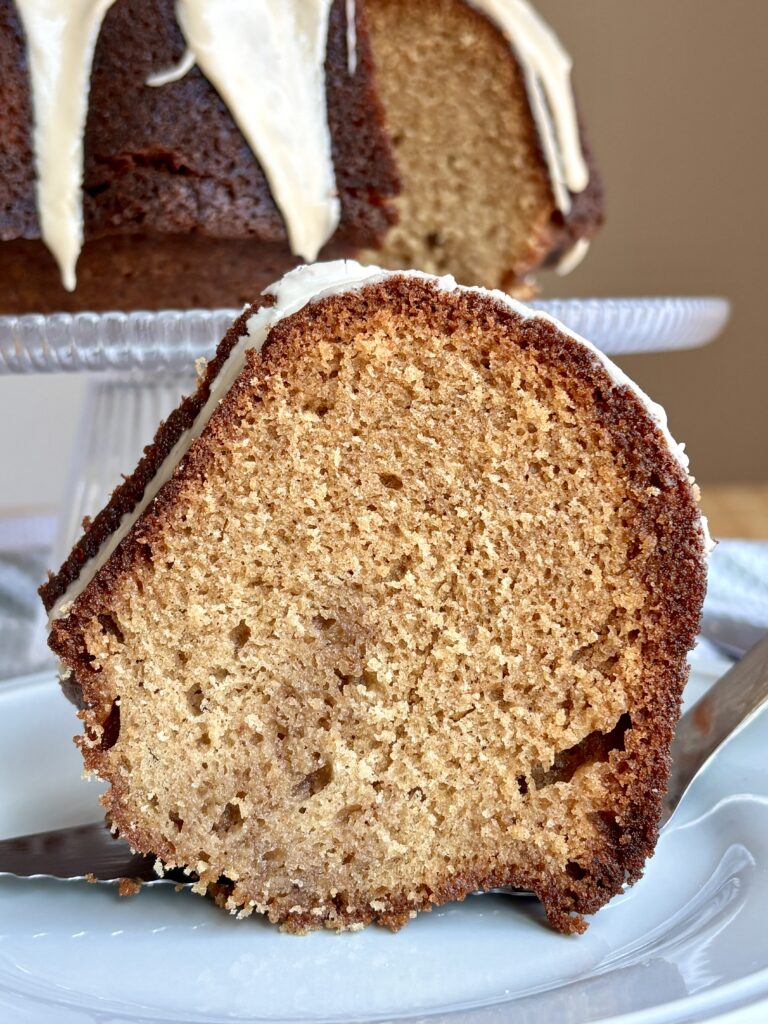
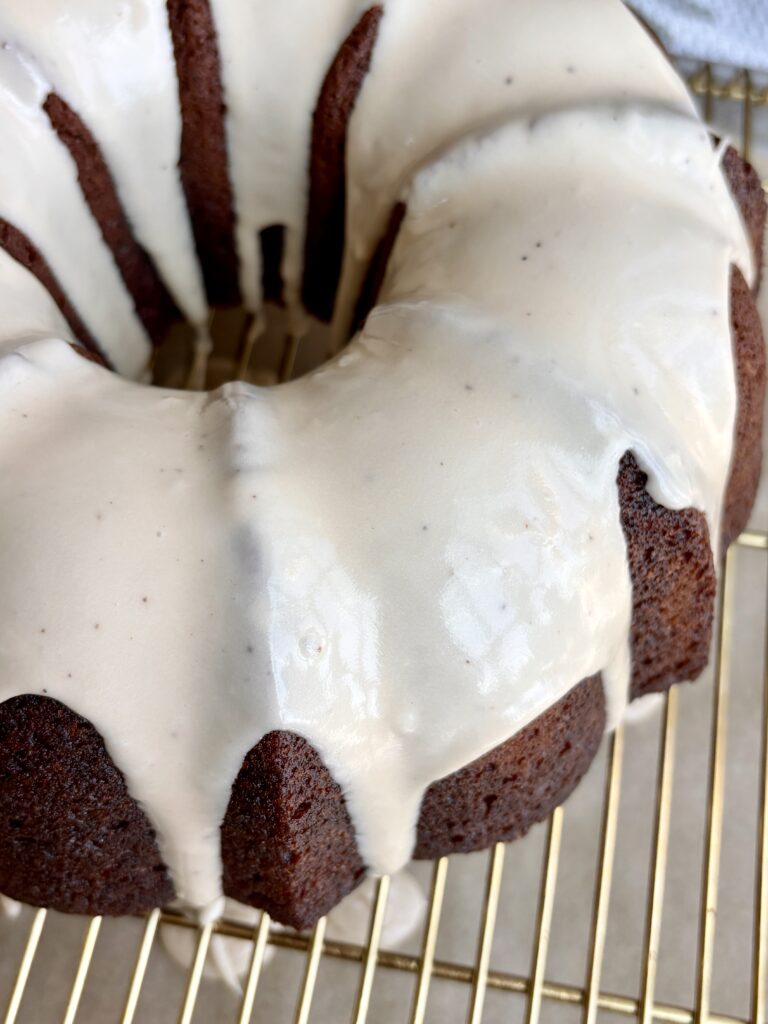
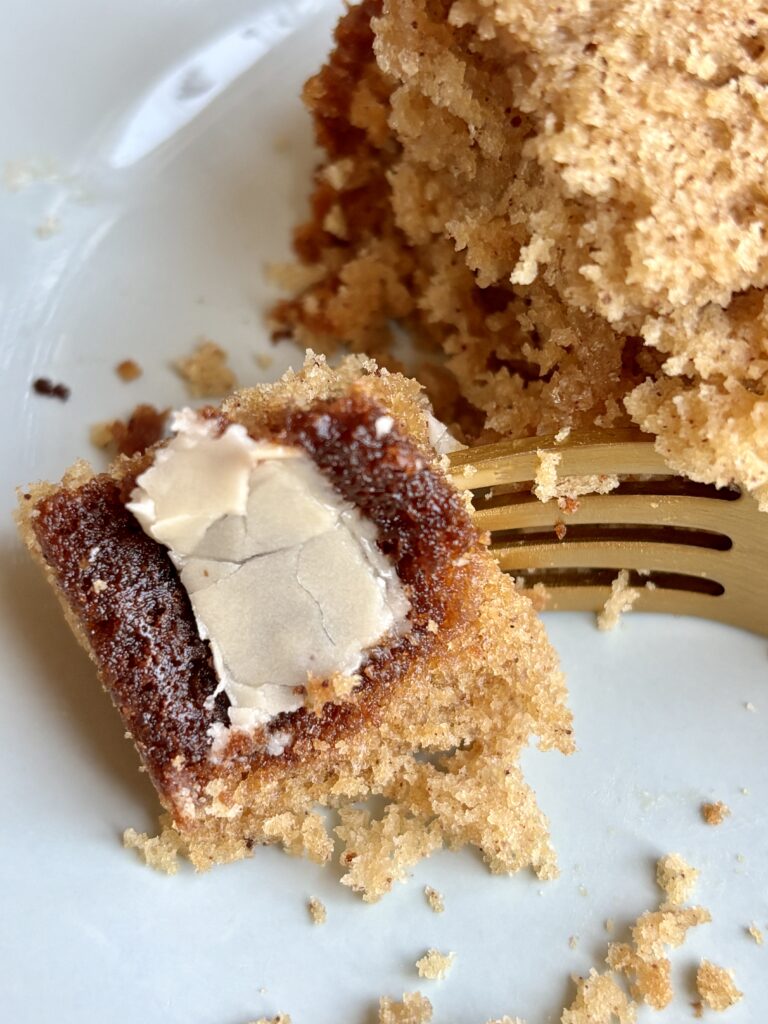
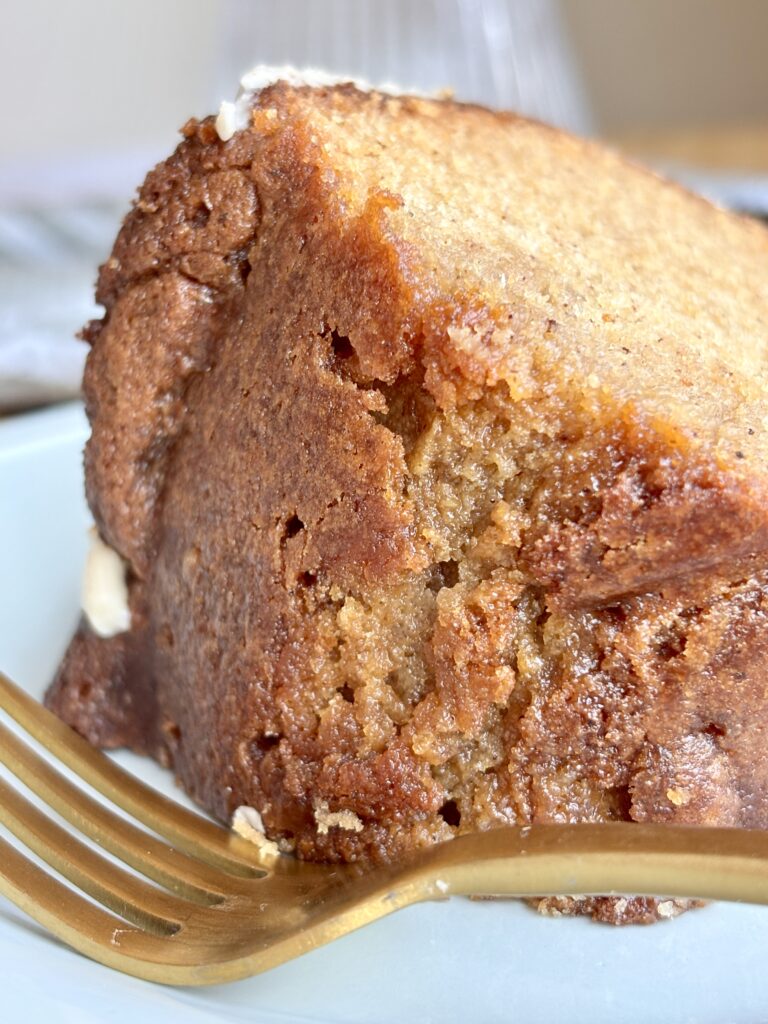
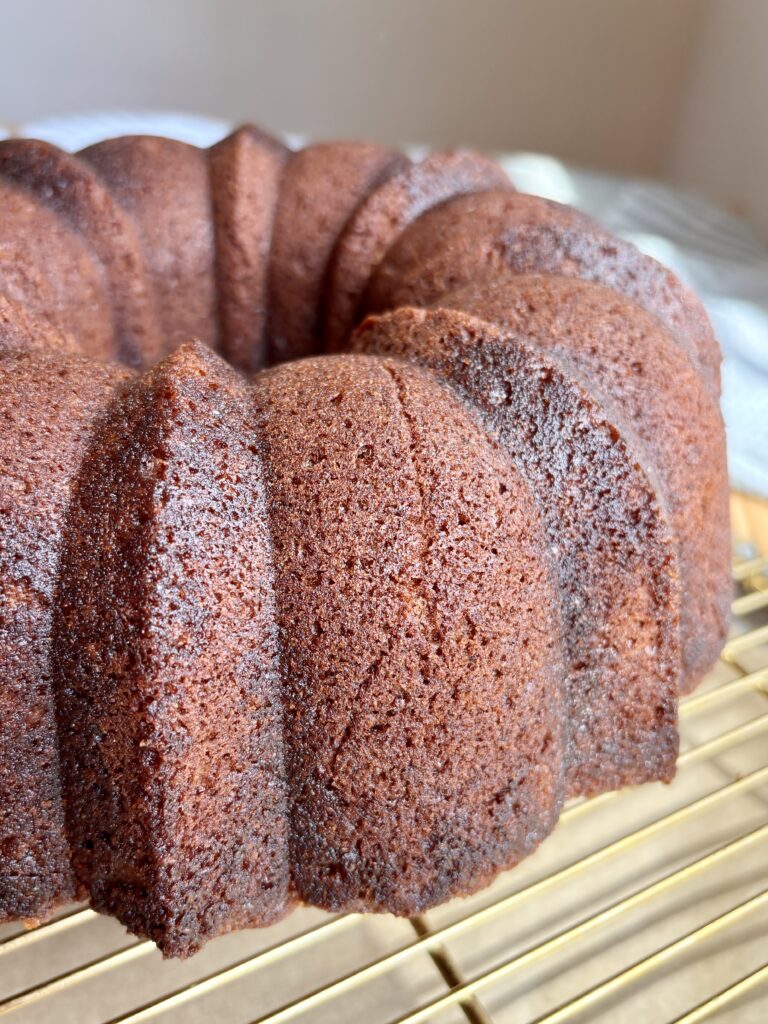
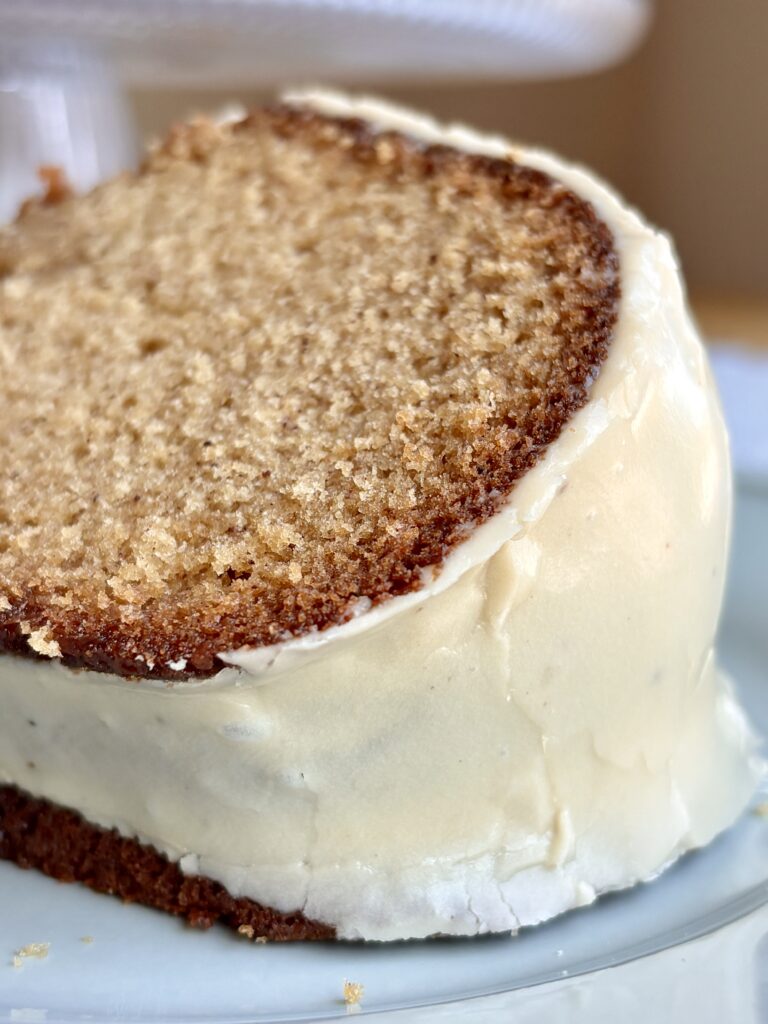
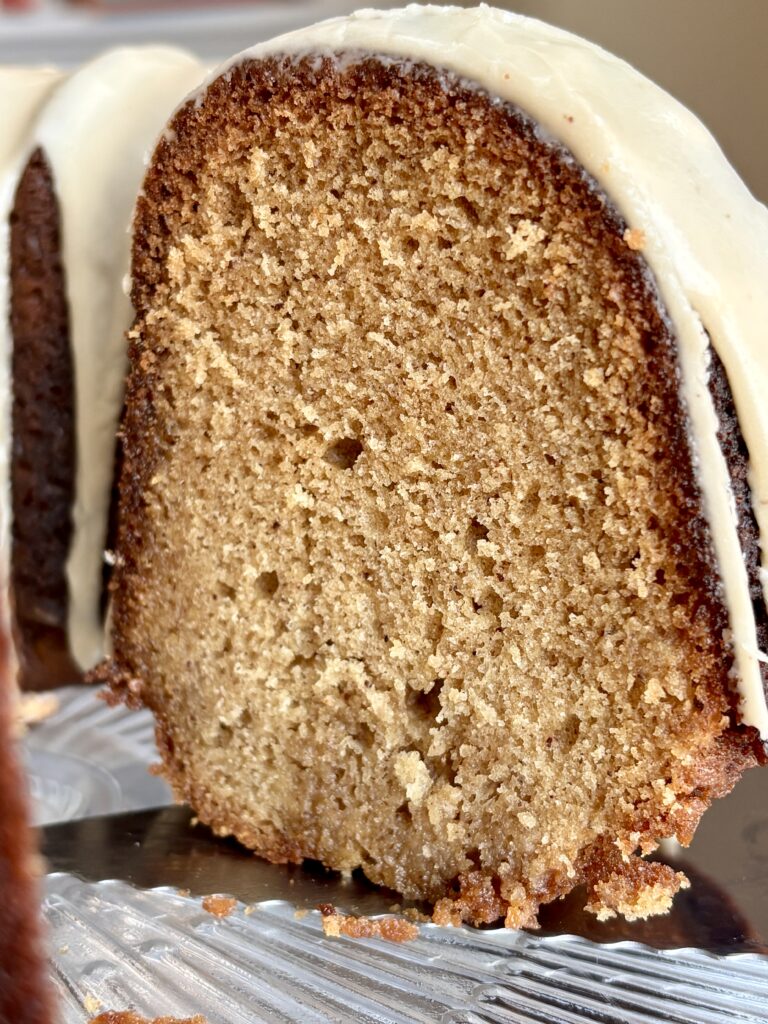
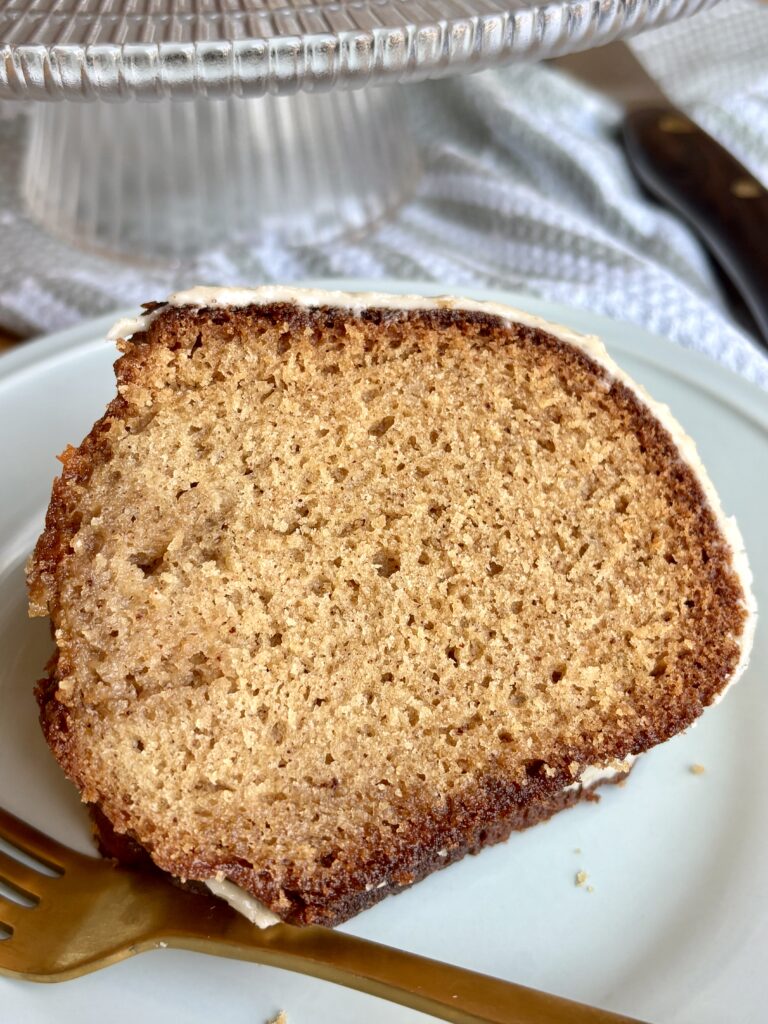
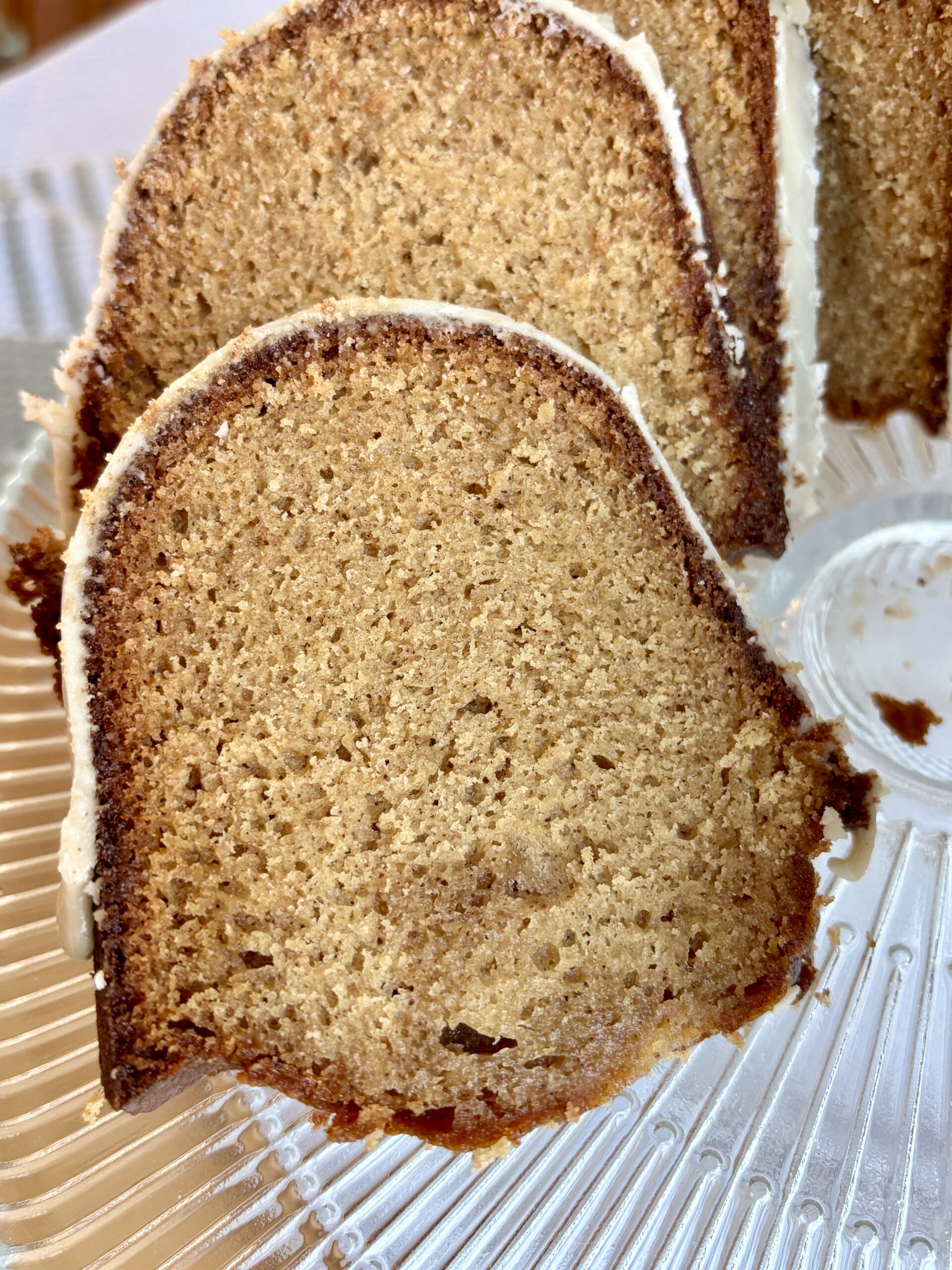
This Brown Butter Maple Bundt Cake is everything I love about fall baking. It’s buttery, incredibly moist, and filled with the warm, nutty flavor of brown butter, rich brown sugar, pure maple syrup, and vanilla bean. A touch of cinnamon and nutmeg adds just enough warmth without overpowering the maple flavor. The perfect autumn bake, without grabbing the cans of pumpkin or bags of apples.
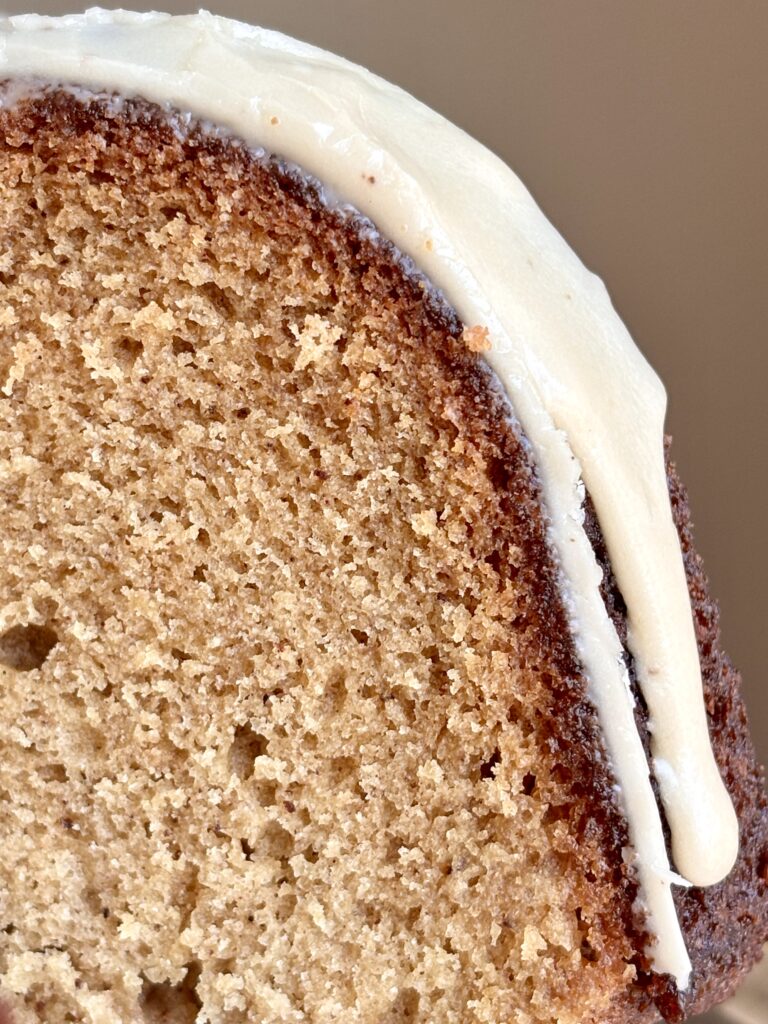
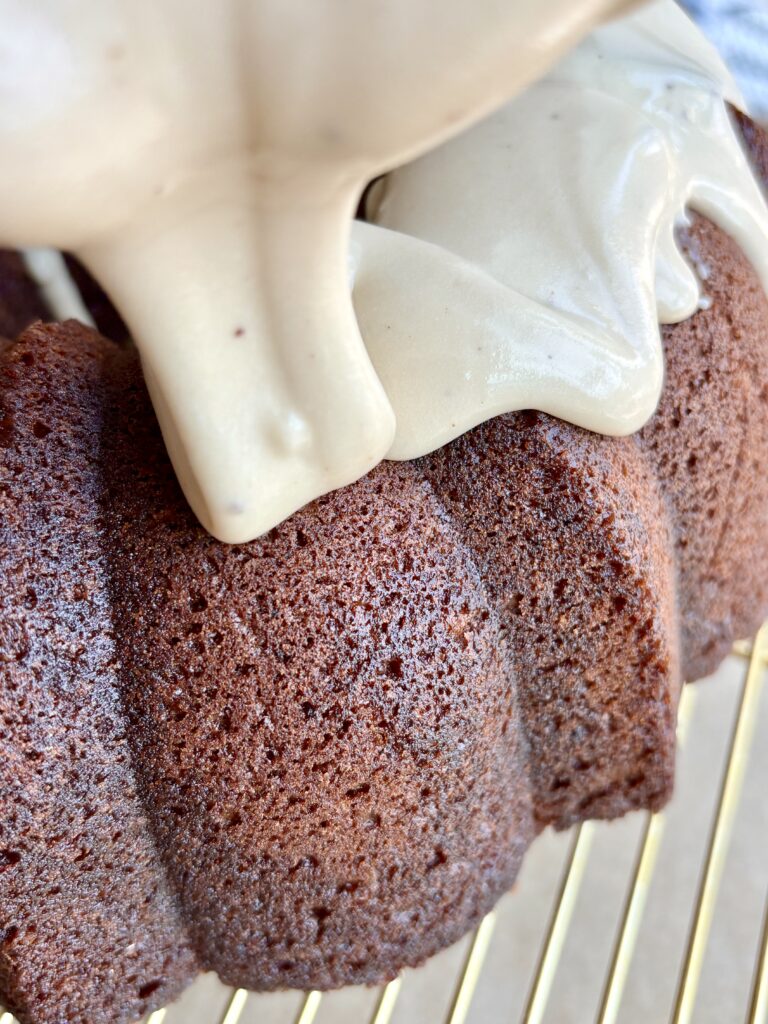
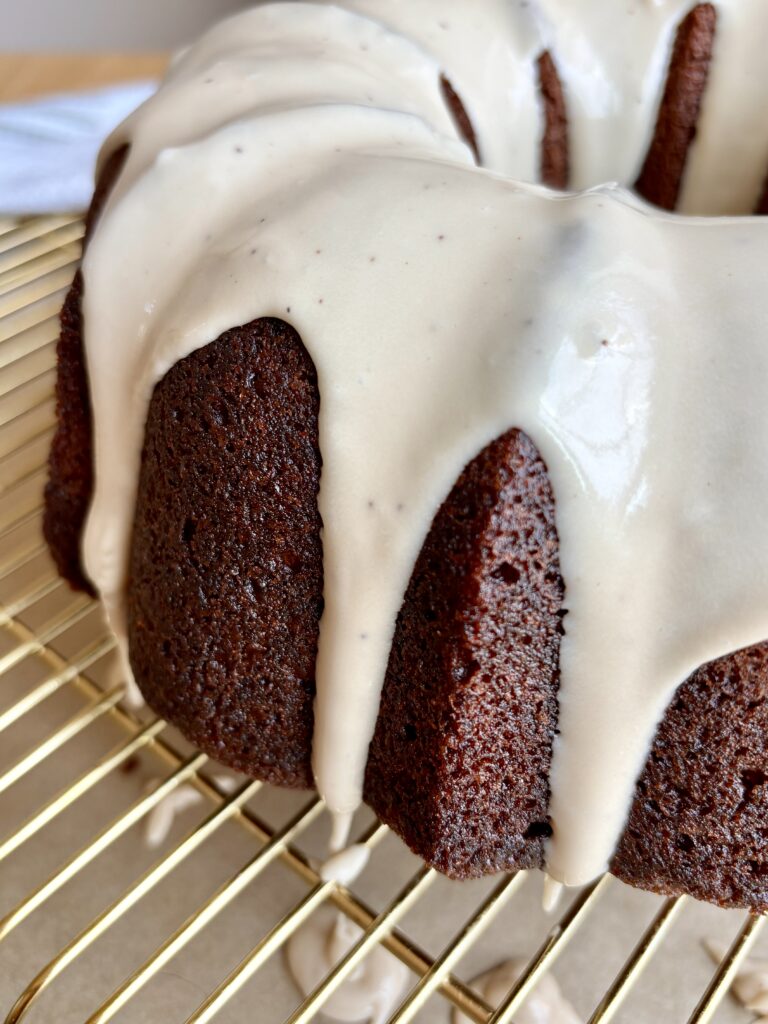
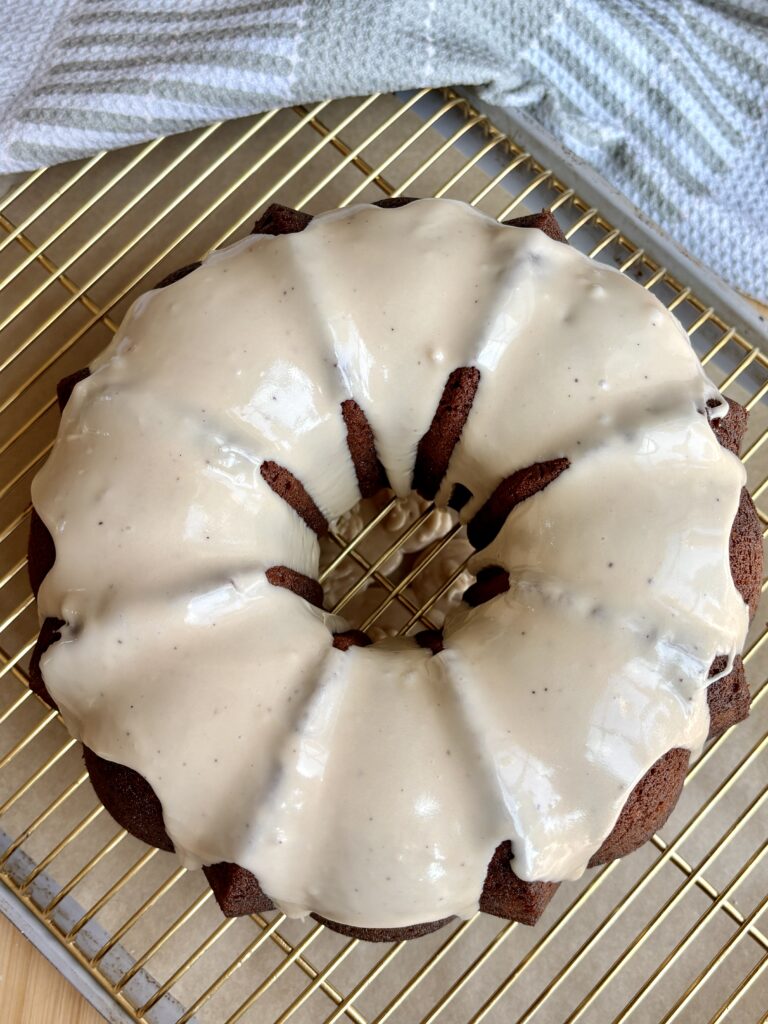
Then, while the cake is still warm, it’s brushed with a homemade maple simple syrup soak that seeps into the tender crumb, adding extra moisture and maple flavor. Once cooled, the entire cake gets finished with a thick, sweet Maple Vanilla Bean Glaze that drips beautifully down the sides.
It’s the kind of cozy, bakery-style Bundt cake that’s perfect for fall gatherings, Thanksgiving dessert, holiday baking, or simply enjoying a thick slice with your morning coffee.
Why you’ll love this recipe!
What Makes This Maple Bundt Cake So Good?
The combination of brown butter, brown sugar, and maple syrup is what makes this cake so delicious.
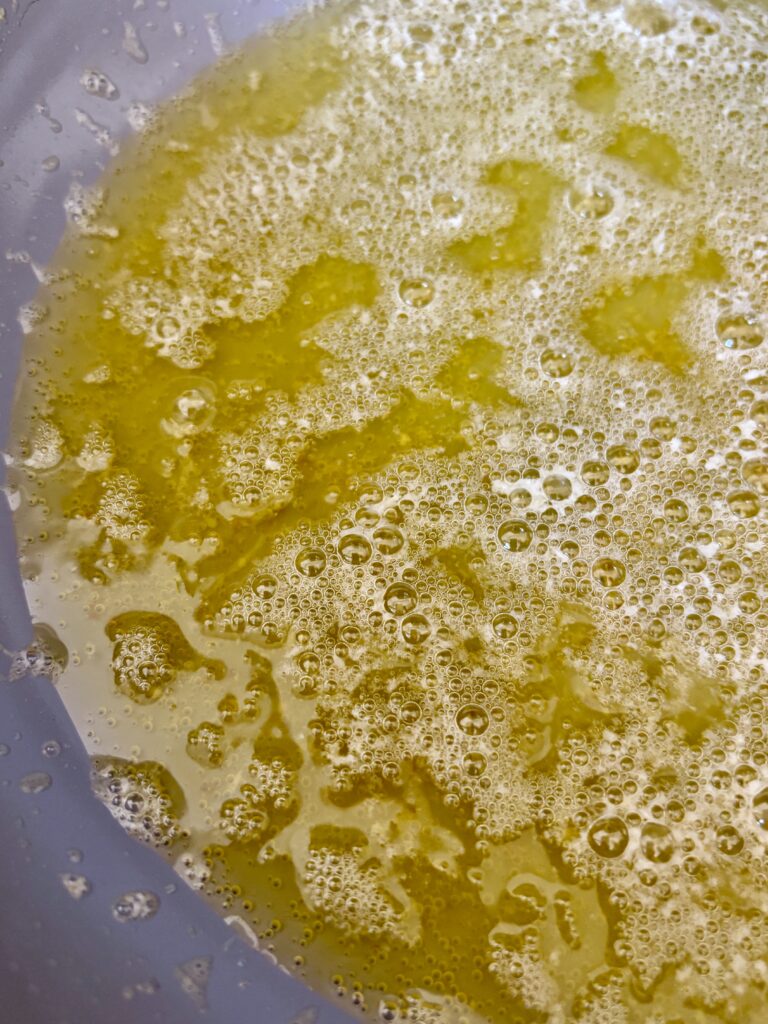
Brown butter adds a rich, toasted flavor that regular melted butter simply can’t replicate. As the butter cooks, the milk solids turn golden brown, creating a warm, nutty aroma and an almost caramel-like taste.
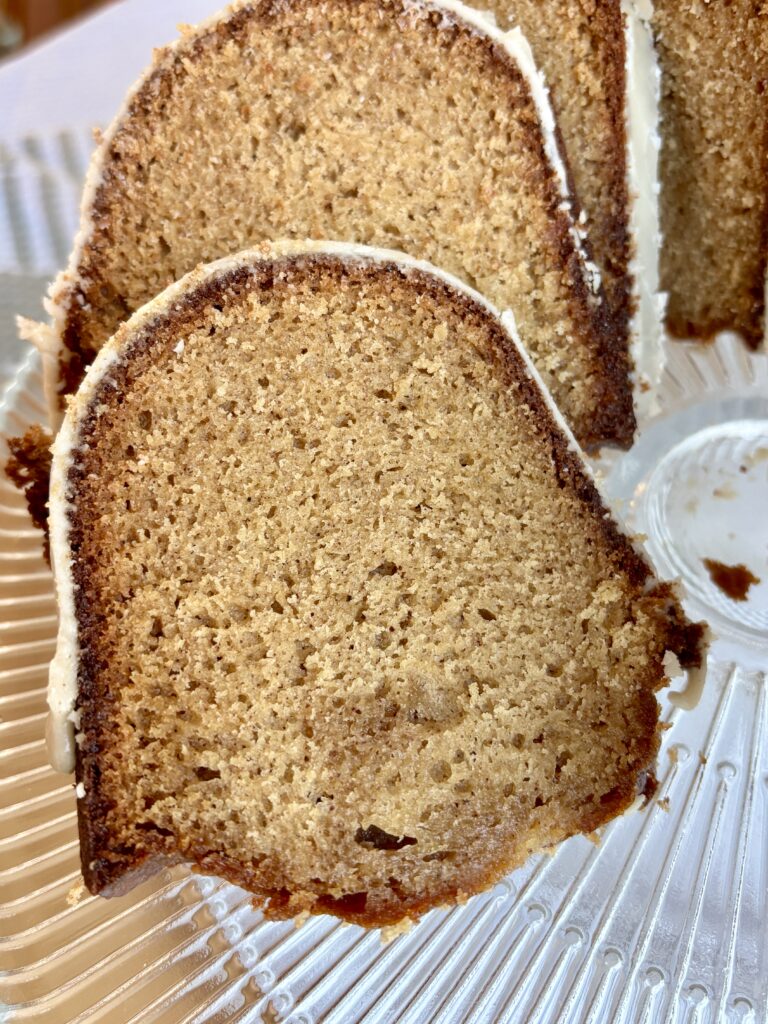
Brown sugar adds moisture and a subtle molasses flavor, while sour cream helps create a tender crumb. The result is a rich, buttery cake that’s soft without being overly delicate.
And while the cake itself gets its sweetness primarily from brown sugar, the maple syrup soak and vanilla bean glaze deliver that unmistakable maple flavor.
Rather than relying on a heavily flavored cake batter, this recipe builds maple flavor in layers, creating a dessert that’s sweet, buttery, and incredibly balanced.
What ingredients do I need?
- For the Brown Butter Maple Bundt Cake
- Unsalted Butter: Browning the butter creates a rich, nutty flavor that forms the foundation of this cake. Use unsalted butter so you can control the salt.
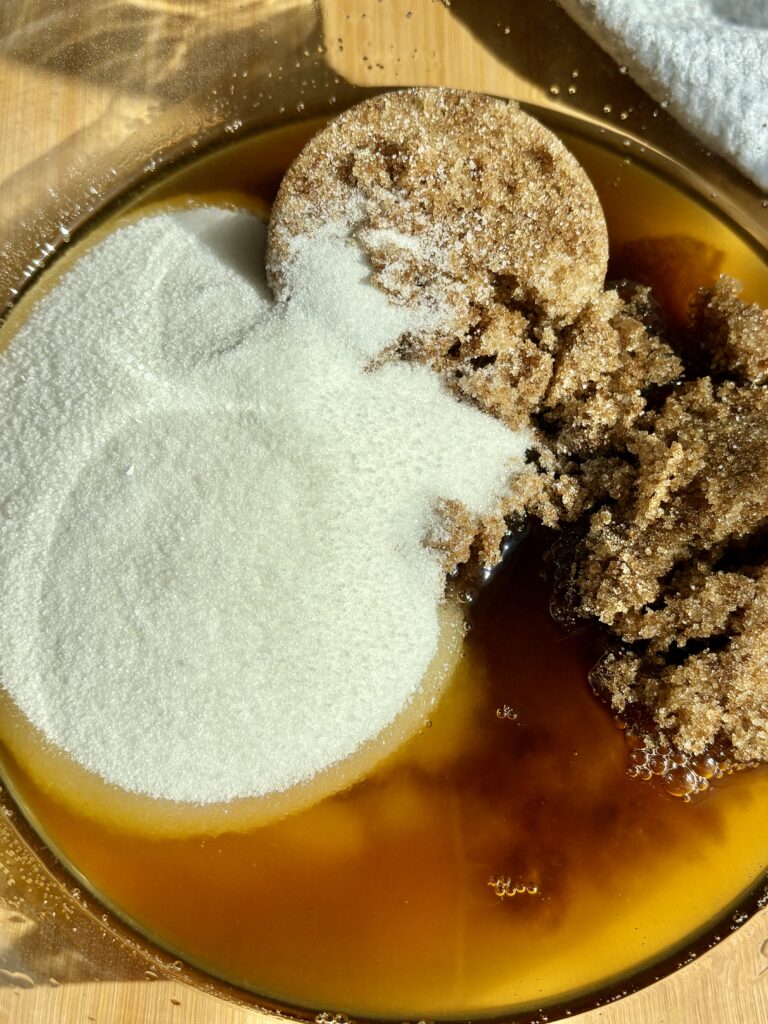
- Granulated Sugar: Adds sweetness and helps create a tender cake.
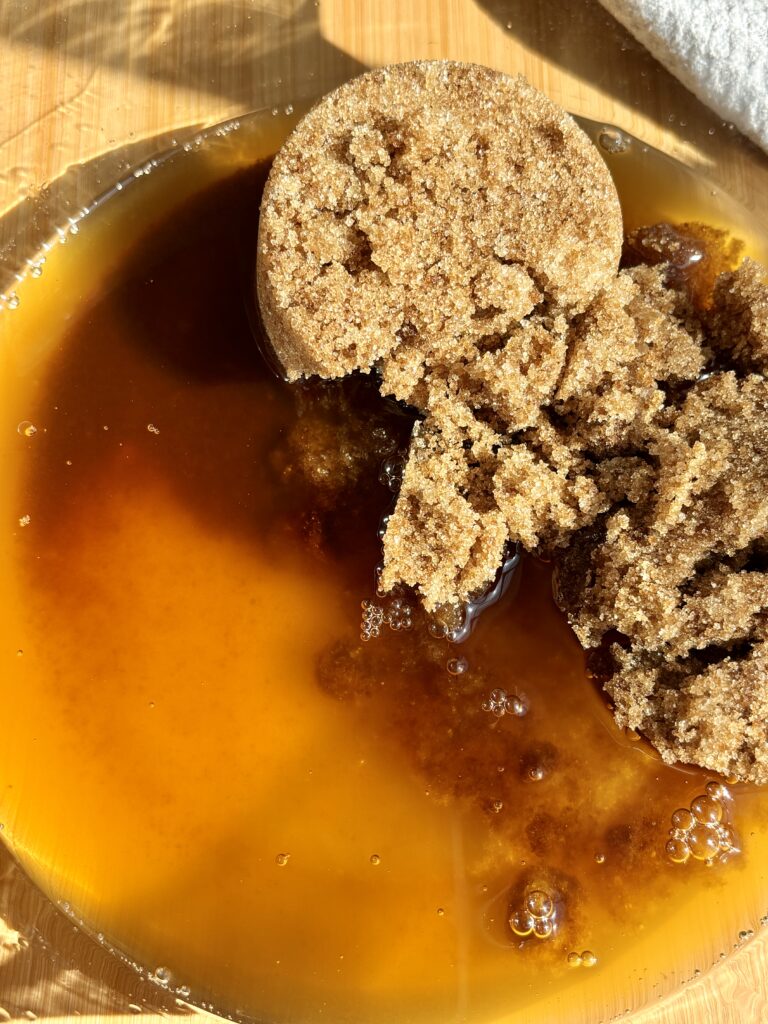
- Brown Sugar: Adds moisture, richness, and a subtle caramel-like flavor. Light or dark brown sugar works, although dark brown sugar creates a slightly deeper molasses flavor.
- Vanilla Bean Paste: Adds a rich vanilla flavor and beautiful vanilla bean flecks. Vanilla extract works as a substitute.
- Eggs: Provide structure, richness, and stability. Room-temperature eggs incorporate more evenly into the batter.
- Whole Milk: Adds moisture and helps create a soft, tender crumb.
- Sour Cream: Adds richness, moisture, and a slight tanginess that balances the sweetness.
- All-Purpose Flour: Provides structure while maintaining a tender cake texture.
- Baking Powder and Baking Soda: Help the cake rise and create a light crumb.
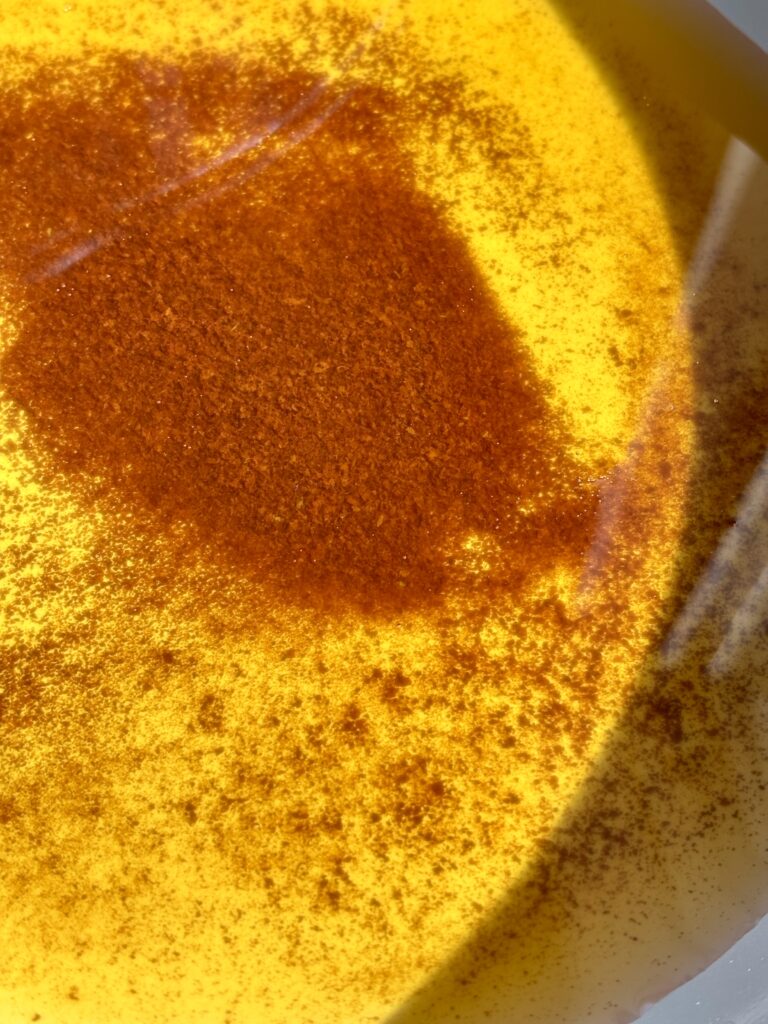
- Ground Cinnamon: Adds subtle warmth that complements the maple and brown butter.
- Nutmeg, or Pumpkin Pie Spice: Just a small amount adds depth without making the cake taste overly spiced.
- Kosher Salt: Balances the sweetness and enhances the brown butter and maple flavors.
- For the Maple Simple Syrup
- Pure Maple Syrup: The star of the soak! Use real maple syrup rather than pancake syrup for the best flavor.
- Water: Thins the maple syrup so it absorbs more easily into the warm cake.
- Vanilla Extract: Adds warmth and enhances the maple flavor.
- Salt: Balances the sweetness.
- For the Maple Vanilla Bean Glaze
- Powdered Sugar: Creates a smooth, sweet glaze that sets beautifully over the cake.
- Pure Maple Syrup: Adds natural maple sweetness and flavor.
- Vanilla Bean Paste: Gives the glaze a rich vanilla flavor and beautiful flecks.
- Milk or Heavy Cream: Adjusts the consistency so the glaze is thick but pourable.
- Salt: Keeps the glaze from tasting overly sweet.
Recipe Variations
- Maple Pecan Bundt Cake: Fold ¾ cup chopped toasted pecans into the cake batter. Sprinkle additional pecans over the glaze.
- Brown Butter Maple Walnut Cake: Add ½–¾ cup chopped toasted walnuts for a deliciously nutty variation.
- Extra Maple-Forward Bundt Cake: Add ¼–½ teaspoon maple extract to the glaze for an even stronger maple flavor.
- Maple Cinnamon Bundt Cake: Increase the cinnamon to 1½ teaspoons for a warmer, more pronounced spice flavor.
- Spiced Maple Bundt Cake: In addition to the cinnamon, add a teaspoon of pumpksin pie spice as well.
- Maple Bourbon Bundt Cake: Replace 1 tablespoon of the water in the maple soak with bourbon for a subtle bourbon flavor.
- Brown Sugar Maple Bundt Cake: Use dark brown sugar for deeper molasses notes and a richer flavor.
Pro Tips
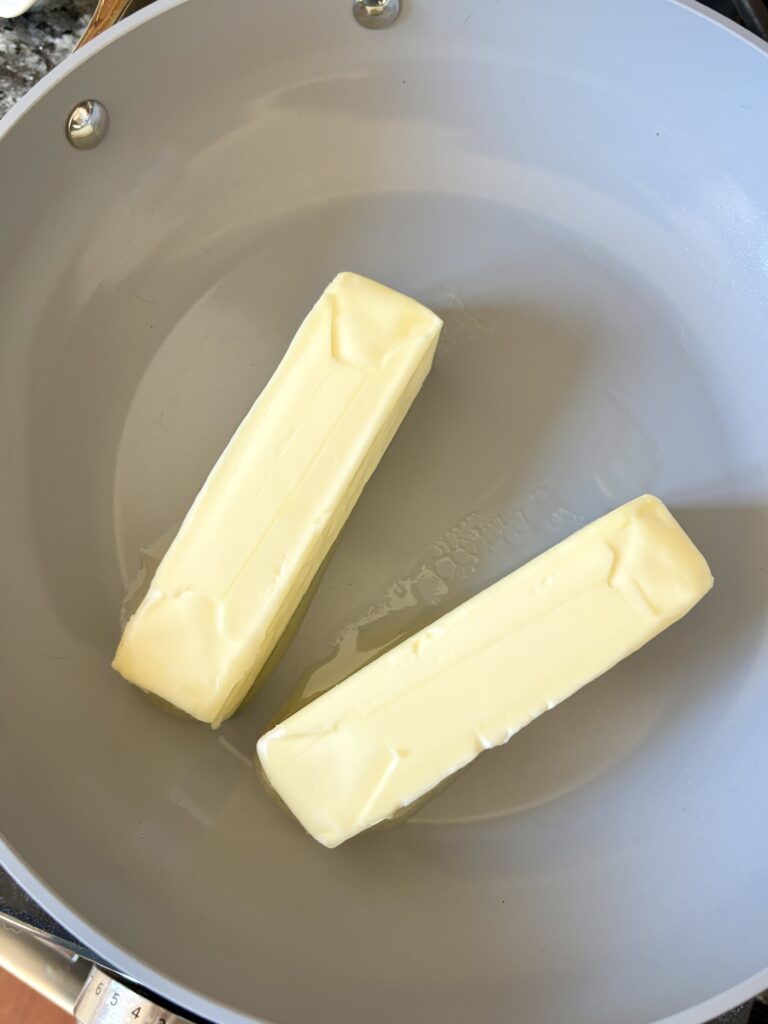
- Watch the butter closely while browning. Brown butter can go from perfectly golden to burnt in seconds. Use a light-colored saucepan so you can see the milk solids changing color, and remove it from the heat as soon as they turn golden brown. Check out my guide if you have more questions on How to Brown Butter.
- Don’t leave behind the brown bits. The toasted milk solids at the bottom of the pan contain much of the brown butter’s flavor. Scrape them into your mixing bowl along with the butter.
- Let the brown butter cool before mixing. Hot butter can affect how the eggs incorporate into the batter. Allow it to cool until comfortably warm before adding it to the other ingredients.
- Use room-temperature ingredients. Room-temperature eggs, milk, and sour cream combine more evenly, helping create a smoother batter and more consistent crumb.
- Measure the flour correctly. Spoon the flour into your measuring cup and level it with a knife. Scooping directly from the bag can pack in too much flour, resulting in a dry or dense cake.
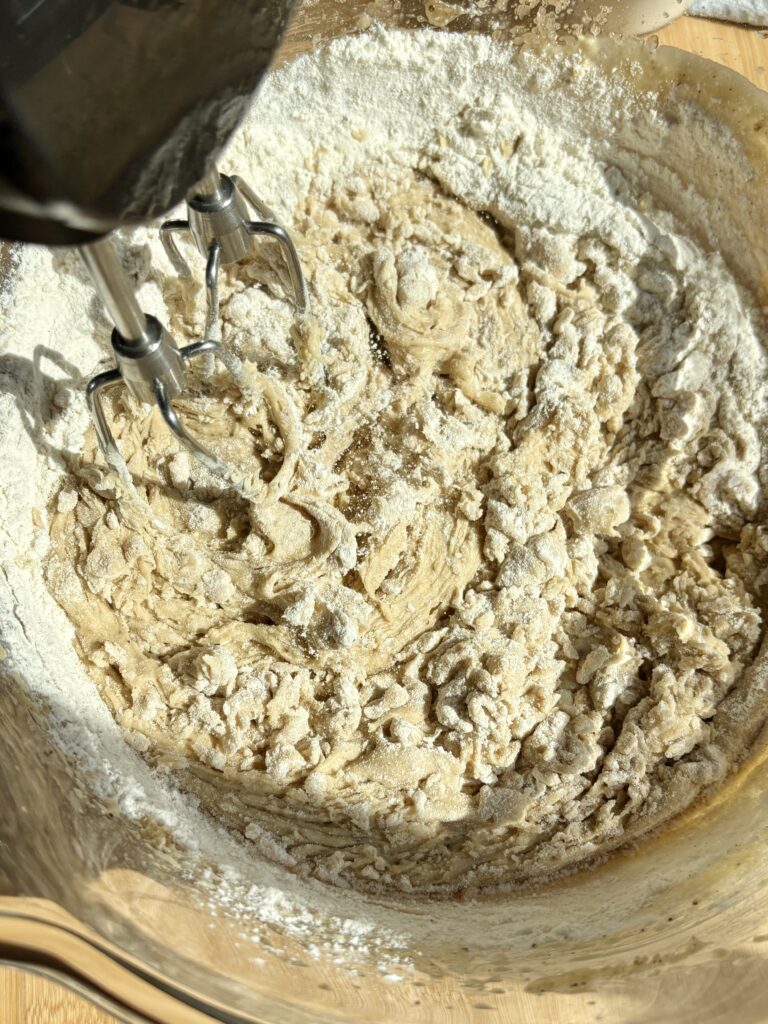
- Don’t overmix the batter. Once the flour is added, mix only until combined. Overmixing develops gluten and can create a tougher cake.
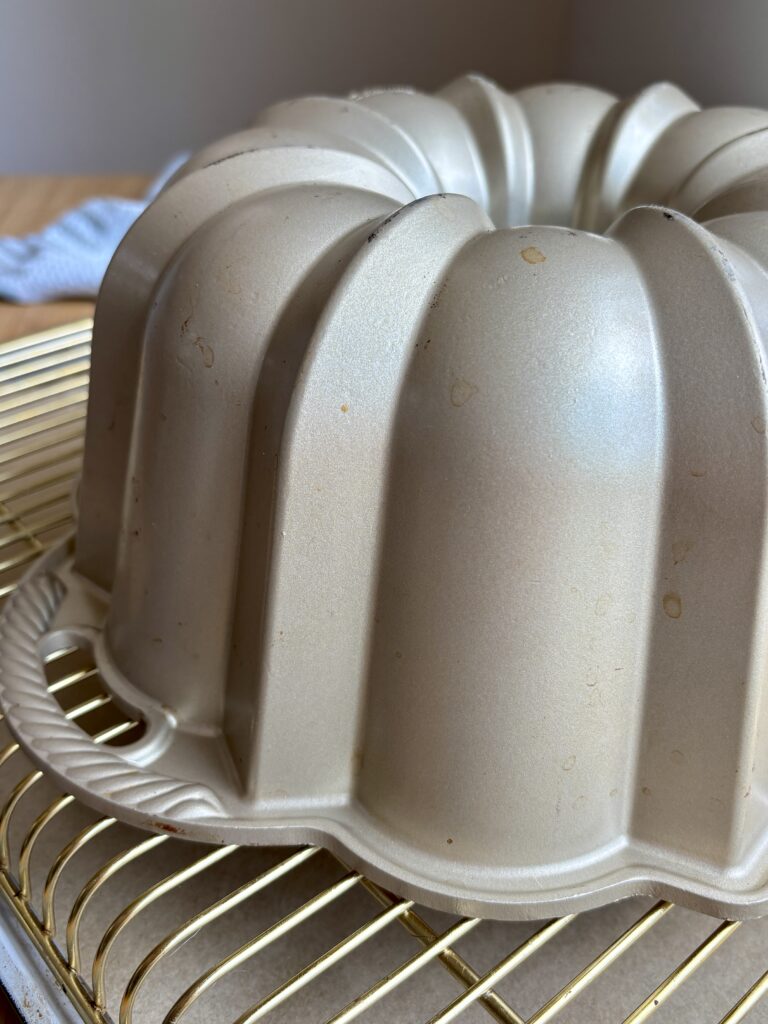
- Grease every detail of the Bundt pan. Use baking spray with flour and carefully coat all the grooves and edges. Even a small ungreased area can cause the cake to stick.
- Avoid opening the oven too early. Opening the oven repeatedly can cause temperature fluctuations and affect how evenly the cake rises.
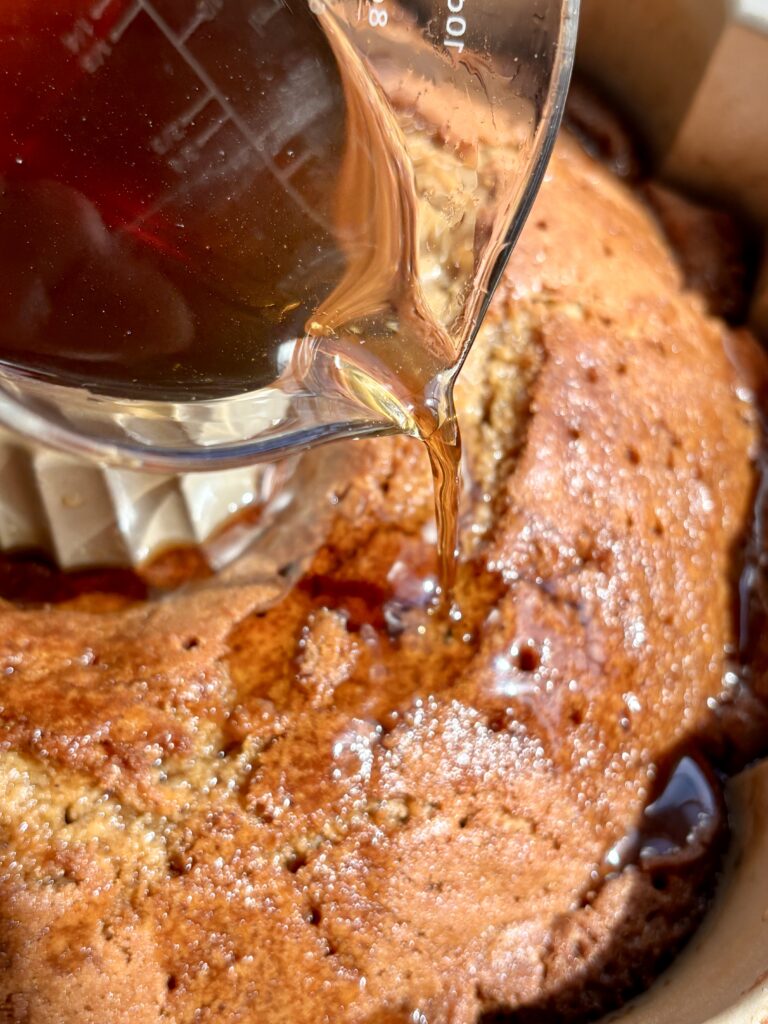
- Add the maple soak gradually. The syrup should absorb into the cake rather than pool on the surface. Add it slowly and stop if the cake is no longer absorbing it.
- Add the glaze to the cake only when it is completely cool. A warm cake will melt the glaze and cause it to run off rather than create those beautiful, thick drips.
- Use real maple syrup. Pure maple syrup provides a richer, more complex flavor than pancake syrup. Dark or robust-tasting maple syrup is particularly good for baking.
- Allow the cake to rest before serving. The maple soak needs time to distribute throughout the cake. Giving the finished cake a little time to rest helps the flavors come together.
Can I Substitute?
Yes! Like always though, any substitutions made to the recipe can result in a change in texture and/or flavor.
- Unsalted Butter: Salted butter can replace unsalted butter in equal amounts. Reduce the added kosher salt slightly to account for the salt already present in the butter. Unsalted butter is preferred for browning because it gives you better control over the finished flavor.
- Granulated Sugar: You can replace some of the granulated sugar with additional light brown sugar for a deeper caramel flavor and slightly moister crumb. I wouldn’t replace all of the granulated sugar without testing, as it may change the cake’s texture and structure.
- Light or Dark Brown Sugar: Light and dark brown sugar are interchangeable in this recipe. Light brown sugar creates a milder caramel flavor, while dark brown sugar adds richer molasses notes and a slightly darker color.
- Vanilla Bean Paste: Substitute vanilla extract in equal amounts. Vanilla bean paste adds beautiful flecks and a more pronounced vanilla flavor, but both work well.
- Whole Milk: You can substitute 2% milk in equal amounts, although whole milk provides a slightly richer texture. Buttermilk is another option, but its additional acidity may affect the cake’s rise, so it isn’t my first choice without further testing.
- Sour Cream: Full-fat plain Greek yogurt is an excellent substitute for sour cream. Use an equal amount to maintain a similar level of moisture and tanginess.
- All-Purpose Flour: All-purpose flour provides the structure needed for this Bundt cake. Cake flour may produce a softer crumb, but it absorbs liquid differently, so I recommend testing it before making a complete substitution.
- Ground Cinnamon: You can substitute an equal amount of apple pie spice or pumpkin pie spice for a slightly different warm-spice flavor. Keep in mind that spice blends may contain cloves and ginger, which can be more pronounced.
- Nutmeg or Pumpkin Pie Spice: Use either interchangeably in the specified amount. You can also omit this ingredient all together if you prefer the brown butter and maple flavors to stand out more.
- Pure Maple Syrup: Pure maple syrup is strongly recommended. Pancake syrup doesn’t provide the same depth of flavor and may contain additional sweeteners and artificial flavorings. Dark or robust maple syrup is especially good in this recipe.
- Powdered Sugar: Powdered sugar is essential for the smooth texture of the maple glaze. Granulated sugar isn’t a direct substitute because it won’t dissolve properly in the glaze.
- Heavy Cream or Milk in the Glaze: Either works beautifully. Heavy cream creates a slightly richer, creamier glaze, while milk produces a lighter consistency. Add either gradually until the glaze reaches your preferred thickness.
Dietary Substitutions
- Gluten-Free: Replace the all-purpose flour with a high-quality 1:1 gluten-free baking flour blend designed for cakes and containing xanthan gum or another binder. Gluten-free flour blends absorb moisture differently, so the cake may have a slightly different texture and baking time. This substitution has not been tested in this recipe.
- Nut-Free: This recipe is naturally made without nuts, provided you don’t add the optional pecans or walnuts. Always check ingredient packaging for potential cross-contact if baking for someone with a nut allergy.
Leftovers and Storage
- Room Temperature: Store the cake tightly covered in an airtight cake container at room temperature for up to 2–3 days if your kitchen is cool.
- Refrigerator: Store the glazed cake in an airtight container in the refrigerator for up to 5 days. Bring individual slices to room temperature before serving for the best flavor and texture.
- Freezer: Wrap the completely cooled, unglazed cake tightly in plastic wrap followed by aluminum foil. Freeze for up to 2 months. Thaw overnight in the refrigerator or at room temperature while wrapped, then glaze before serving.
- Make Ahead: Bake and soak the cake up to 1 day ahead. Once completely cooled, wrap it tightly and store it until you’re ready to glaze. This is a great option for holidays or entertaining.
- Reheating: If you prefer a slightly warm slice, microwave an individual piece for approximately 10–15 seconds. The glaze may soften when heated.
Troubleshooting
My Bundt cake is sticking to the pan
Bundt cakes can stick when the pan isn’t thoroughly greased or when the cake cools too long before being inverted. Generously coat every groove and crevice with baking spray containing flour, and allow the cake to cool in the pan for approximately 15 minutes before carefully turning it out. If the cake resists, gently loosen the accessible edges with a silicone spatula.
My Bundt cake turned out dry
Dry cake is usually caused by too much flour or overbaking. Spoon and level your flour rather than scooping directly from the bag, and begin checking for doneness a few minutes before the recommended baking time. A toothpick should come out clean or with a few moist crumbs. The maple syrup soak also helps add moisture to the finished cake.
My Bundt cake is too dense or heavy
Overmixing the batter after adding the flour can develop too much gluten, creating a dense or tough cake. Mix on low speed just until the ingredients come together. Also, make sure your baking powder and baking soda are fresh and accurately measured.
My Bundt cake sank in the middle
A sunken center can result from underbaking, excess leavening (baking soda/baking powder), or opening the oven before the cake’s structure has set. Avoid opening the oven too early, measure your leavening agents carefully, and check the thickest part of the cake for doneness before removing it from the oven.
My cake has a gummy or wet texture
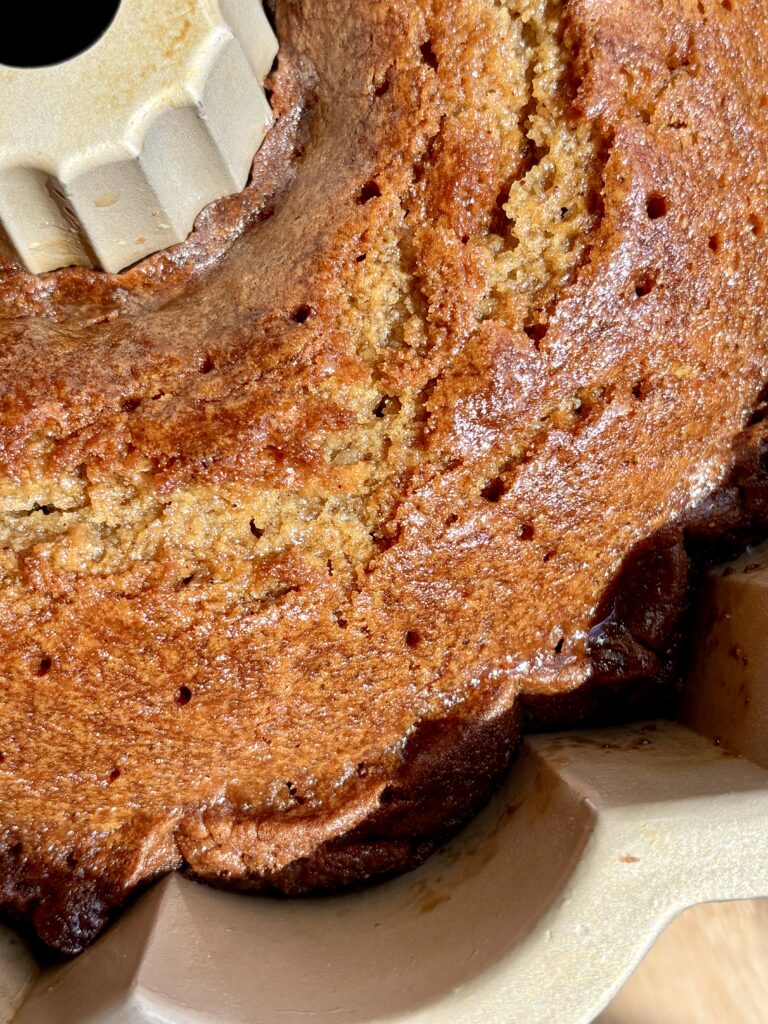
This can happen if the cake is underbaked or absorbs too much maple syrup soak. Make sure the cake is fully baked before removing it from the oven and add the syrup gradually while the cake is warm. Stop adding syrup if it begins pooling rather than being absorbed into the cake.
My brown butter tastes bitter
The milk solids may have burned rather than browned. Brown butter should smell rich, nutty, and slightly caramelized, not smoky or bitter. Use a light-colored saucepan and remove the butter from the heat as soon as the milk solids turn golden brown. If they burn, start over.
My cake isn’t absorbing the maple simple syrup
The syrup absorbs best while the cake is still warm. Use a thin skewer to poke holes throughout the cake and slowly spoon or brush the syrup over the surface, allowing it to absorb between additions. If it begins pooling, stop and reserve the remaining syrup.
My maple glaze is too thin
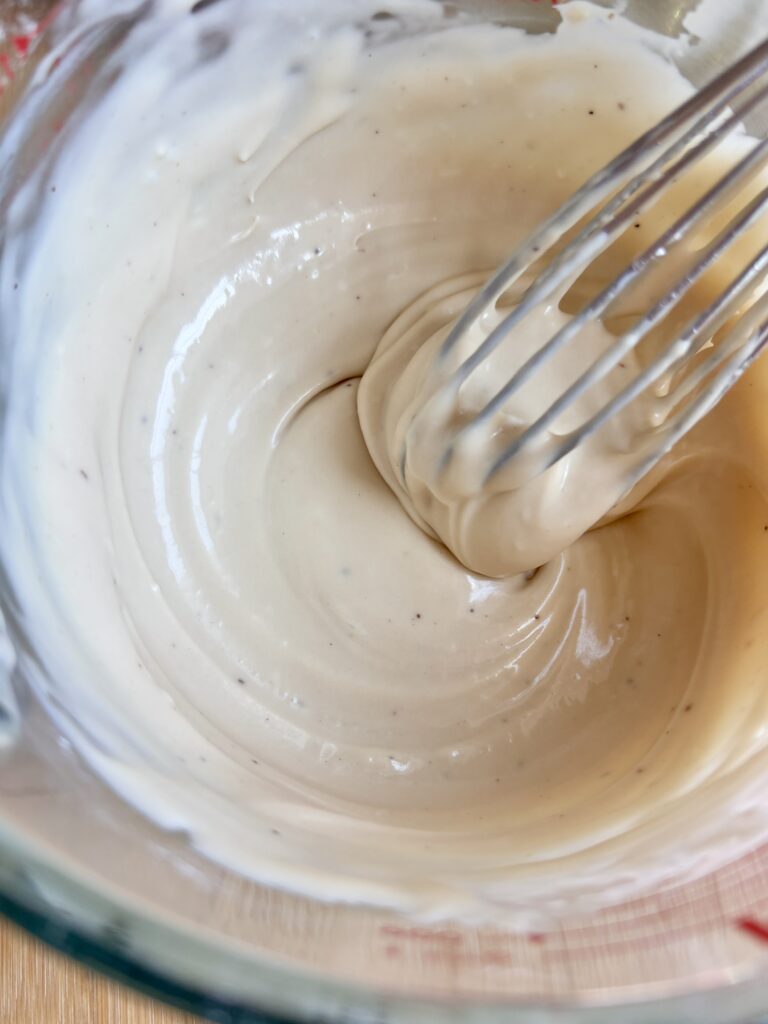
Too much milk or heavy cream can make the glaze runny. Whisk in additional sifted powdered sugar, a tablespoon at a time, until it thickens. For the prettiest drips, the glaze should flow slowly from a spoon rather than pour like water.
My maple glaze is too thick
Add milk or heavy cream, 1 teaspoon at a time, whisking well between additions until the glaze reaches a thick but pourable consistency. Remember that the maple syrup already contributes liquid, so you may need less milk than expected.
My glaze is melting or running off the cake
The cake may still be warm, or the glaze may contain too much liquid. Allow the Bundt cake to cool completely before glazing, and keep the glaze thick enough to cling to the sides.
My cake doesn’t have enough maple flavor
Maple syrup has a relatively delicate flavor, especially when paired with rich brown butter and brown sugar. Use dark or robust pure maple syrup in the soak and glaze for a stronger maple flavor. You can also add ¼–½ teaspoon maple extract to the glaze if you prefer a more pronounced maple taste. You can find maple extract at many grocery stores in the baking aisle.
But, I Still Have A Few Questions…
What does brown butter do in a Bundt cake?
Brown butter adds a rich, nutty, toasted flavor that regular melted butter doesn’t provide. As the butter cooks, its milk solids turn golden brown, creating deeper, almost caramel-like notes that pair beautifully with maple syrup, brown sugar, and vanilla.
Can I use regular melted butter instead of brown butter?
Yes. You can use regular melted butter if you’re short on time, but the cake won’t have the same rich, nutty flavor. Browning the butter is one of the key elements that makes this recipe special.
Do I need to replace the moisture lost when browning butter?
Browning butter removes some of its water content. This recipe includes whole milk and sour cream to provide moisture, so you can use the browned butter as directed. For consistent results, brown the full cup of butter and use all the remaining butter and toasted milk solids.
What kind of maple syrup is best for baking?
Pure maple syrup is essential for the best flavor. Dark or robust-tasting maple syrup is especially good because its stronger flavor stands up well to the richness of the brown butter and brown sugar. I don’t recommend using pancake syrup is typically made with corn syrup and flavorings, and it doesn’t provide the same natural maple flavor or complexity.
Why isn’t there maple syrup directly in the cake batter?
This recipe gets its maple flavor from the warm maple syrup soak and the glaze. Adding maple syrup directly to the batter would introduce additional liquid and sugar, requiring adjustments to maintain the cake’s texture.
Can I add maple extract for a stronger maple flavor?
Yes. Add approximately ¼–½ teaspoon maple extract to the glaze if you prefer a stronger maple flavor. Start with a small amount because maple extract can become overpowering.
What size Bundt pan should I use?
Atleast a 10–12 cup Bundt pan works best. The batter should not fill the pan more than approximately three-quarters full. If your pan is smaller, bake any excess batter separately rather than overfilling it.
How do I prevent my Bundt cake from sticking?
Generously coat the entire pan with baking spray containing flour, paying special attention to the grooves and center tube. Allow the cake to cool for approximately 15 minutes before carefully inverting it.
How do I know when my Bundt cake is finished baking?
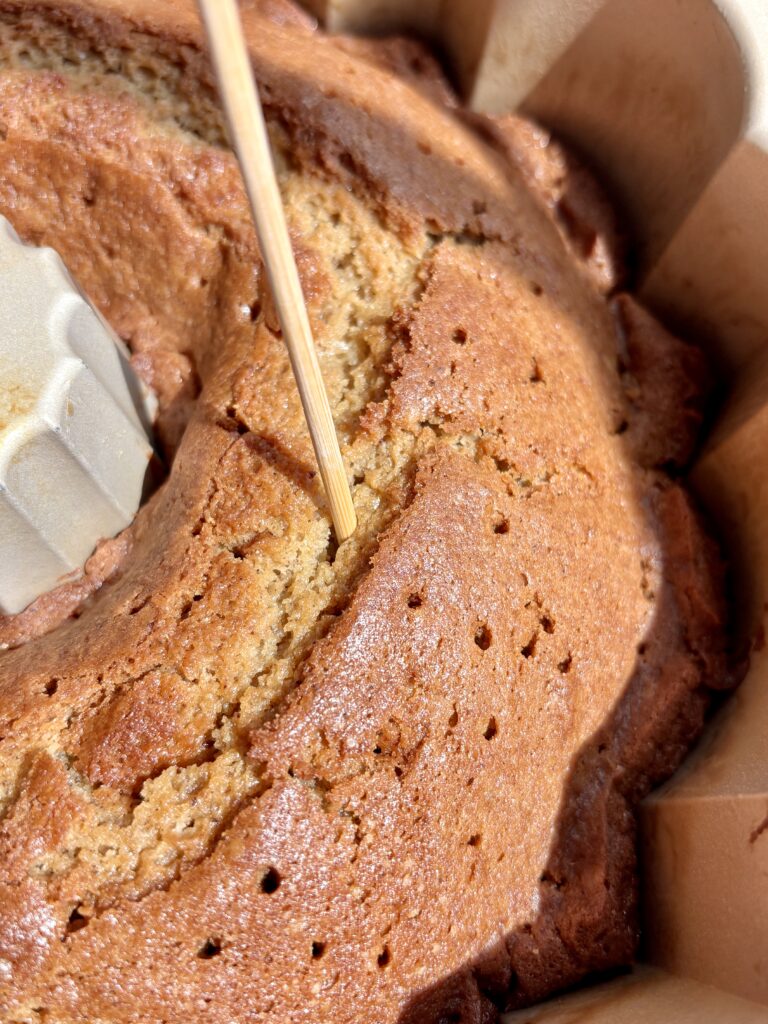
Insert a toothpick or wooden skewer into the thickest portion of the cake. It should come out clean or with a few moist crumbs. If wet batter clings to it, continue baking and check again after a few minutes.
Should I add the maple syrup while the cake is warm or cool?
Add the maple syrup soak while the cake is still warm. Warm cake absorbs syrup more readily, helping distribute moisture and maple flavor throughout the crumb.
Can I use all the maple syrup soak?
You can use as much as the cake comfortably absorbs, but don’t force all of it into the cake. Adding too much can make the bottom or center overly wet. Save any extra syrup for serving.
Can I add nuts to the cake?
Yes. Fold approximately ¾ cup chopped, toasted pecans or walnuts into the batter for extra texture and nutty flavor.
Other Recipes You’ll Love
Let’s engage!
Make sure to tag @thehomechefmomma on Instagram or Facebook, and leave a review or comment if you make these. I always get so excited to see your creations, variations of the recipe, and feedback! Just remember to be kind in your comments, there is still a person behind this screen! 🙂
Brown Butter Maple Bundt Cake
Ingredients
Brown Butter Maple Bundt Cake
- 1 cup unsalted butter browned
- ¾ cup granulated sugar
- 1 cup packed brown sugar light or dark
- 2 teaspoons vanilla bean paste or vanilla extract
- 4 large eggs room temperature
- ¾ cup whole milk room temperature
- ¼ cup sour cream room temperature
- 3 cups all-purpose flour
- 2 teaspoons baking powder
- ½ teaspoon baking soda
- 1 teaspoon ground cinnamon
- ¼ teaspoon ground nutmeg or pumpkin pie spice
- 1 teaspoon kosher salt
Maple Simple Syrup
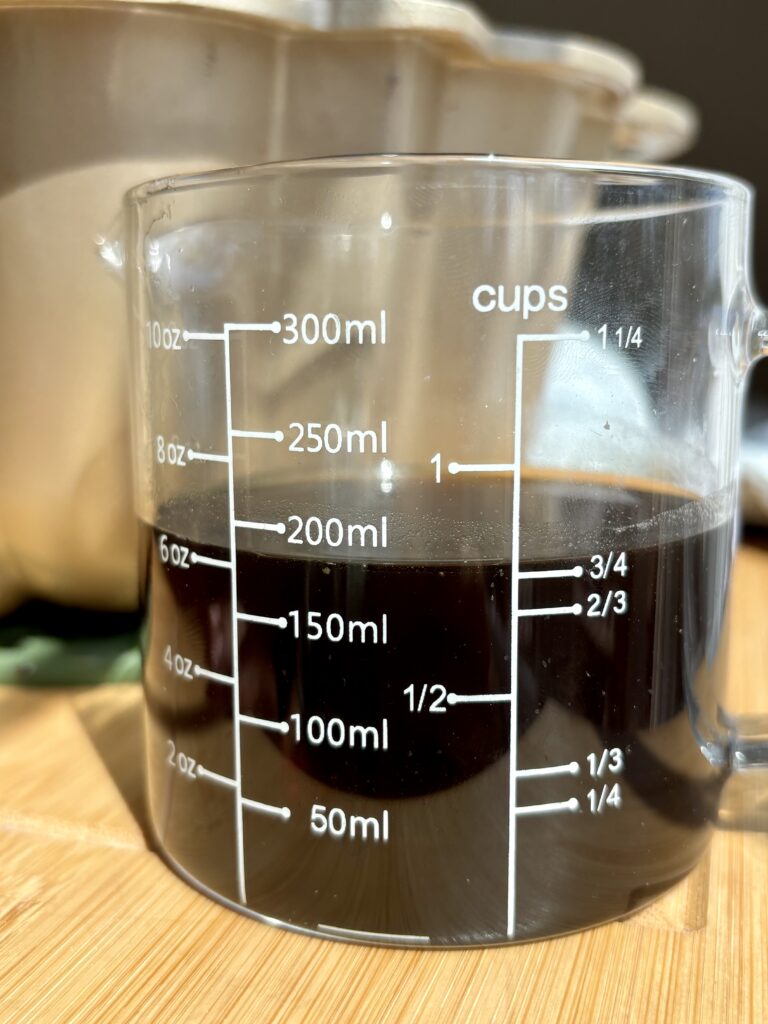
- ½ cup pure maple syrup
- ¼ cup water
- 1 teaspoon vanilla extract
- Pinch kosher salt
Maple Vanilla Bean Glaze
- 1½ cups powdered sugar sifted
- 3 tablespoons pure maple syrup
- 1 teaspoon vanilla bean paste
- Pinch kosher salt
- 1 –3 tablespoons milk or heavy cream as needed
Instructions
Brown the Butter
- Preheat the oven to 350°F. Generously grease a 10–12 cup Bundt pan with baking spray containing flour, making sure to coat all the grooves and crevices.
- Add the butter to a light-colored saucepan over medium heat. Cook, stirring or swirling occasionally, until the butter melts, foams, and develops golden-brown milk solids with a rich, nutty aroma.
- Immediately remove from the heat and transfer the browned butter, including the toasted milk solids, to a heatproof bowl. Allow to cool until warm ,but no longer hot.
Make the Cake
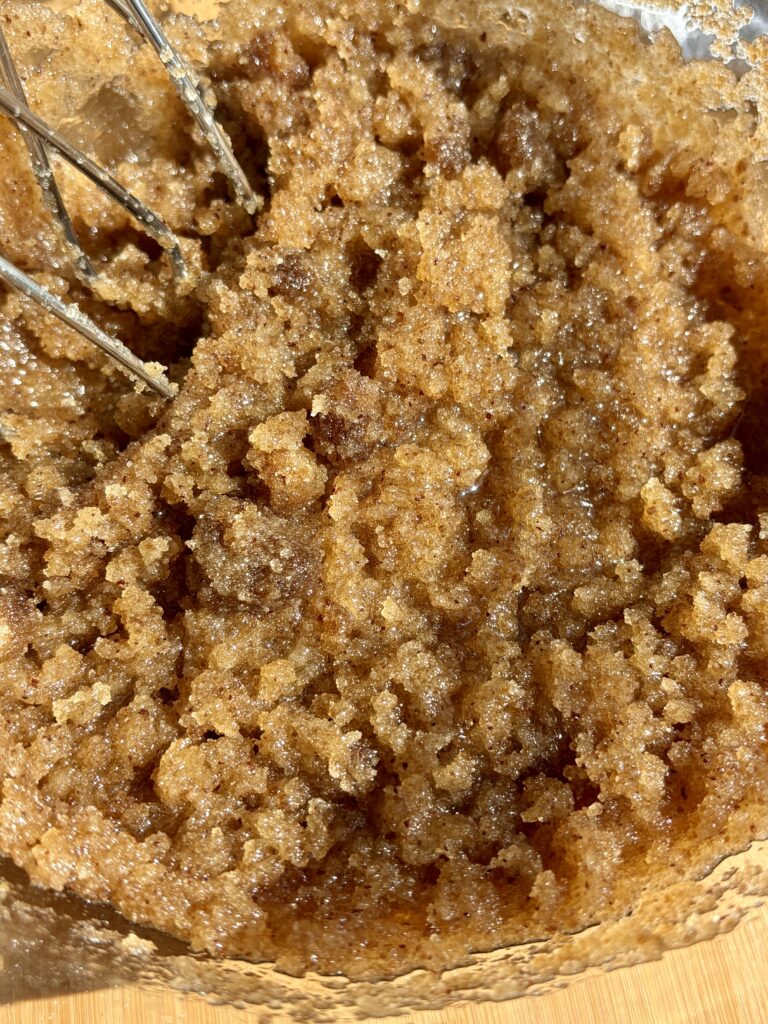
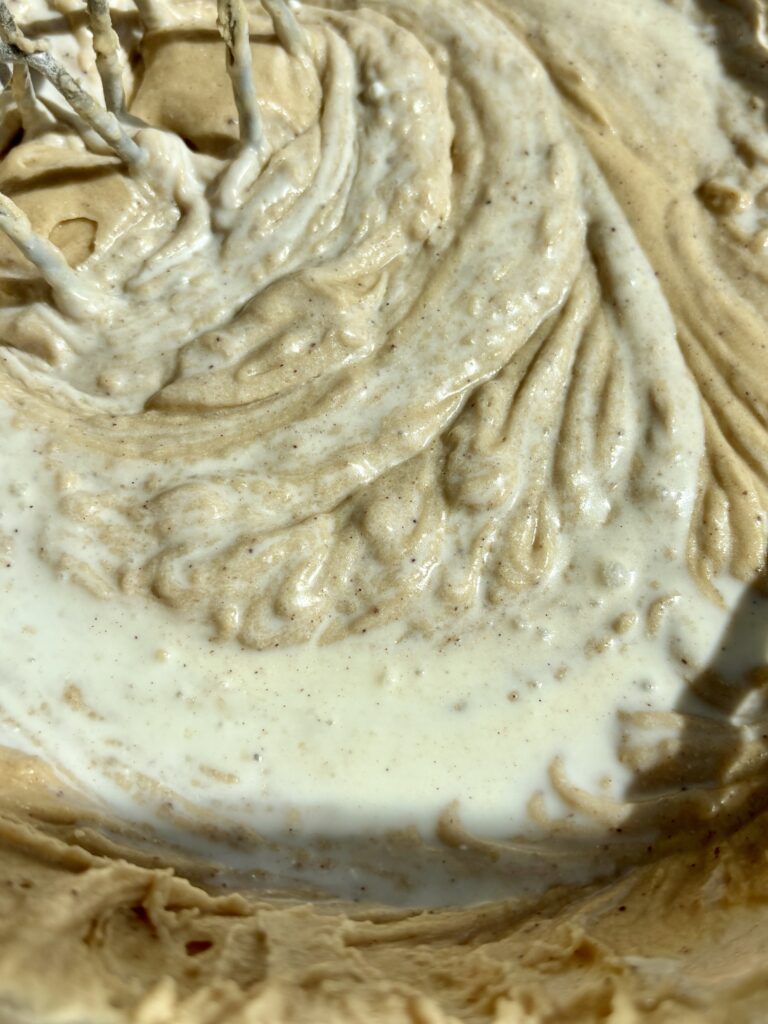
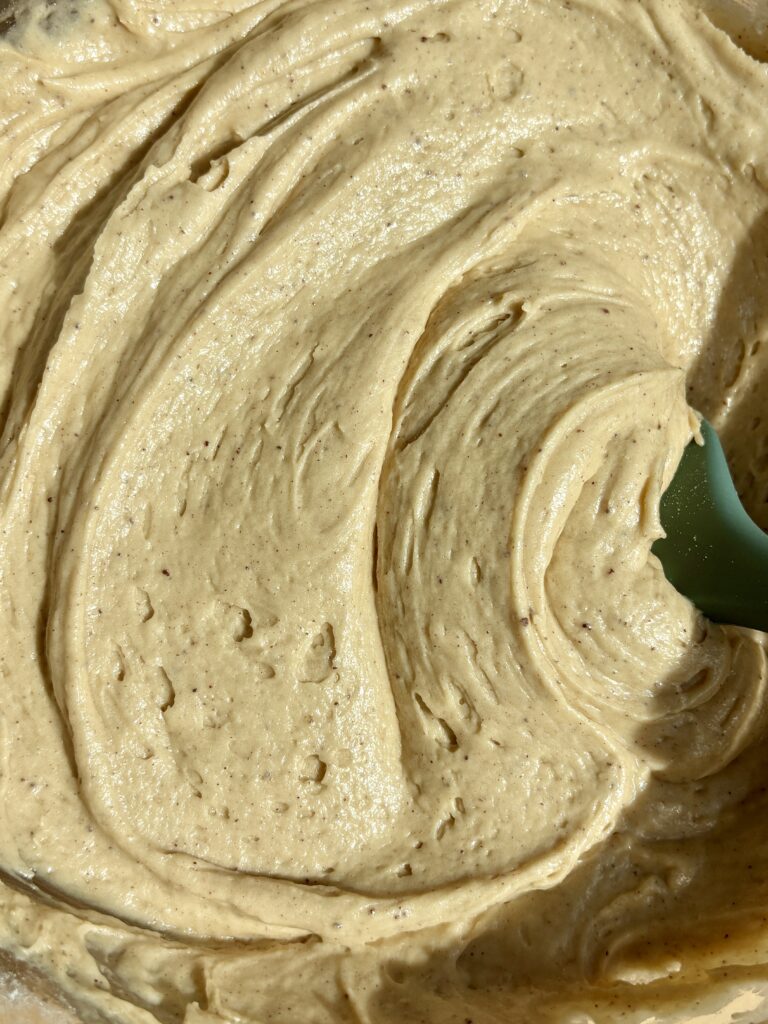
- In a large mixing bowl, combine the cooled brown butter, granulated sugar, and brown sugar. Beat for approximately 2 minutes until well combined.
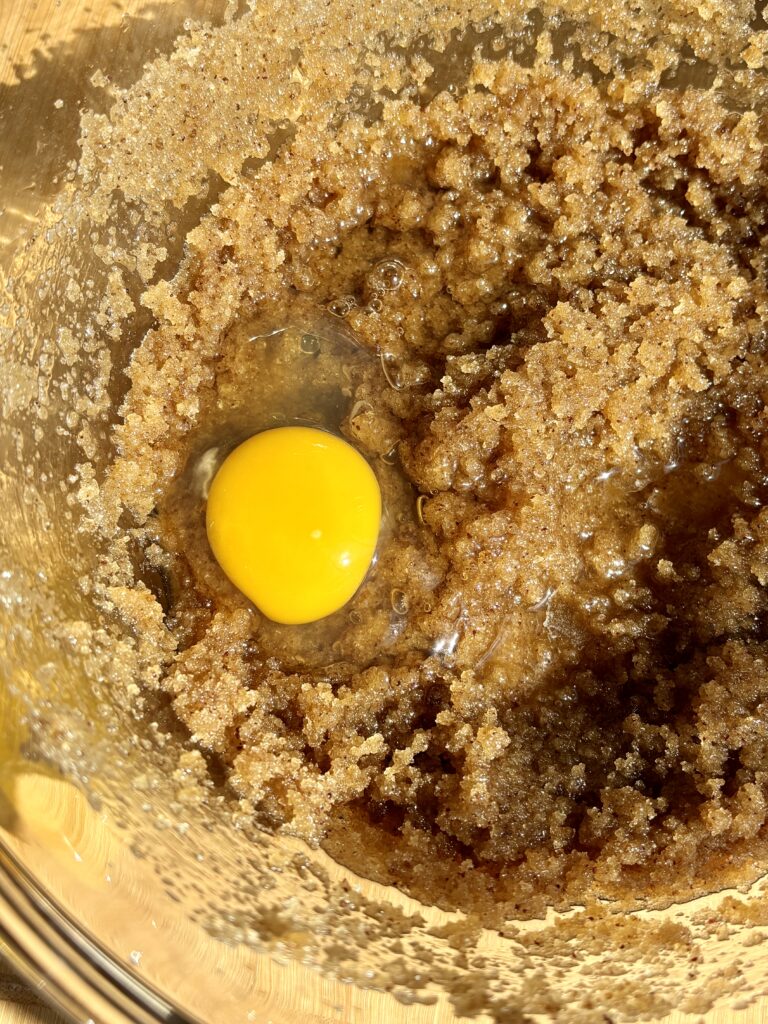
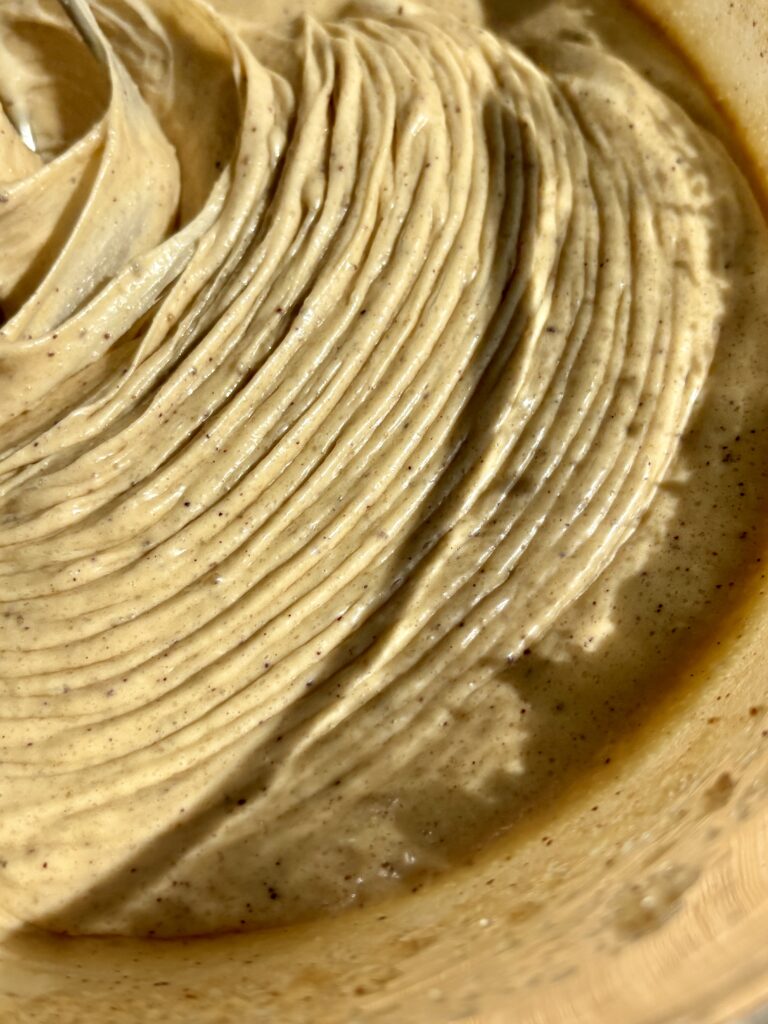
- Add the eggs one at a time, mixing well after each addition. Add the vanilla bean paste and mix until incorporated.
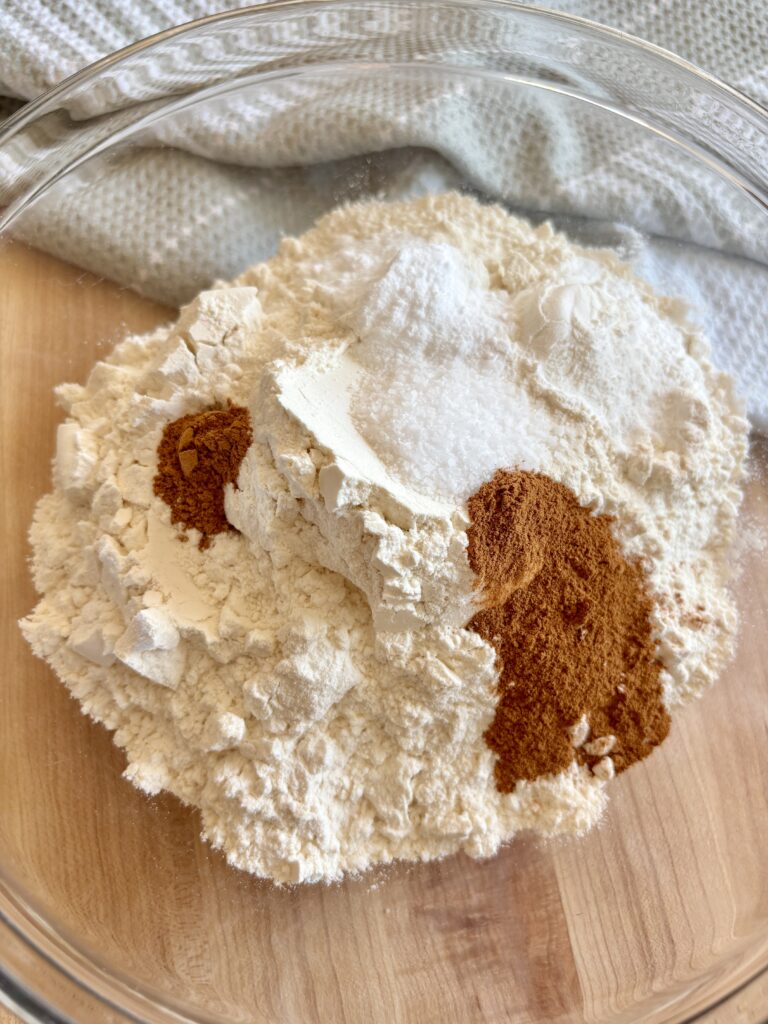
- In a separate bowl, whisk together the flour, baking powder, baking soda, cinnamon, nutmeg or pumpkin pie spice, and kosher salt.
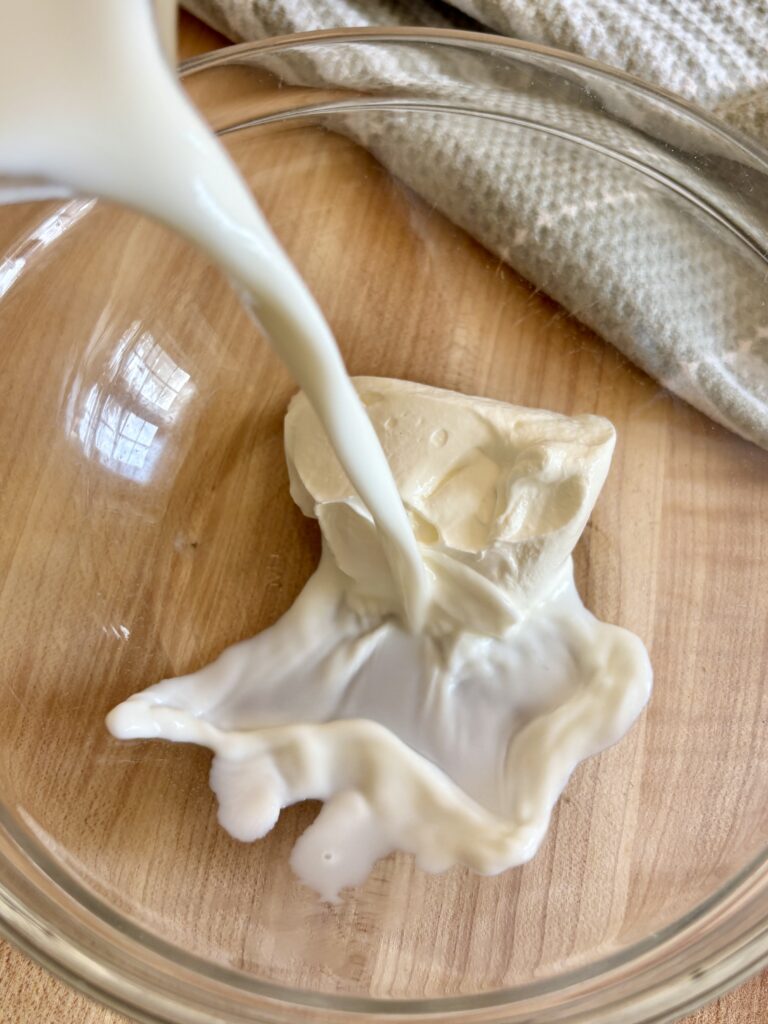
- In another bowl, whisk together the whole milk and sour cream until smooth.
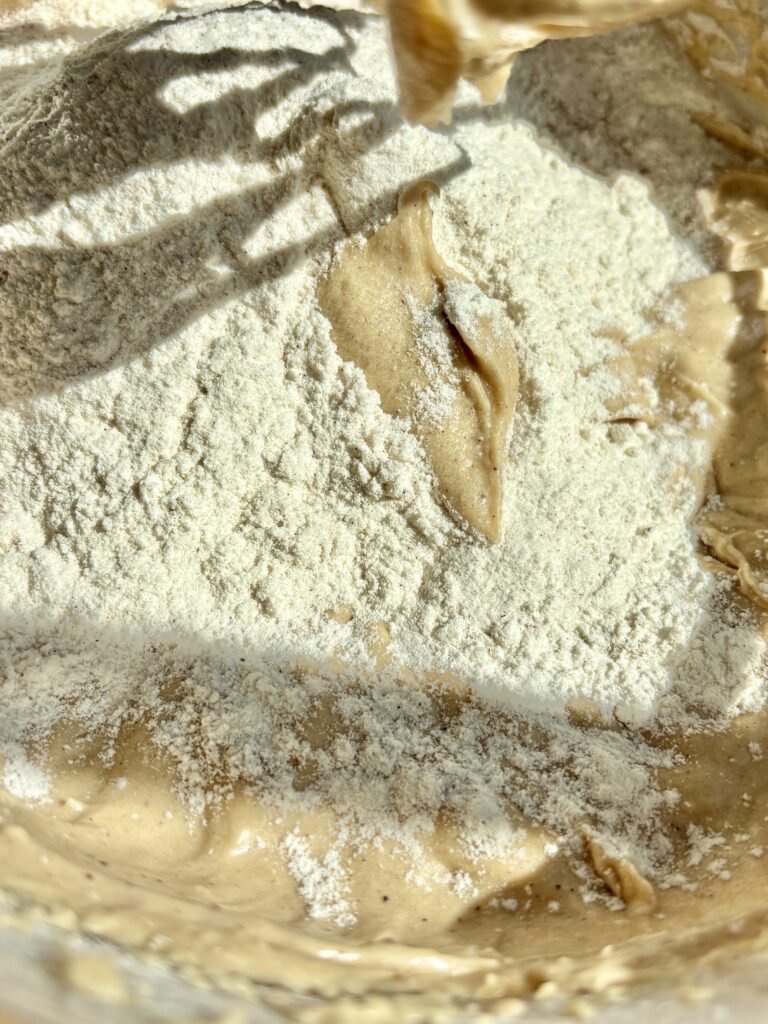
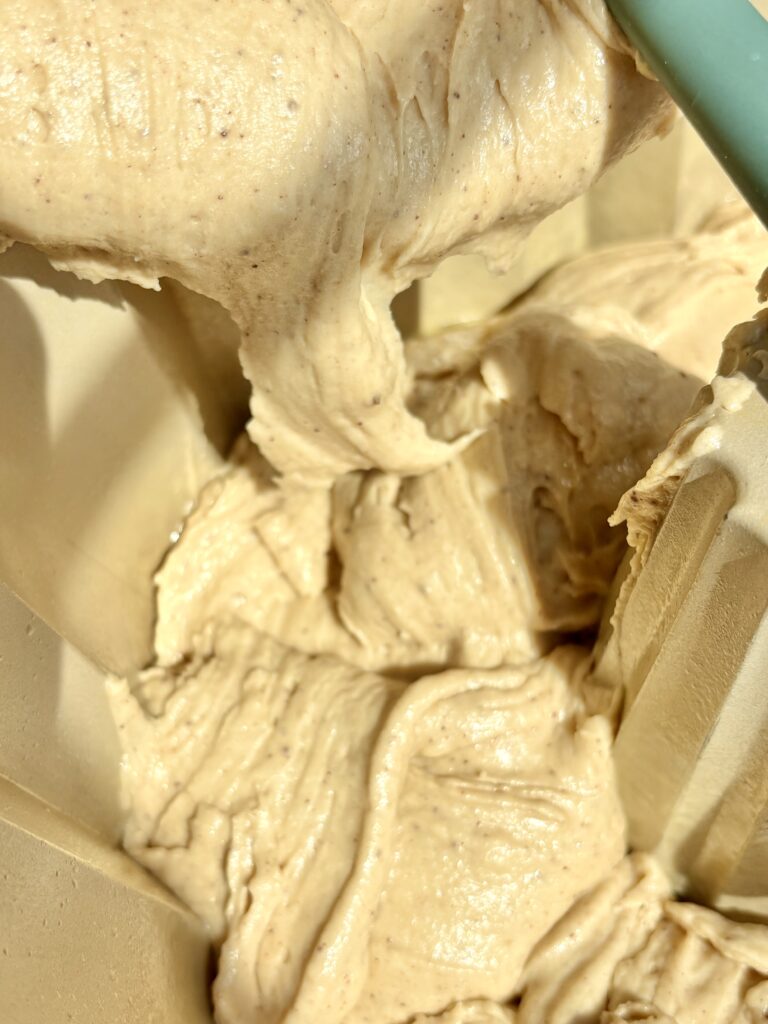
- Add approximately one-third of the dry ingredients to the butter mixture and mix on low speed until just combined. Then add half of the milk mixture and mix briefly. Continue alternating the dry ingredients and milk mixture, beginning and ending with the dry ingredients. Mix only until combined.
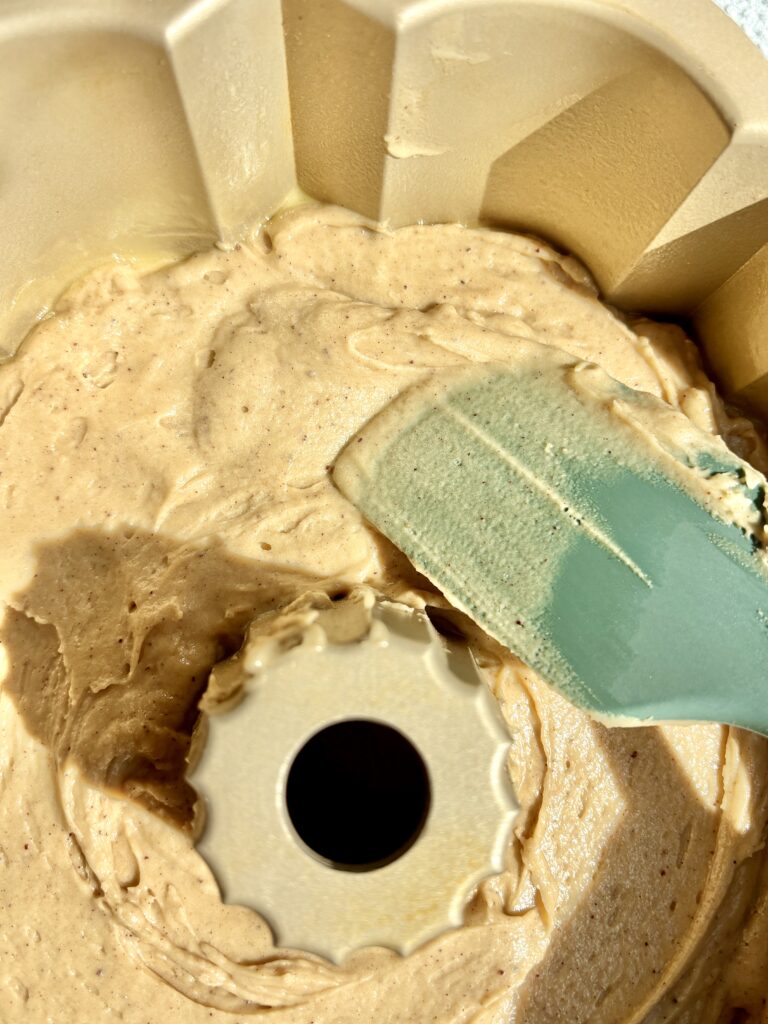
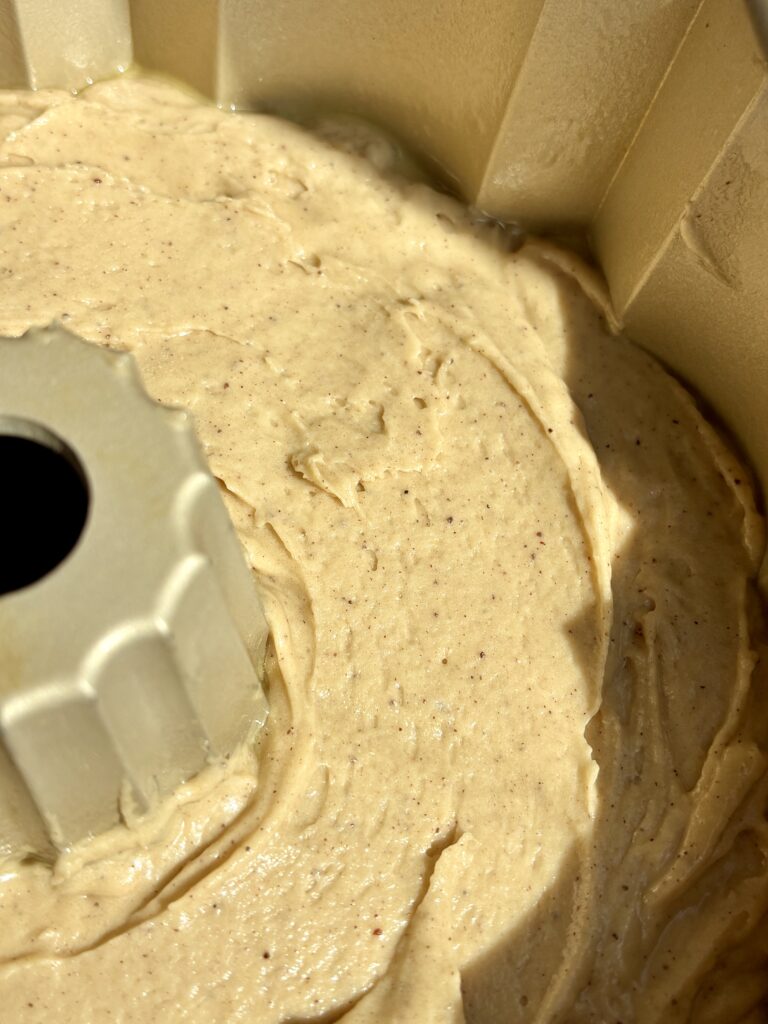
- Transfer the batter to the prepared Bundt pan and spread evenly. Gently tap the pan on the counter to release any large air pockets.
- Bake for approximately 45–55 minutes, or until a toothpick inserted into the thickest portion of the cake comes out clean or with a few moist crumbs.
Prepare the Maple Simple Syrup
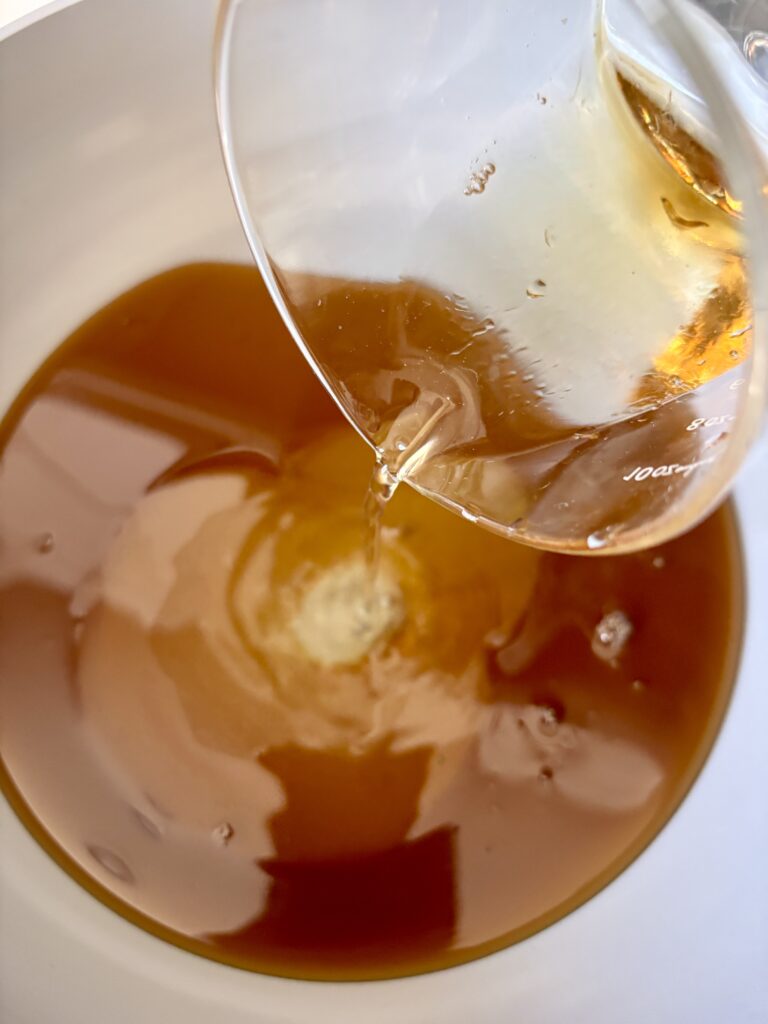
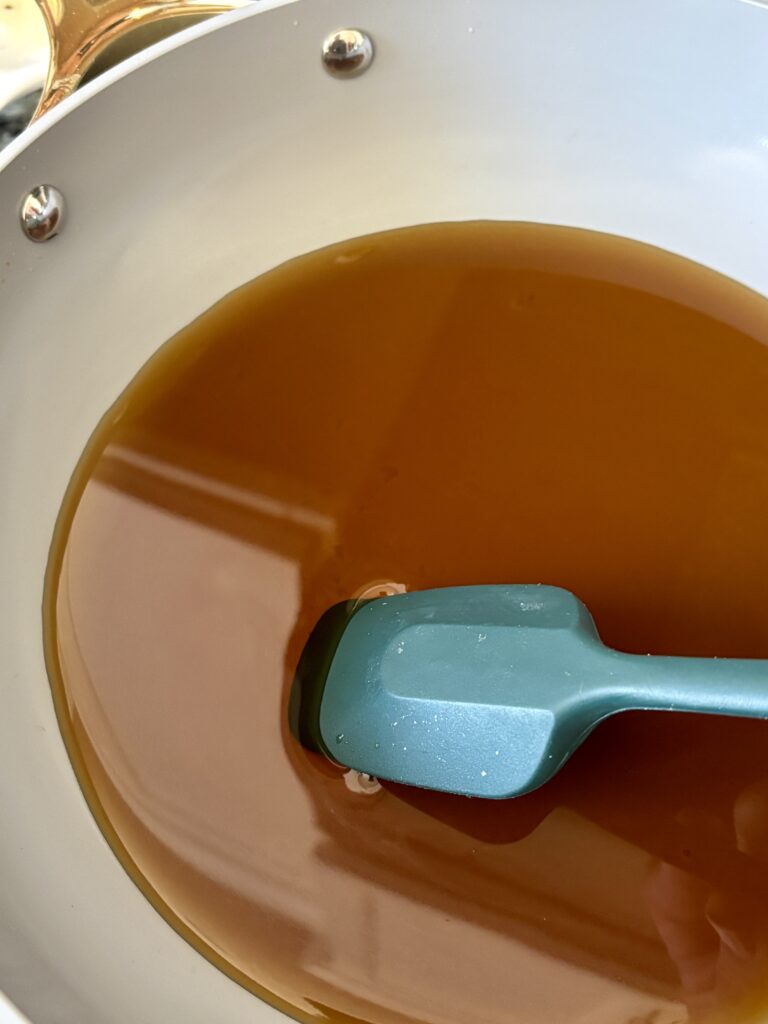
- While the cake bakes, combine the maple syrup, water, vanilla extract, and salt in a small saucepan over low heat. Stir until warmed and combined. Remove from the heat.
Soak and Cool the Cake
- Remove the cake from the oven and allow it to cool in the pan for approximately 5-10 minutes.
- Using a thin wooden skewer, poke holes throughout the exposed surface of the warm cake. Slowly brush or spoon the maple syrup soak over the cake, allowing it to absorb between additions. Use only as much syrup as the cake comfortably absorbs.
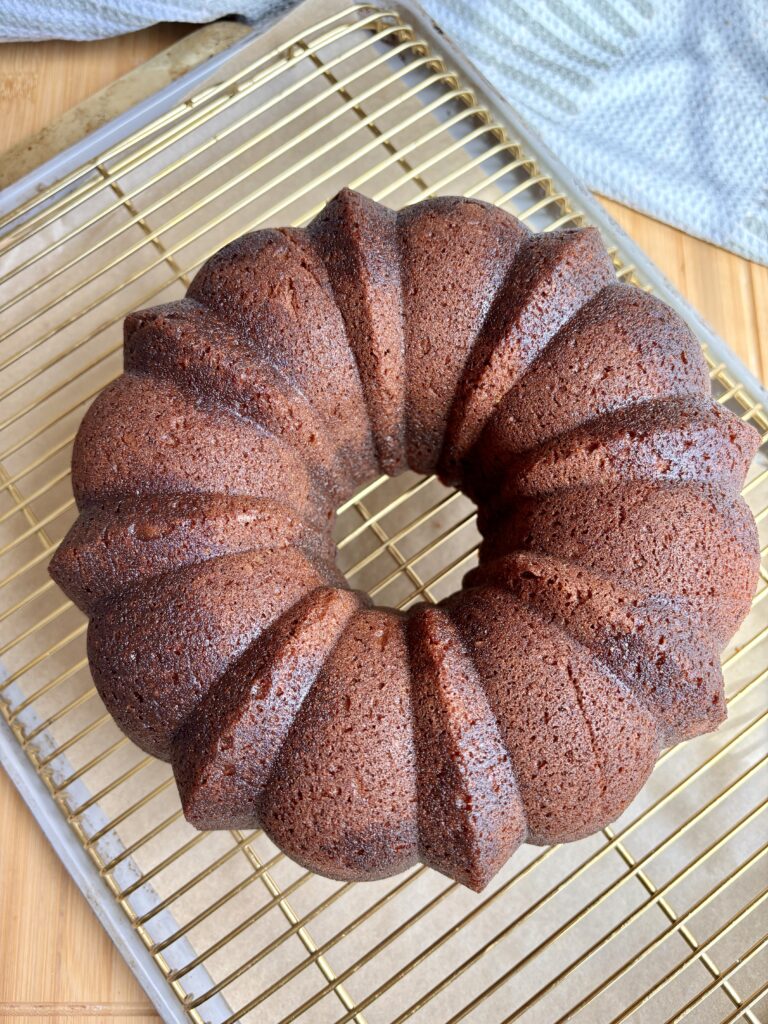
- Allow the cake to rest for another 5 minutes before carefully inverting it onto a wire rack. Brush additional syrup over the exposed cake if desired. Allow to cool completely before glazing.
Prepare the Maple Vanilla Bean Glaze
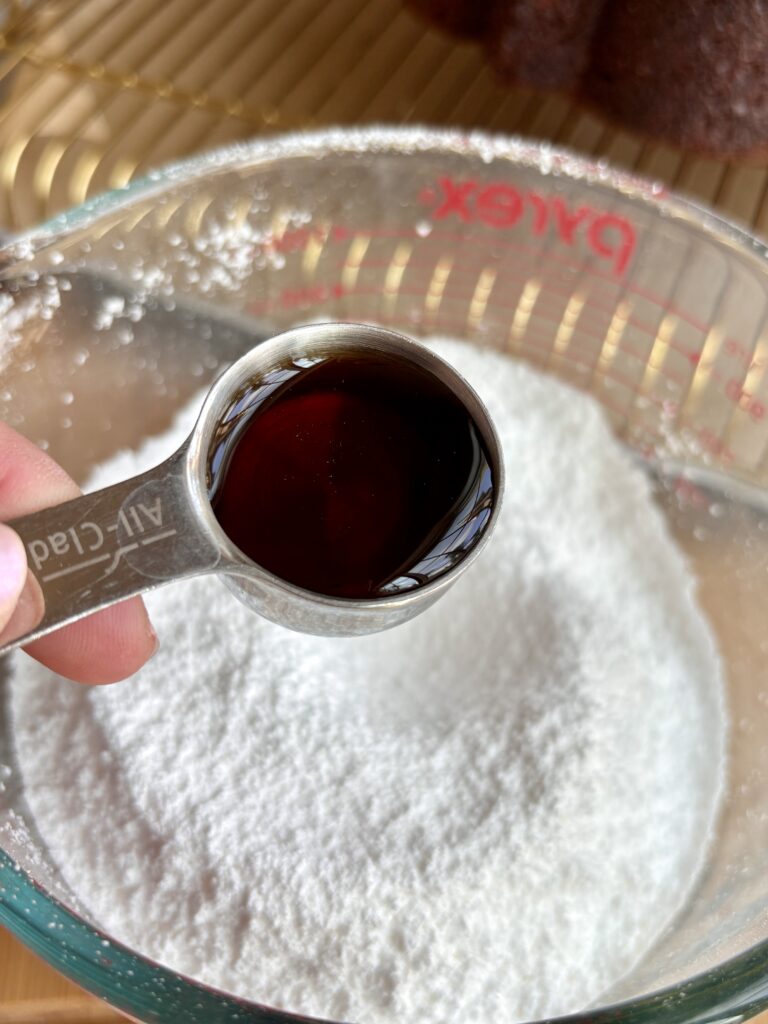
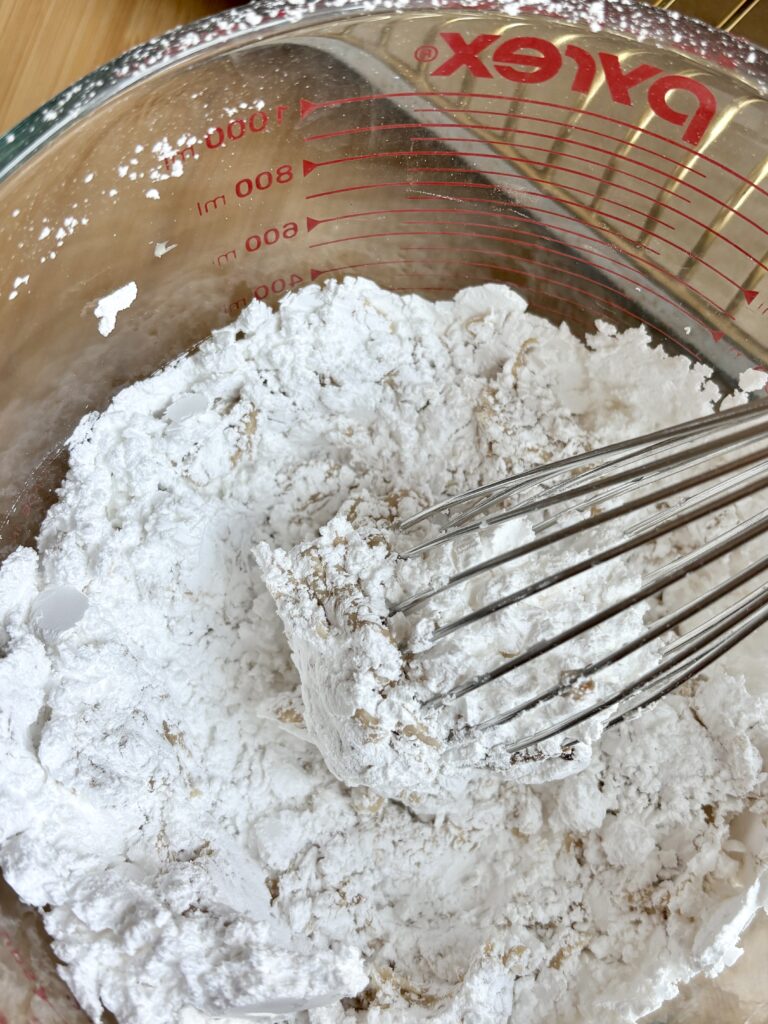
- In a medium bowl, whisk together the sifted powdered sugar, pure maple syrup, vanilla bean paste, and salt until smooth.
- Add milk or heavy cream, 1 teaspoon at a time, until the glaze reaches a thick but pourable consistency.
- Drizzle the glaze generously over the completely cooled Bundt cake, allowing it to drip naturally down the sides.
- Allow the glaze to set for approximately 15–20 minutes before slicing and serving.
Notes
- Brown Butter: Use all of the browned butter, including the toasted milk solids, for maximum flavor. Allow it to cool before mixing with the eggs.
- Maple Flavor: This recipe gets its maple flavor primarily from the syrup soak and glaze rather than the cake batter itself. Use dark or robust pure maple syrup for the strongest natural maple flavor.
- Maple Soak: Add the syrup gradually. The goal is to create a moist cake with pronounced maple flavor, not a wet or soggy crumb.
- Bundt Pan: Use a 10–12 cup pan and avoid filling it more than three-quarters full.
- Glaze Consistency: Start with little or no additional milk, since the maple syrup already provides liquid. Add more only as needed.
- Storage: Keep the cake covered at room temperature for up to 2–3 days or refrigerate for up to 5 days. Freeze the unglazed cake for up to 2 months.
Brown Butter Maple Bundt Cake | Maple Bundt Cake | Brown Butter Bundt Cake | Maple Glazed Bundt Cake | Moist Maple Bundt Cake | Maple Brown Sugar Bundt Cake | Brown Butter Cake Recipe | Maple Vanilla Bundt Cake | Maple Vanilla Bean Glaze | Brown Sugar Bundt Cake | Homemade Maple Cake | Maple Syrup Cake | Maple Syrup Bundt Cake | Brown Butter Dessert | Maple Glaze for Bundt Cake | Easy Maple Bundt Cake | Sour Cream Bundt Cake | Buttery Maple Cake

Nutritional Content Disclaimer
I choose not to include nutritional information with my recipes, as these values can be calculated from the ingredients provided. With my background as a pediatric nurse practitioner and my own family experience with disordered eating, I understand how focusing on numbers can affect our relationship with food. My philosophy is that all foods have a place—sweet, savory, nourishing, or indulgent. I aim to share recipes that support a healthy, joyful approach to eating. My hope is that this space also encourages a balanced, healthy relationship with food for you and your family too.